

























Indoor Gardening for Kids in Singapore
Posted on April 09 2026
In this article

In a city where screen time competes fiercely for children's attention, indoor gardening offers something refreshingly analogue: a hands-on, sensory experience that teaches patience, responsibility, and the science of living things. And you do not need a garden to do it — a kitchen counter, a balcony, or a sunny windowsill is all the space you need.
Table of Contents
Here is how to get Singapore kids excited about plants.
Why Gardening Is Great for Kids
Science in Action
Growing a plant is a biology lesson that unfolds in real time. Kids observe germination, photosynthesis, root development, pollination, and the water cycle — not from a textbook, but from a pot on their desk.
Responsibility and Routine
Caring for a living thing teaches accountability. A plant depends on the child for water and light. This daily responsibility builds habits that transfer to other areas of life.
Patience
In a world of instant gratification, waiting for a seed to sprout or a flower to bloom teaches delayed reward. Kids learn that some things cannot be rushed — they just need consistent care over time.
Sensory Experience
Soil, water, different leaf textures, flower scents — gardening engages senses that screens cannot. For younger children especially, this tactile experience supports cognitive development.
Nutritional Awareness
Growing edible plants connects children to their food. A child who grows their own basil or cherry tomatoes develops a different relationship with vegetables than one who only encounters them pre-packaged at the supermarket.
Easy Plant Projects for Kids

1. Bean Sprout in a Jar (Age 3+)
The classic starter project. Visible results in days.
Materials: Glass jar, paper towel, mung beans or kidney beans, water
Steps:
- Dampen a paper towel and line the inside of a glass jar
- Place 3-4 beans between the towel and the glass
- Keep the towel moist (spray daily)
- Place in a bright spot
- Roots appear in 2-3 days. Shoots follow.
- The child can watch the entire germination process through the glass
Learning: Seed structure, germination, root vs shoot growth, water absorption
2. Avocado Pit Sprouting (Age 4+)
A longer project with dramatic results.
Materials: Avocado pit, toothpicks, glass of water
Steps:
- Wash the avocado pit
- Insert 3-4 toothpicks around the middle to suspend it over a glass of water
- Submerge the bottom half of the pit
- Place in a bright, warm spot
- Change water weekly
- Root emerges in 2-4 weeks, followed by a shoot
- Transfer to soil when the stem is 15cm tall
Learning: Seed germination, root systems, patience (this one takes weeks)
3. Herb Garden (Age 5+)
Practical and delicious.
Materials: Small pots with drainage, potting soil, herb seeds or starter plants
Best herbs for Singapore kids:
- Basil: Fast-growing, fragrant, easy to harvest
- Mint: Nearly indestructible and fun to taste
- Spring onion: Regrow from supermarket scraps — feels like magic
- Chilli: Exciting to watch fruits develop (if old enough to handle carefully)
Steps:
- Let the child fill pots with soil
- Plant seeds or transplant seedlings
- Water together daily
- Harvest and use in meals — the pride of eating food you grew
Learning: Plant nutrition, photosynthesis, the food cycle, cooking basics
4. Terrarium Building (Age 6+)

A miniature world in a glass container.
Materials: Glass jar or container, pebbles, charcoal, soil, small plants (Fittonia, moss), decorative items
Steps:
- Layer pebbles, charcoal, and soil
- Let the child arrange small plants and decorative elements
- Mist lightly
- Observe the water cycle (condensation forming on glass)
Learning: Ecosystems, water cycle, habitat creation, creative design
5. Sunflower Race (Age 4+)
Competitive gardening for siblings or classmates.
Materials: One pot and sunflower seed per child, soil, water
Steps:
- Each child plants a sunflower seed in their own labelled pot
- They care for their plant daily
- Measure and record growth weekly
- The tallest sunflower wins
Learning: Competition, measurement, data recording, plant growth factors
6. Sweet Potato Vine (Age 3+)
Dramatic trailing vines from a kitchen staple.
Materials: Sweet potato, glass of water, toothpicks
Steps:
- Suspend sweet potato over water using toothpicks (half submerged)
- Place in a bright spot
- Roots and purple-green vines emerge within 1-2 weeks
- Grows vigorously — kids love watching the daily progress
Learning: Vegetative reproduction, root vs vine growth, water uptake
7. Propagation Station (Age 7+)
For kids ready for a more advanced project.
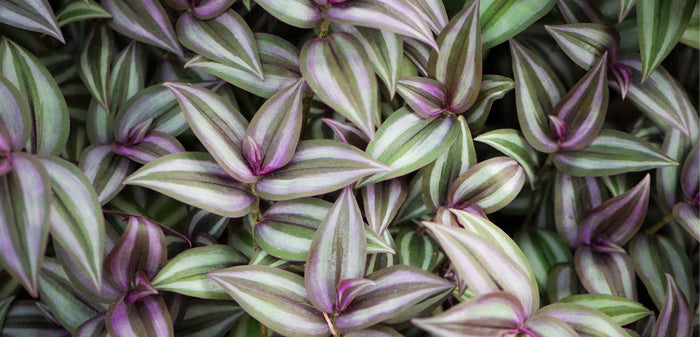
Materials: Glass jars, water, cuttings from existing plants (Pothos, Spider Plant babies, Tradescantia)

Steps:
- Take cuttings from parent plants (demonstrate proper technique)
- Place in water with nodes submerged
- Label each jar with the plant name and date
- Watch roots develop over days and weeks
- Pot up when roots are 5cm long
Learning: Plant anatomy (nodes, roots, stems), asexual reproduction, scientific observation
Age-Appropriate Responsibilities
Ages 3-4
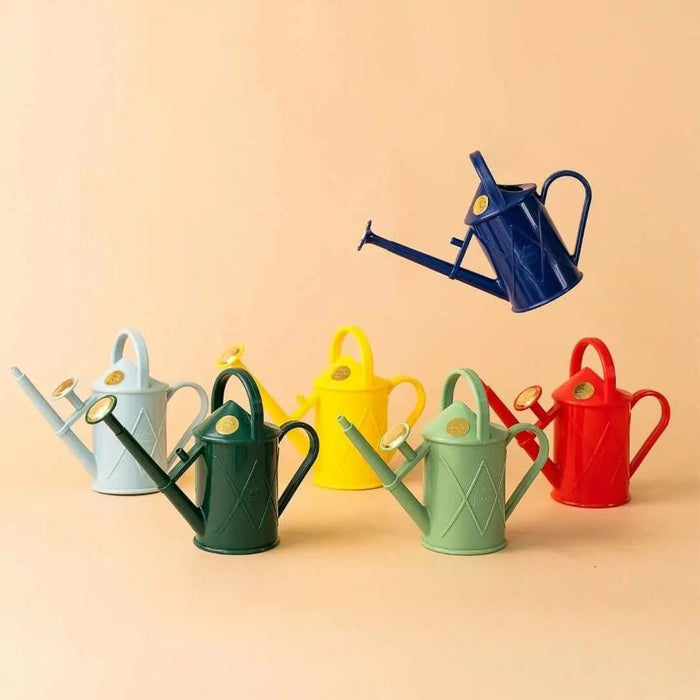
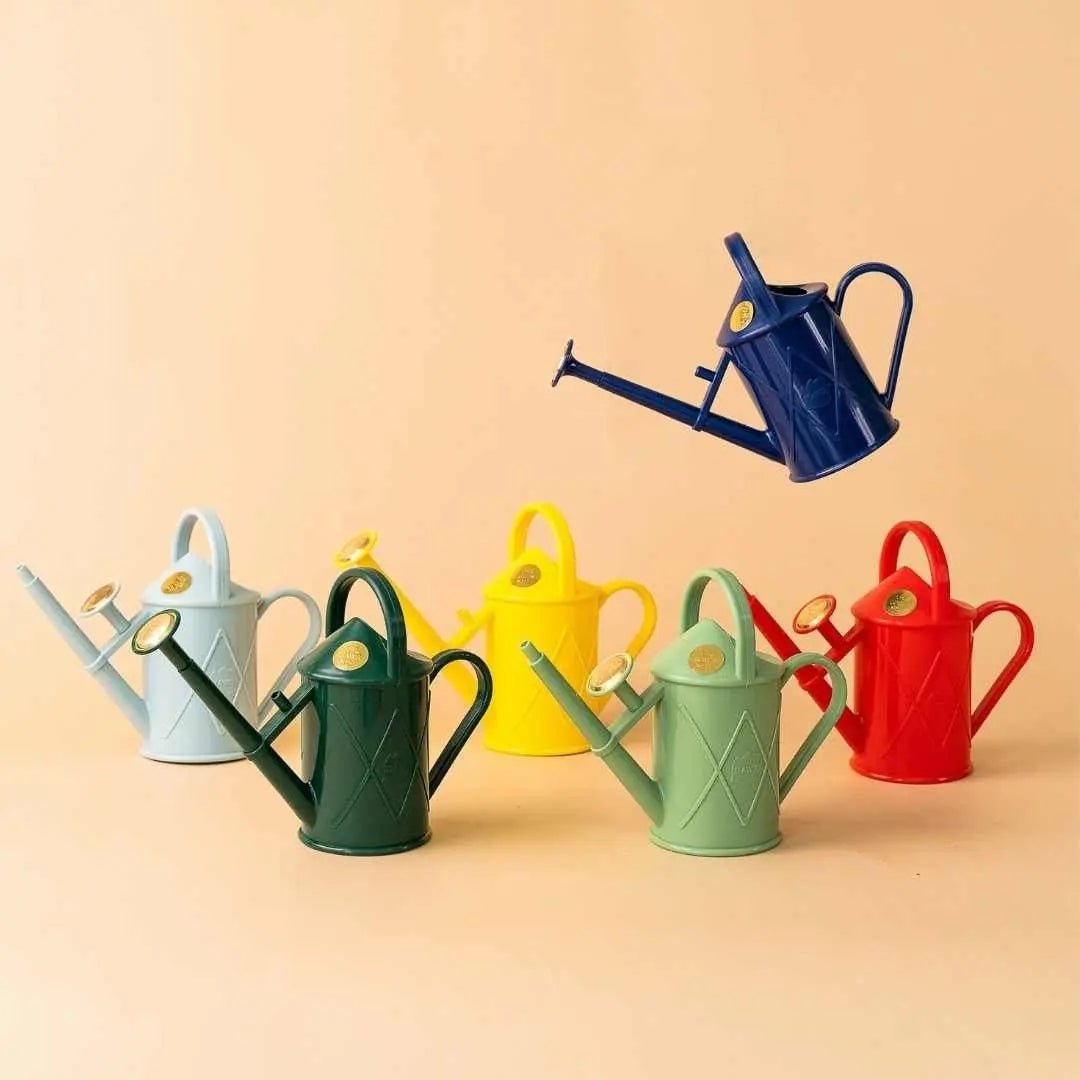
- Watering with supervision (small watering can)
- Watching seeds sprout
- Touching different leaf textures
- Pointing out changes ("Look, a new leaf!")
Ages 5-6
- Watering independently
- Planting seeds and seedlings
- Basic weeding (for balcony gardens)
- Observing and describing plant changes
Ages 7-9
- Full care routine for one or two plants
- Propagation from cuttings
- Simple journal keeping (drawing growth, recording watering dates)
- Identifying basic plant problems (dry soil, yellow leaves)
Ages 10+
- Independent plant care for a small collection
- Propagation and sharing with friends
- Understanding soil composition and fertilising
- Participating in plant community events
Making It Fun

Plant Naming
Let children name their plants. A plant called "Spike" or "Leafy" becomes a character, not just a pot on the windowsill. Naming creates emotional connection and encourages care.
Growth Charts
Tape a paper ruler beside a tall-growing plant and mark growth weekly. Seeing physical progress over time is deeply satisfying for kids.
Plant Journal
Provide a simple notebook for drawing their plants, recording watering days, and noting observations. This combines gardening with literacy and art.
Reward System
Tie plant care to a simple reward system. A week of consistent watering earns a new plant for their collection, or the right to choose a new pot colour.
Cook What You Grow
Using home-grown herbs in a family meal closes the grow-eat loop and gives children tangible proof that their effort produced something valuable.
Safety Considerations
Toxic plants: Many common houseplants are mildly toxic if ingested. For homes with young children, choose non-toxic options: Spider Plant, Boston Fern, Peperomia, herbs, Calathea, Haworthia.
Soil and mess: Young children will get dirty. Embrace it. Lay down newspaper or do planting activities on the balcony. The mess is part of the sensory experience.
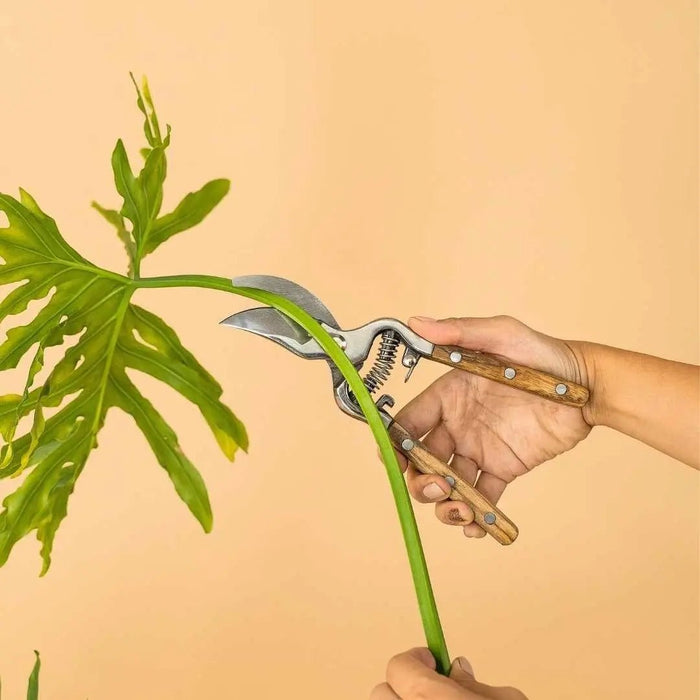
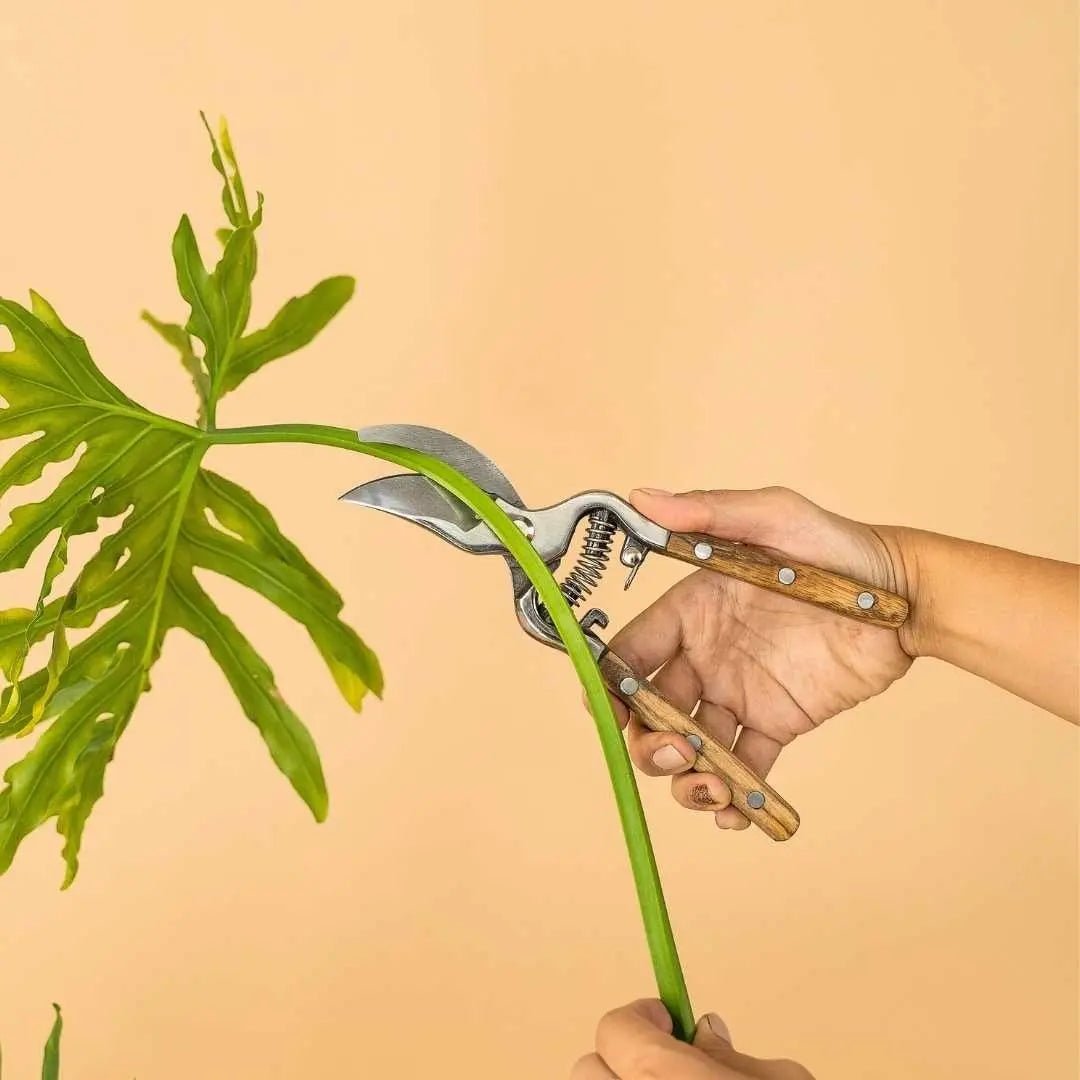
Sharp tools: Pruning scissors and plant stakes should be handled by adults or older children with supervision.
Allergies: Some children are sensitive to mould spores in damp soil. If allergies are a concern, consider semi-hydroponic growing in LECA or water-only propagation.
Singapore Resources

NParks Community in Bloom: Encourages community gardening across Singapore, with resources for schools and families.
School garden programmes: Many Singapore schools have edible garden initiatives. Ask your child's school about involvement opportunities.
Gardening workshops for kids: Several nurseries and nature centres offer children's workshops during school holidays.
Library resources: Singapore public libraries stock children's gardening books. Borrow a few to inspire project ideas.
Final Thoughts
Indoor gardening with kids is one of those rare activities that is simultaneously educational, calming, productive, and fun. In Singapore's urban environment, it connects children to the natural world in a way that nature reserves and botanic gardens complement but cannot replace — because there is nothing quite like caring for a living thing that depends on you.
Start with a bean in a jar. The wonder in a child's eyes when that first root pushes through the seed coat is the beginning of a lifelong relationship with growing things.
Visit Tumbleweed Plants for kid-friendly plants and beginner garden supplies.
Indoor Gardening for Kids in Singapore
Quick Summary · Tumbleweed Plants Singapore
Ready to bring some green into your space?
Free same-day delivery across Singapore · 30-day plant guarantee
Browse All Plants →Quick summary
Key Takeaways
- Why Gardening Is Great for Kids
- Easy Plant Projects for Kids
- Age-Appropriate Responsibilities
- Making It Fun
- Safety Considerations
- Singapore Resources
Ready to bring some green into your home?
Browse 250+ hand-picked plants, curated for Singapore homes — delivered to your door.
Browse All Plants →






Comments
0 Comments
Leave a Comment