


















Bird’s Nest Fern Care in Singapore: How to Grow Wavy Asplenium Indoors
Posted on July 19 2026
Bird’s Nest Ferns are one of the easiest ferns to love in Singapore homes: sculptural, fresh-looking and softer than many leafy houseplants. Their rippled fronds grow from a central rosette, giving the plant a neat “nest” shape that works beautifully on shelves, sideboards and bright corners.
They are also a little different from many common indoor plants. Instead of woody stems or vining growth, a Bird’s Nest Fern stores its new leaves in the centre crown. That means good care is less about heavy fertilising and more about steady moisture, gentle light and keeping the crown clean. Here is how to help a Wavy Bird’s Nest Fern settle into a Singapore apartment.
Why Bird’s Nest Ferns suit Singapore homes
Singapore’s warm weather is a good starting point for tropical ferns. Bird’s Nest Ferns, including wavy Asplenium types, appreciate warmth and moderate humidity, so they usually adapt well indoors as long as they are not placed in harsh direct sun or left to dry out completely.
Their shape also makes them practical for compact homes. A healthy plant grows upward and outward in a rosette instead of sprawling quickly across a shelf. If you want greenery with a soft, lush feel but do not want a trailing plant, Bird’s Nest Ferns are a strong choice from the broader plant collection.
Best light for Bird’s Nest Ferns indoors
Give your fern bright, indirect light or gentle filtered light. A spot near an east-facing window, a bright living room set back from direct sun, or a sheltered balcony corner can work well. The goal is enough brightness for fresh green growth without scorching the thin fronds.
In Singapore, afternoon sun through glass can be intense. If the leaves look bleached, crispy along the edges or patchy brown on the sun-facing side, move the plant further from the window or add a sheer curtain. If the plant becomes dull, floppy and slow to produce new fronds, it may need a brighter position. Browse bright-light plants if you are comparing options for sunnier rooms, but keep this fern away from harsh, direct rays.
How often to water a Bird’s Nest Fern in Singapore
Water when the top layer of potting mix feels lightly dry but the lower mix is not bone dry. For many Singapore homes, this may mean checking once or twice a week, but the exact rhythm depends on air-conditioning, pot size, airflow and how bright the room is.
When you water, pour gently around the outer soil surface until the mix is evenly moist and excess water can drain away. Avoid pouring directly into the centre crown. Water trapped in the crown can sit there, especially in still indoor air, and may encourage rot or marks on new growth.
If your home is air-conditioned for long hours, the leaf edges may dry faster even when the soil is still moist. In that case, do not keep adding water blindly. Check the potting mix first, then improve humidity and placement instead.
Humidity and airflow: what matters most
Bird’s Nest Ferns like a slightly humid environment, but they also need gentle airflow. A bathroom with natural light, a bright kitchen corner or a living room away from direct air-con blast can all work. What they dislike is being placed directly under cold, dry air or in a stagnant, wet corner.
If the frond tips turn brown, check three things: whether the plant is too close to air-conditioning, whether the soil is drying out completely between waterings, and whether salts or dust have built up on the leaves. Wipe fronds gently with a damp cloth when dusty. Avoid leaf shine products, which can clog the surface of delicate fern leaves.
Potting mix and planters
A Bird’s Nest Fern does best in a loose, moisture-retentive but free-draining mix. It should not sit in soggy soil, but it also should not be planted in a very gritty mix that dries too quickly. If you are repotting, choose a pot with drainage and avoid jumping to a much larger pot. One size up is usually enough.
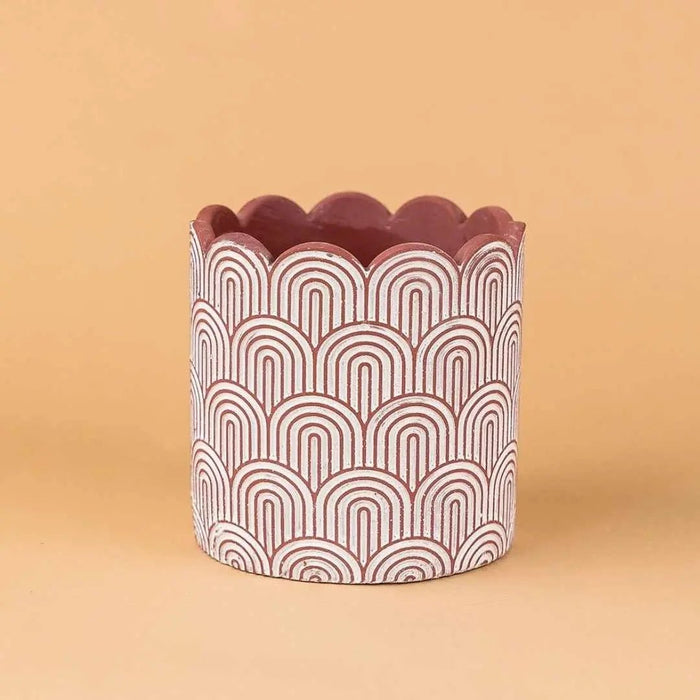
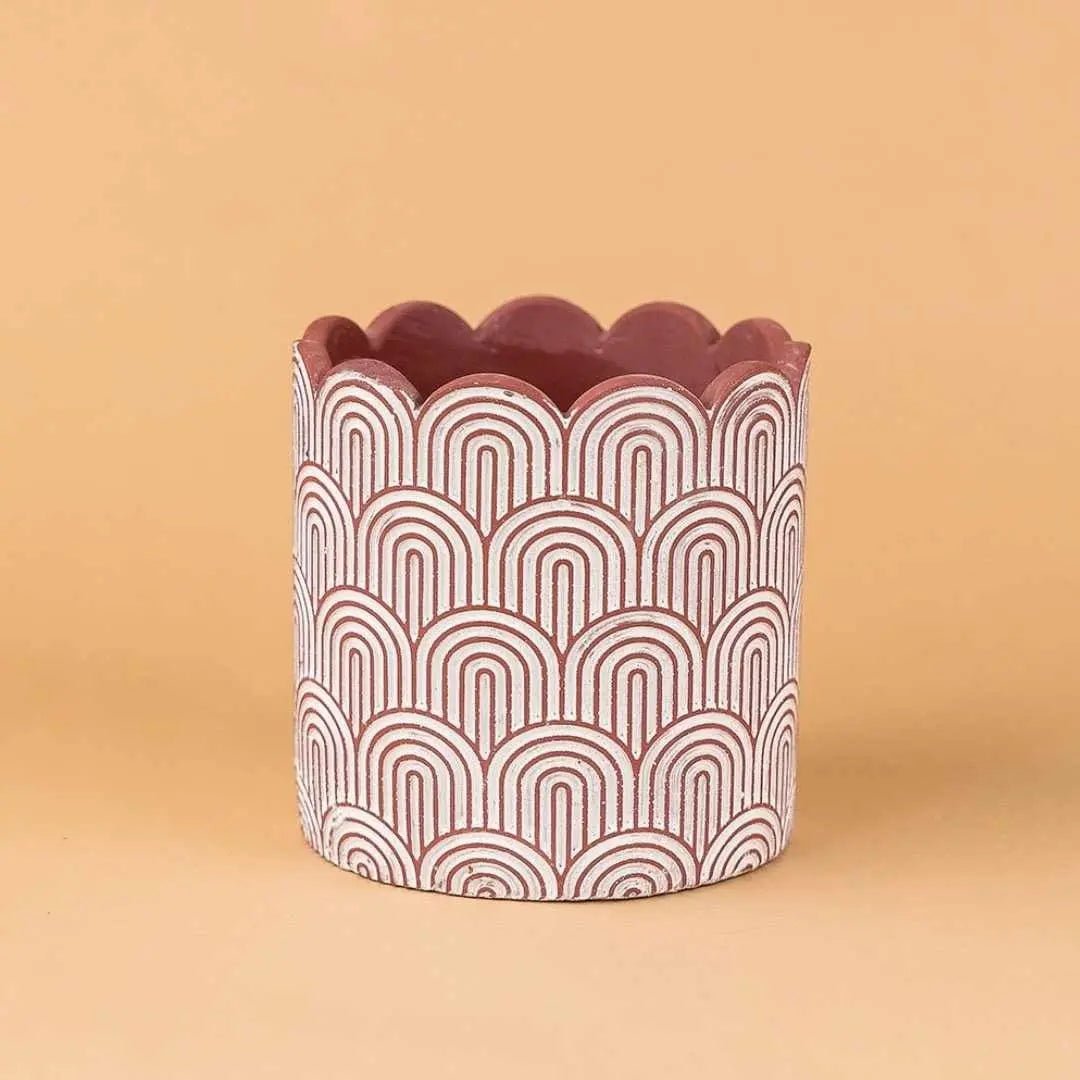
Decorative pots are fine as outer covers, but keep drainage in mind. If the plant sits in a nursery pot inside a cover pot, empty any collected water after watering. You can browse planters for a suitable outer pot, but make sure the practical setup still allows excess water to escape.
Common Bird’s Nest Fern problems
Brown crispy edges
This is usually caused by dry air, inconsistent watering or too much direct sun. Move the plant away from air-con drafts, check soil moisture more regularly and keep it in bright filtered light.
Yellowing lower fronds
One or two older fronds yellowing over time is normal. Several yellowing leaves at once can point to overwatering, poor drainage or a pot sitting in collected water.
Black or mushy centre crown
This is a warning sign. Avoid watering into the crown, improve airflow and let the soil surface dry slightly before the next watering. If the crown is badly damaged, recovery can be difficult, so prevention is important.
Pale or stretched growth
The fern may be too far from a light source. Shift it gradually to a brighter spot with indirect light instead of moving it straight into hot sun.
Is a Bird’s Nest Fern beginner-friendly?
It can be, especially for plant owners who are willing to check soil moisture instead of watering on a fixed calendar. It is generally more forgiving than very delicate ferns, but it still needs steadier moisture than snake plants, ZZ plants or succulents. If you travel often or forget watering for weeks, choose a tougher low-water plant. If you enjoy a weekly plant-care routine, Bird’s Nest Ferns are very rewarding.
Where to place it at home
- Living room shelf: Works well if the shelf receives bright ambient light.
- Study desk: Good if it is not directly under an air-con vent.
- Bathroom with a window: Often excellent because of added humidity and warmth.
- Sheltered balcony: Suitable only if protected from direct afternoon sun and heavy rain.
Simple weekly care routine
- Check the top 2–3cm of potting mix with your finger.
- Water around the soil edge when the top feels lightly dry.
- Let excess water drain fully before placing it back in a cover pot.
- Rotate the pot every one to two weeks for even growth.
- Wipe dusty fronds gently with a damp cloth.
FAQ: Bird’s Nest Fern care in Singapore
Can Bird’s Nest Fern grow in low light?
It can tolerate lower light for a while, but it looks best in bright, indirect light. Very dim corners usually lead to slow, weak growth.
Should I mist my Bird’s Nest Fern?
Light misting can freshen the leaves, but it is not a replacement for proper watering and humidity. Avoid soaking the centre crown and do not mist late at night in still air.
Why are the leaves turning brown at the tips?
Common causes include dry air from air-conditioning, missed waterings, harsh sun or mineral build-up. Adjust placement first, then refine the watering routine.
Does it need fertiliser?
Use fertiliser lightly during active growth if the plant is healthy. Too much fertiliser can damage fern roots, so a gentle approach is better than frequent heavy feeding.
The takeaway
A Bird’s Nest Fern is a beautiful way to add a softer, tropical texture to a Singapore home. Keep it in bright filtered light, water around the soil rather than into the crown, protect it from drying air-con drafts and use a draining pot setup. With that simple routine, its wavy green fronds can stay fresh and sculptural for a long time. For plant-care essentials and more indoor options, explore plant care and all plants.