
















Coco Coir for Indoor Plants in Singapore: How to Use Coir, Coco Peat and Coco Chips
Posted on August 07 2026
Coco coir, coco peat and coco chips are useful plant-care materials for Singapore homes because they help balance moisture and airflow in potting mixes. Used well, they can make indoor plant care more forgiving in humid flats, bright balconies and air-conditioned rooms. Used blindly, they can also hold too much water for the wrong plant.
Quick answer
- Coco coir is a flexible fibre base that helps retain moisture without feeling as heavy as dense soil.
- Coco peat holds more water and is best used carefully in small amounts for moisture-loving plants.
- Coco chips add chunkiness and airflow, especially useful for aroid-style mixes and plants that dislike soggy roots.
- Drainage still matters: always pair moisture-retentive ingredients with a pot that drains.
Table of contents
- What is coco coir?
- Coco coir vs coco peat vs coco chips
- How to use them in Singapore homes
- Simple mix ideas by plant type
- Common mistakes to avoid
- FAQ

What is coco coir?
Coco coir is made from coconut husk fibre. For indoor plant care, it is commonly used as a soil component rather than a complete solution on its own. Its main advantage is texture: it can hold moisture while staying lighter than compacted soil, which helps roots access both water and oxygen.
In Singapore, that balance is useful because weather and home conditions vary widely. A plant near a sunny balcony door may dry quickly, while the same plant in an air-conditioned bedroom may stay moist much longer. Coco-based components let you adjust the mix rather than overwatering or underwatering to compensate.
Coco coir vs coco peat vs coco chips
The names sound similar, but they behave differently in a pot:
- Coco coir fibre gives a soft, fibrous base that supports moisture retention and root contact.
- Coco peat is finer and holds more water, so it suits plants that prefer an evenly moist mix but can be too wet if overused.
- Coco chips are chunkier pieces that create air pockets and reduce compaction, useful for tropical foliage plants with thicker roots.
If you are unsure, start with a small adjustment rather than replacing an entire potting mix. Most indoor plants prefer a balanced blend, not a pot filled with one ingredient only.
How to use them in Singapore homes
For most Tumbleweed customers, the goal is not to create a complicated recipe. The goal is to make watering easier. If your plant dries too fast between waterings, add a small amount of coco coir or coco peat. If the mix stays damp for too long, add chunkier material such as coco chips and check that the pot has drainage holes.
Always water based on the plant and pot, not just the ingredient list. A moisture-retentive mix in a cover pot with no drainage can still cause root issues. A chunky mix in a bright, windy balcony corner may need watering more often.
Simple mix ideas by plant type
Aroids and climbing foliage plants
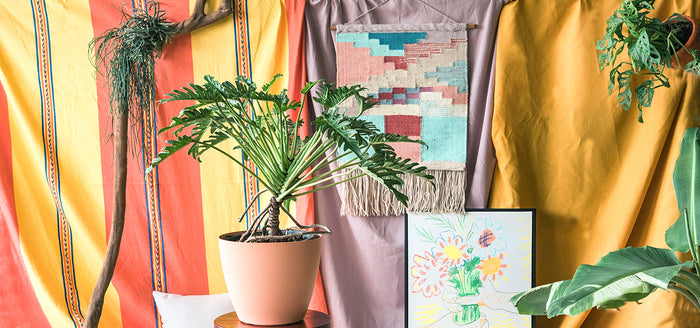
Plants such as monstera, pothos and philodendron usually appreciate an airy mix. Coco chips can help create structure, while a smaller portion of coco coir helps the mix avoid becoming bone-dry too quickly.
Moisture-loving tropical foliage
Plants with thinner leaves may appreciate a little coco peat blended in, especially in bright rooms. Keep the amount modest and check the pot before watering again.
Succulents and cactus-style plants
Use coco peat very sparingly, if at all. These plants generally prefer faster-drying mixes. If using coco components, prioritise chunkiness and drainage over moisture retention.
Simple rule for Singapore plant parents
If roots are drying too quickly, add moisture-holding texture. If roots are staying wet, add air and drainage. Coco coir, coco peat and coco chips are tools for adjusting that balance.
Shop plant-care substrates
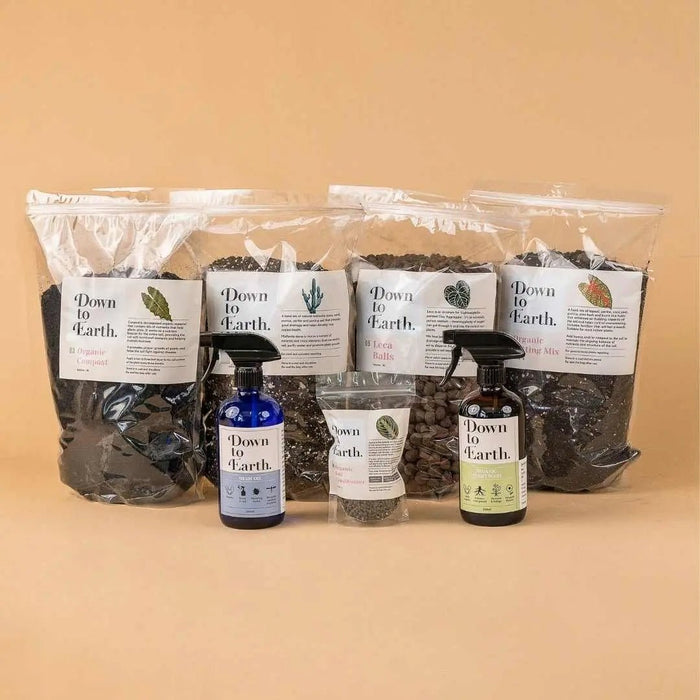
Down to Earth. 07 Coco Coir
A stocked plant-care substrate for adjusting moisture, texture and airflow in indoor potting mixes.
Shop Now
Down To Earth. 08 Coco Peat
A stocked plant-care substrate for adjusting moisture, texture and airflow in indoor potting mixes.
Shop Now
Down To Earth. 09 Coco Chips
A stocked plant-care substrate for adjusting moisture, texture and airflow in indoor potting mixes.
Shop NowCommon mistakes to avoid
Using coco peat as the whole mix
Fine coco peat can hold a lot of water. In a humid home, using too much may keep roots wet for longer than expected.
Ignoring drainage holes
No substrate can fix a sealed pot that traps water at the bottom. Keep plants in a draining inner pot if you like decorative cover pots.
Changing every plant at once
Test a blend on one or two plants first. Watch how quickly the pot dries in your actual home before using the same mix everywhere.
Repotting stressed plants too aggressively
If a plant is already yellowing or dropping leaves, check light, watering and root health before moving it into a much larger pot.
FAQ
Is coco coir good for indoor plants?
Yes, when used as part of a balanced potting mix. It helps with moisture retention and texture, but most plants still need drainage and airflow.
Is coco peat the same as coco coir?
They are related coconut-husk materials, but coco peat is finer and usually holds more water. Coco coir fibre is broader as a base, while coco chips are chunkier for airflow.
Can I use coco chips for monstera and philodendron?
Yes. Coco chips can help create a chunkier, airier mix for many climbing tropical plants. Blend them with other suitable components rather than using them as the only material.
Do coco substrates prevent overwatering?
No. They can improve the mix structure, but overwatering is still possible if the pot has poor drainage or you water before the mix has dried enough for that plant.
Explore more plant care essentials or browse indoor plants to match the right substrate with the right plant.