
















Cordyline Care in Singapore: How to Grow Colourful Ti Plants in Bright Homes
Posted on July 31 2026
Colourful Cordylines are made for Singapore homes that get strong filtered light, morning sun or a bright balcony. Their burgundy, pink and lime-green leaves bring more colour than many standard foliage plants, but they do best when you treat them as bright-light tropical plants rather than low-light desk plants.
This guide covers how to care for Cordyline Burgundy and Cordyline Kiwi in Singapore’s warm, humid conditions.
Quick care summary
- Light: Bright indirect light, filtered balcony light or gentle morning sun. Avoid deep shade.
- Water: Water when the top layer of mix starts to dry; do not leave the pot sitting in water.
- Humidity: Normal Singapore humidity is helpful, but airflow still matters.
- Best spot: A bright window, sheltered balcony, corridor with strong daylight or patio corner protected from harsh afternoon sun.
- Care level: Easy to moderate, mainly because colour fades when light is too weak.
How much light does Cordyline need?
Cordyline colour is closely tied to light. In a dim corner, burgundy leaves can turn dull and greenish, while variegated Cordyline Kiwi may lose contrast. Choose a spot with a clear view of the sky, a bright window, or a sheltered balcony where the plant gets strong ambient light without being baked all day.
Morning sun is usually useful. Harsh west-facing afternoon sun can scorch leaves, especially if the plant was grown under softer nursery light, so acclimate it gradually over one to two weeks.
Watering Cordyline in Singapore
Singapore’s humidity slows drying in some homes, while balconies and windy corridors can dry pots much faster. Instead of watering on a fixed schedule, check the mix. Water thoroughly once the top few centimetres feel lightly dry, then let excess water drain away.
If you are unsure, a simple moisture meter can help you understand how quickly your pot dries in its actual spot. It is especially useful for deeper decorative planters where the surface may feel dry while the lower mix is still wet.
Soil, pot and drainage
Cordylines prefer a loose, free-draining potting mix that still holds a little moisture. A quality indoor mix such as Down To Earth Organic Potting Mix works well when paired with a drainage-friendly pot. If styling the plant inside a decorative cover pot, keep the nursery grow pot inside and remove it for watering so excess water can drain fully.
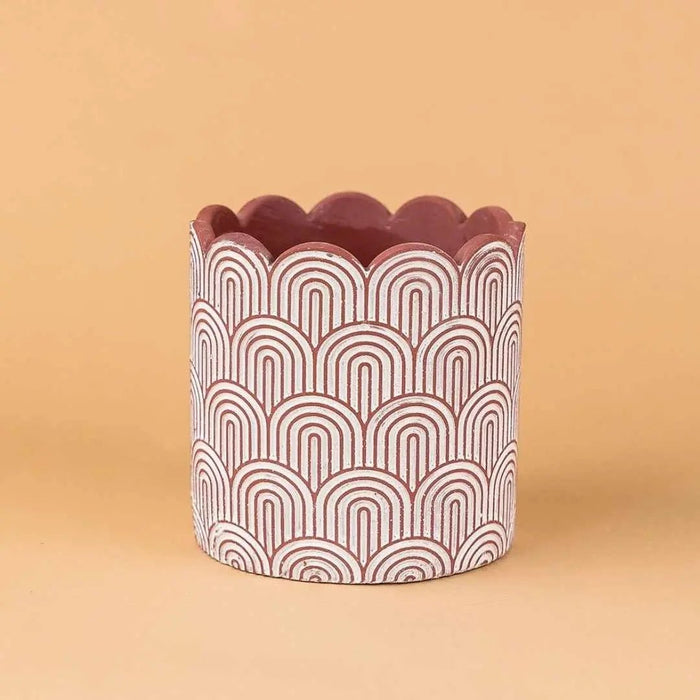
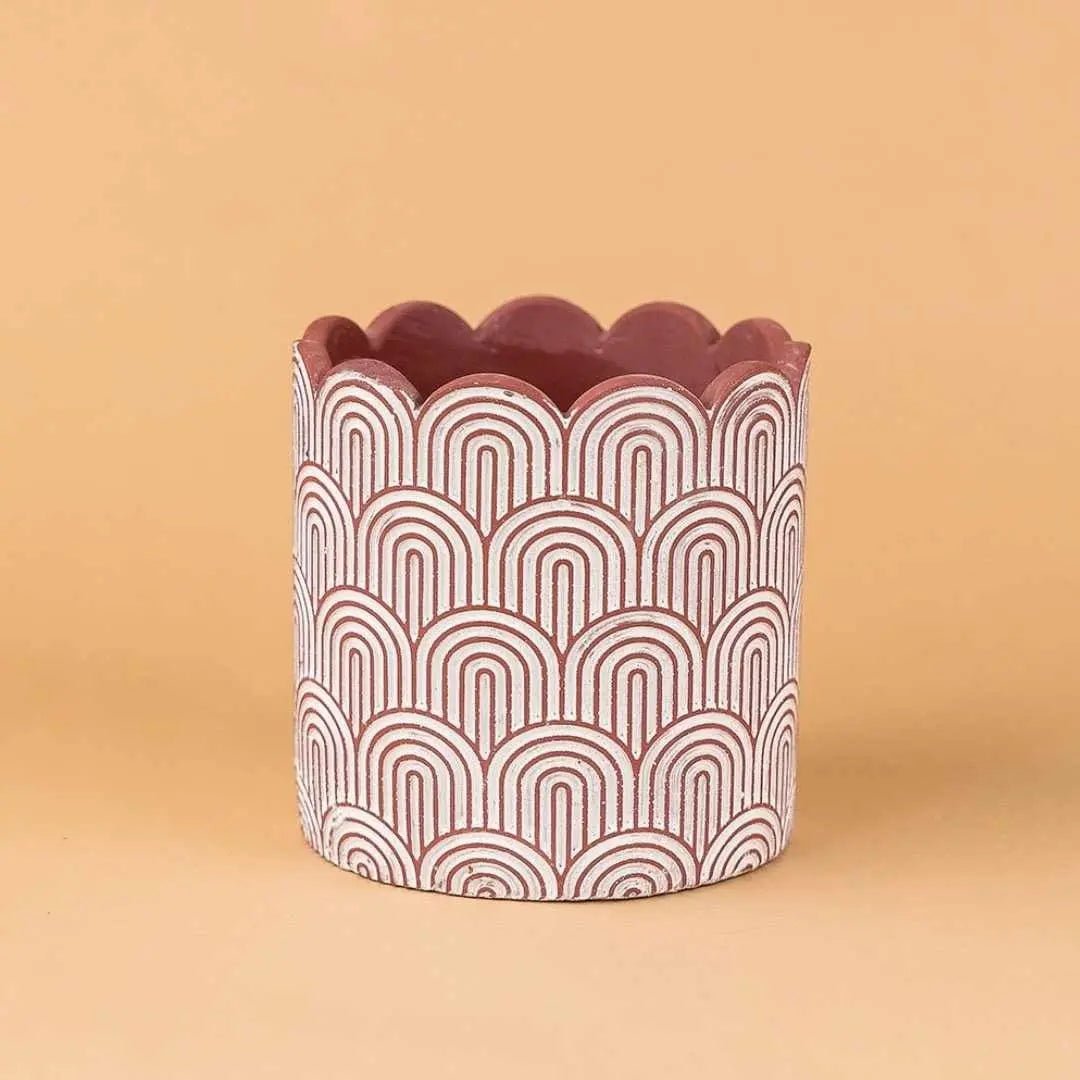
For a clean indoor look, pair the plant with a stable decorative pot such as Aria Pots, but avoid letting water collect at the bottom after each watering.
Indoor vs balcony placement
Cordyline can work indoors if the room is genuinely bright. If your home has tinted windows, a deep corridor or only overhead office lighting, the plant may survive but lose its best colour. A sheltered balcony, bright entrance or sunny kitchen window is often better.
Outdoors, protect it from constant heavy rain if the potting mix stays wet for days. Good drainage and airflow help reduce root stress, fungal marks and soft stems.
Common Cordyline problems
Leaves turning dull or green
This usually means light is too weak. Move the plant closer to a bright window or into stronger filtered light gradually.
Brown crispy leaf tips
Possible causes include underwatering, dry wind, salt build-up from fertiliser or inconsistent watering. Flush the mix occasionally, trim only the dry edges, and keep watering more even.
Yellow lower leaves
Some older lower leaves naturally age. If several leaves yellow at once and the soil stays wet, check drainage and reduce watering frequency.
Leaf scorch or bleached patches
This is usually too much direct sun too quickly. Shift the plant slightly back from harsh afternoon rays and acclimate more slowly.
Best Cordyline options at Tumbleweed
- Cordyline Burgundy — deep wine-toned foliage for a bold, tropical look.
- Cordyline Kiwi — brighter variegated leaves for homes that need a lift of colour.
You can browse more bright-light and balcony-friendly options through Bright Light Plants, Outdoor Plants and Balcony Plants. For supplies, see Plant Care and Planters.
FAQ
Can Cordyline grow in low light?
It is not the best choice for low light. Cordyline needs bright conditions to keep strong colour and compact growth.
Can Cordyline take direct sun in Singapore?
Gentle morning sun is usually fine. Strong afternoon sun should be introduced gradually and may still scorch leaves on exposed balconies.
How often should I water Cordyline?
Check the potting mix rather than following a fixed day count. Water when the top layer starts to dry, then drain excess water fully.
Is Cordyline pet-safe?
Cordyline is generally not considered a pet-safe chew plant. Keep it away from curious pets and children, especially if they nibble leaves.
With bright light, steady watering and a free-draining pot, Cordyline is one of the easiest ways to add long-lasting tropical colour to a Singapore home or balcony.