


























Curry Leaf Plant Care in Singapore: How to Grow Fragrant Leaves on a Sunny Balcony
Posted on July 18 2026
A curry leaf plant is one of the most rewarding edible plants to grow in Singapore if you have a sunny balcony, corridor-facing window or bright outdoor ledge. The leaves are fragrant, the plant stays manageable in a pot, and it suits our warm climate much better than many cool-weather herbs.
The important thing is to treat it as a sun-loving small tree, not as a low-light kitchen herb. Give it enough brightness, let the soil breathe, and prune lightly so it stays leafy instead of becoming tall and sparse.
Why curry leaf plants suit Singapore homes
Curry leaf plants, also known botanically as Murraya koenigii, enjoy warmth and bright conditions. In Singapore, that makes them a good fit for balconies, service yards and sunny window areas where delicate indoor foliage plants may struggle with heat.
If you are building a small edible balcony garden, start with a live Medium Curry Leaf Plant, then pair it with other practical kitchen favourites such as mint, chilli or pandan. You can browse more options in the Balcony Plants and Outdoor Plants collections.
Best light for curry leaf plants
Place your curry leaf plant where it receives several hours of bright light each day. Morning sun is ideal because it is strong enough to support healthy growth but gentler than harsh late-afternoon heat. A bright balcony, sunny service yard or east-facing window is usually better than a deep indoor shelf.
If the plant stretches, drops older leaves or produces weak pale growth, it may need more light. Move it gradually rather than shocking it with a sudden full-sun position. If your balcony receives intense west-facing sun, provide some airflow and avoid letting the pot dry out completely during hot spells.
How often to water in Singapore
Water when the top layer of potting mix feels dry, then water thoroughly until excess drains from the bottom of the pot. Curry leaf plants dislike sitting in soggy soil, especially if the pot has poor drainage. Constantly wet roots can lead to yellowing leaves, weak growth and root problems.
In hot, windy or very sunny positions, you may need to water more often. In rainy periods or if the plant is placed in a shaded balcony, the mix may stay damp for longer. A simple moisture meter can help new plant owners avoid guessing, but your finger check is still useful: dry on top, slightly moist below is usually a good target.
Potting mix and drainage
Use a free-draining potting mix that holds some moisture but does not become heavy and compacted. A quality organic mix such as Down To Earth Organic Potting Mix works well when paired with a pot that has drainage holes. Avoid decorative containers with no drainage unless the nursery pot can be lifted out for watering.
If you are repotting, move up only one pot size at a time. An oversized pot can hold too much wet soil around the roots. After repotting, keep the plant in bright filtered light for a few days while it settles, then return it to its usual sunny spot.
Pruning for fuller growth
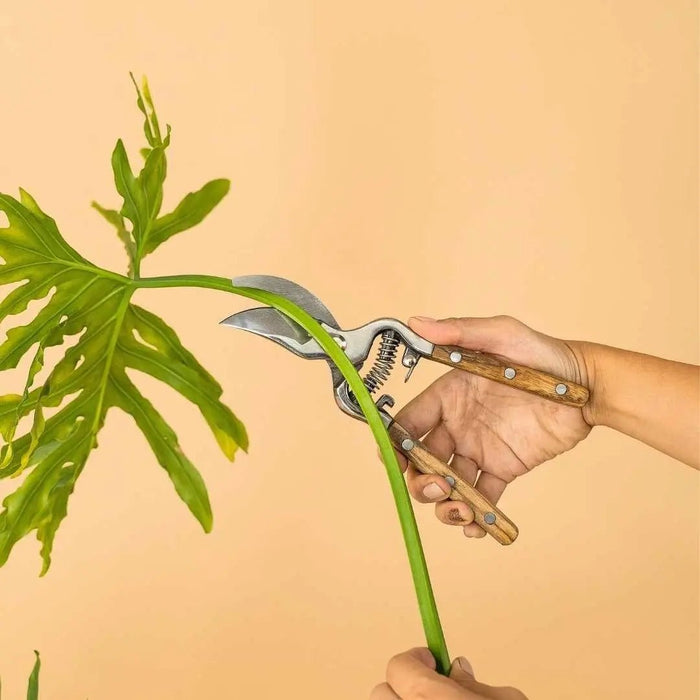
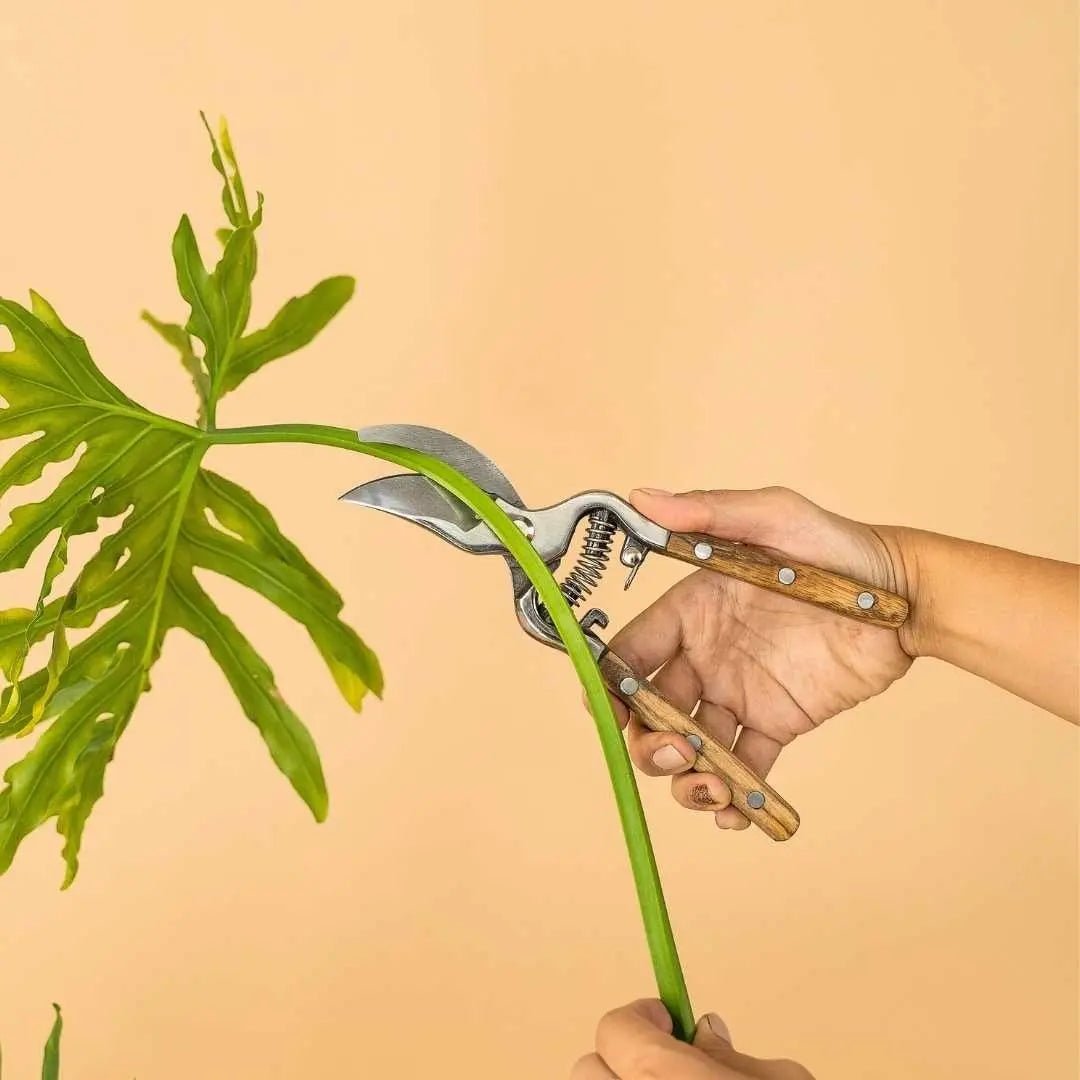
Regular light pruning encourages a bushier curry leaf plant. Instead of waiting until the plant is very tall and bare, trim the growing tips once it has settled and is actively producing new leaves. This helps side shoots develop and makes the plant easier to harvest from.
Harvest modestly, especially from a young plant. Take a few sprigs at a time and allow the plant to regrow. If you remove too many leaves at once, the plant may slow down because it has less foliage for photosynthesis.
Common curry leaf plant problems
- Yellow leaves: often caused by overwatering, poor drainage or a sudden change in light.
- Leaf drop: can happen after moving the plant, after underwatering, or when light is too low.
- Leggy growth: usually means the plant needs brighter conditions and light pruning.
- Dry crispy edges: may come from missed waterings, strong afternoon sun or a very windy balcony.
Where to place it at home
For most Singapore homes, the best placement is a bright balcony, sunny service yard or window area with strong indirect light plus a few hours of gentle sun. Keep it away from air-conditioner drafts and do not hide it in a dark kitchen corner just because it is an edible plant.
For more supplies, browse Plant Care, Planters and the broader Plants collection.
FAQ: Curry leaf plant care in Singapore
Can curry leaf plants grow indoors?
They can grow near a very bright window, but they usually perform better on a sunny balcony or bright outdoor ledge. If your indoor spot is dim, growth may become weak and sparse.
How often should I water a curry leaf plant?
Check the top layer of soil. Water when it feels dry, then let excess water drain away. In bright outdoor positions, this may be more frequent than for indoor foliage plants.
Why is my curry leaf plant dropping leaves?
Leaf drop can be a response to low light, inconsistent watering, repotting stress or a sudden move. Stabilise the routine first: bright light, good drainage and steady watering.
Is a curry leaf plant beginner-friendly?
Yes, if you have enough sunlight. It is easier in a bright balcony setting than in a dark indoor corner. New plant owners should focus on drainage, sun and light pruning.