

















English Ivy Care in Singapore: How to Keep Fresh Green Vines Indoors
Posted on August 28 2026
English Ivy is loved for its trailing green leaves, soft cottage feel and ability to dress up shelves, ledges and hanging corners. In Singapore homes, the main trick is not warmth — we already have plenty of that — but balancing bright filtered light, steady moisture and airflow so the vines stay fresh instead of sparse or crispy.
Quick care snapshot
- Best light: bright, indirect light; avoid harsh afternoon sun through hot windows.
- Watering: keep lightly moist, but never soggy. Water when the top layer begins to feel dry.
- Humidity: average Singapore indoor humidity is usually enough, but air-conditioned rooms need closer checks.
- Growth habit: trailing vines that can be trimmed, trained or refreshed easily.
- Pet note: keep ivy away from curious pets and children.
Table of contents
- Light for fuller vines
- Watering English Ivy in Singapore
- Humidity, airflow and air-conditioning
- Pruning, training and styling
- Repotting and soil
- FAQ
Light for fuller vines
English Ivy grows best in bright indirect light. A spot near a window with filtered daylight, a bright corridor, or a shelf that receives soft morning sun can work well. If the plant sits too far from a light source, the spaces between leaves may stretch and the vines can look thin. If it receives direct hot afternoon sun, leaves may scorch or dry at the edges.
For many Singapore apartments, a practical starting point is a north- or east-facing window area, or a bright living room where sunlight is softened by curtains. Rotate the pot every week or two so growth stays even on all sides.

Watering English Ivy in Singapore
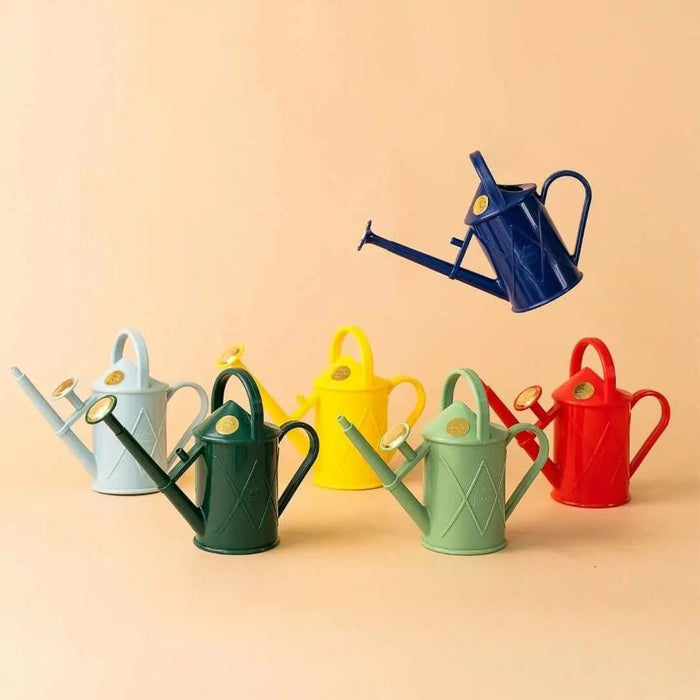
English Ivy prefers a steady routine: lightly moist soil, then a small dry-down before the next watering. Before watering, touch the top 2–3 cm of potting mix. If it feels dry or barely cool, water thoroughly until excess drains out. If it still feels wet, wait another day or two.
The biggest mistake is letting the pot sit in water. Singapore humidity can slow evaporation, especially in decorative cover pots, so always check that the nursery pot drains freely and empty any saucer after watering. Yellowing lower leaves, sour-smelling soil or soft stems can indicate the roots are staying too wet.
Humidity, airflow and air-conditioning
English Ivy is generally comfortable in normal indoor humidity, but air-conditioned bedrooms and offices can dry the pot faster than expected. Instead of misting heavily, focus on consistent watering checks and gentle airflow. A room that feels stuffy and damp can encourage leaf issues; a room with light air movement helps the foliage stay cleaner.
If leaves become crispy, review the full setup: light intensity, watering frequency, air-conditioning, and whether the plant is sitting near a hot window or cold air stream. One symptom can have several causes, so adjust gradually rather than changing everything at once.
Pruning, training and styling
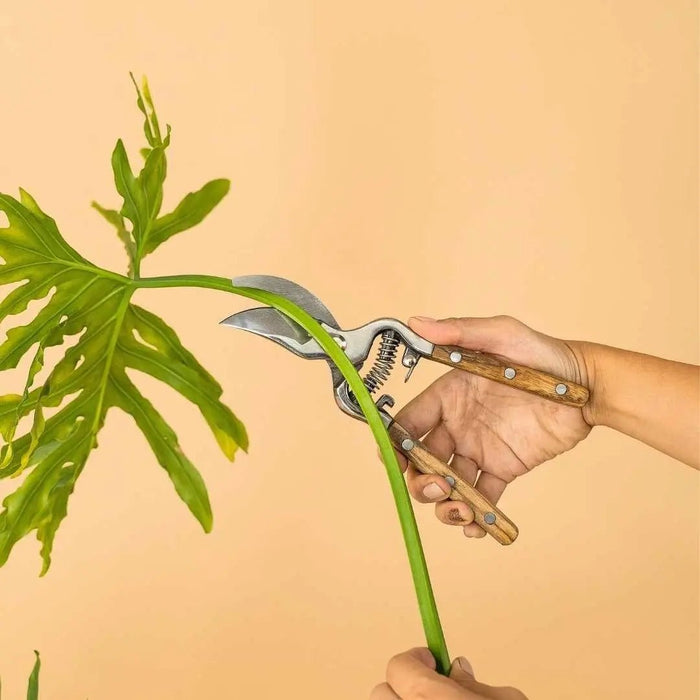
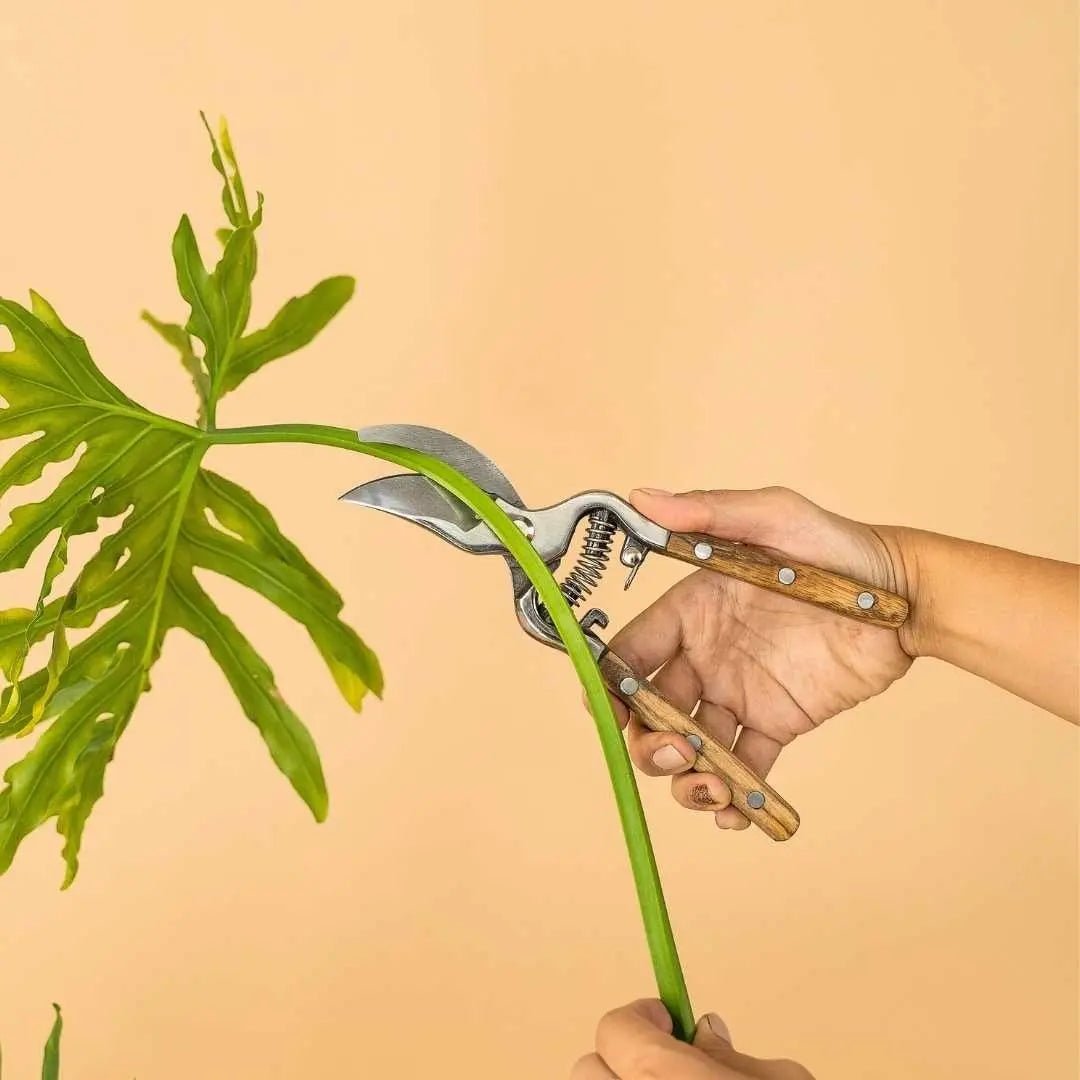
Regular trimming keeps English Ivy looking dense. Snip long, bare or uneven vines just above a leaf node to encourage branching. You can let it cascade from a shelf, train it around a small support, or place it in a hanging planter where the vines can fall naturally.
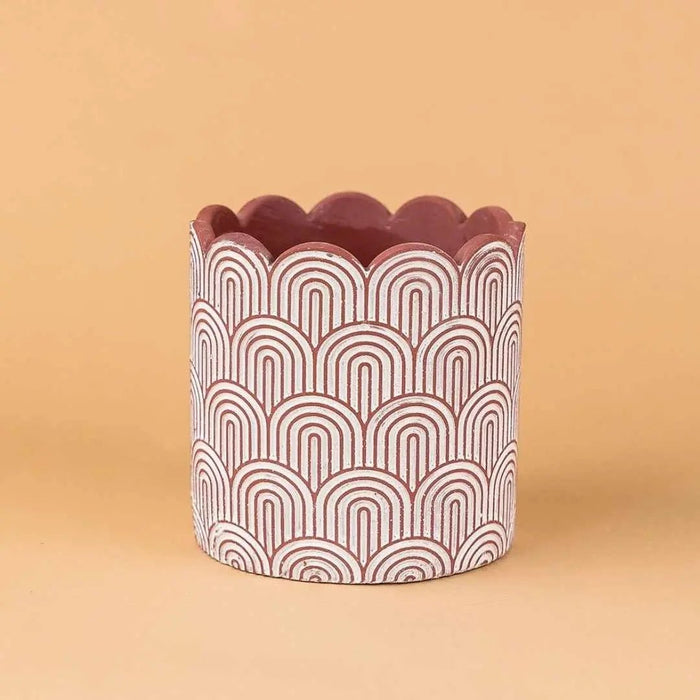
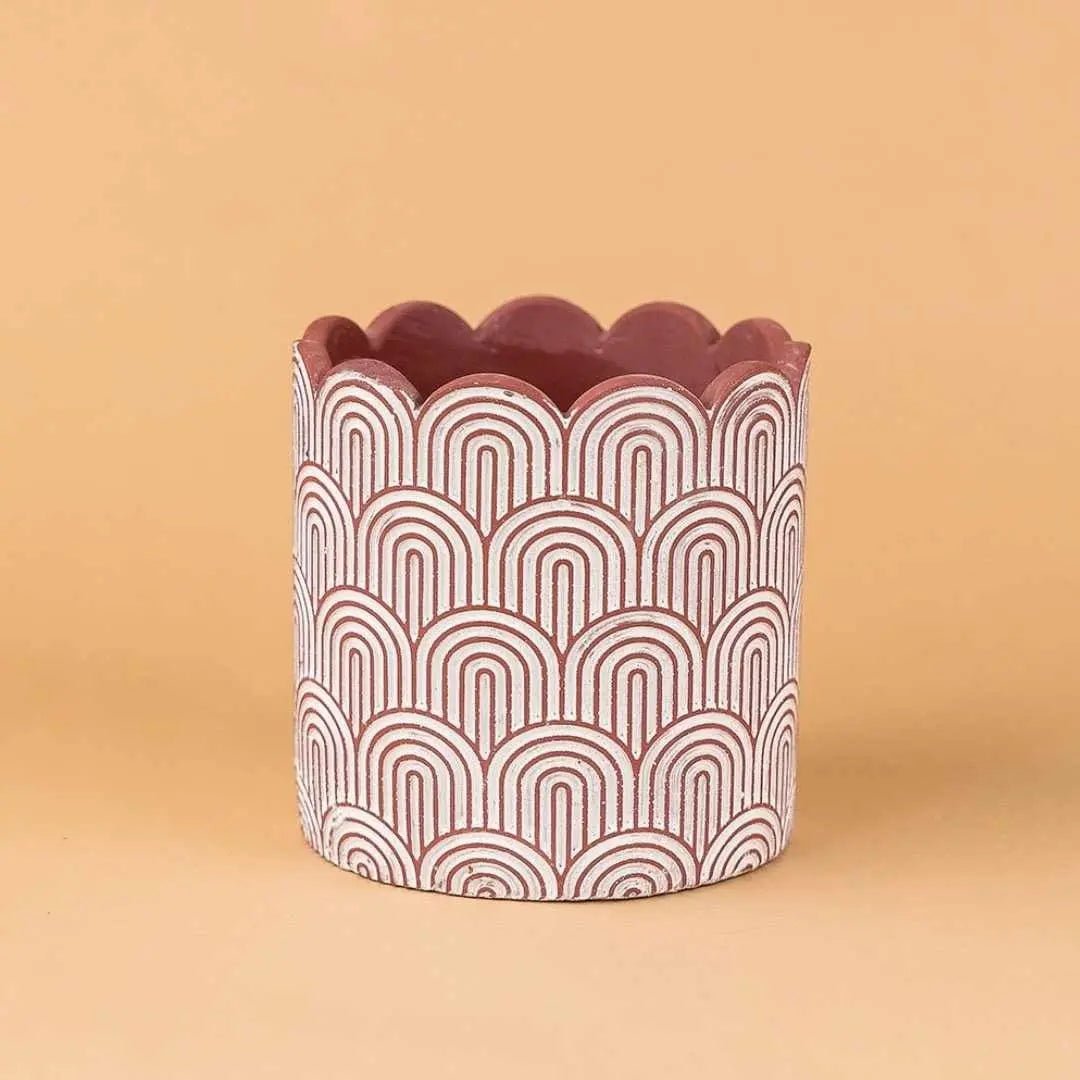
For small Singapore homes, English Ivy is especially useful because it adds softness without taking up much floor space. Pair it with a simple pot, keep the vines away from walkways, and trim any stems that start reaching into curtains or electronics.
Shop the plant
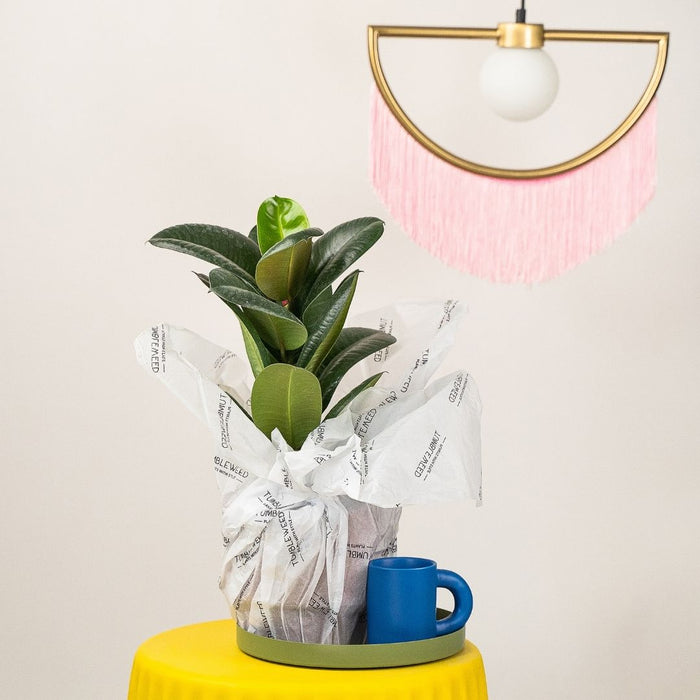
English Ivy Medium Plant is currently available as a trailing indoor plant option for bright indoor corners.
Repotting and soil
Repot when roots are circling tightly, water runs straight through the pot, or the plant dries much faster than it used to. Choose a pot with drainage and avoid upsizing too dramatically; a slightly larger pot is usually enough. A light, well-draining indoor potting mix is better than a heavy, compacted medium.
After repotting, keep the plant in stable bright indirect light and avoid feeding immediately if it looks stressed. Let it settle first, then resume normal care once new growth appears.
Common English Ivy problems
- Leggy vines: usually too little light. Move closer to bright filtered daylight and prune back sparse stems.
- Yellow leaves: often overwatering or poor drainage. Check the soil before watering again.
- Crispy edges: can come from hot sun, underwatering, or dry air-conditioning.
- Sticky leaves or pests: isolate the plant and inspect leaf undersides and stems before treating.
Simple styling ideas
- Place English Ivy on a bright bookshelf so vines trail down naturally.
- Use it on a plant stand to soften a bare corner without adding a large floor plant.
- Pair it with other texture-rich indoor plants from the plants collection.
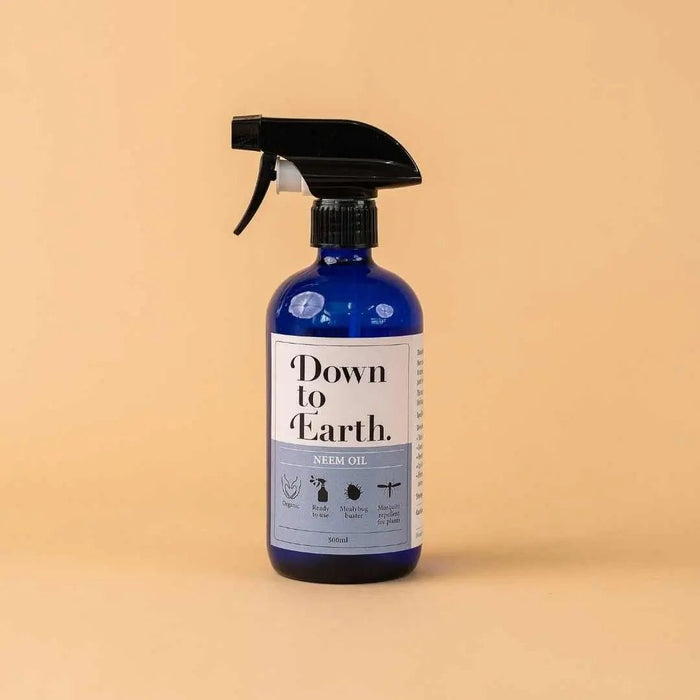
- Keep basic supplies handy from the plant care collection for watering, pruning and repotting days.
FAQ: English Ivy care in Singapore
Can English Ivy grow in low light?
It can tolerate lower light for a while, but growth is usually fuller in bright indirect light. If vines become long and sparse, move it nearer to filtered daylight.
How often should I water English Ivy?
There is no fixed number of days. Check the top 2–3 cm of soil and water when it starts to feel dry. Air-conditioning, pot size and light level all change the timing.
Is English Ivy good for hanging pots?
Yes. Its trailing habit makes it well suited for shelves and hanging planters, as long as the spot has enough bright indirect light and the pot drains well.
Is English Ivy pet-safe?
English Ivy should be kept away from pets and children who may chew leaves. Choose a higher shelf or hanging position if needed.
Build a softer green corner
Browse more indoor plants and plant care essentials for Singapore homes at Tumbleweed Plants.