




















Plant Tonic for Indoor Plants in Singapore: When to Use a Light Booster at Home
Posted on August 08 2026
Plant Tonic for Indoor Plants in Singapore: When to Use a Light Booster at Home
Indoor plants in Singapore grow in a very specific rhythm: warm rooms, high humidity, air-conditioning at night, and homes where light can shift dramatically between bright windows and shaded corners. A plant tonic or light booster is not a magic fix, but it can be a helpful support when your plant is otherwise cared for well and simply needs a gentle nudge.
Table of contents
- What a plant tonic does
- When to use a light booster
- When not to use it yet
- A simple Singapore routine
- FAQ
What is a plant tonic?
A plant tonic is a supportive care product used alongside the basics: good light, appropriate watering, drainage, and occasional feeding. For indoor plants, it is best thought of as a gentle growth-support step rather than a replacement for fertiliser or better placement.
The Down To Earth. Light Booster Tonic – Indoor Growth Support is designed for indoor growth support, especially where homes feel slightly dimmer than a plant’s ideal environment. It fits well into a care routine for foliage plants that are alive and stable but not putting out much new growth.

Featured care support
Down To Earth. Light Booster Tonic – Indoor Growth Support for indoor plants that need gentle growth support in Singapore homes.
Shop plant tonicWhen to use a light booster on indoor plants
Use a plant tonic when the plant is not in crisis, but could use extra support. Good examples include:
- Slow but steady plants — your plant is not yellowing or wilting, but new leaves are taking a long time.
- Plants moved into a new home — a tonic can be introduced after the plant has settled for one to two weeks.
- Bright-indirect corners — especially in apartments where windows are filtered by nearby blocks, curtains or balcony shade.
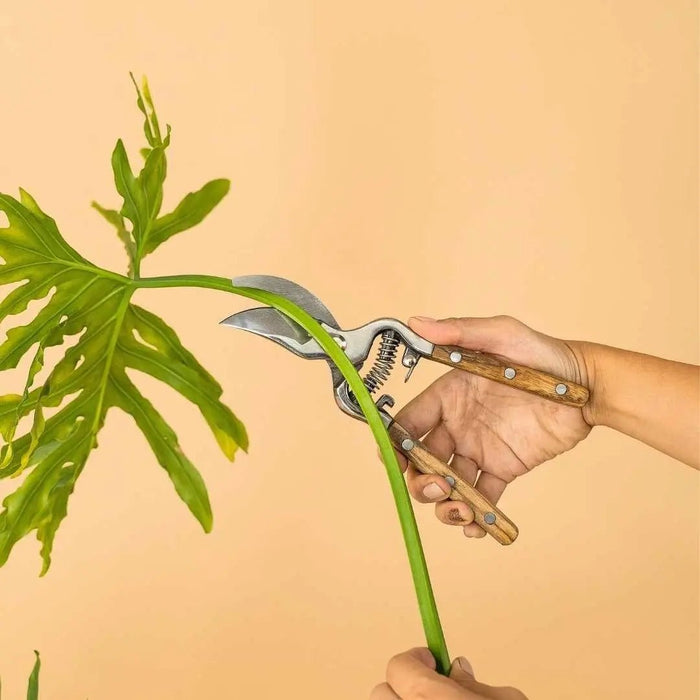
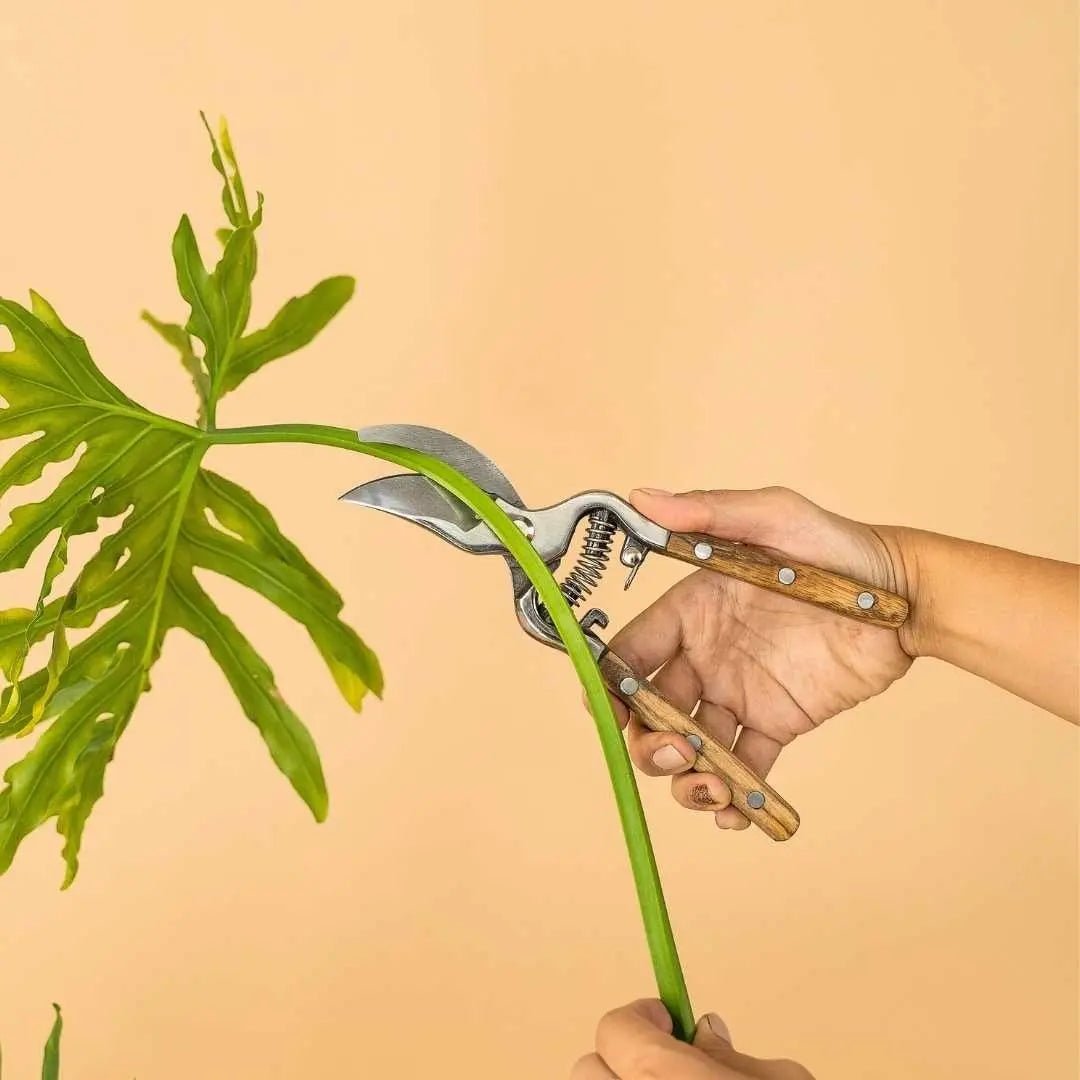
- Post-pruning recovery — after removing tired leaves, support the plant while it redirects energy to fresh growth.
When not to use it yet
If a plant is already stressed, solve the root issue first. Adding more products before checking the basics can make diagnosis harder.
- Mushy stems or constantly wet soil: reduce watering and check drainage before applying anything else.
- Active pests: isolate the plant and treat pests first. Browse plant care supplies if you need pest or cleaning tools.
- Sudden yellowing: check whether the plant is overwatered, underwatered, root-bound or placed in too little light.
- Freshly repotted plants: give the roots time to settle before adding extra care products.
A simple Singapore routine
For most indoor foliage plants, keep the routine simple:
- Place the plant where it receives bright, indirect light for most of the day.
- Water only when the top layer of potting mix feels dry for that plant’s needs.
- Keep excess water from sitting in decorative pots or trays.
- Wipe dusty leaves so they can receive light more effectively.
- Use a tonic according to label directions, then observe the plant for several weeks rather than changing too many things at once.
If your home is genuinely too dim, a tonic will not replace light. Move the plant closer to a window, choose easier low-light plants, or browse all indoor plants to match your space better.
Plant tonic checklist
- ✅ Plant is stable, not rotting or pest-ridden
- ✅ Pot drains well and watering is under control
- ✅ Plant receives at least suitable indirect light
- ✅ You can observe changes slowly over the next few weeks
FAQ
Is plant tonic the same as fertiliser?
Not exactly. Fertiliser focuses on nutrients, while a tonic is best used as supportive care. Follow the product label and avoid stacking multiple feeds at once.
Can I use it on every indoor plant?
Check the product instructions first. As a general rule, use it on healthy, actively growing plants and be more cautious with plants that are newly repotted, waterlogged or visibly stressed.
Will it fix a plant in a dark room?
No care product can fully replace light. If a plant is stretching, leaning or losing variegation, improve placement first.
How quickly will I see results?
Indoor plants usually respond slowly. Watch new leaves, stem firmness and overall colour over several weeks instead of expecting overnight changes.
Build a calmer plant care routine
Shop indoor plants and care essentials that suit Singapore homes.
Browse plant care