























Slow Release Fertilizer for Indoor Plants in Singapore: How and When to Feed
Posted on August 05 2026
Indoor plants grow all year in Singapore, but that does not mean they need constant feeding. In warm, humid homes, a little fertiliser at the right time can support steady leaves, stronger roots and healthier recovery after pruning or repotting. Too much, however, can leave white crust on the soil, burn tender roots or push weak growth when a plant is already stressed.
This guide explains how to use slow release fertiliser for common indoor plants in Singapore, when to feed, when to pause, and how to pair feeding with light, watering and fresh potting mix.
What slow release fertiliser does
Slow release fertiliser is designed to feed gradually instead of delivering a strong dose all at once. Depending on the formula, nutrients are released over time as the granules sit in the potting mix and are activated by normal watering.
For busy plant parents, this makes feeding easier to manage than frequent liquid feeds. It is especially helpful for stable indoor plants such as pothos, philodendrons, monsteras, ficus, palms, aglaonemas, dracaenas and many balcony foliage plants that are already receiving enough light to grow.
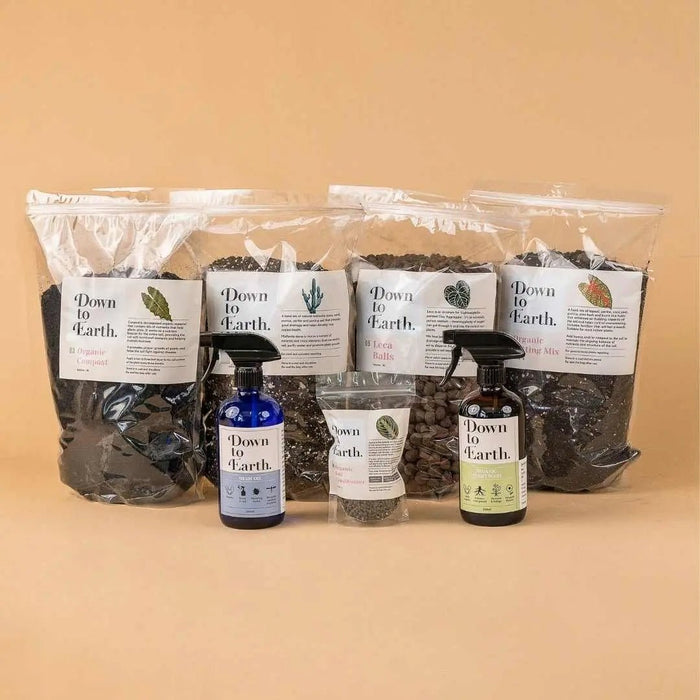
At Tumbleweed, the stocked option for this job is Down To Earth. 06 Slow Release Fertilizer. You can also browse more plant-care basics in the Plant Care collection.
When indoor plants in Singapore actually need feeding
Singapore does not have a cold winter dormancy, but indoor plant growth still moves in cycles. A plant may slow down when it sits far from a window, after repotting, during a pest problem, or when roots are staying too wet.
Feed when you see signs of active growth: new leaves, longer vines, fresh shoots or roots filling the pot. This is when the plant can use extra nutrients well.
Pause feeding if the plant is dropping leaves, newly repotted, sunburnt, pest-stressed, overwatered, sitting in very low light, or showing soft black roots. Fertiliser supports growth; it does not fix a plant that first needs better light, drainage or watering.
How often should you use slow release fertiliser?
Always start with the instructions on the product label. As a general indoor-plant rule, it is safer to underfeed slightly than to overfeed. Many Tumbleweed customers get good results by feeding lightly during periods of active growth, then waiting to see how the plant responds over the next few weeks.
For small tabletop plants, use a lighter hand. For larger statement plants in bright positions, the plant may use nutrients faster because it is actively producing bigger leaves. If you are unsure, start with less than the maximum recommended amount and increase only after the plant shows healthy new growth.
How to apply it without stressing the plant
- Water first if the mix is very dry. Fertiliser should not be added to bone-dry, stressed roots.
- Sprinkle evenly on the soil surface, keeping granules away from direct contact with the main stem.
- Gently mix into the top layer if the label recommends it, without damaging shallow roots.
- Water normally after application so nutrients can begin moving through the potting mix.
- Monitor the plant for two to three weeks. Look for steady new growth rather than expecting an overnight change.
Feeding is not a replacement for light
If a plant is stretching, leaning or producing smaller leaves, more fertiliser is usually not the answer. It may need brighter indirect light or a better position near a window. Feeding a plant in too little light can create soft, weak growth because the plant cannot photosynthesise enough to use the nutrients well.
Before feeding, check whether the plant is in the right spot for its type. If you are still choosing plants for your home, browse the plants collection and match the plant to the light you actually have.
Common signs of overfeeding
- White or yellowish crust forming on the soil surface or pot rim
- Brown, crispy leaf tips soon after feeding
- Sudden drooping when watering and light have not changed
- Very fast but weak, pale growth
- Soil that smells stale because watering has increased too much
If this happens, pause fertiliser. Flush the potting mix gently if the pot has drainage holes, let excess water drain fully, and resume normal watering only when the top layer has dried appropriately for that plant.
Which plants benefit most?
Slow release fertiliser is most useful for healthy, actively growing foliage plants. Monsteras, pothos, philodendrons, ficus, money trees, palms and aglaonemas often respond well when they have enough light and a free-draining mix.
Use extra caution with cacti, succulents, newly propagated cuttings, plants in closed terrariums, and any plant with root issues. These usually need less feeding and more attention to drainage, airflow and light.
FAQ
Can I fertilise every time I water?
Not with slow release fertiliser. It is made to remain in the potting mix and release gradually. Follow the product label and avoid layering multiple fertilisers at once.
Should I fertilise after repotting?
Usually, wait. Repotting disturbs roots, and many fresh potting mixes already contain some nutrients. Let the plant settle and resume active growth before feeding.
Is fertiliser safe for all indoor plants?
It depends on the plant and the dosage. Healthy foliage plants usually tolerate light feeding well, while stressed plants, succulents and small cuttings need a gentler approach.
What if my plant is not growing even after feeding?
Check light first, then watering and root health. In Singapore homes, many slow-growth issues come from a plant sitting too far from natural light or staying wet for too long.
Used thoughtfully, slow release fertiliser can be a simple way to keep indoor plants growing steadily without turning plant care into a complicated schedule. Start light, feed only healthy plants, and let new growth tell you whether the routine is working.