


















The Complete Houseplant Care Handbook: Everything in One Place
Posted on April 17 2026
In this article

---
This is the post we have been building toward: a single, comprehensive reference that covers every aspect of houseplant care. Whether you are a first-time plant owner trying to understand the basics, or an experienced grower looking for a reliable reference, this guide covers it all.
Bookmark it. Come back to it. Share it with anyone who just bought their first plant and does not know where to start.
A note for Singapore readers: Most houseplant care guides are written for temperate climates with distinct seasons, cold winters, and dry indoor air from heating systems. We have adapted every section below for Singapore conditions — our year-round tropical heat, high ambient humidity, and the realities of HDB and condo living.
---
Part 1: Choosing the Right Plant
The single biggest factor in whether a houseplant thrives is whether it was matched to its environment. A plant in the wrong light — regardless of how well everything else is done — will struggle or fail.
Before buying any plant, answer:
- How much natural light does the space get? In Singapore, the sun angle is near-vertical, so north-facing HDB units get little direct sun; south-facing windows can get intense midday sun; east-facing windows get gentle morning sun; west-facing windows get the strongest afternoon sun.
- What is your watering style? Honest assessment — do you water frequently and attentively, or do you often forget for a week or two? Choose plants that match your actual habits, not your aspirations.
- Do you run air-con constantly? Heavy air-con use lowers indoor humidity significantly, which matters for moisture-loving plants like ferns and calatheas.
- Do you have pets or children? Many popular plants are toxic. If necessary, choose non-toxic varieties or plan placement to keep toxic plants out of reach.
Match plant to environment first. Everything else is secondary.
---
Part 2: Light

Light is the most non-negotiable variable in plant care. You can adjust watering; you can add humidity; you cannot fundamentally change how much light a north-facing room receives (though grow lights can compensate).
Light Level Guide
Low light (north-facing windows, rooms far from windows, HDB units with limited window exposure):
- Best plants: pothos, snake plant, ZZ plant, cast iron plant, heartleaf philodendron, peace lily, Chinese evergreen (dark green varieties), dracaena
Medium indirect light (east-facing windows, a few feet from south/west windows):
- Best plants: most tropical foliage plants, calatheas, ferns, spider plants, aglaonema, most peperomias, philodendrons
Bright indirect light (near but not in south/west windows; east windows with good exposure):
- Best plants: monsteras, rubber plants, bird of paradise, areca palm, anthuriums, hoyas, most flowering plants
Direct sun (south/west windows, open balconies):
- Best plants: cacti, succulents, aloe vera, herbs, some orchids
Signs of Light Problems
Too little light: Leggy stretched growth reaching toward the light; pale, small new leaves; variegated plants reverting to green; very slow or stalled growth
Too much direct sun: Bleached, washed-out leaf color; brown crispy patches on leaf surfaces (sunburn); wilting despite moist soil in hot direct sun
---
Part 3: Watering
More plants die from overwatering than any other cause. The correct approach:
Water when the plant needs it, not on a schedule. Soil drying time varies by pot material, pot size, soil composition, season, temperature, and light level.
The Check Before You Water
For most tropical plants: water when the top 1–2 inches of soil are dry.
For drought-tolerant plants (succulents, cacti, ZZ, snake plant): water when the soil is completely dry.
For moisture-lovers (ferns, calatheas): water when the top half inch is dry.
How to check: The finger test (insert 1–2 inches into soil) or a moisture meter.
How to Water
Water thoroughly until it drains from the drainage holes. This ensures the entire root zone is moistened. Watering "a little" frequently creates shallow roots and inconsistent hydration.
Always empty the saucer within 30 minutes — roots sitting in standing water develop rot.
Singapore Watering Note
In Singapore heat (28–33 degrees C year-round), soil generally dries faster than in temperate climates. However, heavily air-conditioned homes can slow drying considerably. Check before watering rather than following any fixed schedule.
Water Quality
Most plants tolerate Singapore tap water. Sensitive plants (dracaena, spider plant, peace lily, calathea) prefer filtered water or tap water left overnight to help dissipate chlorine and fluoride. Brown leaf tips on sensitive plants are often a fluoride-sensitivity issue.
---
Part 4: Soil

The right soil for a container plant:
- Drains well — roots need air as well as moisture
- Retains some moisture — the right amount varies by plant
- Provides structure — holds the plant in place, supports root growth
Never use garden soil in containers — it compacts severely, eliminates drainage, and harbours pests.
General tropical mix: 60% quality potting mix + 30% perlite + optional 10% orchid bark
Succulents/cacti: 50% cactus mix + 40% perlite + 10% coarse sand or gravel
Orchids: 80% bark + 10% perlite + 10% sphagnum moss
---
Part 5: Fertilizing
Fresh potting mix contains nutrients for 2–4 months. After that, plants in containers depend on you to replenish what they use.
When to fertilize in Singapore: Year-round — there is no winter dormancy here. Plants grow actively in every month of the year, so consistent monthly feeding is appropriate.
How much: Half the dose on the label. Over-fertilizing causes root burn and brown leaf tips.
What to use: Balanced liquid fertilizer (10-10-10 or similar) for most foliage plants. Phosphorus-forward fertilizer for flowering plants.
Frequency: Once a month is sufficient for most houseplants.
---
Part 6: Repotting

Repot when:
- Roots are emerging from drainage holes
- Water runs straight through without absorbing
- The plant is visibly top-heavy and unstable
- Growth has stalled despite adequate light, water, and fertilizer
Best time in Singapore: Any time of year — our climate has no unfavourable repotting season. Spring timing advice in other guides does not apply here.
Pot size: Go up 1–2 inches in diameter only. Oversized pots hold excess wet soil and cause root rot.
Always use pots with drainage holes.
---
Part 7: Humidity
Most tropical plants prefer 50–70% relative humidity. Singapore ambient outdoor humidity is 75–85% — naturally ideal.
The air-con caveat: Running air-con continuously can reduce indoor humidity to 40–50% or lower in heavily sealed units. If your home runs air-con all day and you notice brown crispy leaf edges on moisture-loving plants, this is likely the cause.
Solutions (in order of effectiveness):
- Small room humidifier — most effective, consistent
- Grouping plants together — creates a microclimate
- Pebble tray with water beneath pots — adds 5–10% locally
- Bathroom placement with a window — naturally more humid
- Reducing air-con hours or raising the set temperature slightly
---
Part 8: Temperature
Singapore year-round temperature (26–33 degrees C) is ideal for virtually all tropical houseplants. There are no cold winters to worry about.
The main enemies in Singapore:
- Air conditioning vents blowing directly on plants — the cold, dry blast desiccates foliage and can cause leaf stress
- Temperatures in very cold air-con rooms below 18 degrees C — some tropical plants show stress at these temperatures over extended periods
---
Part 9: Common Problems Reference
| Problem | Most Likely Cause | Fix |
|---------|------------------|-----|
| Yellow leaves | Overwatering | Reduce frequency; check drainage |
| Brown crispy tips | Low humidity or fluoride in water | Filter water; increase humidity |
| Brown crispy edges | Underwatering or very dry air-con air | Water more; increase humidity |
| Drooping despite moist soil | Root rot | Unpot, trim rotted roots, repot |
| Leggy stretched growth | Insufficient light | Move to brighter location |
| Loss of variegation | Insufficient light | Brighter indirect light needed |
| White soil crust | Fertilizer/mineral buildup | Flush soil thoroughly |
| Soft mushy stem | Overwatering/root rot | Emergency repot; trim rotten roots |
| Suddenly dropping leaves | Cold air-con shock or being moved | Stabilize environment; be patient |
| No new growth | Wrong light or nutrients | Check light; consider fertilizing |
---
Part 10: Pests — Early Detection
The best pest management is catching problems before they spread. Inspect leaf undersides during every watering.
Know the signs:
- Fine webbing: spider mites
- White cottony masses: mealybugs
- Brown bumps on stems: scale
- Tiny flies near soil: fungus gnats (overwatering issue)
- Distorted or sticky new growth: aphids
Singapore note: Singapore warm, humid climate means pests can reproduce faster year-round than in temperate regions. Regular inspection is especially important here.
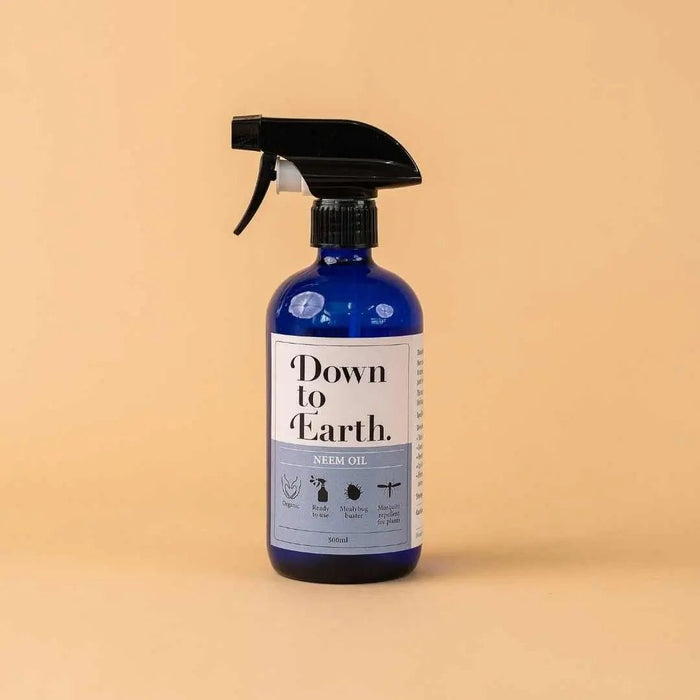
Isolate any affected plant immediately. Most pests respond to neem oil spray, insecticidal soap, or isopropyl alcohol (for mealybugs and scale) applied consistently over 2–3 weeks.
---
Part 11: Year-Round Care in Singapore
Unlike temperate climates, Singapore does not have seasons that require major adjustments. However, there are some patterns:
Drier months (February–April): Slightly lower humidity; outdoor plants may need more frequent watering. A good time to check if humidity-sensitive plants need support.
Monsoon season (November–January and May–July): Higher rainfall and cloud cover can reduce light reaching indoor plants near windows. Watch for signs of insufficient light.
Year-round: Maintain consistent fertilizing, watering by soil feel, and monthly pest checks. Singapore plants do not go dormant.
---
Building a Sustainable Collection
The best plant collections are built around honest self-assessment:
- Match plants to your actual light — not the light you wish you had
- Buy plants that fit your watering habits — not your aspirations
- Start with proven forgiving varieties and add demanding plants as you build confidence
- Grow the collection slowly — one plant cared for well teaches more than ten neglected ones
The goal is not the most plants. It is the most alive plants — a collection where everything is genuinely thriving, and where the act of caring for them fits naturally into your life rather than fighting against it.
---
This guide covers the fundamentals. For deeper dives on specific plants, explore our full care guide library at Tumbleweed Plants Singapore. And when you are ready to add to your collection, browse our plants organised by light level, size, and care difficulty. We ship islandwide.
---
Quick summary
Key Takeaways
- Part 1: Choosing the Right Plant
- Part 2: Light
- Part 3: Watering
- Part 4: Soil
- Part 5: Fertilizing
- Part 6: Repotting
Ready to bring some green into your home?
Browse 250+ hand-picked plants, curated for Singapore homes — delivered to your door.
Browse All Plants →