















Scandi Cloudstone Pot in Singapore: Calm Indoor Styling for Houseplants
Posted on August 30 2026
Indoor plants feel most intentional when the pot, plant and corner work together. This guide shows how to style Scandi Cloudstone Pot pieces for Singapore homes, especially compact HDB flats, condos and bright-but-humid rooms where every shelf or balcony ledge has to earn its space.
Why the planter changes the whole plant corner
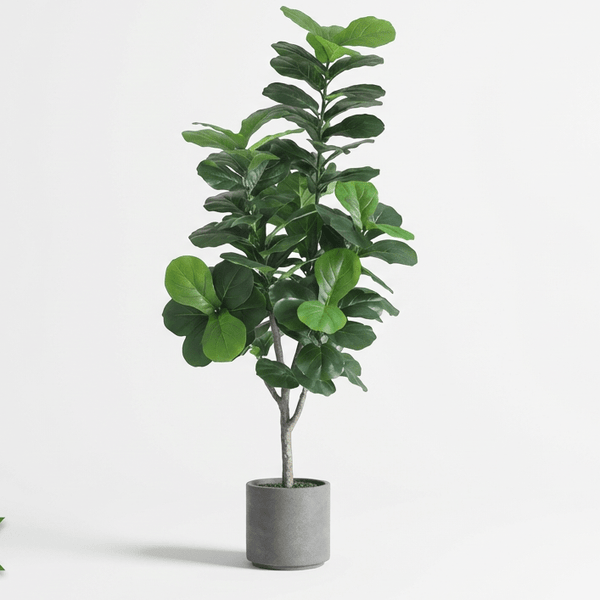
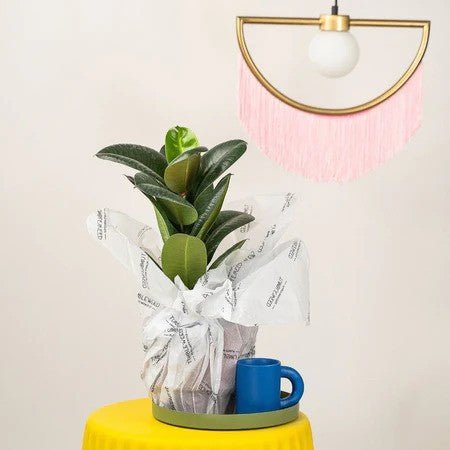
A healthy plant brings the greenery, but the planter sets the mood. A softer ceramic or textured pot can make a Monstera, Ficus, palm or Philodendron feel more like part of the room rather than a loose nursery pot sitting in the corner. For Singapore interiors, this is especially helpful when you want greenery without making a space feel visually busy.
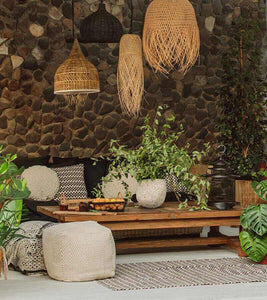
The easiest rule: match the planter to the room first, then choose a plant with the right scale. Warm neutrals suit wood furniture and rattan baskets, while cleaner shapes work well in minimal condos, study rooms and entryways.
How to choose the right size
- Keep the plant in proportion. The planter should look stable under the foliage, not tiny below a wide canopy.
- Leave room for watering. If you are using an outer decorative pot, keep the nursery pot easy to lift out or check.
- Think about height. A taller pot can lift trailing or bushy plants visually; a lower pot keeps statement foliage grounded.
- Do not over-pot unnecessarily. For live plants, move up gradually when repotting rather than jumping to a much larger pot.
Where to place it in a Singapore home
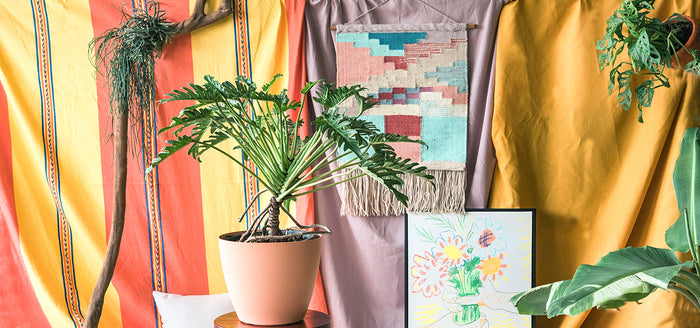
Living room: Use one medium or large plant as the anchor beside a sofa, TV console or window. A simple planter helps the foliage become the feature.
Home office: Choose a neat shape for desks and shelves so the corner feels calming rather than cluttered. Pair with plants that tolerate indoor light conditions.
Balcony or bright window: Match the planter finish to outdoor furniture and check drainage needs carefully, especially after heavy rain or frequent watering.
Bedroom: Keep the arrangement quiet: one plant, one planter, one surface. This works better than crowding several mismatched pots together.
Tumbleweed pieces to browse
Here are current Tumbleweed pieces that fit this styling direction. Availability can change, so always check the product page for live options.

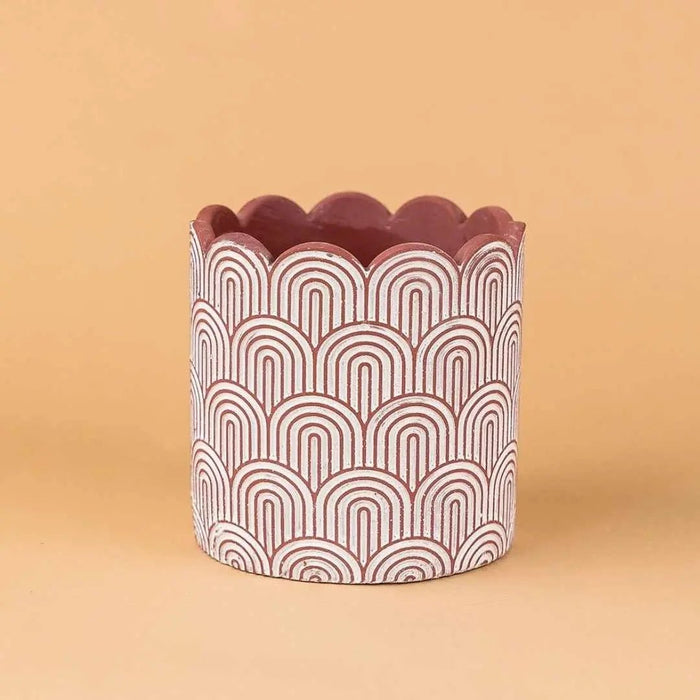
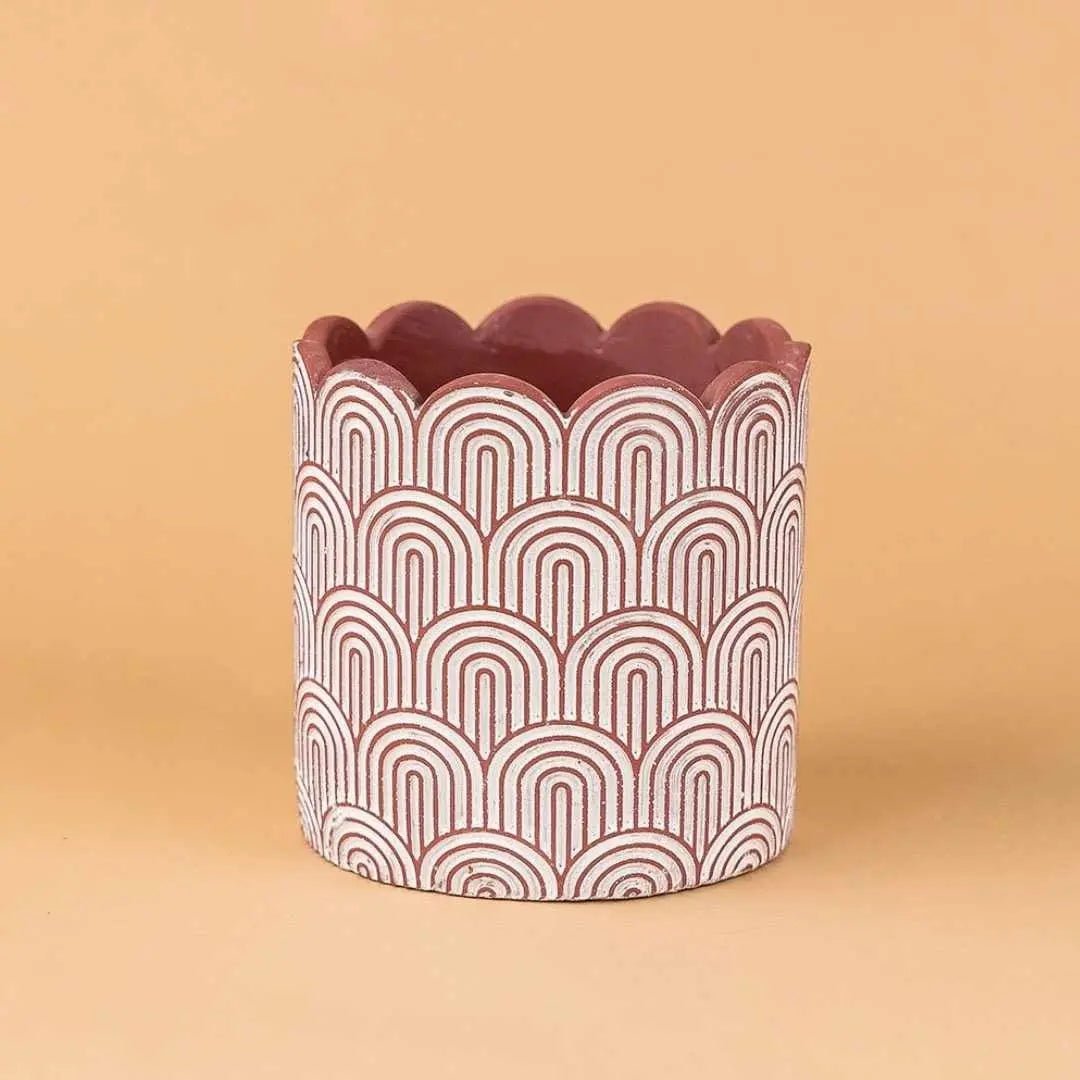
Scandi Cloudstone Pot – M
A live, stocked Tumbleweed piece that works with the styling ideas in this guide.
Shop Now
Scandi Rib Cloudstone Pot – XL
A live, stocked Tumbleweed piece that works with the styling ideas in this guide.
Shop NowQuick styling summary
- Choose a planter that matches your room palette before picking accessories.
- Use one strong plant-and-planter pairing as the anchor for small spaces.
- Keep watering practical: decorative pots should still allow easy plant checks.
- Repeat one material or colour nearby so the plant corner feels intentional.
Best plant pairings
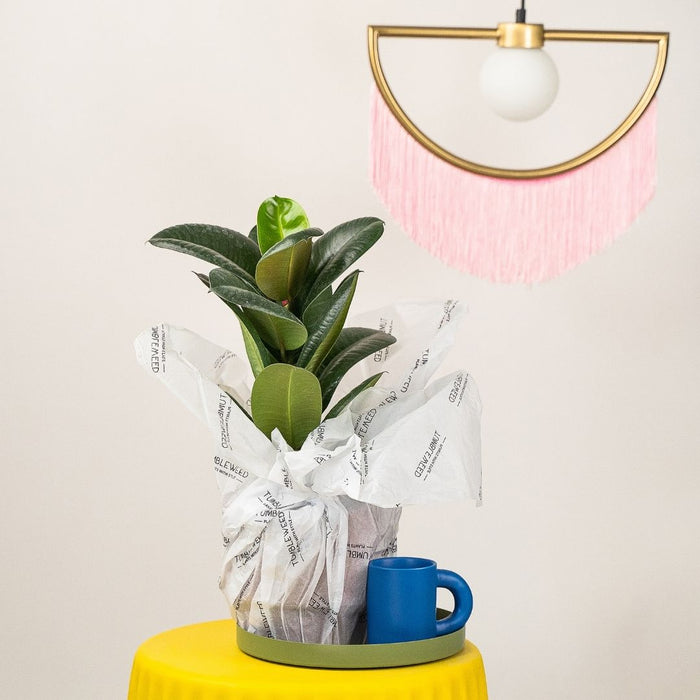
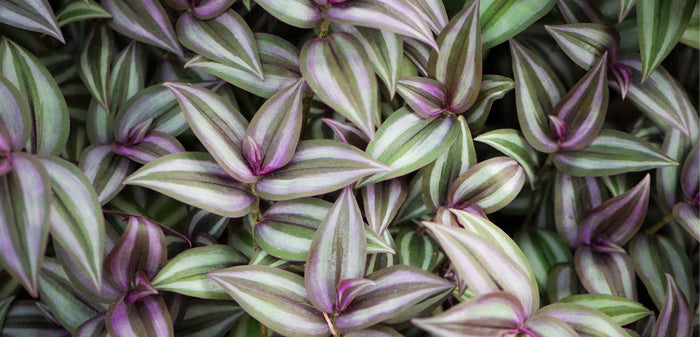
For a sculptural look, pair a clean planter with broad-leaf plants such as Fiddle Leaf Fig, Rubber Plant or Monstera. For a softer corner, try trailing Philodendron, Pothos or Hoya. If your room receives limited natural light, browse lower-light tolerant plants rather than forcing a sun-loving plant into the wrong spot.
Browse indoor plants or explore plant pots and planters to build your own pairing.
FAQ
Can I place the nursery pot inside a decorative planter?
Yes. This is often the easiest setup because you can lift the nursery pot out to water, drain and check the roots without disturbing the decorative pot.
Should every plant pot in a room match?
Not necessarily. Aim for a consistent palette or material family instead. Two or three related tones usually look more natural than a perfectly identical set.
What if my corner is low light?
Choose the plant for the light level first. The planter can style the corner, but it cannot make a high-light plant thrive in a dim room.
Ready to build your plant corner?
Start with a live plant you love, then choose a planter that suits your space.
Browse All Plants