
















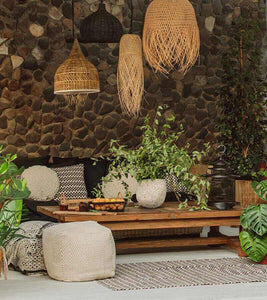



Wooden Plant Stands in Singapore: How to Lift Indoor Plants Without Cluttering the Room
Posted on September 05 2026
Wooden Plant Stands in Singapore: How to Lift Indoor Plants Without Cluttering the Room
In Singapore homes, a plant corner often has to work hard. It may sit beside a sofa, along a narrow balcony door, in a service yard, or in the one bright pocket near a window. A good wooden plant stand helps that corner feel intentional instead of crowded. It lifts the plant, gives the pot room to breathe, and creates a neater visual line without needing more floor space.
This guide covers how to use wooden plant stands for indoor plants in Singapore apartments, especially when you want greenery to feel warm, tidy and easy to live with. It is written for real home conditions: humid air, compact rooms, mixed light levels, and plant collections that slowly grow from one pot to five.
Why lift a plant instead of placing every pot on the floor?
Floor plants can look beautiful, but placing every pot at the same height often makes a corner feel heavy. A stand changes the composition. It raises leaves closer to eye level, separates trailing or broad foliage from the floor, and makes the pot feel like part of the room rather than something squeezed into an empty gap.
- Better visual balance: one lifted plant can soften the line between furniture and wall space.
- Cleaner floor area: stands make sweeping and mopping around the plant corner easier.
- More breathing room: lifting a nursery pot or decorative planter can improve airflow around the base.
- More flexible styling: height lets small and medium plants hold their own beside sofas, consoles and windows.
Best spots for wooden plant stands in Singapore homes
Start with the light, then style around it. Most indoor plants prefer bright, indirect light rather than harsh afternoon sun, so a stand is most useful in areas where it can lift foliage into a brighter but still protected zone.
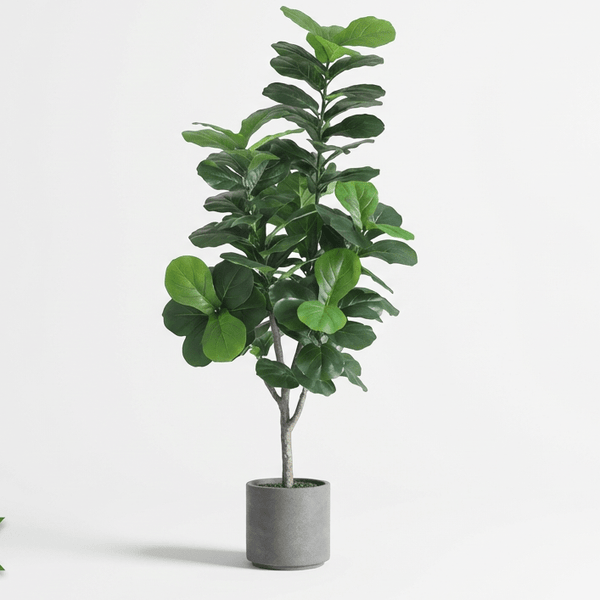
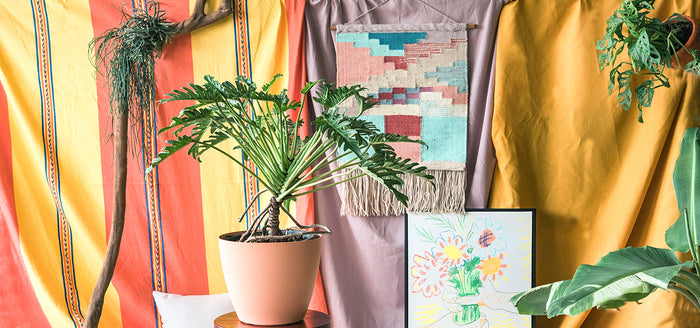
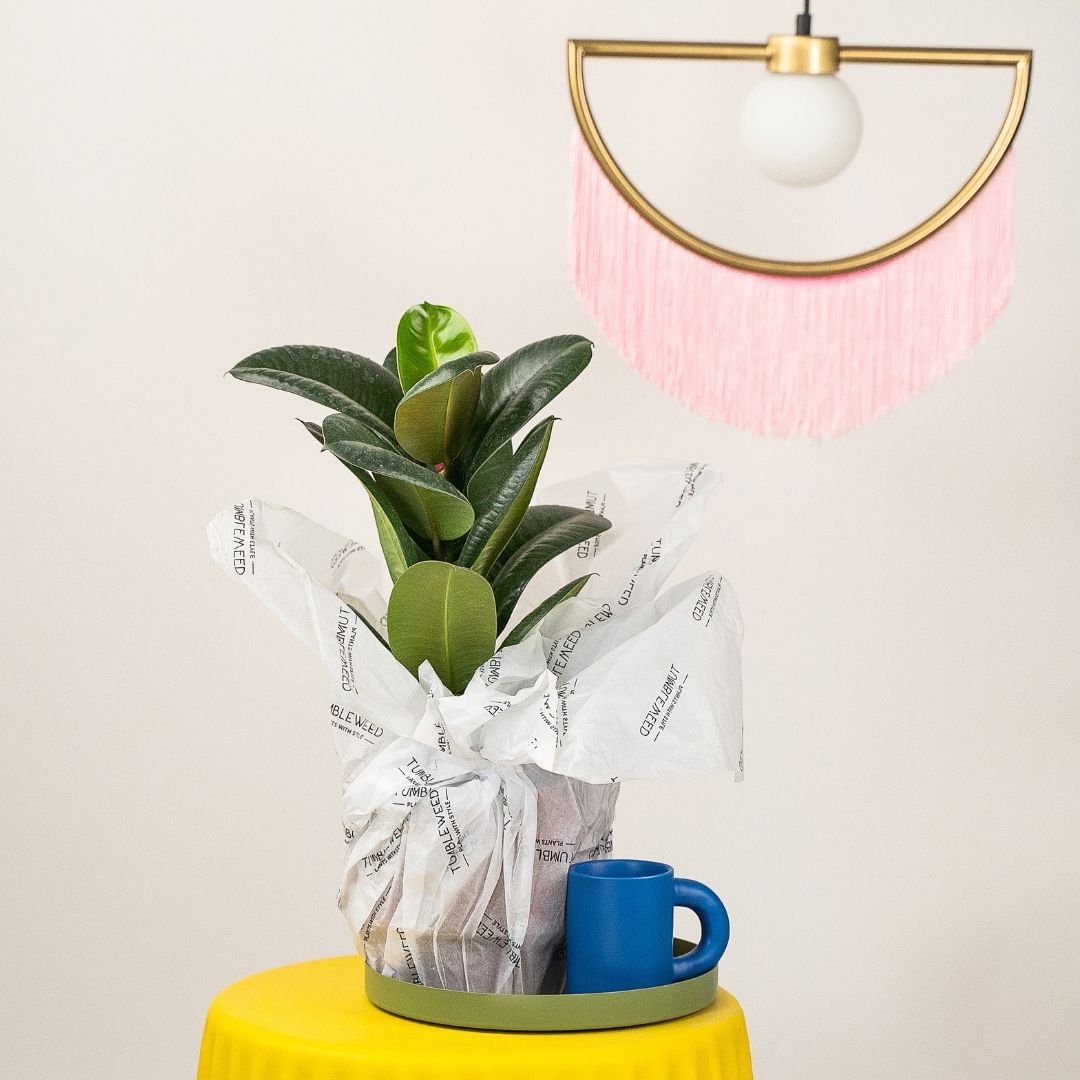
Beside a sofa: A medium-height stand works well when you want a Fiddle Leaf Fig, Rubber Tree, Monstera or Philodendron to frame the room without blocking the walkway. Keep the leaves away from air-conditioner drafts where possible.
Near a window: A wooden stand can help smaller plants reach a better light level, especially if the windowsill is too narrow. Rotate the pot every one to two weeks so the plant grows evenly towards the light.
Balcony doors and service-yard edges: If the area receives filtered brightness, a stand can lift the plant away from splash zones and make the corner feel more finished. Avoid placing untreated wood where it will stay wet after rain.
Entryway corners: Choose a compact plant stand when you want a welcoming green detail without turning the doorway into an obstacle course.
How to choose the right height
The easiest rule is to look at the final height of the plant plus pot plus stand, not the stand alone. A shorter stand suits taller plants because the foliage already brings height. A taller stand is better for compact plants, trailing plants, or smaller pots that need help becoming visible.
- For statement plants: use a low to medium stand so the plant looks grounded, not top-heavy.
- For small leafy plants: use a slightly taller stand to bring them closer to eye level.
- For trailing plants: leave enough drop space so vines can fall naturally without touching the floor immediately.
- For narrow corners: choose a simple shape that keeps the footprint compact.
Pairing wooden stands with pots and planters
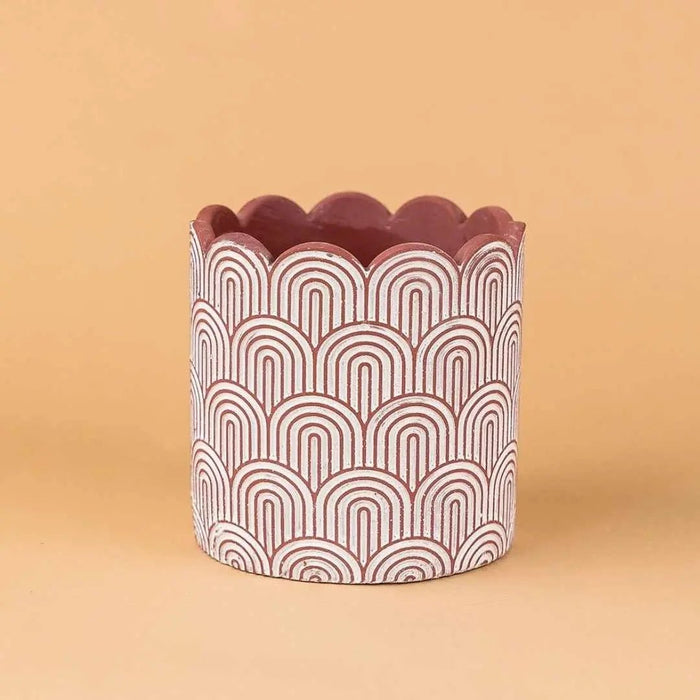
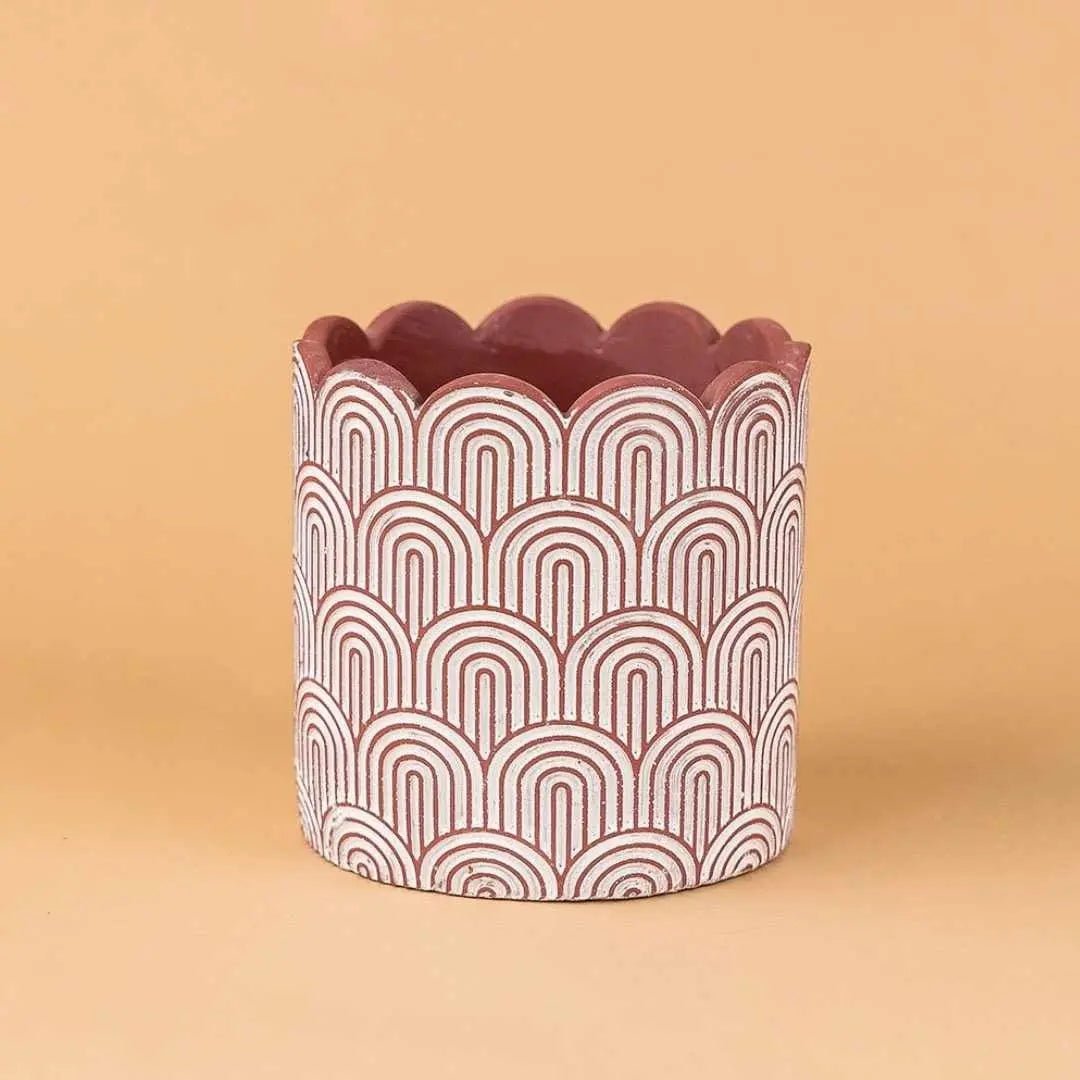
Wood works well because it adds warmth without competing with foliage. In a bright minimalist home, it softens white walls and pale tiles. In a cosy room, it helps plants feel more like furniture. Pair it with a simple ceramic pot for a calm look, a textured planter for character, or a neutral nursery-pot cover when you want the leaves to be the focus.
When matching a pot to a stand, check that the base sits securely and does not wobble. If the plant is top-heavy, use a wider pot or lower stand. For heavy ceramic pots, make sure the stand feels stable before placing it in a high-traffic area.
Plant choices that look especially good lifted
Many indoor plants can work on a stand, but the best choices are plants with a shape worth showing off from the side:
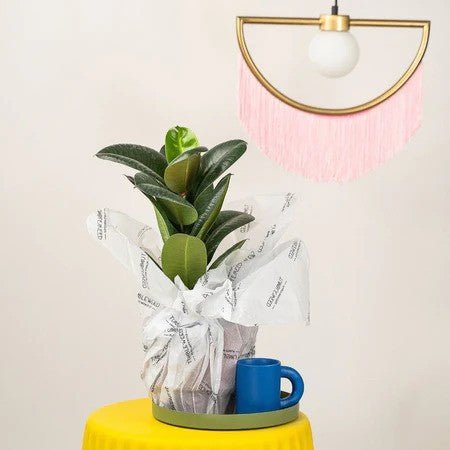
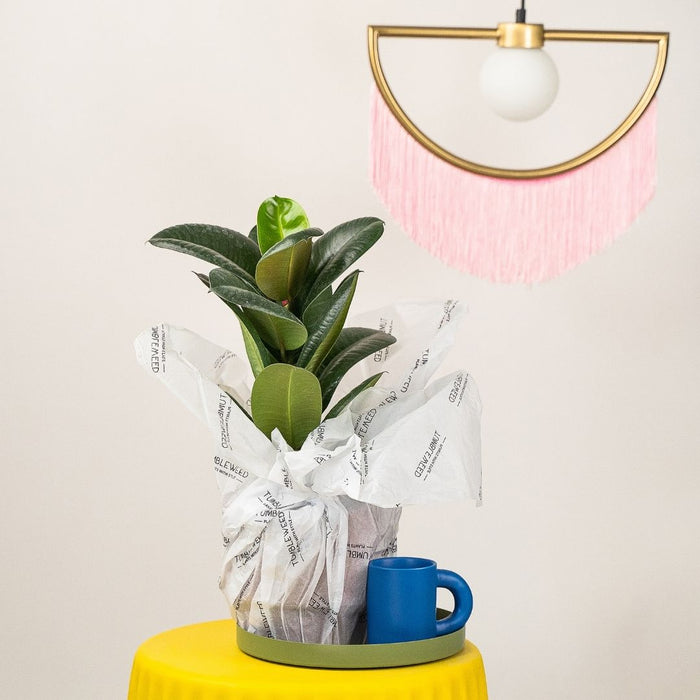
- Fiddle Leaf Fig and Rubber Tree: strong upright leaves create a clean silhouette.
- Monstera and Philodendron: broad foliage brings volume to corners and living rooms.
- Pothos and trailing plants: vines look softer when they have space to fall.
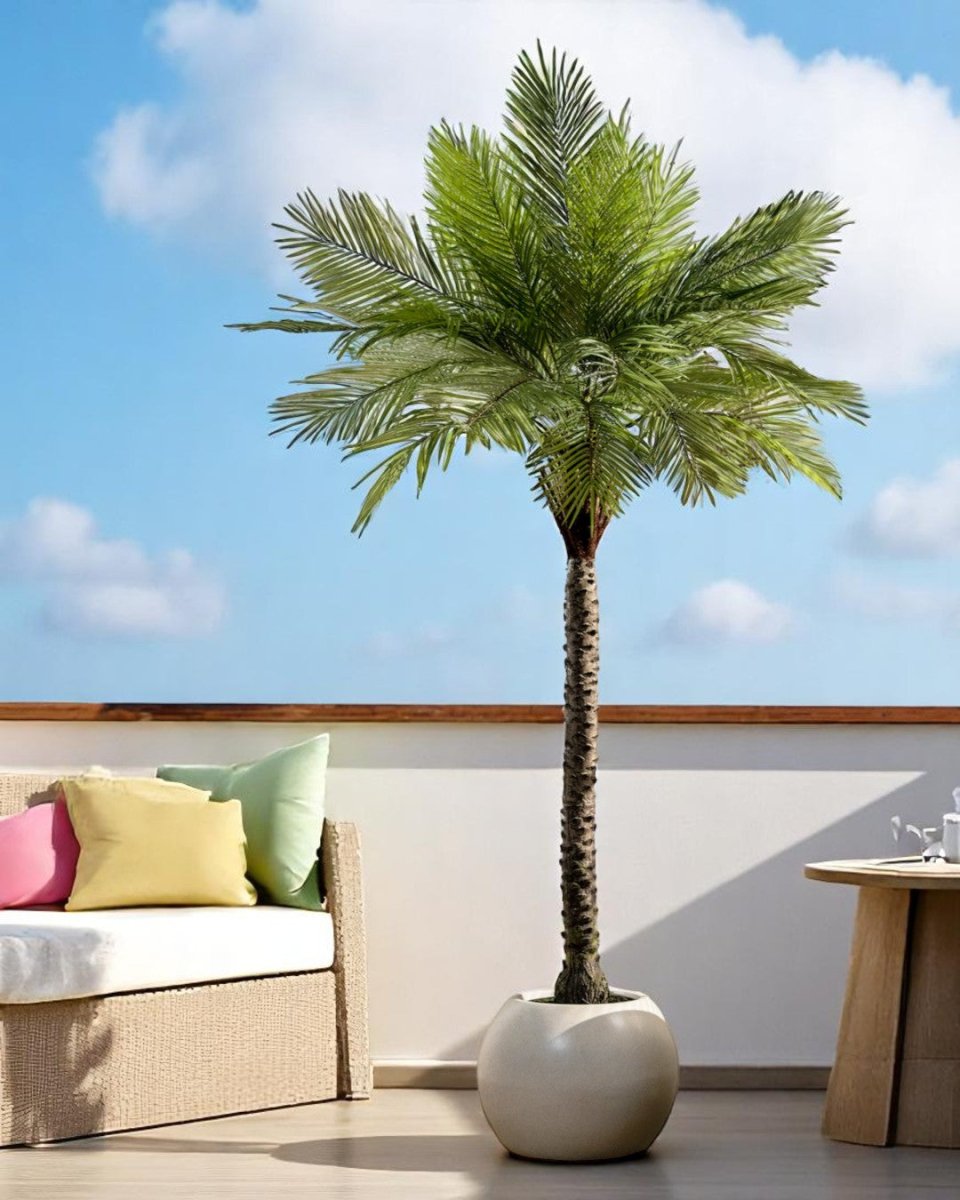
- Palms: lifted fronds can make compact rooms feel fresher and more layered.
If you are still choosing the plant, browse Tumbleweed's plants collection and match the final plant size to the room before picking the stand height.
Care notes when using a plant stand
A stand should make plant care easier, not more complicated. Always use a saucer, cachepot or waterproof layer if water may drain from the pot. Wipe spills quickly, especially on wooden surfaces. In air-conditioned rooms, check soil moisture before watering because the top layer can dry faster than expected while the root zone is still damp.
For humidity-loving plants, grouping two or three plants at different heights can create a fuller corner and a slightly more stable microclimate. Just leave enough space between leaves for airflow, especially in Singapore's humid weather.
Featured wooden stand options
For a simple, flexible base, consider the Wooden Plant Stand. It is a useful everyday option for lifting medium planters and giving a plant corner a warmer furniture-like finish.
If you prefer a more substantial look, the ROOTED Wooden Plant Stands offer a grounded styling option for indoor greenery. Pair either with a verified pot from the plant pots or planters collections, then choose a plant shape that suits the height.
FAQ: wooden plant stands for indoor plants
Are wooden plant stands suitable for Singapore humidity?
Yes, as long as they are kept away from constant standing water. Use a saucer or cachepot, wipe spills quickly, and avoid leaving the stand exposed to rain.
Should the plant stand be bigger than the pot?
The pot should sit securely on the stand with no wobble. If the plant is tall or heavy, choose a wider base and avoid very tall stands in narrow walkways.
Can a plant stand improve plant health?
It can help indirectly by lifting the plant into better light and making airflow around the pot easier, but it does not replace the basics: suitable light, careful watering and the right potting mix.
What is the easiest styling formula?
Use one statement plant on a stand, one smaller plant nearby at floor or shelf height, and one simple planter finish. The mix of heights makes the corner feel styled without adding clutter.
Final thought
A wooden plant stand is a small change that can make indoor plants feel more considered in a Singapore home. Use it to lift the leaves, protect the flow of the room, and turn a spare corner into a calmer green moment.