




















Best Sympathy and Condolence Plant Gifts in Singapore | Tumbleweed Plants Singapore
Posted on April 10 2026
In this article

When someone loses a loved one, words often feel inadequate. Flowers are the traditional gesture — a beautiful but temporary acknowledgement of grief. They arrive, they are appreciated, and within days they wilt and are discarded. A plant offers something different: a living presence that remains long after the funeral flowers have gone. It sits quietly in the bereaved person's home, growing slowly, requiring gentle care, and serving as a lasting reminder that someone thought of them during their darkest time.
Sending a sympathy plant requires more sensitivity than other plant gifts. The choice, presentation, and timing all matter. This guide covers how to select, present, and send a condolence plant that provides genuine comfort.
Why Plants Over Flowers for Sympathy
Longevity. Grief does not end in a week. A plant that lives for years provides ongoing comfort — a quiet companion during the months and years of adjustment that follow a loss.
Low demand on the recipient. Cut flowers need vase-changing, stem-trimming, and water-refreshing — tasks that feel burdensome when someone is grieving. A low-maintenance plant needs minimal care.
Living memorial. A plant can become associated with the person who was lost — "Dad's Peace Lily" or "The tree we planted when Mum passed." It grows as the family heals.
Sustained presence. A plant arriving a week or a month after the funeral shows sustained care — not just the initial rush of condolences, but ongoing thinking.
Choosing the Right Sympathy Plant

Tone and Symbolism
Sympathy plants should feel calm, dignified, and restful:
- White and green — associated with peace, purity, and serenity
- Soft colours — pale pink, silver-green, muted tones
- Avoid bright, cheerful colours — vibrant orange, hot pink, or bold yellow can feel tonally inappropriate
Care Level
The bereaved person is dealing with grief, practical arrangements, and emotional exhaustion. The plant must be ultra-low-maintenance:
- Water every 1-3 weeks
- Tolerant of neglect
- No daily misting, special light requirements, or fussy care routines
Symbolism That Matters
In Singapore's multicultural context, plant symbolism varies across communities. Consider the recipient's cultural background:
- Chinese traditions: White flowers and plants may be associated with funerals. Some families welcome white plants; others may prefer green foliage without white flowers.
- Malay/Muslim traditions: Simplicity and modesty are valued. Green foliage plants are generally appropriate.
- Indian/Hindu traditions: Certain plants (Tulsi, for example) carry specific religious significance.
- Christian traditions: White flowers and Peace Lilies are commonly associated with sympathy.
When unsure, choose a green foliage plant without flowers — universally appropriate across cultures.
The Best Sympathy Plants
1. Peace Lily (Spathiphyllum)
Why it works: The quintessential sympathy plant. White blooms symbolise peace, innocence, and the rebirth of the soul. Thrives in low light. Nearly impossible to kill — droops dramatically when thirsty, then revives completely after watering.
Care: Water when it droops. Any light. Extremely forgiving.
Symbolism: Peace, healing, sympathy, rebirth.
2. Snake Plant (Sansevieria)
Why it works: A dignified, architectural plant that symbolises resilience and perseverance. Requires almost no care — important when the recipient is focused on grief, not plant maintenance. The upright form suggests strength.
Care: Water every 2-3 weeks. Any light.
Symbolism: Resilience, endurance, quiet strength.
3. Olive Tree (small indoor variety)
Why it works: In many traditions, the olive branch represents peace and reconciliation. A small potted olive tree is a meaningful, long-lived gift that can eventually be planted outdoors.
Care: Bright light. Water every 1-2 weeks.
Symbolism: Peace, hope, healing.
4. Pothos (Marble Queen or Silver)
Why it works: The silver and white variegation of Marble Queen Pothos suits the muted colour palette of sympathy. Virtually unkillable and grows steadily — a quiet, persistent presence.
Care: Water every 1-2 weeks. Any light.
Symbolism: Continuity, growth despite adversity.
5. Aglaonema (Silver Bay)
Why it works: Silver-green foliage is calm and dignified. Ultra low-maintenance and tolerant of dim rooms — it will thrive in a grieving household that might not have energy for plant care.
Care: Water every 1-2 weeks. Low to medium light.
Symbolism: Serenity, calm, perseverance.
6. Jade Plant (Crassula ovata)
Why it works: Long-lived (decades), symbolises good fortune and enduring friendship. The thick, sculptural leaves create a meditative focal point. In some traditions, a Jade Plant represents the enduring spirit.
Care: Water every 2-3 weeks. Bright light preferred.
Symbolism: Enduring love, loyalty, longevity.
7. Bonsai Tree
Why it works: A bonsai represents harmony, peace, and the passage of time. The care ritual — quiet, meditative pruning and watering — can be therapeutic for someone processing grief.
Care: Regular watering (every few days), bright indirect light. Requires more care than other options but the ritual can be healing.
Symbolism: Harmony, patience, the cycle of life.
Presentation

Keep It Simple and Dignified
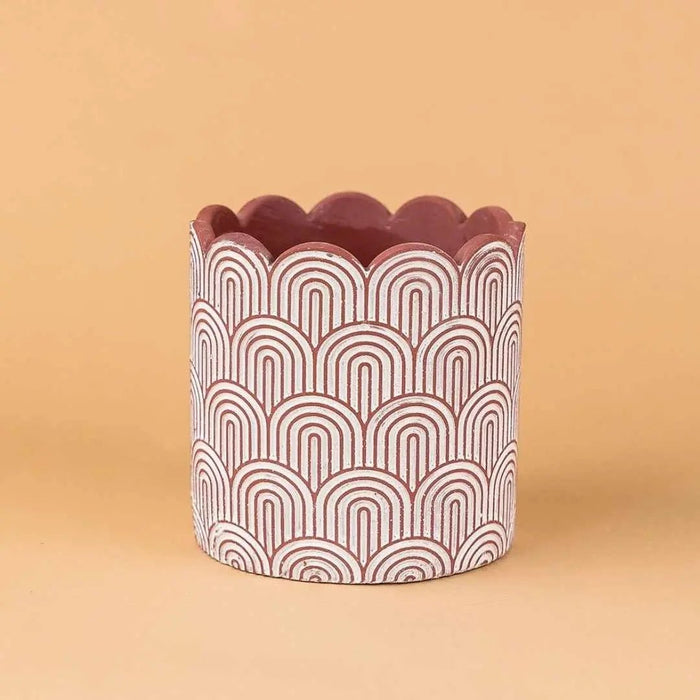
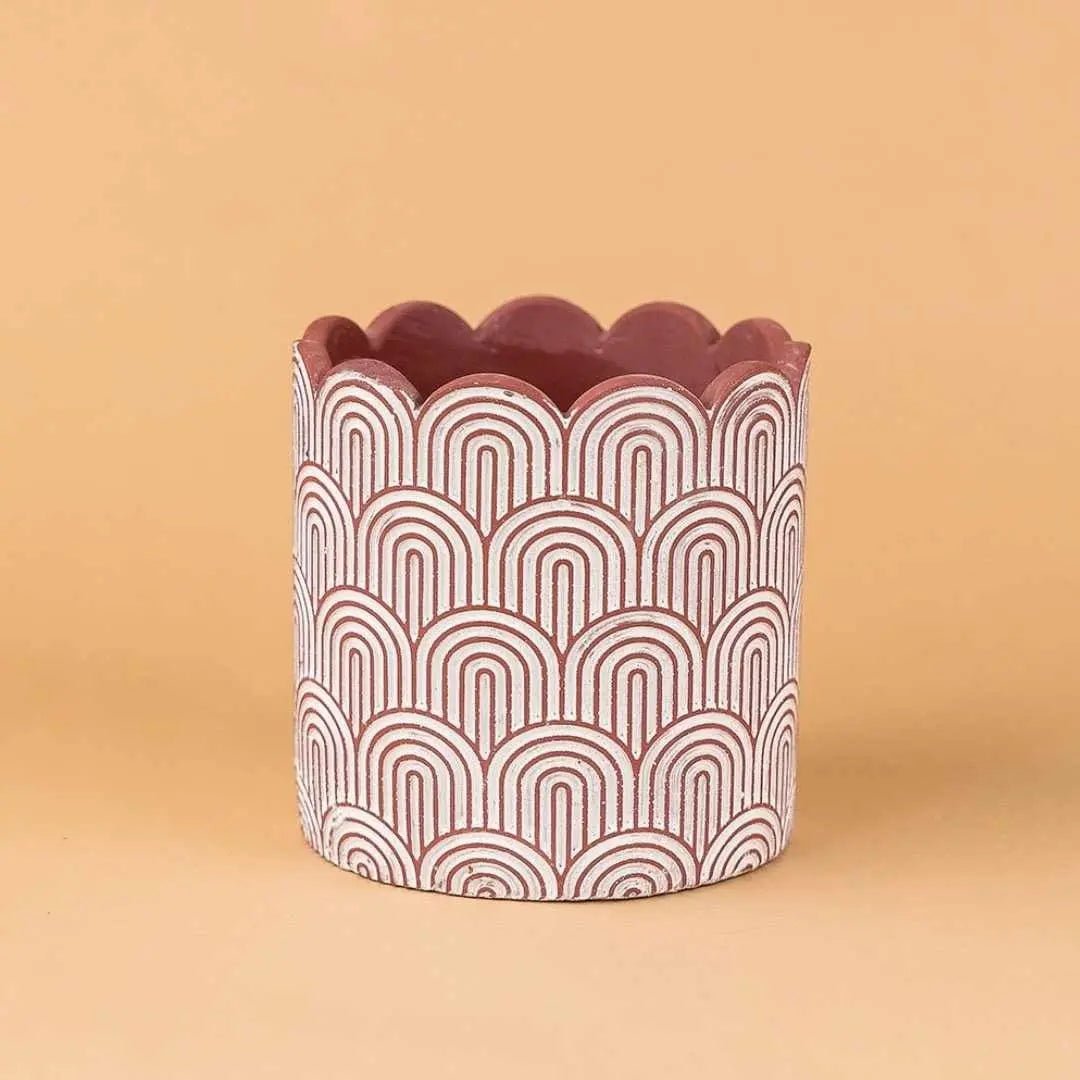
- Neutral pot colours: White, grey, matte black, natural terracotta, or stone
- No bright or playful pots — this is not a birthday gift
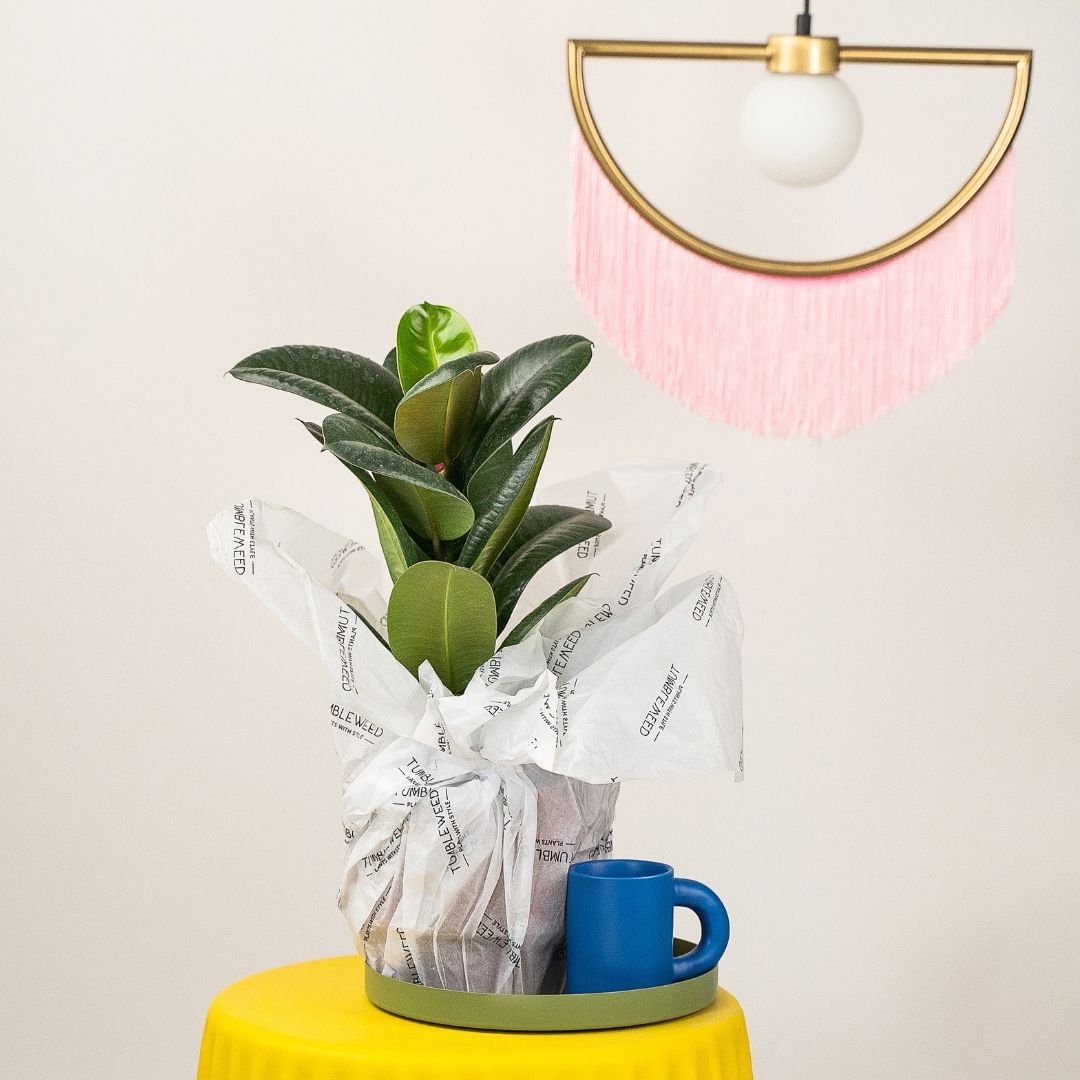
- No ribbons, glitter, or festive wrapping
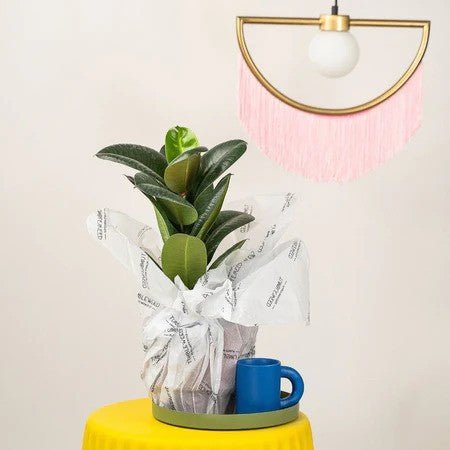
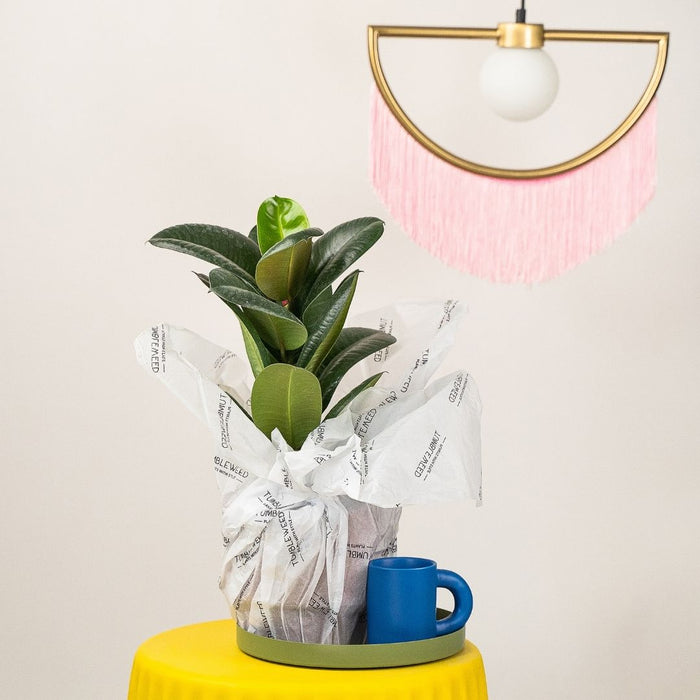
- A simple kraft paper or tissue wrap, if any, is appropriate
Include a Heartfelt Note
A few sincere sentences matter more than the plant itself:
- "Thinking of you and your family during this time."
- "This will grow quietly alongside your memories."
- "In loving memory. May this bring a small moment of peace."
- "No words are enough. Sending something alive to keep you company."
Avoid clichés like "They're in a better place" or "Everything happens for a reason." Acknowledge the loss directly and express your care simply.
Include Care Instructions
Brief — three lines maximum. The recipient should not need to research care:
- Water: "Water when the soil feels dry, roughly every 1-2 weeks."
- Light: "Place anywhere — this plant adapts to any room."
- Reassurance: "This plant is very forgiving. It will wait for you."
Timing
Not just the funeral. Many condolence gifts arrive within the first few days. But grief deepens in the weeks and months after, when the attention fades and the person is left with their loss. A sympathy plant sent 2-4 weeks after the death shows sustained care.
Avoid delivery on the day of the funeral. The family is busy with arrangements. Send the day before or a few days after.
Anniversary. Sending a plant on the first anniversary of the loss is a deeply thoughtful gesture that most people do not expect but deeply appreciate.
Budget Guide

| Budget | Suggestion |
|---|---|
| Under $30 | Small Peace Lily or Pothos in a simple white pot |
| $30-$50 | Medium Peace Lily or Aglaonema in a ceramic planter |
| $50-$80 | Large Peace Lily, Jade Plant, or small bonsai in a premium pot |
| $80-$120 | Premium bonsai or curated arrangement with a comfort item |
| $120+ | Memorial garden set or premium plant + photo frame + handwritten letter |
Shop Sympathy Plants
Browse our indoor plant collection for dignified, low-maintenance plants suitable for sympathy and condolence gifts. We deliver across Singapore with discreet packaging and the option to include a personal message.
A sympathy plant is not about filling a void — nothing can do that. It is about placing something alive in a home that has experienced loss. Something that breathes, grows, and changes with the days. Something that asks for a small act of care when everything else feels overwhelming. Over time, that plant becomes part of the healing — not because it fixes anything, but because it is there, quietly growing, when not much else feels like it is.
Quick summary
Key Takeaways
- Why Plants Over Flowers for Sympathy
- Choosing the Right Sympathy Plant
- The Best Sympathy Plants
- Presentation
- Timing
- Budget Guide
Ready to bring some green into your home?
Browse 250+ hand-picked plants, curated for Singapore homes — delivered to your door.
Browse All Plants →