


















How to Identify Your Houseplant | Tumbleweed Plants Singapore
Posted on April 10 2026
In this article

You bought a plant at a nursery and the label just said "Indoor Plant." Or a friend gave you a cutting with no name. Or you inherited a collection of plants from a previous tenant. Whatever the reason, you have a plant you cannot identify — and you cannot care for it properly without knowing what it is.
Plant identification is a practical skill, not a botanical exercise. Knowing your plant's species tells you exactly how much light it needs, how often to water it, what soil it prefers, and what problems to watch for. This guide covers the methods, tools, and visual clues that help you name your mystery plant.
Method 1: Plant Identification Apps
The fastest method for most people. Modern AI-powered apps can identify houseplants from a single photo with surprising accuracy.
Best Free Apps
Google Lens — Built into Google Photos and the Google app. Point your camera at a plant, and it identifies the species. Accuracy is good for common houseplants.
PlantNet — A citizen-science app with a large plant database. Upload a photo and it suggests matches ranked by probability. Works best with clear, well-lit photos of leaves.
PictureThis — AI-powered identification with a large database. Free version offers limited identifications per day. The paid version includes care guides.
Tips for Better App Results
- Photograph the leaf clearly — flat, well-lit, showing the full shape and any distinctive features
- Include multiple photos — leaf, stem, overall plant shape, and any flowers or distinctive markings
- Photograph both sides of the leaf — underside patterns often help identification
- Good lighting — natural daylight produces the most accurate colours
- Show scale — include your hand or a common object for size reference
When Apps Fail
Apps struggle with:
- Juvenile foliage (young plants may look different from adults)
- Plants that have been heavily pruned or are in poor health
- Very common species with many similar-looking cultivars
- Rare or unusual varieties
Method 2: Visual Identification

Learning to read a plant's visual features helps you narrow down the identity even without an app.
Leaf Shape
Heart-shaped leaves:
- Philodendron (many species)
- Pothos
- Anthurium
- Hoya kerrii
Arrow-shaped leaves:
- Alocasia
- Syngonium
- Caladium
Oval or round leaves:
- Peperomia (many species)
- Pilea peperomioides
- Hoya obovata
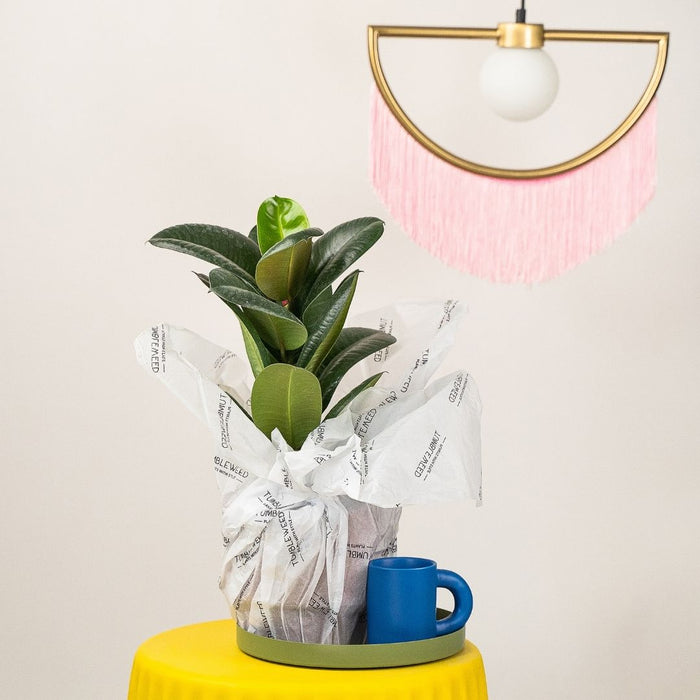
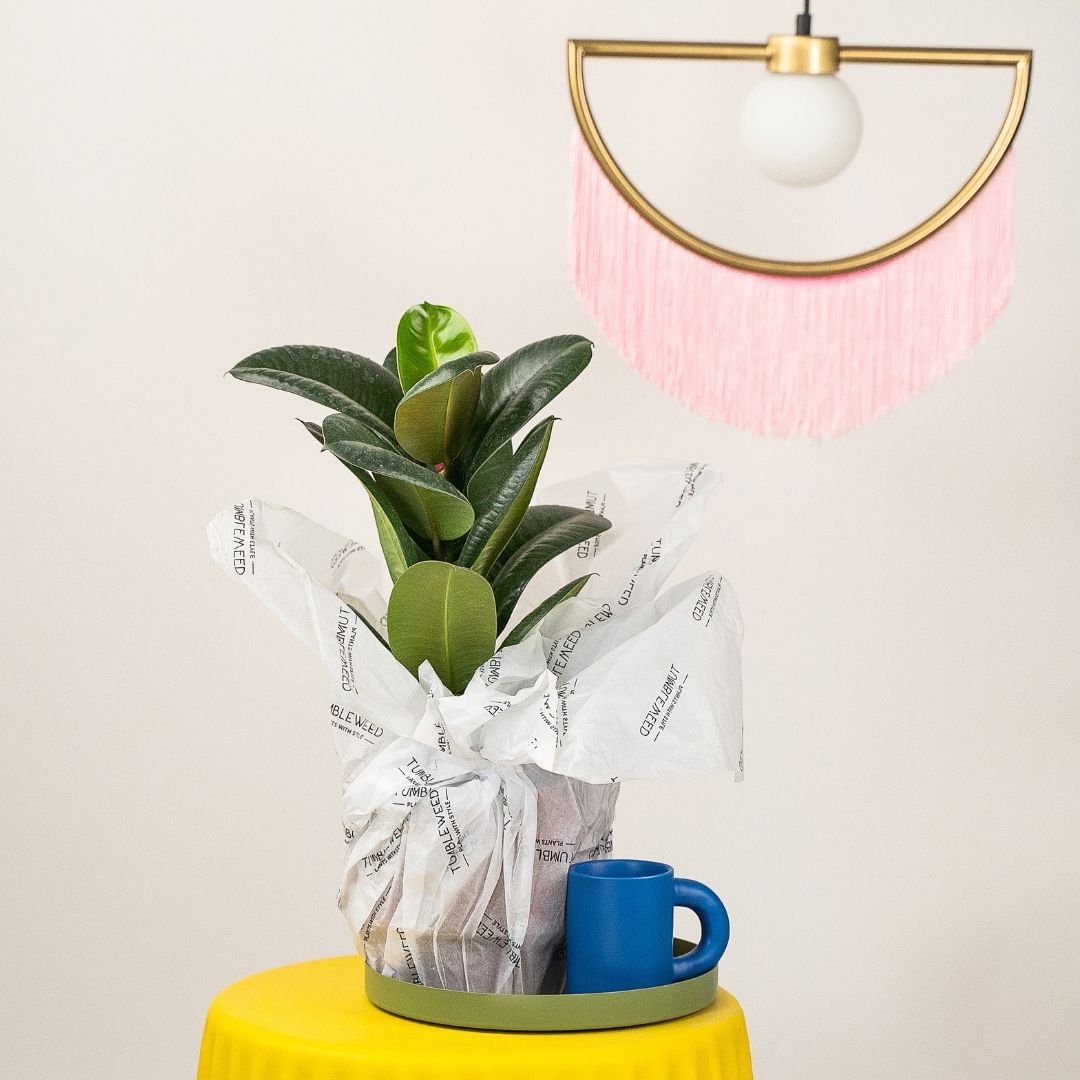
- Rubber Plant (Ficus elastica)
Long, sword-shaped leaves:
- Snake Plant (Sansevieria)
- Dracaena
- Spider Plant
Split or fenestrated leaves:
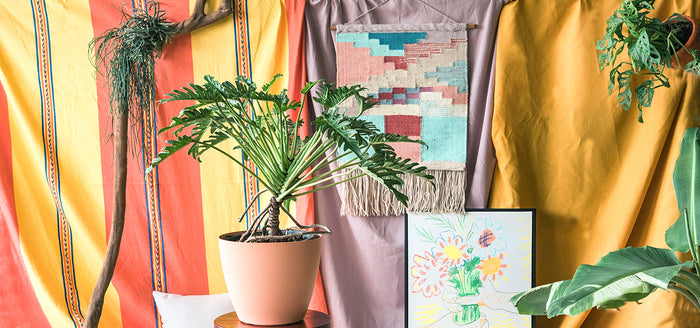
- Monstera deliciosa
- Monstera adansonii (Swiss Cheese Plant)
Feathery or compound leaves:
- Ferns (many types)
- Parlour Palm
- Areca Palm
Leaf Texture
Thick, waxy, glossy:
- ZZ Plant
- Rubber Plant
- Hoya
- Jade Plant
Velvety or fuzzy:
- Alocasia 'Black Velvet'
- Philodendron micans
- African Violet
- Calathea (some species)
Thin, papery:
- Calathea (some species)
- Fittonia
- Fern fronds
Succulent (thick, water-storing):
- Succulents (Echeveria, Haworthia, Sedum)
- String of Pearls
- Jade Plant
Growth Habit
Trailing / Vining:
- Pothos
- Philodendron (heartleaf, micans)
- String of Pearls / String of Hearts
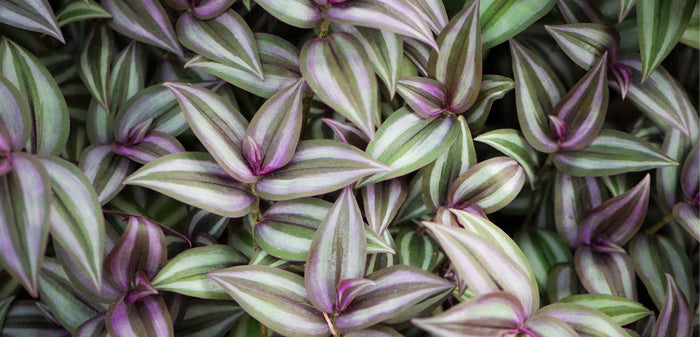
- Tradescantia
- Hoya
Upright / Rosette:
Climbing (with aerial roots):
- Monstera
- Philodendron (climbing types)
- Syngonium
Tree-like:
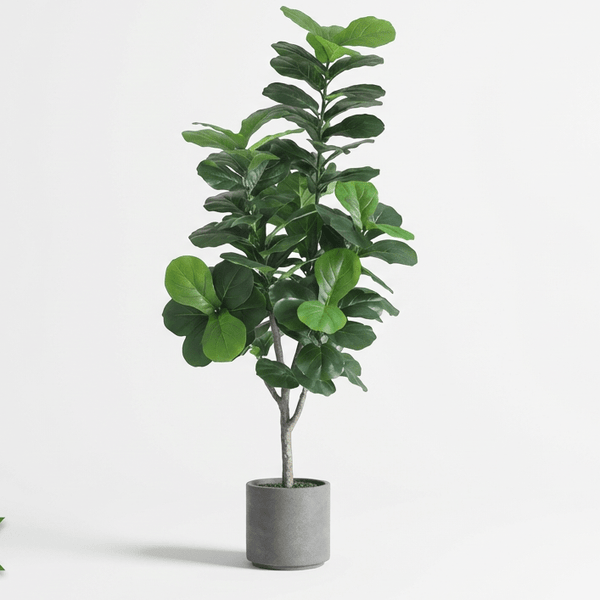
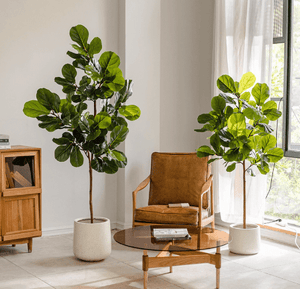
- Fiddle Leaf Fig
- Rubber Plant
- Dracaena
- Schefflera
Stem Characteristics
No visible stem (leaves emerge from soil):
- Snake Plant
- ZZ Plant
- Peace Lily
- Aglaonema
Thick, woody stem:
- Fiddle Leaf Fig
- Rubber Plant
- Dracaena
- Money Tree (braided)
Thin, vining stem:
- Pothos
- Philodendron
- Hoya
Striped or patterned stem:
- Alocasia zebrina (zebra-striped)
Method 3: Pothos vs. Philodendron (The Most Common Confusion)
The most frequently misidentified pair in Singapore:
| Feature | Pothos | Heartleaf Philodendron |
|---|---|---|
| Leaf shape | Slightly asymmetrical, thicker | Symmetrical heart, thinner |
| Leaf texture | Waxy, thick, slightly bumpy | Smooth, thin, matte |
| New leaves | Unfurl from existing leaf | Emerge from a cataphyll (sheath) |
| Aerial roots | One thick root per node | Multiple thin roots per node |
| Stem | Thicker, grooved | Thinner, smooth |
Both are trailing, heart-shaped-leaved, and tolerant of low light. The texture difference (thick/waxy vs. thin/smooth) is the easiest way to tell them apart.
Method 4: Community Identification

When apps and visual guides fail:
Reddit: r/whatsthisplant is an active community that identifies plants from photos. Post a clear photo with location and context.
Facebook groups: Singapore Plant Lovers and similar groups have experienced members who can identify local plants.
Instagram: Post a photo with #plantID or #whatplantisthis and the plant community responds.
Nursery staff: Bring a photo or a cutting to a knowledgeable local nursery.
Why Identification Matters
Knowing your plant's species unlocks:
- Correct watering frequency — a succulent and a fern have opposite needs
- Light requirements — placing a shade plant in full sun damages it
- Toxicity information — critical if you have pets or children
- Soil preferences — some plants need chunky, fast-draining mix while others want moisture retention
- Growth expectations — knowing whether your plant grows 10cm or 2 metres helps you plan
- Propagation methods — different species propagate via different techniques
Shop Identified Plants

Browse our indoor plant collection — every plant is clearly labelled with its species and common name, plus Singapore-specific care guidance. No mystery plants, no guessing.
A plant without a name is a plant you are caring for blindly. You might be overwatering a succulent because you are treating it like a fern, or starving a light-loving plant because you assumed it liked shade. Five minutes with an identification app or visual guide gives you the knowledge to care for your plant correctly — and that knowledge is the difference between a plant that survives and one that thrives.
Quick summary
Key Takeaways
- Method 1: Plant Identification Apps
- Method 2: Visual Identification
- Method 3: Pothos vs. Philodendron (The Most Common Confusion)
- Method 4: Community Identification
- Why Identification Matters
- Shop Identified Plants
Ready to bring some green into your home?
Browse 250+ hand-picked plants, curated for Singapore homes — delivered to your door.
Browse All Plants →