




















How to Save an Overwatered Plant | Tumbleweed Plants Singapore
Posted on April 10 2026
In this article

Overwatering kills more houseplants than any other cause. Not underwatering, not pests, not low light — too much water. And in Singapore's humid climate, where soil dries slowly and enthusiastic plant owners water generously, overwatering is especially common.
The good news: most overwatered plants can be saved if you catch the problem early enough. The bad news: once root rot sets in deeply, recovery becomes uncertain. This guide covers how to identify overwatering at every stage and the specific steps to save your plant.
How Overwatering Damages Plants
Roots need air. In healthy soil, tiny air pockets between soil particles provide oxygen to the roots. When soil is constantly saturated, these air pockets fill with water, and the roots suffocate. Without oxygen, roots die. Dead roots cannot absorb water or nutrients, so the plant wilts — paradoxically looking like it needs water when it has too much.
Dead roots are then colonised by fungi and bacteria, causing root rot — a progressive decay that spreads through the root system. If enough roots rot, the plant cannot support its above-ground growth, and stems and leaves follow.
Identifying Overwatering

Early Signs (Mild)
- Yellow leaves, starting with lower leaves
- Leaves feel soft and limp rather than dry and crispy
- Soil is consistently moist, never drying out
- A musty or earthy smell from the soil
- Fungus gnats hovering around the soil (attracted to persistent moisture)
Moderate Signs
- Multiple leaves yellowing simultaneously
- Stems feel soft or slightly mushy at the base
- Soil smells sour or unpleasant
- White mould on the soil surface
- The plant droops despite wet soil
Severe Signs (Root Rot)
- Stems collapsing or becoming mushy
- Foul, rotting smell from the soil
- Roots are brown, black, and mushy (healthy roots are white or tan and firm)
- Leaves falling off with minimal touch
- The plant pulls easily from the soil (root system has disintegrated)
Rescue Steps: Mild Overwatering
If the plant shows early signs (yellow lower leaves, consistently wet soil) but stems are still firm:
Step 1: Stop Watering
Obvious but essential. Do not water again until the soil has dried to the appropriate level for your plant species.
Step 2: Improve Drainage
- Move the plant to a warmer, brighter spot (increases evaporation)
- Ensure the pot has drainage holes — if not, repot immediately into a pot with drainage
- Remove any saucer water — never let the pot sit in collected water
Step 3: Increase Air Circulation
Open a window or use a small fan near the plant. Air movement helps soil dry faster and discourages fungal growth.
Step 4: Wait
Let the soil dry naturally. Do not try to speed the process with a hairdryer or by placing the plant in direct sun (both cause additional stress). Simply wait for the soil to dry to the appropriate level, then resume a corrected watering schedule.
Rescue Steps: Moderate Overwatering

If the plant shows moderate signs (multiple yellow leaves, soft stems, bad smell):
Step 1: Remove from Pot
Gently remove the plant from its pot. Lay it on newspaper or a towel.
Step 2: Inspect Roots
- Healthy roots: White or tan, firm, flexible
- Rotting roots: Brown or black, mushy, break apart easily, may smell
Step 3: Remove Damaged Roots
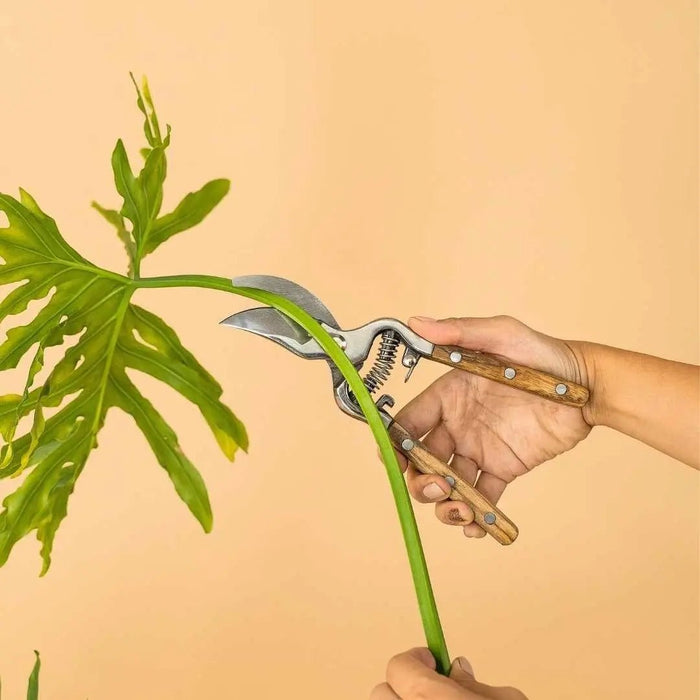
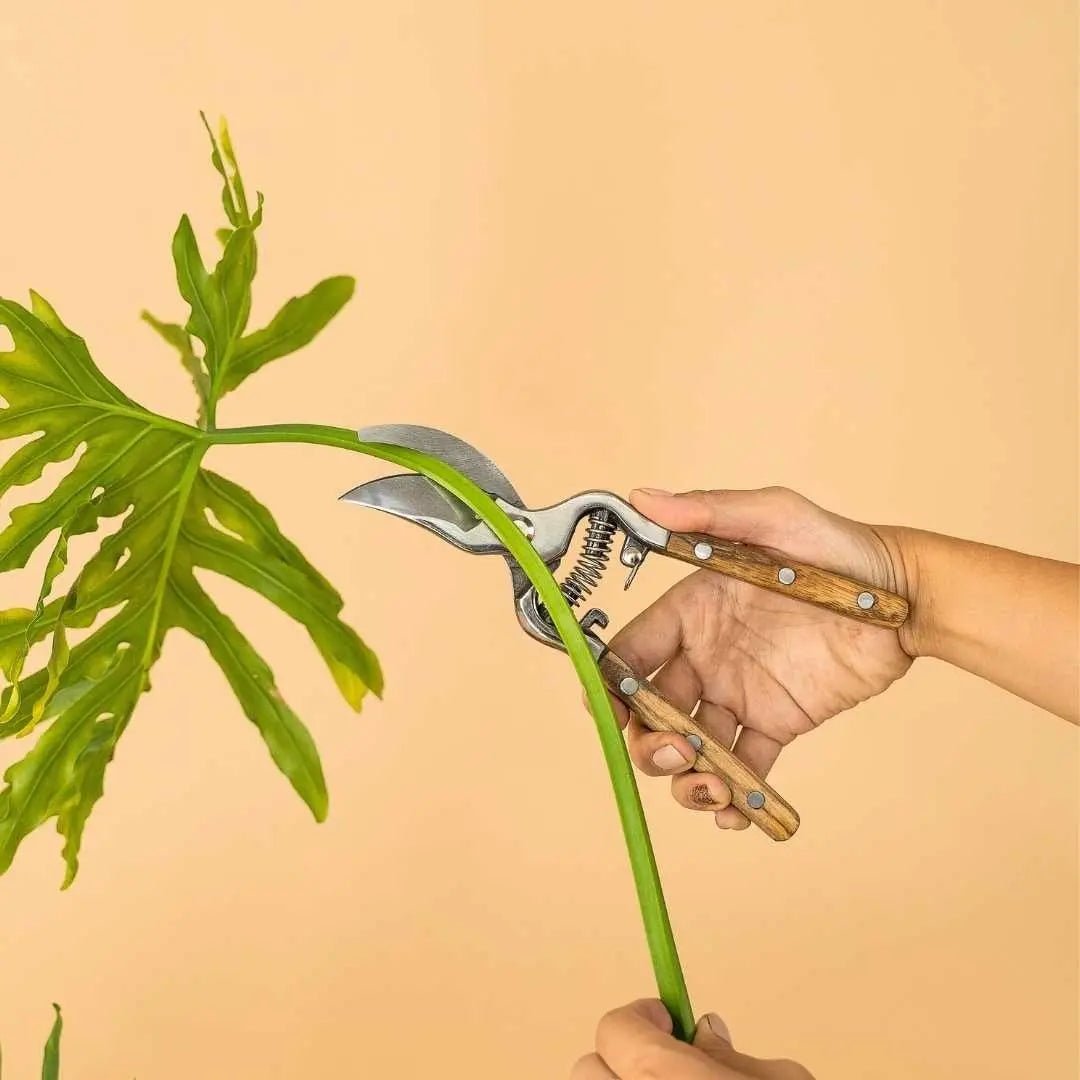
Using clean, sharp scissors:
- Cut away all brown, black, or mushy roots
- Cut back to healthy, firm, white tissue
- Remove any severely damaged stems
Step 4: Treat Remaining Roots
- Let the trimmed root ball air-dry for several hours (2-4 hours in a shaded, ventilated area)
- Optional: dust cut surfaces with cinnamon (a natural antifungal) or dip in a hydrogen peroxide solution (1 part 3% hydrogen peroxide to 2 parts water)
Step 5: Repot in Fresh Soil
- Use a clean pot with drainage holes (same size or slightly smaller than the original)
- Fill with fresh, well-draining soil (add extra perlite — 30-40% of the mix)
- Place the plant, fill around the roots, and press gently
Step 6: Water Lightly
Give a light watering — just enough to settle the soil around the roots. Do not saturate. The healing roots are vulnerable and need air.
Step 7: Recovery Care
- Place in bright indirect light (not direct sun — the plant is stressed)
- Do not fertilise for 4-6 weeks (injured roots are sensitive to fertiliser salts)
- Water only when the soil is adequately dry
- Expect some continued leaf drop as the plant sheds foliage it can no longer support with its reduced root system
Rescue Steps: Severe Root Rot
If most roots are rotted and the plant is in bad shape:
Last Resort: Propagation
If the stem is still firm above the rot, take cuttings from healthy sections and propagate:
- Cut above any mushy or rotted stem tissue
- Select stem sections with nodes and healthy leaves
- Root in water or fresh soil
- The parent plant may not survive, but the cuttings can become new plants
When to Let Go
If the entire stem is mushy, all roots are black, and no healthy tissue remains — the plant is gone. Compost it, sterilise the pot, and use fresh soil for the next plant.
Preventing Overwatering

Check Soil Before Watering
Insert your finger 2-3cm into the soil. If damp, do not water. If dry, water. This five-second check prevents most overwatering.
Understand Your Environment
Singapore's humidity slows drying. Soil stays wet longer here than in drier climates. Adjust watering guides (written for temperate conditions) by extending intervals 30-50%.
AC rooms dry faster. Air-conditioned rooms have lower humidity — soil dries faster. But the difference is less dramatic than you might think. Still check before watering.
Pot material matters. Terracotta pots absorb moisture and dry faster. Plastic and ceramic retain moisture longer. Choose terracotta for plants prone to overwatering.
Use Well-Draining Soil
Generic potting mix is often too moisture-retentive for Singapore conditions. Add perlite (25-30% of the total mix) to any standard potting mix. Fast-draining soil is the single best overwatering prevention.
Ensure Drainage Holes
Every pot needs drainage holes. No exceptions. If you love a pot without drainage, use the cache pot method — keep the plant in a nursery pot with drainage inside the decorative outer pot.
Smaller Pots Are Safer
A pot much larger than the root ball contains excess soil that stays wet. Use pots 2-3cm larger in diameter than the root ball. The roots should fill most of the pot.
Plant-Specific Overwatering Risk
High risk (easy to overwater):
- Succulents and cacti — store water internally, need very infrequent watering
- Snake Plant — extremely drought-tolerant, rots easily in wet soil
- ZZ Plant — thick rhizomes store water, very susceptible to root rot
- Peperomia — compact root systems rot quickly in saturated soil
Moderate risk:
- Monstera — tolerant but prefers drying between waterings
- Pothos — resilient but can develop root rot in consistently wet soil
- Philodendron — prefers even moisture but handles occasional overwatering
Lower risk (likes moisture):
- Ferns — prefer consistently moist soil
- Calathea — likes moist (not wet) soil
- Peace Lily — tolerates more moisture than most
Shop Plants
Browse our indoor plant collection for healthy plants in well-draining soil, delivered across Singapore. Every plant ships in a mix designed for Singapore's humidity — and now you know exactly how to keep the soil at the right moisture level.
Overwatering is the most common plant care mistake — and the most preventable. Check the soil before watering. Use well-draining soil. Ensure drainage holes. That is it. Those three habits prevent 90% of overwatering damage. If you have already overwatered, act quickly — mild and moderate cases are very recoverable. Trim the rot, repot in fresh soil, and water more carefully going forward. Your plant wants to live. Give it a chance.
Quick summary
Key Takeaways
- How Overwatering Damages Plants
- Identifying Overwatering
- Rescue Steps: Mild Overwatering
- Rescue Steps: Moderate Overwatering
- Rescue Steps: Severe Root Rot
- Preventing Overwatering
Ready to bring some green into your home?
Browse 250+ hand-picked plants, curated for Singapore homes — delivered to your door.
Browse All Plants →