















Money Tree Feng Shui: Placement Tips for Prosperity
Posted on April 16 2026
In this article
- The Money Tree: Feng Shui's Favourite Houseplant
- Money Tree Feng Shui Meaning & Symbolism
- Best Feng Shui Placement for Your Money Tree
- Where NOT to Place Your Money Tree
- Money Tree Care Guide for Singapore
- Enhancing Your Money Tree's Feng Shui Power
- Money Tree vs Money Plant: What's the Difference?
- Frequently Asked Questions
The Money Tree: Feng Shui's Favourite Houseplant
The money tree (Pachira aquatica) holds a special place in feng shui tradition. With its distinctive braided trunk and lush five-lobed leaves — said to represent the five elements of feng shui (wood, water, earth, fire, and metal) — it's one of the most popular plants for attracting wealth, prosperity, and positive energy into the home.

In Singapore, where feng shui principles are deeply woven into home and office design, the money tree isn't just a houseplant — it's a living symbol of abundance. Here's your complete guide to money tree feng shui placement and care.
Money Tree Feng Shui Meaning & Symbolism
The money tree carries rich symbolic meaning in feng shui:
- Five leaves per stem: Represent the five feng shui elements, creating balance and harmony
- Braided trunk: Symbolises interconnected fortune — the more braids, the more luck is "locked in"
- Upward growth: Represents rising fortunes and upward financial trajectory
- Lush green foliage: Green is the colour of wealth and vitality in feng shui
- New leaf growth: Each new leaf represents new financial opportunities
The legend says a poor farmer discovered the Pachira aquatica tree, took it home, and his fortunes changed dramatically. He began selling the trees, and prosperity followed — hence the name "money tree."
Best Feng Shui Placement for Your Money Tree
Where you place your money tree matters significantly in feng shui. Here are the optimal locations:
1. The Wealth Corner (Southeast)
In feng shui, the southeast corner of your home or room is the "wealth and abundance" area. This is the most powerful position for a money tree.
- Place the money tree in the southeast corner of your living room or home office
- The wood element of the plant naturally strengthens this area
- Pair with a small water feature nearby (water feeds wood in the five-element cycle)
2. Home Office or Study
Place a money tree on your desk or near your workspace to attract career growth and financial opportunities.
- Position to the left of your desk (the "dragon side" in feng shui — represents power)
- Ideal for anyone working from home in Singapore
- Supports focus and creativity alongside financial luck
3. Living Room
The living room is the heart of the home's energy flow. A money tree here benefits the entire household.
- Place near the entrance to welcome prosperity into the home
- Avoid placing directly opposite the front door (energy rushes out)
- A corner placement allows energy to gather and amplify
4. Near the Entrance
In feng shui, the front entrance is where chi (energy) enters your home.
- Place the money tree to the side of your front door (inside)
- This "catches" incoming prosperity energy
- Especially effective for Singapore HDB flat entrances where the shoe cabinet area can be energised
5. Business or Shop Entrance
For Singapore business owners, a money tree near the cash register or shop entrance is a classic feng shui move for attracting customers and revenue.
Where NOT to Place Your Money Tree

Certain locations weaken or negate the money tree's feng shui benefits:
- Bathroom: Water energy drains away wealth. Never place a money tree in the bathroom.
- Bedroom: The active energy of the money tree can disrupt sleep. Keep it in living areas.
- Kitchen: Fire element conflicts with the money tree's wood element.
- Directly under a beam: Overhead beams create downward pressure that suppresses growth energy.
- Near clutter: Clutter blocks energy flow. Keep the area around your money tree clean and organised.
Money Tree Care Guide for Singapore
A healthy, thriving money tree amplifies its feng shui benefits. A dying or neglected one can symbolise declining fortunes. Here's how to keep yours flourishing:
Light
- Ideal: Bright, indirect light
- Tolerates: Medium light (slows growth but survives)
- Avoid: Direct afternoon sun (scorches leaves) and deep shade (causes leggy growth)
- Singapore tip: East-facing windows in HDB flats provide the perfect morning light
Watering
- Water thoroughly when the top 3-5cm of soil is dry
- In Singapore, this means watering roughly every 7-10 days
- Reduce in cooler months or if the plant is in lower light
- Ensure excellent drainage — money trees are susceptible to root rot
- Feng shui tip: Water your money tree on days associated with prosperity — Thursdays are considered lucky for wealth in many traditions
Soil & Potting
- Use well-draining potting mix with perlite or sand
- Repot every 2 years or when roots circle the pot
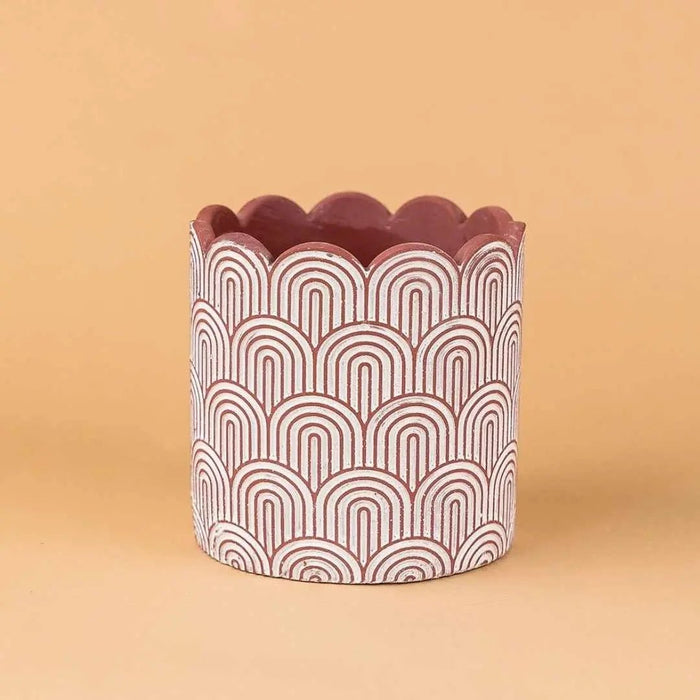
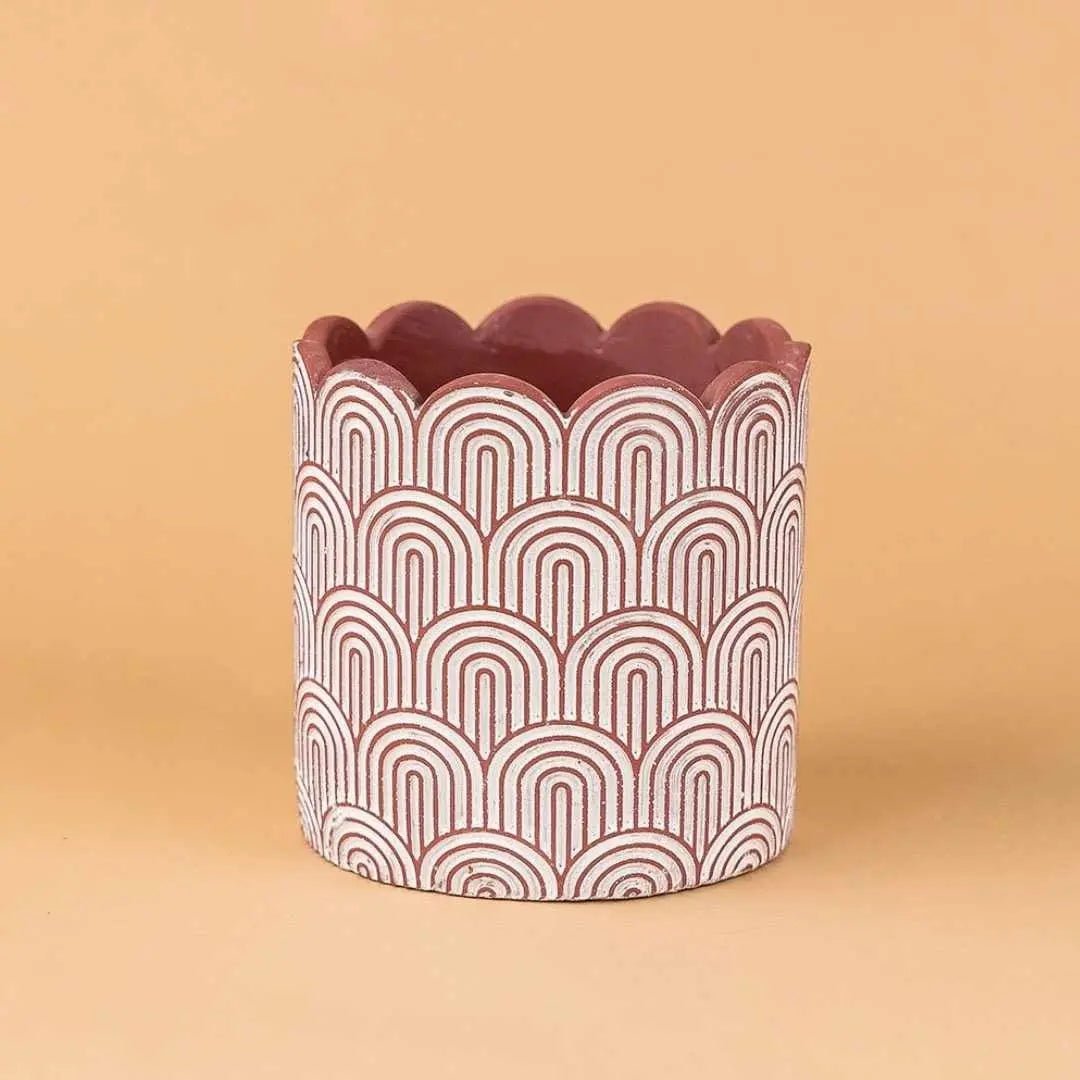
- Feng shui tip: Use a red, gold, or green pot to enhance prosperity energy. Avoid white or metallic pots (metal cuts wood in the five-element cycle)
The Braided Trunk
Most money trees sold in Singapore feature a braided trunk, created when the tree is young and flexible. To maintain the braid as the tree grows:
- Continue braiding new growth gently as the trunk extends upward
- Tie loosely with soft string at the top of the braid
- Remove ties once the trunk firms up in that position (usually after a few months)
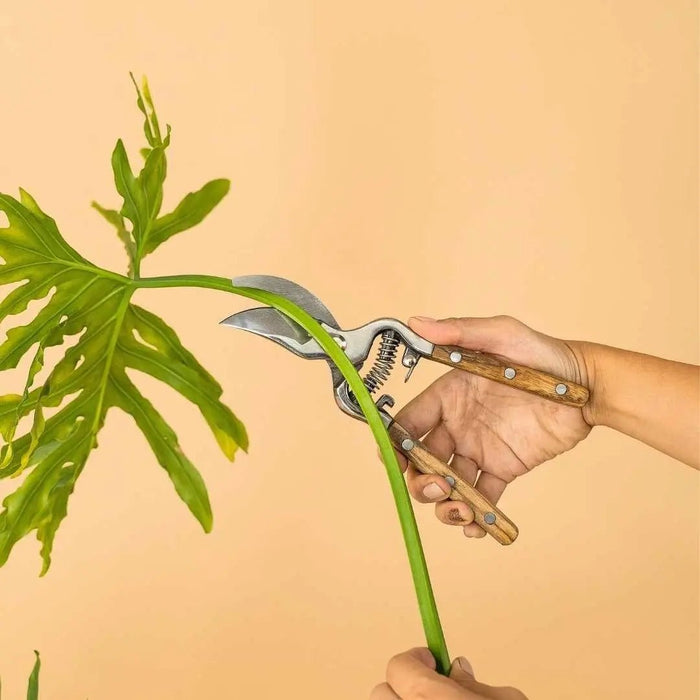
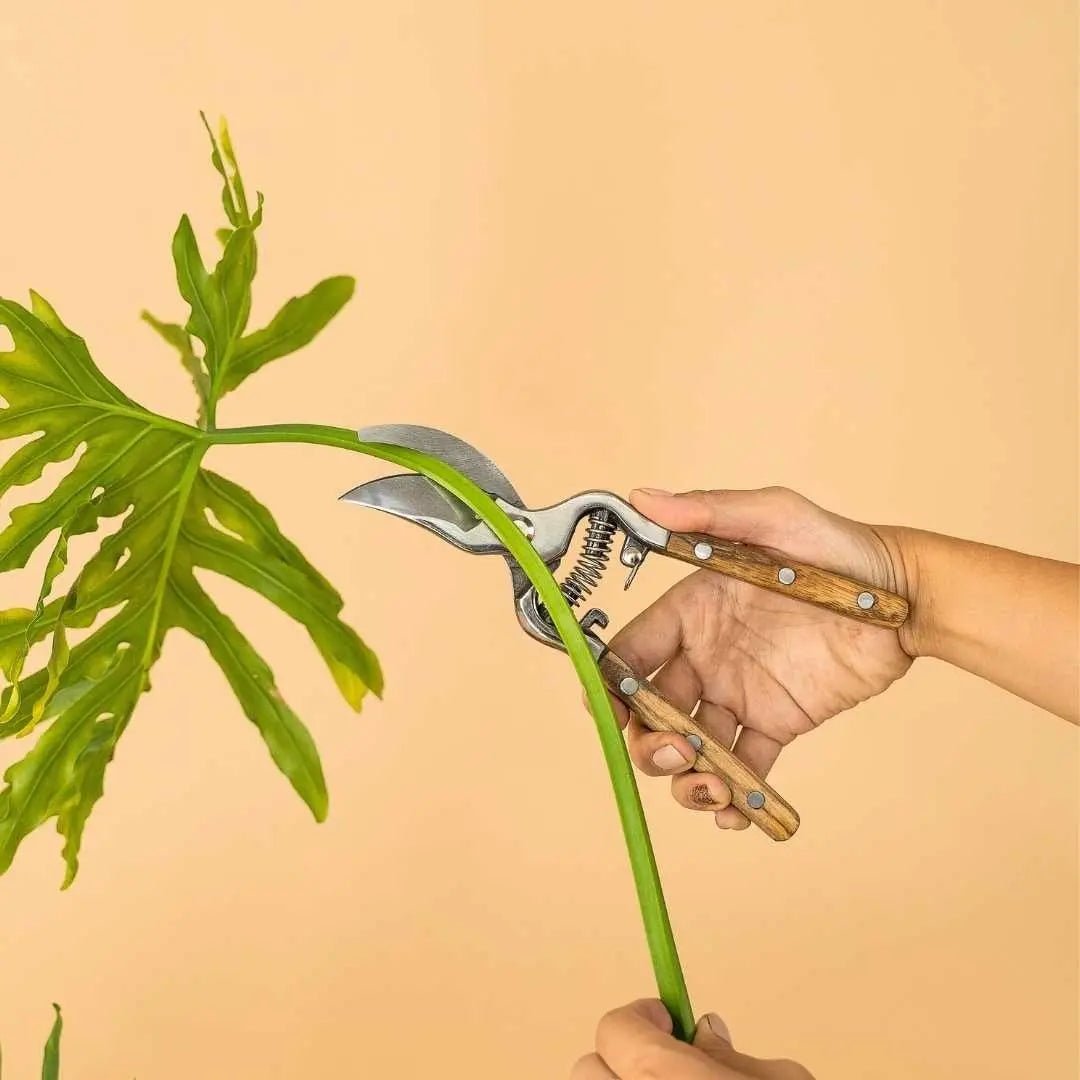
Pruning
- Prune to maintain a bushy, full shape — sparse growth is considered inauspicious in feng shui
- Remove any dead or yellowing leaves promptly (dead foliage represents stagnant energy)
- Trim leggy stems back to a node to encourage branching
Enhancing Your Money Tree's Feng Shui Power

Boost your money tree's prosperity energy with these feng shui enhancements:
Red Ribbons
Tie a red ribbon around the trunk or pot. Red activates wealth energy and is the most auspicious colour in Chinese feng shui. Many money trees in Singapore come with red ribbons already attached.
Coins & Crystals
- Place Chinese coins (tied with red string) at the base of the tree
- Add a small citrine crystal near the pot to amplify abundance energy
- Some practitioners hang gold ingot ornaments from the branches
Number Symbolism
- Five trunks braided: Represents the five elements — the most common and auspicious configuration
- Eight leaves per cluster: Eight is the luckiest number in Chinese culture (sounds like "prosper")
- If a stem produces seven leaves, it's considered especially lucky
Intention Setting
When you first bring your money tree home, some feng shui practitioners recommend:
- Place the tree in its chosen location
- State your financial intentions or goals aloud to the tree
- Water it for the first time with this intention in mind
- Express gratitude each time you water
Money Tree vs Money Plant: What's the Difference?
In Singapore, these terms are often used interchangeably, but they're different plants:
- Money Tree (Pachira aquatica): Tall, braided trunk, five-lobed leaves. The feng shui classic.
- Money Plant (Epipremnum aureum / Pothos): Trailing vine with heart-shaped leaves. Also considered lucky but different energy.
- Chinese Money Plant (Pilea peperomioides): Round, coin-shaped leaves on thin stems. Popular for its modern look and prosperity symbolism.
All three are considered auspicious in feng shui, but the Pachira aquatica money tree is the most traditionally associated with wealth and abundance.
Frequently Asked Questions
Is a money tree good feng shui for my Singapore home?
Absolutely. The money tree is one of the most recommended feng shui plants for Singapore homes. Its five-element leaf symbolism, air-purifying properties, and adaptability to our climate make it ideal. Place it in the southeast corner for maximum benefit.
Can a money tree really bring wealth?
In feng shui philosophy, the money tree creates an environment conducive to prosperity by balancing energy and symbolising growth. Whether or not you believe in feng shui, caring for a living plant has proven psychological benefits — reducing stress and increasing focus — which can positively impact your financial decisions.
What does it mean when a money tree loses leaves?
Practically, leaf drop usually means overwatering, insufficient light, or cold drafts. In feng shui, it can indicate stagnant or declining energy. Address the care issue promptly and prune dead leaves to restore positive energy flow.
How big does a money tree get?
In the wild, Pachira aquatica grows up to 18 metres. Indoors in Singapore, expect 1-2 metres depending on pot size and light. They can be kept smaller with regular pruning.
Where can I buy a money tree in Singapore?
Tumbleweed Plants offers healthy, beautifully braided money trees with delivery across Singapore. Shop our money tree collection — perfect for your home or as a prosperity gift.
Invite prosperity into your space. Shop money tree plants with same-day delivery in Singapore.
Quick summary
Key Takeaways
- The Money Tree: Feng Shui's Favourite Houseplant
- Money Tree Feng Shui Meaning & Symbolism
- Best Feng Shui Placement for Your Money Tree
- Where NOT to Place Your Money Tree
- Money Tree Care Guide for Singapore
- Enhancing Your Money Tree's Feng Shui Power
Ready to bring some green into your home?
Browse 250+ hand-picked plants, curated for Singapore homes — delivered to your door.
Browse All Plants →