
















AeroMist Automatic Mister for Indoor Plants in Singapore: When to Use It and When to Water by Hand
Posted on August 07 2026
An automatic plant mister can be useful in Singapore homes, but it is not a replacement for proper watering. Here is how to use the AeroMist Automatic Mister well — especially in air-conditioned rooms, bright windows and plant shelves where leaves can dry faster than the potting mix.
Table of contents
- What an automatic mister actually does
- Best uses in Singapore homes
- When not to mist
- A simple weekly routine
- FAQ
What an automatic mister actually does
A mister adds fine droplets to the air and leaf surface for a short period. In Singapore, the outdoor climate is humid, but indoor plant corners can still become dry because of air-conditioning, fans, hot afternoon windows and enclosed shelves. A small burst of mist can make a display feel fresher and can reduce the dusty, crispy look that sometimes appears on thinner tropical foliage.
The key is to treat misting as leaf-area support, not soil watering. Roots still need water delivered evenly through the potting mix, then time to breathe. If a plant is wilting because the soil is dry, misting the leaves will not solve the root-zone problem.

Best uses in Singapore homes
1. Air-conditioned bedrooms and workspaces
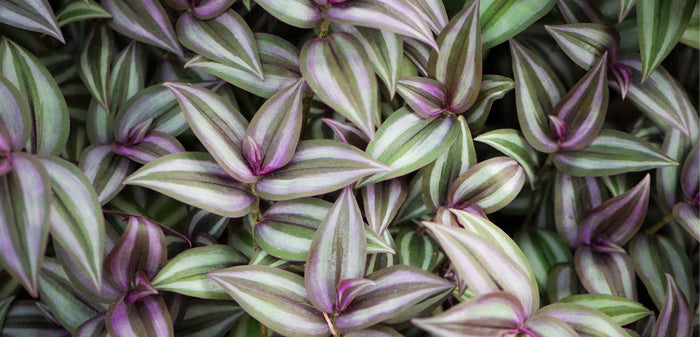
Air-con can dry the leaf surface even when the room feels comfortable to you. Short misting sessions can help tropical foliage such as calatheas, ferns and other humidity-loving plants look fresher. Keep the plant near bright, indirect light so leaves dry naturally after misting.
2. Plant shelves and display corners
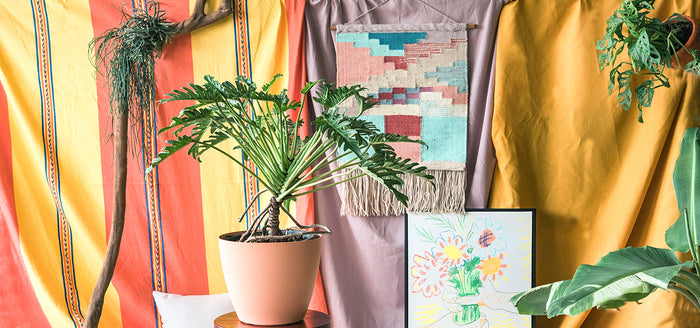
Dense plant shelves can trap still air. A fine mist can freshen the display, but airflow matters just as much. Leave space between leaves, rotate plants weekly and avoid keeping foliage wet in a dark corner overnight.
3. Propagation and newly repotted plants
Cuttings and recently repotted plants often appreciate gentler humidity while roots settle. Misting around the area can help reduce stress, especially when paired with bright indirect light and a stable watering schedule.
Bright, airy shelves; air-con rooms; thin-leaved tropical plants.
Succulents, cacti and thick-leaved plants that prefer drier foliage.
Soil checks, proper drainage and deep watering when the mix is actually dry.
When not to mist
Do not mist just because a plant looks sad. First, check the soil. If the top few centimetres are dry and the pot feels light, water the pot thoroughly until excess drains out. If the mix is already wet, misting more can make a stressed plant more prone to leaf spots.
Also avoid heavy misting late at night, in very dim rooms or directly on fuzzy leaves. Water sitting on leaves for too long can encourage fungal marks, especially in Singapore’s warm indoor conditions.
A simple weekly routine
- Morning: mist lightly around humidity-loving plants if the room is bright and airy.
- Before watering: test the potting mix instead of relying on a calendar.
- After watering: empty saucers so roots are not sitting in water.
- Weekly: wipe dusty leaves so misting does not turn dust into residue.
- Monthly: reassess placement if leaves keep browning despite correct watering.
Product spotlight
AeroMist Automatic Mister is a useful add-on for plant parents who want a cleaner way to refresh air-con plant corners, plant shelves and propagation setups.
Infographic summary
Mist leaves, water roots.
- Misting is best for short humidity boosts.
- Water the soil only when the potting mix needs it.
- Use mist in bright, airy conditions so leaves can dry.
- Avoid heavy night-time misting and constantly wet foliage.
FAQ
Can an automatic mister replace watering?
No. Misting supports the leaf area, while watering hydrates the roots. Always check the potting mix before deciding whether to water.
How often should I mist indoor plants in Singapore?
Start with short sessions a few mornings a week for humidity-loving plants, then adjust based on leaf response, airflow and room conditions.
Which plants should I avoid misting heavily?
Use less mist on cacti, succulents, fuzzy-leaved plants and any plant sitting in low light or poor airflow.
What should I do if leaves still get brown tips?
Check watering consistency, mineral buildup, air-con exposure, root crowding and light level. Brown tips usually have more than one possible cause.
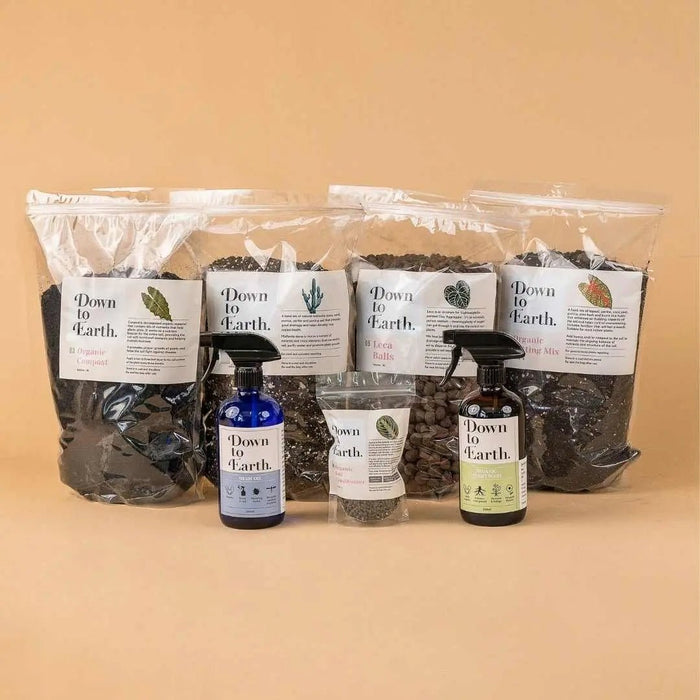
Build a better plant-care kit
Browse watering tools, pots, soil amendments and accessories that make indoor plant care easier in Singapore homes.