



















Epidendrum Orchid Care in Singapore: How to Grow Bright Balcony Blooms
Posted on July 23 2026
Epidendrum orchids are a good choice if you love orchid flowers but want something a little more sculptural than the usual tabletop orchid. Often called reed-stem orchids, they grow upright canes with clusters of cheerful blooms when they receive enough light, airflow and steady care. In Singapore, that usually means a bright balcony, a sunny service yard, or a window with strong filtered light rather than a dim desk corner.
This guide explains how to care for Epidendrum Orchid in Singapore homes, including light, watering, potting, humidity, feeding and common troubleshooting. The advice is written for our hot, humid climate, where orchids can grow well but can also stay too wet if they are kept in stagnant corners.
Quick care summary
- Best spot: Bright filtered light, morning sun, or a sheltered balcony with good airflow.
- Watering: Water thoroughly, then let the potting medium become lightly dry before watering again.
- Humidity: Singapore humidity helps, but moving air matters more than misting all day.
- Potting: Use a free-draining orchid setup; avoid heavy soil that stays soggy.
- Difficulty: Easy to intermediate if you can give it enough light.
How much light does an Epidendrum orchid need?
Epidendrums are brighter-light orchids. In many Singapore flats, the best position is an east-facing balcony, a bright corridor-facing window, or a sheltered outdoor ledge that receives gentle morning sun. They can usually handle more light than a Phalaenopsis, but harsh afternoon sun bouncing off tiles or glass can scorch leaves.
If the plant is not flowering, light is the first thing to review. A healthy Epidendrum kept in too much shade may still grow leaves and canes, but it is less likely to produce strong flower spikes. Move it gradually over one to two weeks rather than shifting it suddenly from shade to full sun.
Watering Epidendrum orchids in Singapore
Singapore’s humidity can make orchid medium dry slower than expected, especially during rainy weeks. Instead of watering by a fixed calendar, check the pot weight and the top of the medium. Water when the mix feels almost dry, then water deeply enough that excess drains out from the bottom.
Do not let the pot sit in a saucer of water. Constantly wet roots are one of the fastest ways to weaken an orchid. If you are unsure, a simple tool such as a 3-in-1 Moisture Meter can help you understand how quickly your balcony or window area dries between waterings.
Airflow is just as important as humidity
Because Singapore is naturally humid, most homes do not need heavy misting. What Epidendrums appreciate is fresh air around the leaves and roots. A bright but stuffy corner can encourage fungal marks, algae on the medium, and slow drying after watering.
If your balcony is enclosed with blinds or your plant sits near a window that is rarely opened, give it more spacing from other pots. Avoid crowding the leaves against a wall. Good airflow helps the plant dry evenly after rain or watering while still enjoying our tropical humidity.
What potting medium should you use?
Epidendrum orchids should not be potted in dense indoor potting soil. They prefer a chunky, airy medium that lets water pass through quickly. Orchid bark, coarse chips, charcoal and similar free-draining materials are better than fine soil for root health.
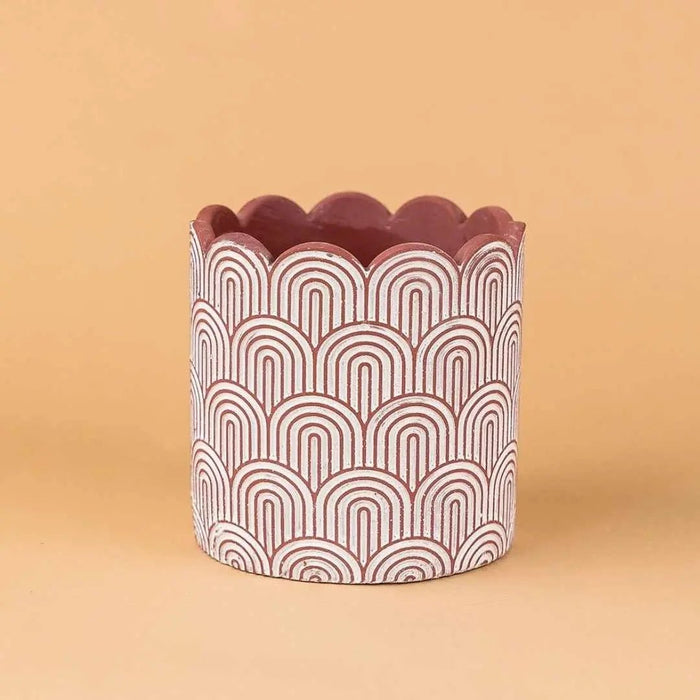
Choose a pot with drainage holes and avoid decorative cover pots that trap runoff unless you remove the inner pot to water and drain it fully. If you are pairing orchids with a decorative container from the planters collection, keep the grow pot functional first and the outer pot decorative second.
Feeding for steady growth and flowers
Feed lightly during active growth using an orchid-appropriate fertiliser at a diluted strength. More fertiliser does not force blooms if the plant is short on light, and excess salts can stress orchid roots. A gentle, consistent routine is better than heavy feeding once in a while.
Flush the pot with plain water occasionally so fertiliser salts do not build up in the medium. This is especially useful for balcony plants that receive regular feeding but are protected from natural rain.
Common Epidendrum orchid problems
Why is my Epidendrum not flowering?
The most common reason is insufficient light. Check whether the plant is producing healthy leaves but no flower spikes. If yes, move it to a brighter position with morning sun or stronger filtered light. Give it time to adjust, as orchids do not respond overnight.
Why are the leaves yellowing?
One or two older yellowing leaves can be normal. Several yellow leaves at once may point to root stress, soggy medium, or a sudden light change. Check the roots and drying speed before adding more water.
Why are there brown spots on the leaves?
Brown patches can come from sun scorch, water sitting on leaves in a still corner, or fungal issues after wet weather. Improve airflow, water earlier in the day, and avoid leaving the plant tightly packed among other pots.
Good companion orchids and care tools
If you enjoy bright balcony orchids, you may also like Vanda Orchid, another light-loving orchid for airy spaces. For a classic flowering gift orchid, Royal Purple Phalaenopsis suits bright indirect indoor areas with gentler light. Browse more flowering options through flowering plants or explore general plant-care essentials in the plant care collection.
FAQ: Epidendrum orchid care in Singapore
Can Epidendrum orchids grow indoors?
Yes, but only in a very bright indoor spot. A dim room is usually not enough. If your home has limited light, a bright balcony or window ledge is a better choice.
Can Epidendrum orchids take direct sun?
Gentle morning sun is usually helpful. Strong afternoon sun can be too harsh, especially when the plant is close to hot tiles, glass or walls. Acclimate gradually and watch for pale or scorched patches.
How often should I water an Epidendrum orchid?
There is no single schedule for every Singapore home. Water when the medium is close to dry, then drain completely. Windy balconies dry faster than sheltered indoor corners, while rainy weeks may slow drying.
Is Epidendrum orchid beginner-friendly?
It can be beginner-friendly if you can provide bright light and good drainage. It is less suitable for very low-light rooms or owners who tend to keep orchid roots constantly wet.
For more options, browse bright-light plants, balcony plants, and the full plants collection.