



























Everfresh Tree: The Complete Care Guide for Singapore
Posted on April 08 2026
In this article

Everfresh Tree: The Complete Care Guide for Singapore
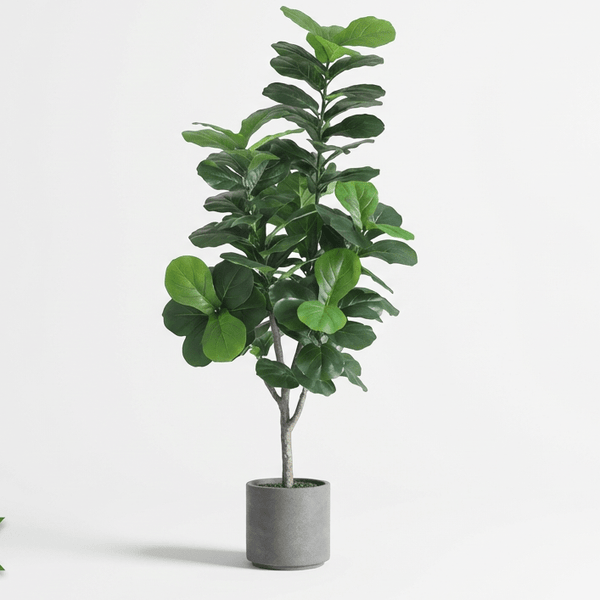
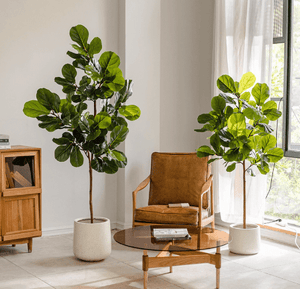
The everfresh tree (Pithecellobium confertum, also known as the Japanese everfresh tree) has become one of the most beloved indoor trees in Singapore, and it is easy to see why. With its delicate, feathery foliage that opens and closes with the light, graceful arching branches, and compact growth habit, it brings the feel of a mature forest tree into an apartment or landed home. This guide goes deeper than the basics — if you want your everfresh plant to genuinely thrive long-term, read on.
What Is the Everfresh Tree?
The everfresh tree is a tropical species native to Southeast Asia and parts of East Asia. Its botanical name, Pithecellobium confertum, places it in the legume family — which explains those distinctive seed pods that occasionally appear on mature specimens. The common name "Japanese everfresh tree" reflects its popularity in Japanese bonsai and indoor tree culture, where it has been cultivated for decades.
In Singapore, it thrives as an indoor plant because our humidity and warmth mirror its natural growing conditions almost perfectly. That said, there are still a handful of care details that make the difference between a tree that merely survives and one that genuinely flourishes.
Light Requirements

The everfresh tree does best in bright, indirect light. In a Singapore home, this typically means:
- Within 1–2 metres of a window that receives morning sun (east-facing is ideal)
- Near a north- or south-facing window where light is strong but not harsh
- Under a well-positioned grow light if natural light is limited
Avoid: Direct afternoon sun through west-facing glass, which can scorch the fine leaflets. Also avoid very dark corners — the tree will survive but growth slows dramatically and the canopy thins out over time.
One useful indicator: if your everfresh is getting adequate light, its leaflets will open fully during the day and fold closed in the evening. If they stay partially closed during daylight hours, it is reaching for more light.
Watering Your Everfresh Plant
Watering is where most people go wrong. The everfresh tree likes consistently moist but never waterlogged soil.
Practical approach for Singapore's climate:
- Water when the top 2–3 cm of soil feels dry to the touch
- Water thoroughly until it drains from the bottom, then empty the saucer
- In air-conditioned rooms, you may need to water every 3–4 days; in naturally ventilated rooms, every 2–3 days during hotter months
Signs of overwatering: yellowing leaves, soft or mushy stem base, soggy soil that never seems to dry out
Signs of underwatering: leaf drop, crispy leaf edges, soil pulling away from the pot edges
A moisture meter is genuinely useful for this species if you find it hard to judge by feel.
Soil and Potting Mix

The everfresh tree needs well-draining, airy soil. A standard potting mix straight from the bag is often too dense and retains too much moisture for Singapore's humidity levels.
A good DIY mix:
- 50% good quality potting mix
- 30% perlite or pumice
- 20% coarse orchid bark
This blend allows water to drain freely while retaining just enough moisture at the root zone. Avoid compacted or clay-heavy soils entirely.
Repotting: Every 1–2 years, or when you see roots circling the bottom of the pot or emerging from drainage holes. Go up one pot size at a time — too large a pot holds excess moisture.
Humidity and Temperature
This is where Singapore genuinely has an advantage. Our ambient humidity (70–90% outdoors, 50–65% even in air-conditioned rooms) suits the everfresh tree well. If your home runs very cold air conditioning for long hours, consider:
- Grouping plants together to create a microclimate
- Placing a pebble tray with water beneath the pot
- Running a small humidifier nearby
Temperature should stay above 18°C — avoid placing your everfresh near strong air-con vents that blow directly on the foliage.
Fertilising

Feed your everfresh tree during its active growing period (roughly March to October in Singapore, though growth is relatively year-round in our climate).
- Use a balanced liquid fertiliser (e.g., NPK 20-20-20) diluted to half strength
- Apply every 2–3 weeks during active growth
- Reduce to once a month or skip entirely during slower growth periods
Avoid heavy fertilising immediately after repotting — wait 6–8 weeks to let roots settle.
Pruning and Shaping
One of the most rewarding aspects of keeping an everfresh tree is shaping it over time. The tree responds very well to pruning and can be trained into a range of forms — from a classic single-trunk tree to a multi-stemmed bush or even a bonsai-style specimen.
Tips:
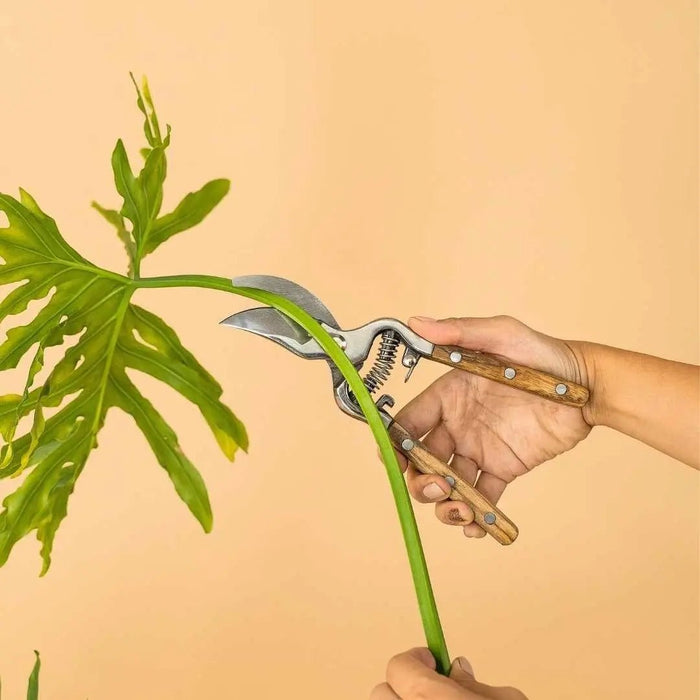
- Prune in the morning when the tree is fully hydrated
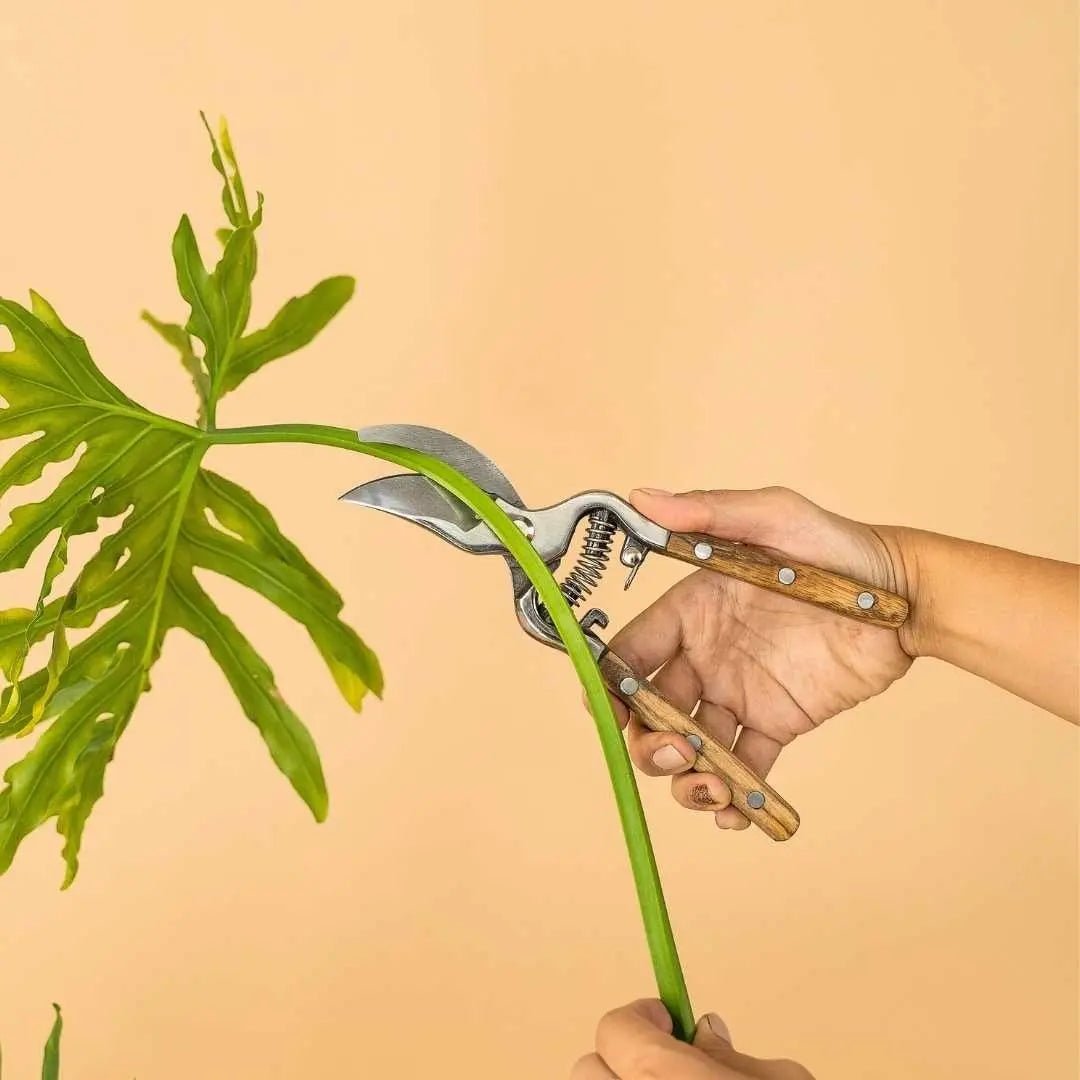
- Use clean, sharp scissors or bonsai shears
- Remove crossing branches, dead wood, and any growth that disrupts your intended shape
- Light, frequent pruning is better than heavy, infrequent cuts
- After pruning, a flush of new growth typically appears within 2–3 weeks
Common Problems and Solutions
Leaf drop: The most common complaint. Often triggered by a sudden change in environment — moving the plant, a change in temperature, or inconsistent watering. Give it 2–3 weeks to adjust before worrying.
Yellow leaves: Usually overwatering or insufficient light. Check soil moisture and your light source first.
Leggy, sparse growth: Not enough light. Move closer to a window or add a grow light. [LINK: /collections/grow-lights]
Pests: Spider mites and scale insects occasionally appear, especially in dry, air-conditioned rooms. Wipe down leaves regularly and treat early with neem oil or insecticidal soap.
Is the Everfresh Tree Right for You?
The everfresh tree is a fantastic choice for Singapore plant owners who want an indoor tree with genuine visual impact. It rewards attentive care with lush, feathery growth and a sculptural presence that few other houseplants can match. With the right light, a well-draining soil mix, and consistent watering, this is a plant that will be with you for years — growing more beautiful with each passing season.
Shop plants and accessories at Tumbleweed Plants — Singapore's online plant store with same-day delivery.
Quick summary
Key Takeaways
- What Is the Everfresh Tree?
- Light Requirements
- Watering Your Everfresh Plant
- Soil and Potting Mix
- Humidity and Temperature
- Fertilising
Ready to bring some green into your home?
Browse 250+ hand-picked plants, curated for Singapore homes — delivered to your door.
Browse All Plants →