How to Choose the Right Planter for Your Indoor Plants (2026 Guide)
Posted on April 08 2026
 In this guide
Shop planters
64 in the collection · Free delivery above $99
In this guide
Shop planters
64 in the collection · Free delivery above $99
In this article
Choosing the right planter is more than an aesthetic decision. The material, size, drainage, and weight of your planter directly affect your plant's health and your own ease of care. In Singapore's tropical climate — with our heat, humidity, monsoon rains, and the realities of HDB and condo living — getting the planter choice right matters.
This guide breaks down everything you need to know to choose well.
Quick Reference Table
Why Planter Choice Matters in Singapore
Singapore's year-round heat and humidity create a specific set of conditions that affect planter performance:
- High temperatures mean soil dries faster in porous materials like terracotta — great for drought-tolerant plants, but requires more frequent checking for moisture-loving ones
- Monsoon season (November–January and May–July) brings heavy rain — outdoor planters must drain effectively to prevent waterlogging
- Air-conditioning indoors slows soil drying, meaning non-porous planters (ceramic, plastic) can hold moisture for longer than expected
- HDB balcony weight limits — Singapore's HDB flats have load-bearing limits for balcony floors. Heavy planters (concrete, large ceramic) must be positioned carefully, ideally near structural walls or columns
Material Guide
Terracotta
Terracotta (unglazed fired clay) is one of the best materials for plants that prefer to dry out between waterings — succulents, cacti, most herbs, and Mediterranean plants like lavender.
Pros:
- Porous walls allow air and moisture exchange with roots
- Excess water evaporates through the walls, reducing root rot risk
- Natural, attractive appearance
Cons:
- Dries out quickly — in Singapore's heat, terracotta pots may need watering every day or two outdoors
- Can crack if exposed to thermal shock (very hot to very cold)
- Heavier than plastic; can break if dropped
Singapore tip: Terracotta works exceptionally well on sunny balconies for drought-tolerant plants. For moisture-loving plants indoors, you may find yourself watering too frequently — a glazed or plastic pot may be more practical.
Glazed Ceramic
Glazed ceramic pots are non-porous — the glaze seals the clay walls, preventing moisture evaporation. They retain moisture longer than terracotta.
Pros:
- Beautiful, wide range of designs and colours
- Moisture-retentive — better for plants that like consistent moisture
- Durable, long-lasting
Cons:
- Heavy — large glazed ceramic pots can be very difficult to move
- Can be expensive
- Ensure there's a drainage hole; many decorative ceramic pots are sold without one (use as a cachepot, or drill a hole)
Singapore tip: Glazed ceramic pots are popular in Singapore condos for their aesthetic appeal. If placing on high shelves or in HDB flats with weight-sensitive balconies, check the weight before purchasing.
Plastic
Plastic pots are the practical workhorse of the plant world. Lightweight, affordable, and available in every size, they're the default choice for nurseries worldwide.
Pros:
- Very lightweight — easy to move and reposition
- Inexpensive
- Wide size range
- Non-porous — retains moisture well
Cons:
- Less aesthetically appealing than ceramic or terracotta
- UV degradation — outdoor plastic pots become brittle and crack over time in Singapore's intense sun (usually within 1–2 years for cheaper plastics)
- Less premium feel for display purposes
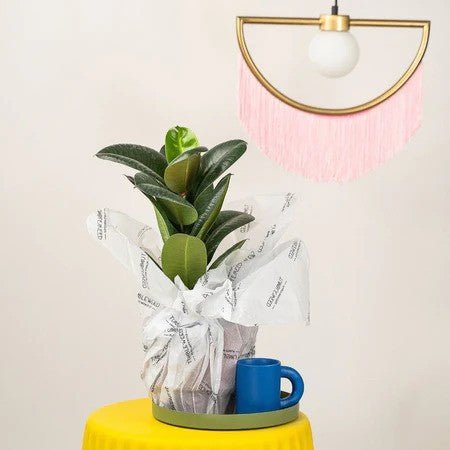
Singapore tip: Use plastic pots as functional inner pots, hidden inside a more attractive cachepot (a pot without drainage holes used purely for display). This lets you water without removing the plant, then drain properly.
Fibreglass
Fibreglass planters have become increasingly popular in Singapore for balcony and garden use because they solve a common problem: the look of ceramic or concrete at a fraction of the weight.
Pros:
- Lightweight despite looking like heavy ceramic or stone
- UV-resistant — holds up well outdoors in Singapore's sun
- Very durable — won't crack or break easily
- Available in large sizes suitable for big plants
Cons:
- More expensive than plastic
- Limited breathability (similar to glazed ceramic)
Singapore tip: Fibreglass planters are an excellent choice for HDB and condo balconies where weight is a concern but aesthetics matter. Large fibreglass planters for trees or palms are far safer on a balcony than equivalent concrete or ceramic options.
Concrete
Concrete planters offer an architectural, minimalist aesthetic that pairs beautifully with tropical foliage. However, they come with significant practical limitations.
Pros:
- Striking appearance
- Very durable outdoors
- Thermal mass moderates root temperature
Cons:
- Extremely heavy — a large concrete planter can weigh 20–50kg or more
- Usually lack drainage holes (though custom planters can include them)
- Can leach alkaline lime into soil, raising pH over time — problematic for acid-loving plants
- Not appropriate for HDB balconies without professional load assessment
Singapore tip: If you love the concrete look, consider fibreglass planters with a concrete finish — all the style, none of the weight penalty.
Self-Watering Planters
Self-watering planters have a dual-chamber design: the plant sits in the upper chamber with potting mix, while a lower water reservoir supplies moisture gradually via a wicking mechanism.
Pros:
- Ideal for busy households or frequent travellers
- Reduces overwatering risk
- Consistent moisture supply — excellent for moisture-loving plants like ferns and peace lilies
Cons:
- More expensive than standard planters
- The reservoir can become stagnant if not refreshed regularly (a concern in Singapore's heat)
- Not suitable for plants that prefer to dry out between waterings (succulents, cacti)
Singapore tip: Self-watering planters are particularly valuable for Singapore households that travel frequently during school holidays or Chinese New Year. Refill the reservoir before you leave for a short trip and most plants will stay healthy for 1–2 weeks.
The Importance of Drainage
Regardless of material, every planter used for living plants must have drainage holes (or be used as a cachepot over a pot that does). In Singapore's heat, it can be tempting to think "a little extra water won't matter" — but in warm conditions, waterlogged soil promotes rapid root rot.
If you fall in love with a decorative planter without a drainage hole, use it as a cachepot: place your plant in a smaller plastic nursery pot that fits inside, water normally, and allow it to drain before placing back in the decorative outer pot. Remove any standing water from the outer pot after watering.
Getting the Size Right
The general rule: choose a planter 2–5cm larger in diameter than the plant's current root ball. This applies both when first potting and when repotting.
Why this matters:
- Too small: Roots become cramped quickly; the plant dries out very fast
- Too large: Excess soil holds water the plant can't access, increasing root rot risk
For most houseplants, move up one pot size at a time (e.g., from 12cm to 15cm). For fast-growing plants like monsteras or banana trees, moving up 5cm is fine.
Weight Considerations for HDB and Condo Balconies
This is a genuinely important Singapore-specific factor. HDB flat balconies are designed to a specific load-bearing capacity, and very heavy planters can pose a risk if concentrated in one area.
Practical guidelines:
- Spread weight across the balcony floor — don't cluster all heavy pots in one corner
- Position heavier pots near structural walls or beams where possible
- Choose fibreglass over ceramic or concrete for large planters on balconies
- If you're planning a significant balcony garden with multiple large planters, consult a structural engineer or get advice from HDB
For condo owners, check your condominium's strata bylaws — some condos have restrictions on balcony weight loading or specific rules about large planters.
Style Matching
Beyond practicality, planters are a significant part of your interior or balcony design. Some guidelines:
- Modern, minimalist spaces — clean-line fibreglass or matte ceramic in neutral tones (white, grey, black, off-white)
- Tropical or Japandi aesthetic — natural terracotta, textured ceramic, bamboo basket planters
- Industrial or urban — concrete-finish fibreglass, matte black metal
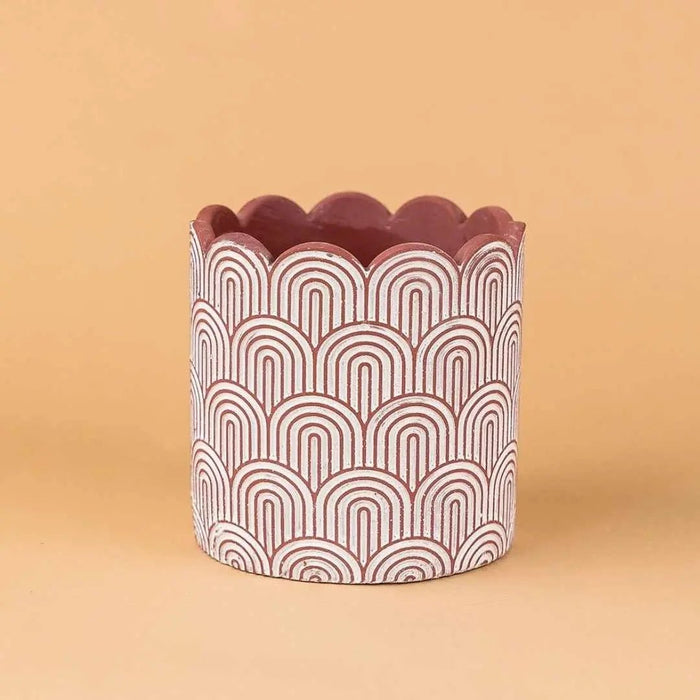
- Classic or traditional — ornate glazed ceramic, patterned pottery
In Singapore homes, where indoor spaces often flow visually to balconies, creating a consistent planter style across both indoor and outdoor spaces creates a cohesive, considered look.
---
Explore our full range of planters for every style and space:
Order: Same-Day Plant Delivery Singapore
Quick summary
Key Takeaways
- Quick Reference Table
- Why Planter Choice Matters in Singapore
- Material Guide
- The Importance of Drainage
- Getting the Size Right
- Weight Considerations for HDB and Condo Balconies
Ready to bring some green into your home?
Browse 250+ hand-picked plants, curated for Singapore homes — delivered to your door.
Browse All Plants →Shop planters
View all 64-
 Scandi Rib Cloudstone Pot – XL
From €27,95
Scandi Rib Cloudstone Pot – XL
From €27,95
-
 Haven Pot
From €137,95
Haven Pot
From €137,95
-
 Cube Rock Pot - XL
€114,95
Cube Rock Pot - XL
€114,95
-
 HydroEase Tall Self-Watering Planter - XL
From €95,95
HydroEase Tall Self-Watering Planter - XL
From €95,95


Hand-delivered by our delivery team. Pick your delivery date at checkout.