















Large Planters in Singapore: How to Choose the Right Pot for Statement Indoor Plants
Posted on August 05 2026
A large planter can turn a single indoor plant into a proper focal point — the kind of piece that anchors a living-room corner, entryway, balcony-adjacent space or office reception. In Singapore homes, though, choosing the right pot is not just about looks. The wrong size or drainage setup can keep roots too wet, make watering messy, or make a compact HDB corner feel crowded.
This guide explains how to choose large planters in Singapore for statement indoor plants, with practical tips on sizing, drainage, materials and styling.
Quick large planter checklist
- Size: Choose a pot that is only slightly larger than the grow pot unless you are using it as a decorative cover pot.
- Drainage: Drainage holes are best for direct planting; cachepots need a removable inner grow pot.
- Shape: Tall shapes suit upright plants; rounder shapes soften corners and broad foliage.
- Material: Lightweight resin or stone-look pots are easier to move in apartments; clay and ceramic feel more grounded.
- Placement: Check light, walking space and watering access before styling the final corner.
Table of contents
- How large should your planter be?
- Drainage vs cachepot setup
- Choosing materials and shapes
- Where to place large planters in Singapore homes
- Common mistakes to avoid
- FAQ

How large should your planter be?
If you are repotting directly into a large planter, avoid jumping too many pot sizes at once. A pot that is much bigger than the root ball holds more potting mix, which stays wet longer in Singapore’s humidity. For most indoor plants, moving up one practical size is safer than choosing the biggest pot available.
If you want the look of a larger decorative planter without disturbing the roots, use the planter as a cachepot: keep the plant in its nursery grow pot, place it inside the decorative pot, and remove it for watering. This gives you the visual scale without forcing the plant into too much soil.
Start with Tumbleweed’s large planters collection if you are styling bigger foliage, floor plants or broad statement corners.
Drainage vs cachepot setup
For direct planting, drainage holes are strongly recommended. They allow excess water to leave the pot, which helps prevent root rot. If the planter does not have drainage, use it as a cover pot instead of planting directly into it.
- Direct planting: Use a planter with holes, a suitable mix and a saucer or protected surface.
- Cachepot styling: Keep the plant in its grow pot, remove it to water, let it drain fully, then return it.
- Balcony-adjacent spots: Check whether rain can enter the pot and create hidden standing water.

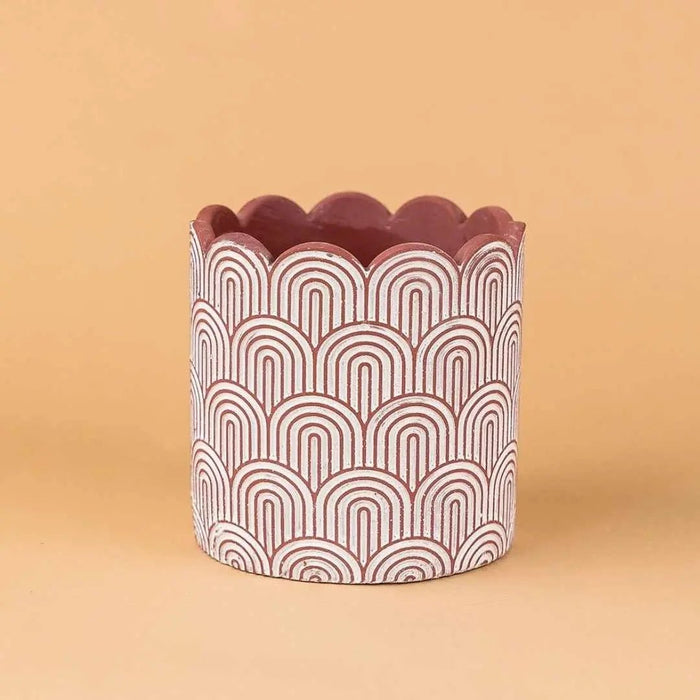
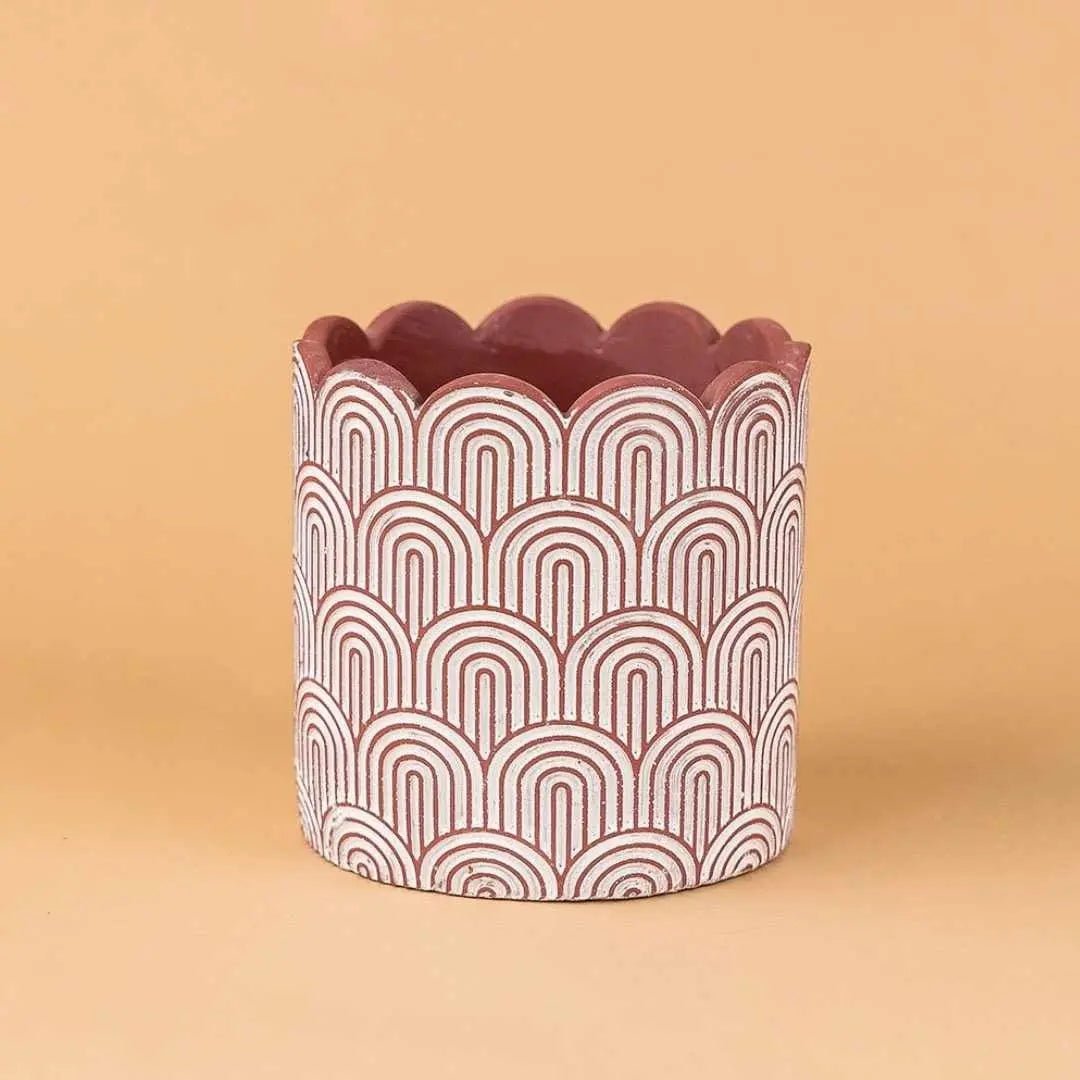
Aurora Clay Pot XL
A warm clay-style planter for brighter rooms, balconies and earthy interiors.

Choosing materials and shapes
Large planters have visual weight, so match the material to both the room and the plant. Stone-look or resin planters are useful when you want scale without making the pot too heavy to shift. Ceramic and clay planters feel more substantial and can suit warm, natural interiors.
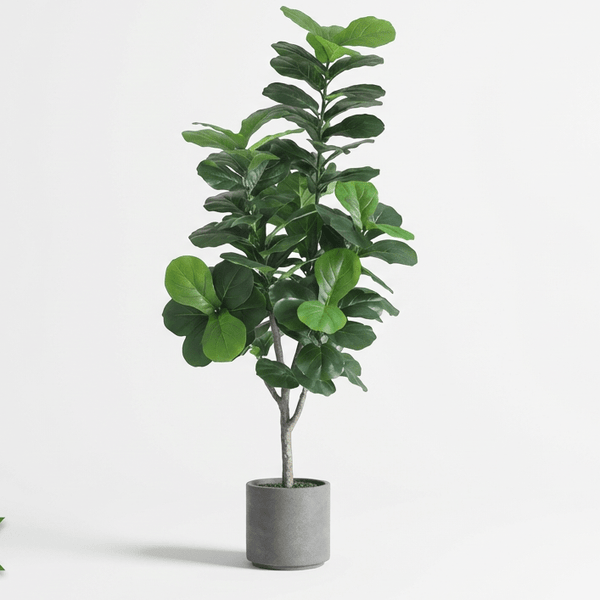
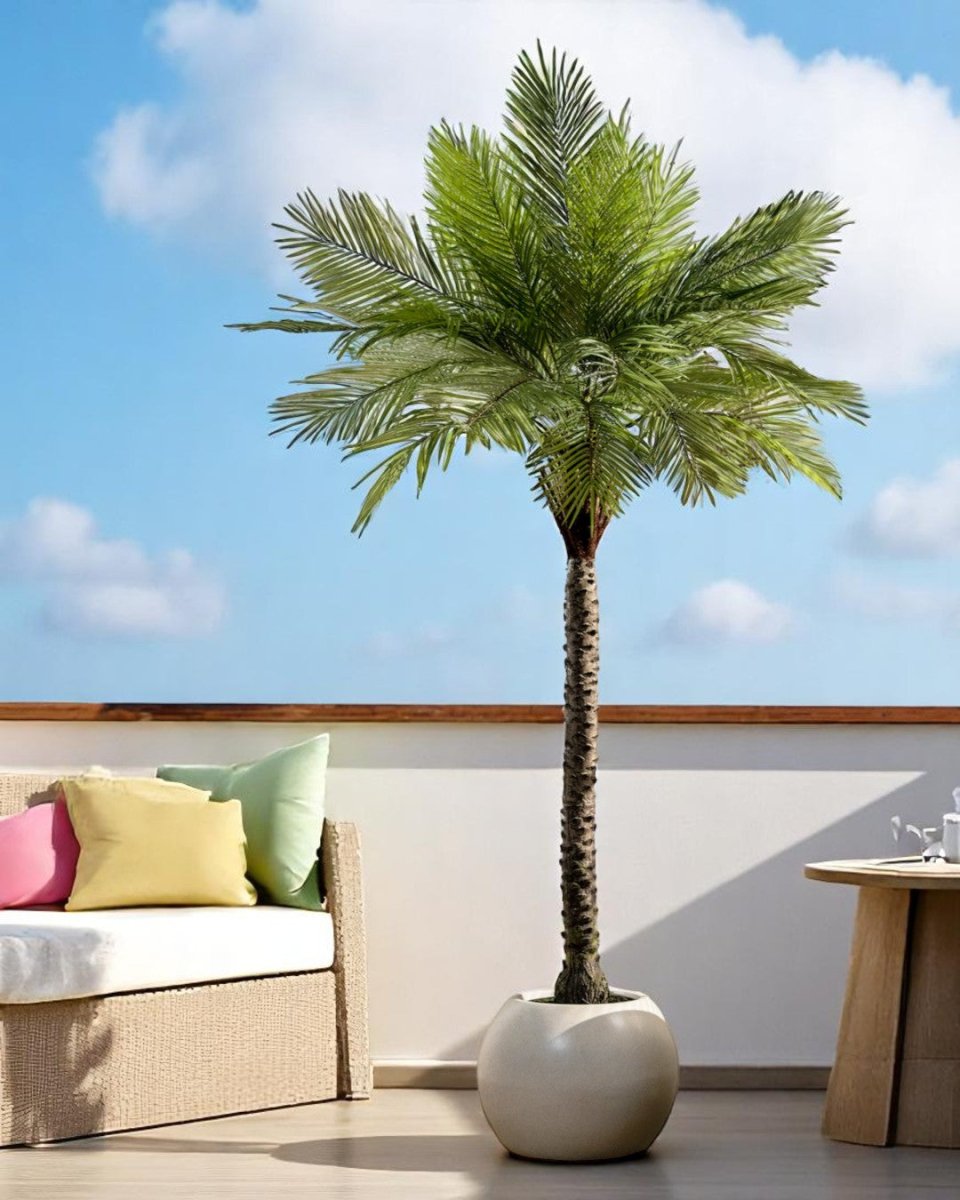
For upright plants such as Ficus, Dracaena, Olive Tree or taller palms, a taller cylindrical or tapered planter helps lengthen the silhouette. For broad foliage or lower plantings, rounded planters can soften the corner and make the arrangement look more relaxed.
Where to place large planters in Singapore homes
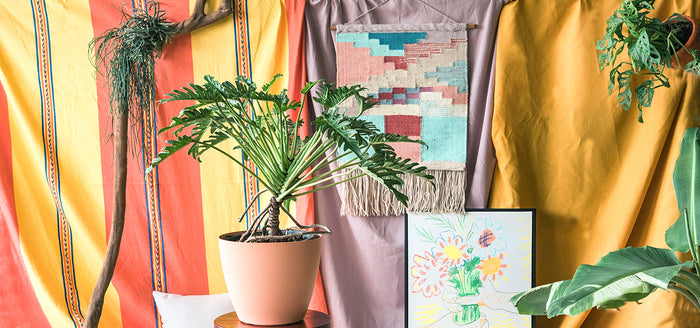
Before choosing the final pot, check the plant’s light needs. A beautiful planter cannot make up for a dark corner if the plant needs bright light. For HDB and condo homes, common large-planter spots include living-room windows, entryway corners with daylight, sheltered balcony edges and bright office corners.
Leave enough space around the pot for watering, cleaning and leaf growth. If the planter sits near air-conditioning, watch the soil more closely: some plants dry faster, while others dislike cold dry airflow on their leaves.
Common large planter mistakes to avoid
Choosing a pot that is too big for the roots
Oversized pots can stay wet for too long. Use a cachepot setup if you want a bigger look without overpotting.
Forgetting drainage
Standing water is easy to miss in deep decorative pots. Always check after watering.
Styling before checking light
Choose the plant’s placement based on light first, then choose the planter that fits that spot.
Ignoring floor protection
Use a saucer, liner or removable inner pot to protect timber, rugs and porous flooring.
Large planter styling formula
- Pick the plant based on the room’s actual light.
- Use a pot scale that balances the plant canopy and the furniture nearby.
- Choose drainage or cachepot styling before watering day.
- Repeat one colour or material from the room for a more intentional look.
- Keep the setup easy to move or access for plant care.
FAQ: large planters in Singapore
Can I plant directly into a large decorative planter?
Yes, if it has drainage holes and you use a suitable potting mix. If it has no drainage, use it as a cover pot with a removable inner grow pot.
How do I know if a large planter is too big?
If there is far more soil than roots, the mix may stay wet too long. Move up gradually, or use the larger pot as a decorative cachepot.
Are lightweight planters better for HDBs and condos?
They can be more practical if you need to rotate the plant, clean the floor or move it for watering. Heavier planters can work well when the location is permanent.
Which plants look best in large planters?
Statement foliage such as Ficus, Dracaena, Monstera, Olive Tree, palms and larger Philodendrons often suit large planters, provided the light conditions match the plant.
Ready to style a statement plant?
Browse Tumbleweed’s large planters and plant pots to find the right scale, shape and finish for your Singapore home.