















Best Air-Purifying Houseplants Ranked
Posted on April 16 2026
In this article

Target keyword: `best houseplants for air quality` / `air purifying plants singapore`
Monthly search volume: ~22,000–30,000 combined
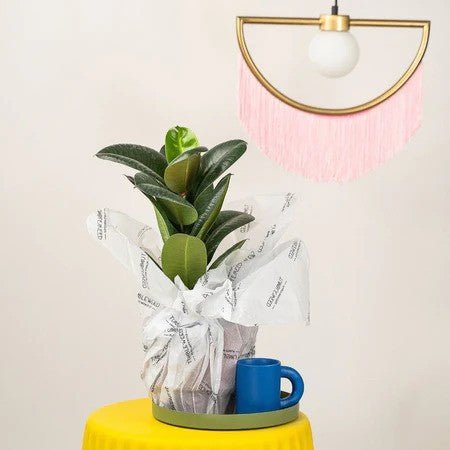
Intent: Informational + high purchase intent (popular topic with strong buying motivation)
Pillar: B (Buying Guide)
Publish date: Week 2, Day 4
CTA: Link to featured plants / air-purifying plant bundle if available
Tags: air purifying plants, best indoor plants, air quality, NASA clean air study, singapore plants, haze season, HDB plants
---
THUMBNAIL SPEC
Size: 1200×630 px (Open Graph / blog card)
Composition: Flat-lay or styled shelf shot of 3–4 air-purifying plants (snake plant, peace lily, spider plant, bamboo palm) against a clean white or light grey background
Text overlay: "Best Air-Purifying Plants" (large) + "Tumbleweed Plants Singapore" (small, bottom-right)
File name: `blog-11-air-purifying-plants-singapore-thumbnail.jpg`
Alt text: `Best air-purifying houseplants for Singapore homes — snake plant, peace lily, spider plant and bamboo palm styled on a shelf`
Source suggestion: Original product photography or styled flat-lay shot from your plant inventory
---
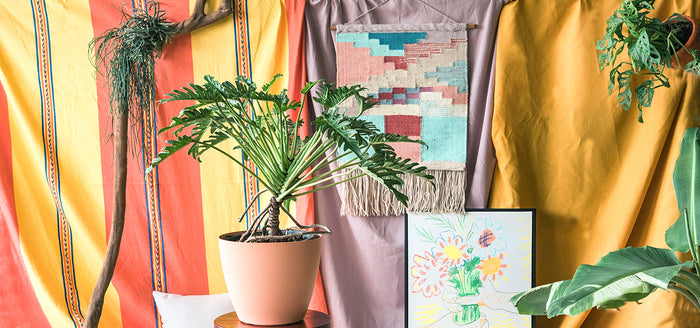
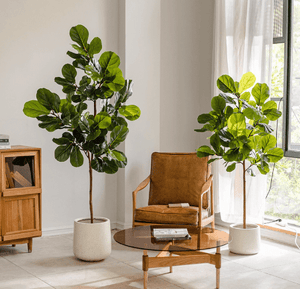
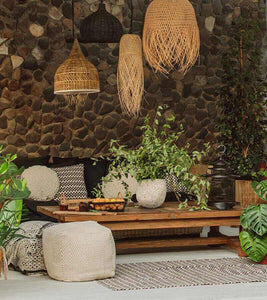
A well-planted Singapore living room — snake plant, peace lily, and bamboo palm working together to improve indoor air quality. Shop air-purifying plants
Houseplants have been credited with cleaning indoor air for decades — and while the science is more nuanced than the popular headlines suggest, there's real evidence that certain plants do remove volatile organic compounds (VOCs) from indoor air. More importantly, plants have well-documented benefits for mood, focus, and stress reduction regardless of their filtration capacity.
In Singapore, air-purifying plants have extra relevance: haze season (typically August to October) pushes the Pollutant Standards Index (PSI) into unhealthy ranges, and high-rise HDB and condo living often means less natural cross-ventilation than landed homes. Add year-round tropical heat that keeps windows closed for air-conditioning, and indoor air quality becomes something every Singapore household should think about.
This guide covers the best air-purifying plants, the science behind the claims, and which plants to buy for your specific situation — with notes on what works best in Singapore's climate.
---
Why Air-Purifying Plants Matter in Singapore
Singapore's indoor air quality challenges are distinct from those in temperate countries:
Haze season (Aug–Oct): Transboundary haze from regional land-clearing fires regularly pushes Singapore's PSI into the "Unhealthy" (101–200) and occasionally "Very Unhealthy" (201–300) range. The NEA (National Environment Agency) monitors air quality in real time. During haze, keeping windows shut means indoor air accumulates other pollutants from cooking, cleaning products, and furniture off-gassing.
High-rise HDB and condo living: Most Singaporeans live in high-density, well-sealed apartments. Without consistent cross-ventilation, VOCs from paints, adhesives, cleaning products, and electronic equipment build up more readily than in a landed home with open windows.
Air-conditioning dependency: Singapore's year-round heat means most homes run air-conditioning for extended periods. AC recirculates indoor air without bringing in fresh outdoor air, making indoor air filtration more relevant.
Year-round growing conditions: The silver lining — Singapore's tropical climate means these plants thrive indoors year-round without the dormancy concerns of temperate countries. No seasonal die-back, no heating stress. Most air-purifying plants listed here are "always on" in Singapore's conditions.
Same-day delivery available: Many of these plants are available for same-day delivery across Singapore, so you can start improving your indoor air quality today.
Singapore-specific air quality challenges and how plants help. During haze season, indoor plants provide a complementary layer of air filtration alongside air purifiers.
Source suggestion: Custom illustrated infographic — PSI scale (NEA colour coding), cross-section of HDB flat showing air circulation, arrows showing VOC sources and plant filtration zones.
---
The Science: What NASA Actually Found

The famous NASA Clean Air Study (1989) placed plants in sealed chambers and measured their ability to remove benzene, formaldehyde, and trichloroethylene. Plants performed well in that setting.
The honest caveat: A 2019 study in Journal of Exposure Science & Environmental Epidemiology analysed the original research and found that to meaningfully clean the air in an average-sized room, you'd need 100–1,000 plants per square meter — far more than any home setup.
What this means: Plants won't replace an air purifier for serious air quality concerns (especially during Singapore's haze season). But they do:
- Remove low levels of VOCs continuously over time
- Add humidity to air-conditioned indoor environments (which tend to be dry)
- Host soil microbiomes that may play a larger role in air filtration than the leaves
- Provide documented psychological and productivity benefits
With that said, here are the plants with the strongest research-backed air-purifying profiles.
Top 5 air-purifying plants compared by VOC removal profile and care difficulty. All five are available at Tumbleweed Plants Singapore.
Source suggestion: Product photography of each plant in matching white pots, arranged in a 5-column grid. Overlay care difficulty icons (1–3 leaves) and VOC pollutant badges.
---
Top 10 Air-Purifying Houseplants
1. Peace Lily (*Spathiphyllum wallisii*)
Air pollutants targeted: Benzene, formaldehyde, trichloroethylene, acetone, ammonia
Light: Low to medium indirect
Water: Weekly when dry
Care level: Easy
Singapore suitability: Excellent — thrives in humid, shaded conditions common in HDB interiors
Peace lilies topped NASA's original clean air study. They remove more VOC types than almost any other plant and are one of the few that also absorb acetone and ammonia (common in cleaning products). The dramatic drooping when thirsty makes watering timing easy.
In Singapore, peace lilies do particularly well because they love humidity and indirect light — exactly what a typical HDB corridor-facing room provides. They don't need direct sunlight and are one of the best plants for north-facing units.
Best for: Offices, bathrooms (tolerates low light + removes ammonia)
Watch out: Toxic to cats and dogs — see our pet-friendly plant collection if you have pets
---
2. Spider Plant (*Chlorophytum comosum*)
Air pollutants targeted: Formaldehyde, carbon monoxide, xylene
Light: Bright indirect to medium
Water: Every 7–10 days
Care level: Very easy
Singapore suitability: Excellent — fast-growing in Singapore's warmth; produces plantlets year-round
Spider plants remove formaldehyde and carbon monoxide — both commonly released by gas appliances, cigarette smoke, and vehicle exhaust that seeps indoors. One of the safest plants for homes with pets and children.
For Singapore households with gas hobs, spider plants in the kitchen area make practical sense. They're also incredibly prolific in tropical warmth — expect a healthy spider plant to produce several "babies" (spiderettes) per year that you can propagate and spread around your home.
Best for: Kitchens (gas stoves release CO), high-traffic areas
Watch out: Mildly hallucinogenic to cats (they'll eat it — harmless but messy)
---
3. Snake Plant (*Dracaena trifasciata*)
Air pollutants targeted: Benzene, formaldehyde, trichloroethylene, xylene, nitrogen oxides
Light: Low to bright indirect
Water: Every 2–6 weeks
Care level: Very easy
Singapore suitability: Excellent — one of the most forgiving plants in Singapore's conditions; thrives even in rooms with minimal light
Unique feature: snake plants perform CAM photosynthesis, meaning they release oxygen at night rather than during the day. This makes them a popular bedroom plant. Also removes nitrogen oxides produced by gas cooking and heating.
Snake plants are arguably the most foolproof air-purifying plant for Singapore homes. They tolerate air-conditioning, low light, and irregular watering — all common realities in busy Singapore households. Browse our full snake plant collection.
Best for: Bedrooms, offices, rooms with poor light
Watch out: Toxic to pets — see our pet-friendly alternatives
---
4. Boston Fern (*Nephrolepis exaltata*)
Air pollutants targeted: Formaldehyde, xylene, toluene
Light: Bright indirect
Water: Frequently — soil should stay slightly moist
Care level: Moderate (needs humidity)
Singapore suitability: Very good — Singapore's ambient humidity is a natural advantage; avoid placing directly under AC vents
Boston ferns ranked highest for formaldehyde removal among all plants tested in multiple studies. They also add significant humidity to dry indoor air — useful if your home runs air-conditioning for extended periods. The trade-off: they're more demanding than most plants on this list.
In Singapore, Boston ferns benefit from the naturally high outdoor humidity, but air-conditioned interiors can be drier than they like. Placing them in a bathroom with a window, or away from direct AC airflow, solves this.
Best for: Humid rooms, bathrooms with bright windows, near HVAC vents
Watch out: Not drought tolerant — they'll drop leaves quickly if underwatered or placed directly under AC vents
---
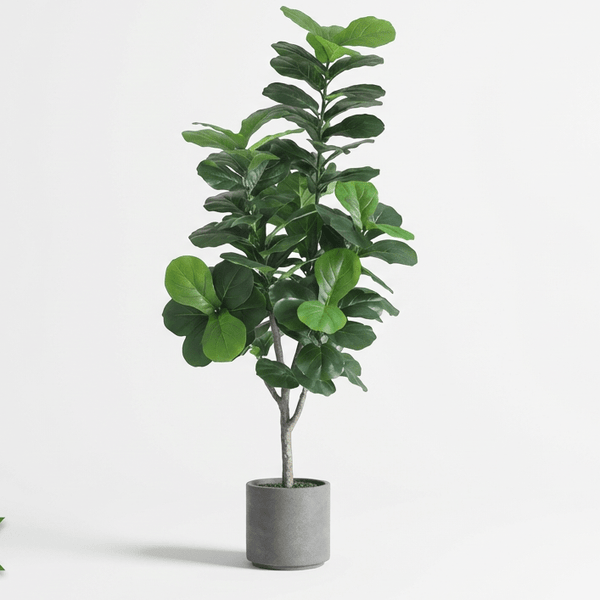
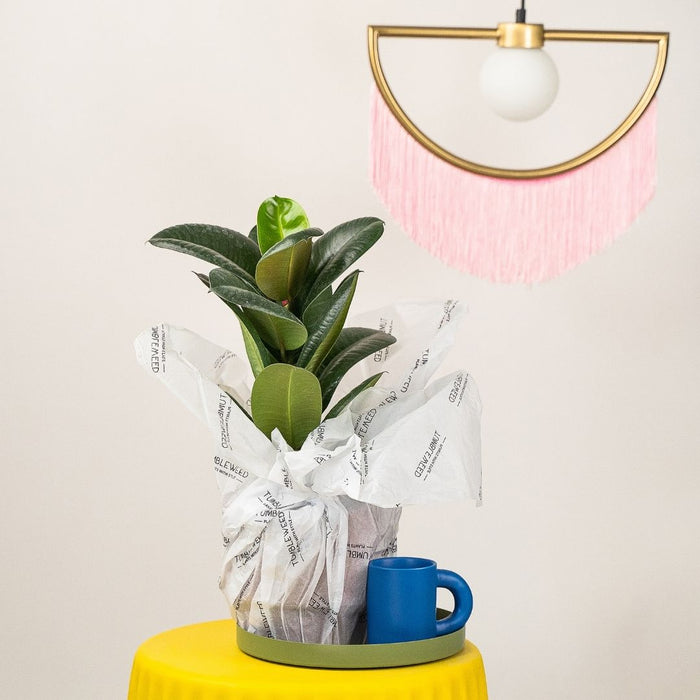
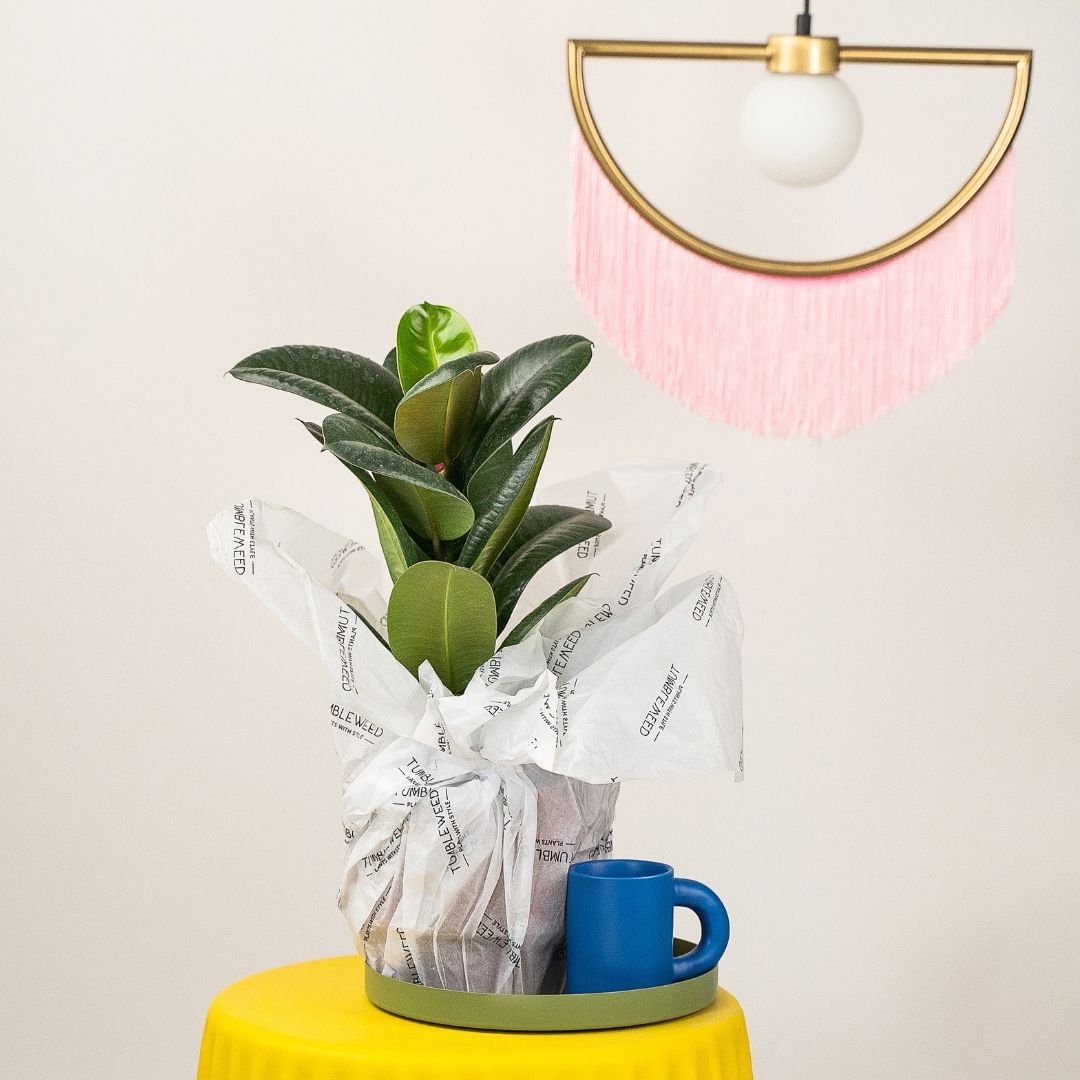
5. Rubber Plant (*Ficus elastica*)
Air pollutants targeted: Formaldehyde, xylene, ammonia
Light: Bright indirect
Water: Every 1–2 weeks
Care level: Easy to moderate
Singapore suitability: Excellent — fast-growing in Singapore's warmth; can become a statement tree in 1–2 years
Large glossy leaves give rubber plants one of the highest leaf surface areas for air filtration. They're also one of the easiest large-format plants to grow indoors. In Singapore's year-round warmth, rubber plants can grow exceptionally fast — a small plant can become a 1.5m statement piece within a couple of years with good light.
Best for: Living rooms, offices with bright windows
Watch out: Toxic to pets; sap can irritate skin
---
6. Dracaena (*Dracaena marginata, D. fragrans, D. reflexa*)
Air pollutants targeted: Benzene, formaldehyde, trichloroethylene, xylene
Light: Medium to bright indirect
Water: Every 1–2 weeks
Care level: Easy
Singapore suitability: Excellent — widely available in Singapore; very tolerant of indoor conditions
The dracaena family (corn plant, dragon tree, Janet Craig) are workhorses for air purification with low maintenance requirements. They're particularly good at removing benzene and trichloroethylene (from paints, adhesives, and dry-cleaning products).
For new BTO or resale flats undergoing renovation, dracaenas are a smart choice: renovation materials (paints, sealants, adhesives) off-gas heavily for the first 6–12 months, and dracaenas are purpose-built to absorb those compounds.
Best for: Living rooms, offices, new construction (where off-gassing from materials is highest), post-renovation HDB and condo units
Watch out: Toxic to pets
---
7. Aloe Vera (*Aloe barbadensis miller*)
Air pollutants targeted: Benzene, formaldehyde
Light: Bright indirect to some direct sun
Water: Every 2–3 weeks
Care level: Easy
Singapore suitability: Good — thrives on window ledges with direct morning sun; may need less frequent watering in Singapore's humidity
Aloe is particularly useful in rooms where cleaning products are used — formaldehyde and benzene are common in household cleaners and paints. When aloe's leaves develop brown spots, some claim it indicates high levels of chemicals in the air (though this is more likely environmental stress than an air quality "alarm").
Best for: Kitchens, laundry rooms, windowsills
Watch out: Toxic to pets; very intolerant of overwatering — Singapore's humidity means soil stays wet longer, so err on the side of less watering
---
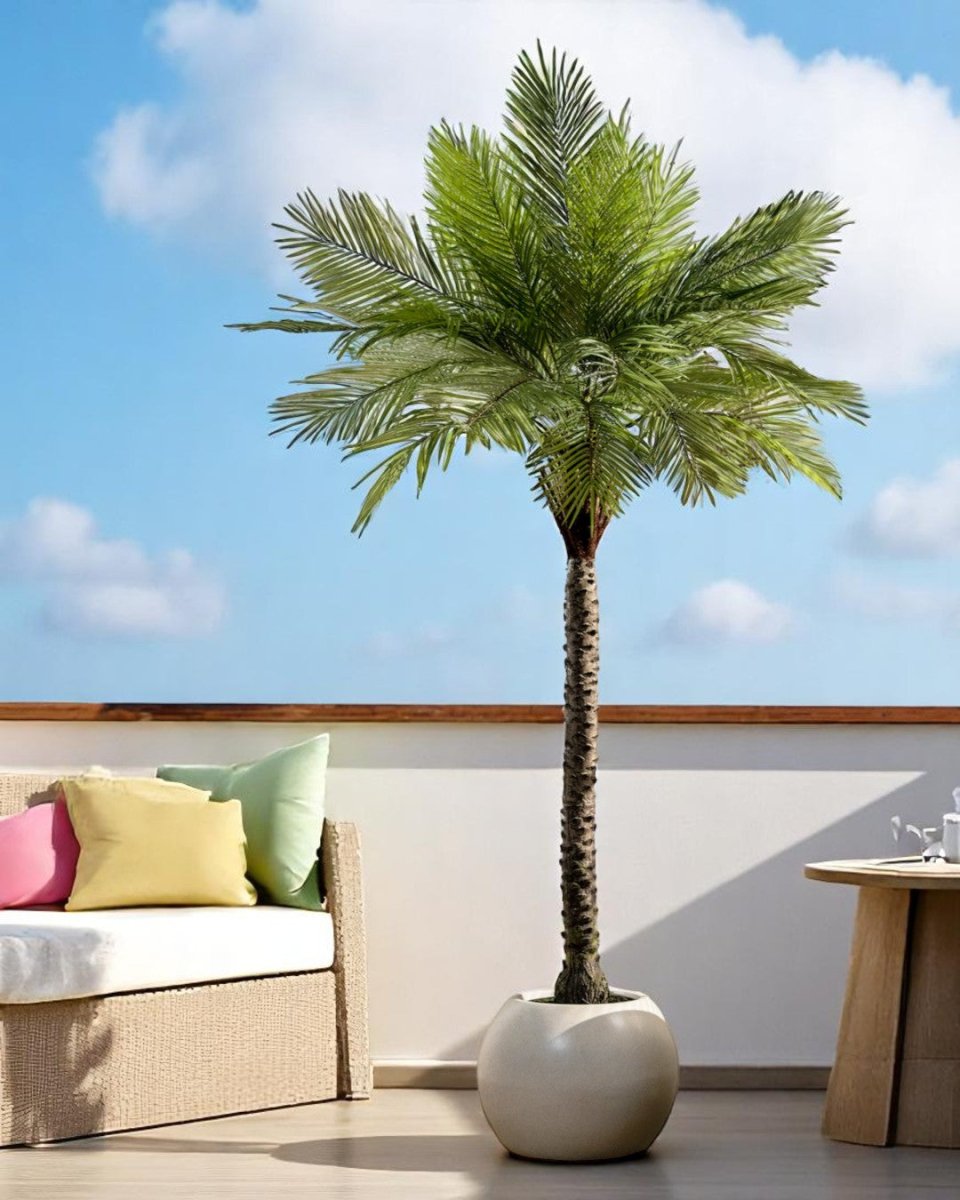
8. Bamboo Palm (*Chamaedorea seifrizii*)
Air pollutants targeted: Formaldehyde, benzene, trichloroethylene, xylene, toluene
Light: Bright indirect
Water: Every 1–2 weeks
Care level: Easy to moderate
Singapore suitability: Excellent — loves humidity and warmth; one of the best large air-purifying plants for Singapore condos
Bamboo palms are one of the highest-rated plants in NASA's study for overall VOC removal. They also act as natural humidifiers. Pet-safe, which is rare among high-performing air-purifying plants.
For Singapore condo living rooms, bamboo palms are a top pick: they're large enough to make an architectural statement, tolerate the bright indirect light typical of high-floor units, and are completely safe for pets and children.
Best for: Living rooms, areas with pets, Singapore condo common areas
Watch out: Likes humidity — avoid placing directly under AC vents; otherwise well-suited to Singapore conditions
---
9. English Ivy (*Hedera helix*)
Air pollutants targeted: Formaldehyde, benzene, trichloroethylene, mold spores
Light: Medium to bright indirect
Water: When top inch of soil is dry
Care level: Easy
Singapore suitability: Moderate — can struggle in Singapore's heat; best in air-conditioned rooms with bright indirect light
English ivy is one of the few plants shown to reduce airborne mold spores — making it particularly useful in bathrooms, basements, and other damp areas. Also effective at removing VOCs from tobacco smoke.
Note for Singapore: English ivy is less commonly grown here than in temperate countries, and can struggle in outdoor conditions. Indoors in a cool, air-conditioned room with good light it performs well — particularly relevant for the mold-spore filtration benefit, as Singapore's humidity means bathrooms and damp corners are prone to mold.
Best for: Bathrooms, damp rooms, homes with allergy sufferers
Watch out: Toxic to pets and children if ingested; can be invasive outdoors — keep strictly as an indoor plant in Singapore
---
10. Chrysanthemum (*Chrysanthemum morifolium*)
Air pollutants targeted: Benzene, formaldehyde, ammonia, xylene
Light: Bright indirect to some direct morning sun
Water: Every 5–7 days, keep moist
Care level: Moderate
Singapore suitability: Good — available seasonally; best displayed during active bloom for maximum air-purifying effect
Chrysanthemums ranked highest for benzene removal in NASA's original study — better than any other plant tested. The drawback: they're seasonal bloomers, and the air-purifying activity correlates with active flowering. Keep them blooming for maximum effect.
In Singapore, chrysanthemums are commonly available at nurseries and plant shops. They're particularly useful for homes near busy roads (PIE, CTE, AYE) where benzene from vehicle exhaust seeps indoors.
Best for: Living rooms, homes near expressways (benzene from exhaust)
Watch out: Toxic to pets; requires more light and attention than others on this list
---
Air Purification by Room

Room-by-room plant placement guide for a typical Singapore HDB or condo unit. Click to enlarge.
Source suggestion: Illustrated HDB floor plan (3-room or 4-room layout) with plant icons and labels in each room. Style: clean line illustration with plant silhouettes.
Bedroom: Snake plant (nighttime oxygen), peace lily, spider plant
Kitchen: Spider plant (CO from gas stoves), aloe vera (cleaning products), chrysanthemum
Bathroom: English ivy (mold spores), peace lily, bamboo palm (humidity)
Study / home office: Dracaena, rubber plant, snake plant (VOCs from printers/electronics and toner cartridges)
Living room: Bamboo palm, peace lily, rubber plant
Balcony / corridor-facing rooms: Bamboo palm, Boston fern (love the humidity gradient near sliding doors)
---
How Many Plants Do You Need?
For meaningful air quality improvement, the research suggests 1 medium to large plant per 100 square feet as a starting point. More is better — and the psychological benefits of having plants around are substantial regardless of the air filtration quantity.
For a typical Singapore 4-room HDB (approximately 90 sqm / ~970 sq ft), aim for 8–10 medium-to-large plants distributed across rooms. A 3-room flat (~65 sqm) could start with 6–7 plants. During haze season, consider increasing plant density in the rooms you spend the most time in, and run an air purifier alongside your plants for serious PSI events.
---
Shop Air-Purifying Plants in Singapore

Browse our curated air-purifying plant collection — all species selected based on research-backed filtration profiles and suitability for Singapore's climate.
Have pets? Our pet-friendly plant collection filters out the toxic species so you can shop safely.
Need plants fast? Many of these are available for same-day delivery across Singapore — order before noon for same-day dispatch.
Looking specifically for snake plants? Browse our full snake plant range — one of Singapore's most popular and forgiving air-purifying plants.
---
Which air-purifying plants do you have at home? Let us know in the comments.
---
Quick summary
Key Takeaways
- Why Air-Purifying Plants Matter in Singapore
- The Science: What NASA Actually Found
- Top 10 Air-Purifying Houseplants
- Air Purification by Room
- How Many Plants Do You Need?
- Shop Air-Purifying Plants in Singapore
Ready to bring some green into your home?
Browse 250+ hand-picked plants, curated for Singapore homes — delivered to your door.
Browse All Plants →