















Monstera Varieties: A Complete Guide to Every Species
Posted on April 16 2026
In this article
The World of Monstera Plants
Monstera has become one of the most iconic houseplant genera in the world, and for good reason. Their dramatic, fenestrated (holey) leaves bring an instant tropical statement to any room. In Singapore's warm, humid climate, monsteras grow exceptionally well — often faster and larger than in temperate regions.

But "monstera" isn't just one plant. The genus contains around 50 species, each with unique characteristics. Here's your complete guide to the most popular and collectible monstera varieties available in Singapore.
Popular Monstera Varieties

1. Monstera Deliciosa (Swiss Cheese Plant)
The original and most popular monstera. Its large, deeply split and perforated leaves can grow up to 90cm across in ideal conditions. In Singapore's tropical climate, a well-cared-for deliciosa can become truly massive.
- Leaf size: 30-90cm when mature
- Growth habit: Climbing vine — provide a moss pole for best results
- Light: Bright indirect (east or north-facing window ideal)
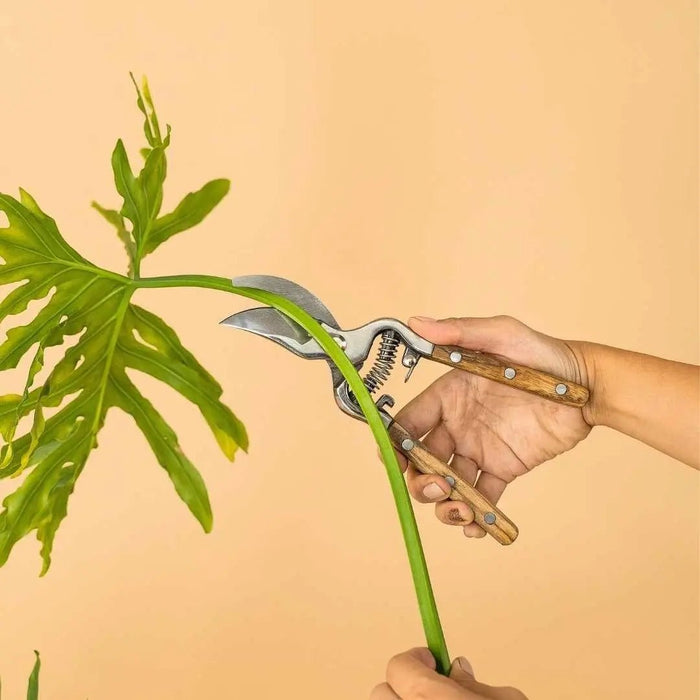
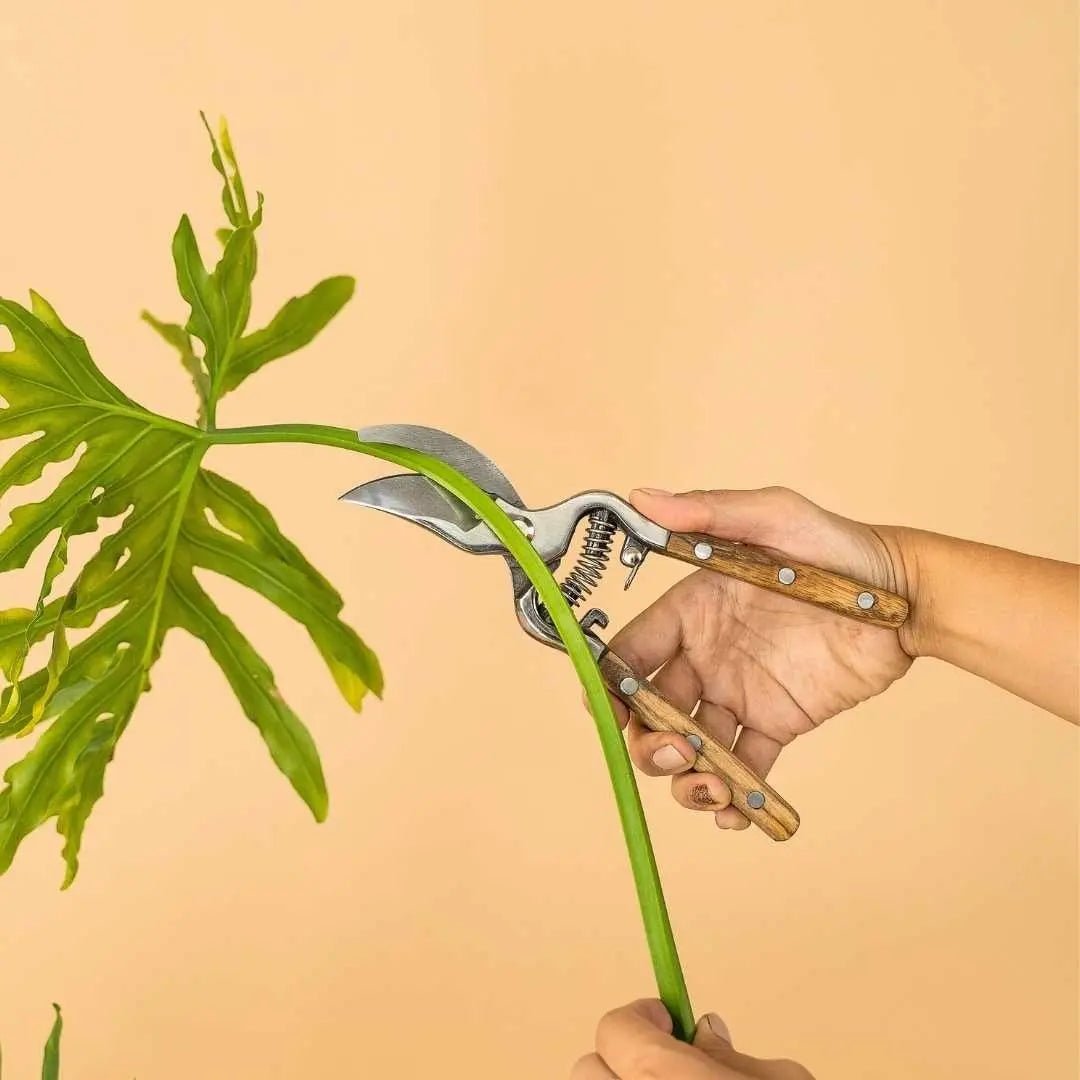
- Singapore tip: Grows vigorously year-round. Prune regularly to control size in HDB flats
- Fun fact: The fruit is edible when ripe — it tastes like a mix of banana and pineapple (hence "deliciosa")
2. Monstera Adansonii (Swiss Cheese Vine)
Often confused with deliciosa, the adansonii has smaller leaves (10-25cm) with holes that don't extend to the leaf edge. It's a vigorous trailing or climbing plant that grows beautifully in hanging baskets.
- Leaf size: 10-25cm
- Growth habit: Fast-growing trailing vine
- Light: Medium to bright indirect
- Singapore tip: Loves our humidity — grows significantly faster than in temperate climates
- Display ideas: Hanging basket, trailing from shelf, climbing a trellis
3. Monstera Deliciosa 'Thai Constellation'
The holy grail for many collectors. This tissue-cultured cultivar features stunning cream and white variegation splashed across its leaves. Each leaf is unique — some mostly green, others dramatically white.
- Leaf size: Similar to regular deliciosa (slightly smaller)
- Growth: Slower than regular deliciosa due to less chlorophyll
- Light: Bright indirect — needs more light than non-variegated forms
- Singapore tip: Protect from direct afternoon sun which can burn the white portions
- Price range: $80-500+ SGD depending on size and variegation
4. Monstera Deliciosa 'Albo Variegata'
The most sought-after monstera variety worldwide. Unlike Thai Constellation (which is stable), Albo variegation is unstable — each leaf is a surprise, and the plant can revert to all-green. This unpredictability drives its premium pricing.
- Variegation: Stark white sectors (not speckled like Thai Con)
- Growth: Slow, especially heavily variegated specimens
- Challenge: Maintaining variegation balance — too much white means less photosynthesis
- Singapore tip: Needs strong indirect light to maintain variegation without burning
5. Monstera Peru (Monstera karstenianum)
A unique monstera with no holes at all! Instead, it has thick, dark green leaves with a dramatic textured, puckered surface that almost looks reptilian. It's a compact climber, perfect for smaller Singapore homes.
- Leaf size: 5-10cm
- Growth habit: Compact climbing vine
- Light: Medium to bright indirect
- Singapore tip: More drought-tolerant than other monsteras — perfect for forgetful waterers
6. Monstera Siltepecana
An underrated beauty with silver-blue juvenile leaves that develop fenestrations as they mature. It's a vigorous grower in Singapore's climate and looks spectacular trailing from a hanging pot.
- Leaf size: 8-15cm (juvenile), larger when climbing
- Growth habit: Trailing when juvenile, climbing when mature
- Light: Medium indirect
- Singapore tip: Give it a moss pole to trigger the transition to mature leaf form
7. Monstera Dubia
One of the most fascinating monsteras. Juvenile plants have small, heart-shaped leaves with silver and dark green patterns that lie flat against their climbing surface (called shingling). Mature leaves develop fenestrations.
- Leaf size: 3-8cm (juvenile), up to 40cm (mature)
- Growth habit: Shingling climber — needs a flat board to climb
- Light: Medium to bright indirect
- Singapore tip: Mount on a plank of wood for the best shingling display
8. Monstera Pinnatipartita
Mature leaves develop deep pinnate splits (rather than holes) creating an elegant, palm-like appearance. Often confused with Monstera siltepecana in its juvenile form.
- Leaf size: Up to 50cm when mature
- Growth habit: Climbing vine
- Light: Bright indirect
- Singapore tip: Provide a sturdy moss pole — mature leaves are heavy
How to Care for Monstera Plants in Singapore
Light
Most monsteras thrive in bright, indirect light. In Singapore HDB flats, an east-facing window or a spot 1-2 metres from a south-facing window is ideal. Variegated varieties need more light than green forms to compensate for reduced chlorophyll.
Watering
Water when the top 2-3 inches of soil are dry. In Singapore's heat, this typically means weekly for most monsteras. Reduce slightly during our cooler, wetter months (November-January). Always ensure pots have drainage holes.
Humidity
Singapore's 70-80% ambient humidity is perfect for monsteras — one major advantage of growing them here. No need for humidifiers or pebble trays unless your home is heavily air-conditioned.
Soil
Use a chunky, well-draining aroid mix: 40% potting soil, 30% perlite, 20% orchid bark, 10% activated charcoal. This prevents root rot while retaining adequate moisture.
Support
Monsteras are natural climbers. Provide a moss pole, coco coir pole, or trellis for climbing varieties. Supported monsteras develop larger, more fenestrated leaves than unsupported ones.
Fertilising
Feed monthly with a balanced liquid fertiliser during active growth. In Singapore, monsteras grow year-round, so light feeding can continue through all months.
Monstera Identification: How to Tell Varieties Apart
| Feature | Deliciosa | Adansonii | Peru | Siltepecana |
|---|---|---|---|---|
| Leaf holes | Large, reach edges | Smaller, enclosed | None | None (juvenile) |
| Leaf texture | Smooth, leathery | Thin, papery | Puckered, thick | Silver pattern |
| Leaf size | 30-90cm | 10-25cm | 5-10cm | 8-15cm |
| Growth speed | Medium | Fast | Medium | Fast |
Frequently Asked Questions
Why doesn't my monstera have holes?
Young monstera leaves are typically solid. Fenestrations (holes and splits) develop as the plant matures — usually when leaves reach 15-20cm. More light and climbing support accelerate fenestration development.
How fast do monsteras grow in Singapore?
Very fast! In Singapore's tropical climate, a healthy monstera deliciosa can produce a new leaf every 2-4 weeks during peak growing periods. Adansonii grows even faster — it can double in size within a few months.
Are monstera plants toxic?
Yes, all monstera species are mildly toxic to cats, dogs, and humans if ingested. They contain calcium oxalate crystals that cause mouth irritation and swelling. Keep them out of reach of curious pets and children.
How do I propagate monstera?
Cut a stem section with at least one node (the bump where aerial roots grow). Place in water or moist sphagnum moss. Roots develop in 2-4 weeks in Singapore's warmth. Transfer to soil once roots are 5-8cm long.
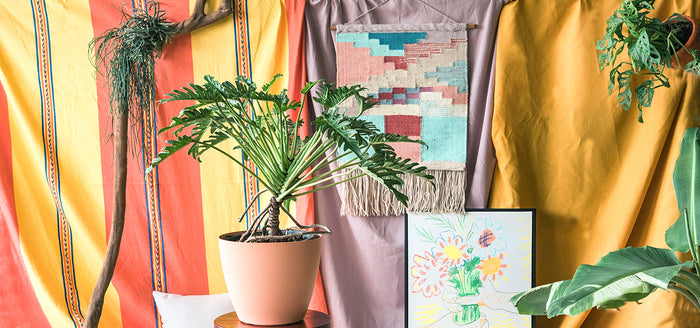
What's the difference between monstera and split-leaf philodendron?
They're different plants often confused. Monstera deliciosa has holes within its leaves; the split-leaf philodendron (Thaumatophyllum bipinnatifidum) only has splits at the edges. Monsteras climb; split-leaf philodendrons form a tree-like trunk.
Find your perfect monstera. Shop our monstera collection with delivery across Singapore.
Quick summary
Key Takeaways
- The World of Monstera Plants
- Popular Monstera Varieties
- How to Care for Monstera Plants in Singapore
- Monstera Identification: How to Tell Varieties Apart
- Frequently Asked Questions
Ready to bring some green into your home?
Browse 250+ hand-picked plants, curated for Singapore homes — delivered to your door.
Browse All Plants →