















How to Choose the Right Plant Pot Size for Your Home in Singapore
Posted on July 17 2026
Choosing a plant pot is not just a styling decision. In Singapore homes, where humidity is high, balconies can swing from bright heat to heavy rain, and most indoor plants are watered by busy people, the right pot size and drainage setup can make the difference between steady growth and root problems.
This guide explains how to choose a pot that looks good, gives roots enough room, and helps your plant-care routine stay simple.
Start with the plant’s current nursery pot
A reliable rule is to move up gradually. If a plant is healthy but root-bound, choose a decorative or repotting pot that is about 2–5 cm wider in diameter than its current nursery pot for small and medium plants. For larger floor plants, one size up is usually enough.
Going too large can leave excess soil wet for too long, especially indoors. That is one of the most common reasons plants decline after repotting.
When should you size up?
- Roots are circling tightly around the bottom of the nursery pot.
- Water runs straight through because the root ball has taken over most of the soil space.
- The plant dries out much faster than usual even when the light and watering routine have not changed.
- Growth has slowed during the growing season despite good care.
If the plant is newly delivered, stressed, or recently moved to a different light level, wait until it has settled before repotting unless the roots are clearly overcrowded.
Drainage matters more than pot material
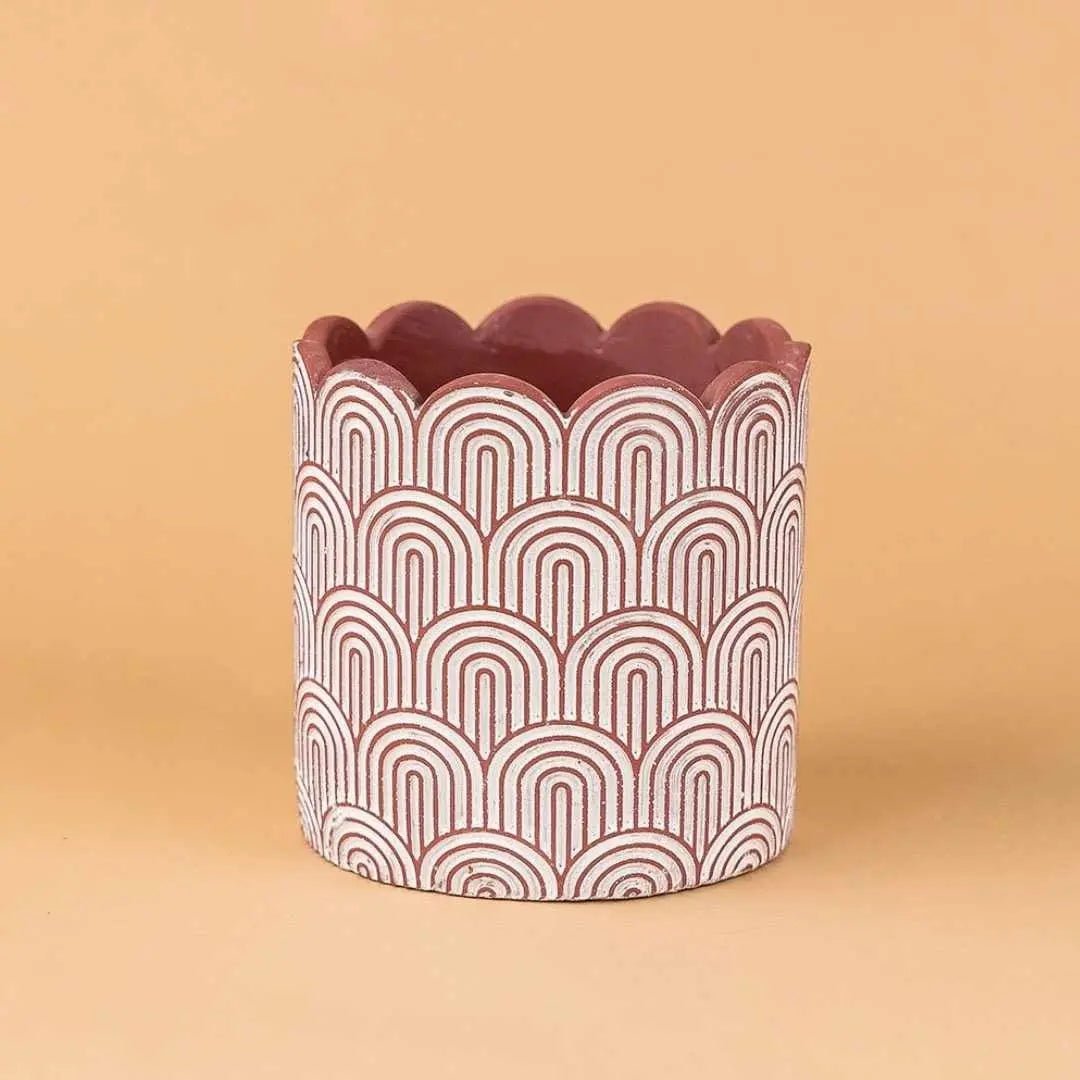
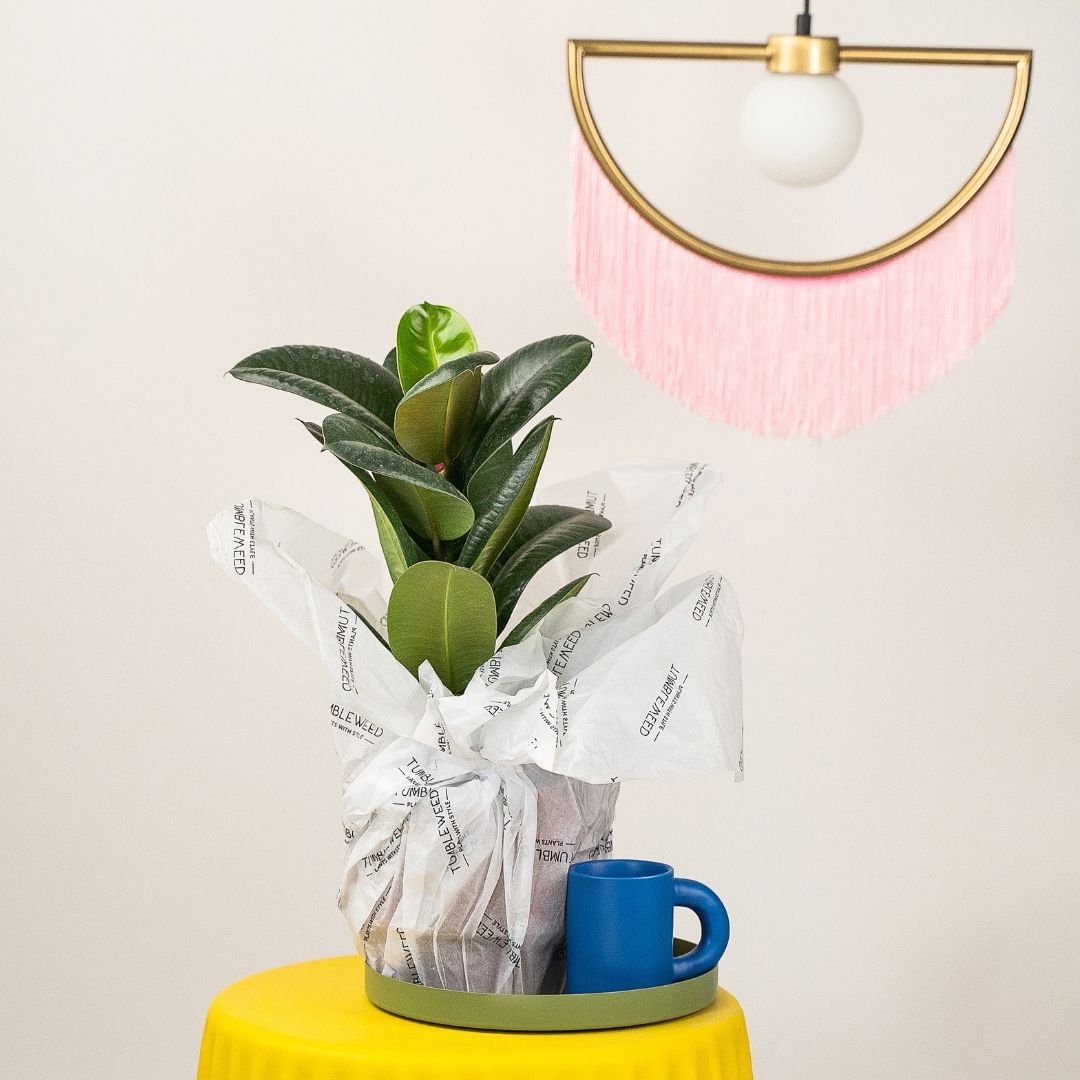
For most Singapore apartments, drainage is the first thing to check. A pot with drainage holes lets excess water escape, reducing the risk of soggy soil. If you love a cover pot without holes, keep the plant in its plastic nursery pot and remove it for watering, or use a saucer and tip away standing water after watering.
Terracotta dries faster and can suit people who tend to overwater. Ceramic and fibreclay styles hold moisture longer, which can be helpful for thirsty plants but requires a lighter hand with watering.
Match the pot to your space
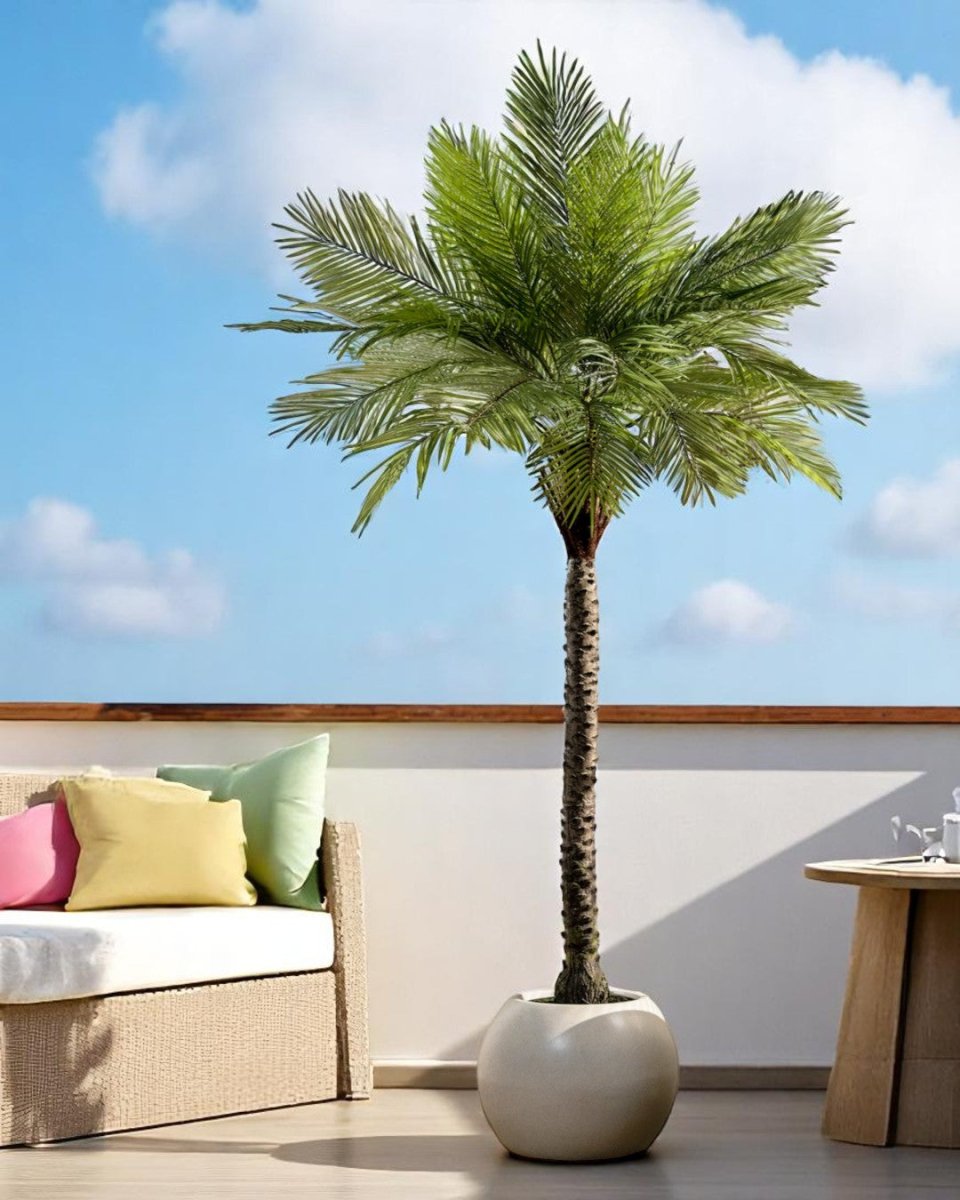
For HDB flats, condos and compact balconies, measure both the pot diameter and height before buying. Tall pots add visual height for corners, while low bowls work better on shelves, sideboards and coffee tables. For windy balconies, choose heavier planters or place taller plants where they are sheltered.
Browse verified Tumbleweed collections here: Plants and Plant Care.
Useful Tumbleweed options to compare
- Accessories/Pots Surprise! — a practical option to compare when deciding size, drainage and placement.
- Adenium Desert Rose Plant — a practical option to compare when deciding size, drainage and placement.
- Adorned Planter — a practical option to compare when deciding size, drainage and placement.
- AirLite Growpot - Large — a practical option to compare when deciding size, drainage and placement.
Simple pot-size guide
- Small tabletop plants: size up by about 2 cm when roots are crowded.
- Medium plants: size up by about 3–5 cm for better balance without overpotting.
- Large floor plants: size up one pot size at a time and prioritise stability.
- Trailing plants: check whether the pot supports the hanging or shelf display you want, not just root space.
FAQ
Is a bigger pot always better?
No. Oversized pots can hold too much moisture around the roots. Gradual sizing is safer for most indoor plants.
Can I keep my plant in its nursery pot?
Yes. Many plants do well in their nursery pot placed inside a decorative cover pot. This makes watering and drainage easier to manage.
Do indoor pots need drainage holes?
Drainage holes are strongly recommended. If your decorative pot has no holes, use it as a cover pot and avoid letting water sit at the bottom.
How do I know if a pot will fit my plant?
Measure the nursery pot diameter, then choose a pot or cover pot with enough internal space. For cover pots, leave a little room so the nursery pot can be lifted out easily for watering.
Choosing the right pot is a small step that makes daily plant care easier. Start with the plant’s current size, check drainage, and choose a style that suits the way you actually water and display plants at home.