

















Plant of the Week: Tradescantia — The Fast-Growing, Color-Rich Trailing Plant You Need
Posted on April 17 2026
In this article

Thumbnail image: `tradescantia-care-guide-thumbnail.jpg` — 1200×628px | Alt: "Tradescantia zebrina trailing from a hanging basket in a bright Singapore home"
---
Welcome to Plant of the Week. Each week we spotlight one plant from our collection — what makes it special, how to grow it, and why it deserves more attention than it gets.
This week: Tradescantia — the trailing plant that grows fast, looks spectacular, tolerates beginners, and gives you infinite free plants through the easiest propagation in the houseplant world.
In Singapore's warm tropical climate, Tradescantia doesn't just survive — it thrives. There's no winter dormancy to slow it down, no cold snaps to worry about. Give it a bright spot in your HDB or condo and watch it fill out into a lush cascade within a few months.
---
The Case for Tradescantia
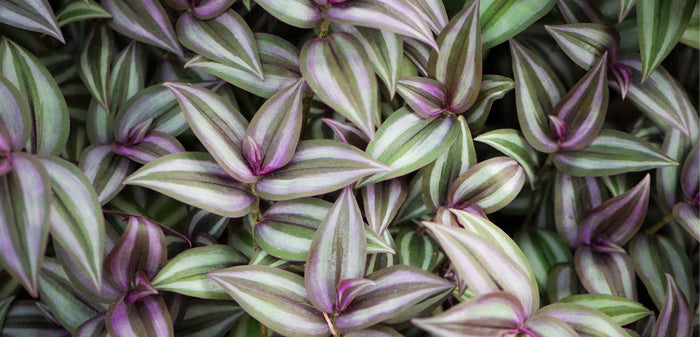
Tradescantias are not subtle plants. The most popular indoor varieties — Tradescantia zebrina and T. fluminensis — have foliage that commands attention: iridescent purple-and-silver leaves with deep magenta undersides; trailing stems that can reach 3 feet in a single growing season; color that intensifies in brighter light and mellows in shade.
They're also genuinely forgiving and fast-growing — which makes them unusual in the world of dramatic-looking plants, where visual impact usually comes with high maintenance.
If you want a hanging plant that looks lush and full within a few months rather than years, and that forgives beginner watering habits while delivering genuine color impact, Tradescantia is one of the best answers available.
---
Popular Tradescantia Varieties

Tradescantia zebrina (Wandering Dude)
The most widely grown variety. Leaves are iridescent silver-and-green on top with deep purple-magenta undersides. In bright indirect light, the silver becomes almost metallic. Fast-growing, trailing, easy to propagate. Singapore's consistent warmth makes this one of the fastest-growing indoor trailing plants available locally.
Tradescantia fluminensis (Small Leaf Spiderwort)
Smaller, rounder leaves in green or variegated green-and-white. More compact and slightly more tolerant of lower light than zebrina. The variegated forms are striking.
Tradescantia 'Nanouk'
A hybrid developed in the Netherlands. Compact, bushy habit (trails less than other varieties). Leaves are pink, white, and green with purple undersides. Produces small pink and white flowers readily. Has become one of the most popular houseplant introductions of the past decade — available at Tumbleweed Plants Singapore.
Tradescantia pallida (Purple Heart)
Solid purple leaves and stems — an unusual all-purple plant that looks almost artificial. Excellent in bright light; color fades in low light to a less distinctive green-purple. Slightly more upright than the trailing varieties. Thrives in Singapore's climate and is excellent for bright balconies.
Tradescantia sillamontana (White Velvet)
Fuzzy, silver-white hair covering green leaves. Distinctive tactile texture. More succulent-like, needs brighter light and less frequent watering than other Tradescantias.
---
Tradescantia Care
Light
Ideal: Medium to bright indirect light
Minimum: Low indirect light (will survive but colors fade and growth slows)
Avoid: Prolonged direct harsh sun (scorches the leaves)
This is the single most important factor in Tradescantia's appearance. In bright indirect light, the colors are vivid and intense — the silver metallic sheen of zebrina, the deep purple of pallida, the pink blush of Nanouk. In low light, the colors mute toward green and the plant looks ordinary. Give it good light for the full effect.
Singapore tip: An east-facing window in an HDB flat — morning sun, shade by noon — is close to ideal. A shaded balcony or bright corridor window also works well. Avoid prolonged direct afternoon sun, which can scorch the delicate leaves.
Water
Frequency: Every 1–2 weeks; when the top inch of soil is dry
Tradescantias tolerate some underwatering — the stems may wilt slightly but recover quickly after watering. They're less tolerant of consistent overwatering, which causes root rot and mushy stems.
Water thoroughly when needed; let the top inch dry before the next watering. Singapore's heat means soil dries faster — check your plants more often in a well-ventilated space.
Humidity
Average home humidity is completely fine. Tradescantias are not humidity-demanding — they're among the most adaptable trailing plants in this regard. Singapore's ambient humidity suits them perfectly without any intervention.
Soil
Well-draining standard mix with 20–30% perlite. Nothing specialized needed.
Temperature
65–85°F (18–29°C). Singapore's climate sits right in this range year-round — no heating or cooling adjustments needed for healthy growth. Keep above 50°F, which is never a concern outdoors in Singapore.
Fertilizing
Monthly in spring and summer with balanced liquid fertilizer at half strength. In Singapore, where there is no true winter, you can fertilize year-round — every 4–6 weeks consistently supports vigorous growth.
---
Pruning for Fullness

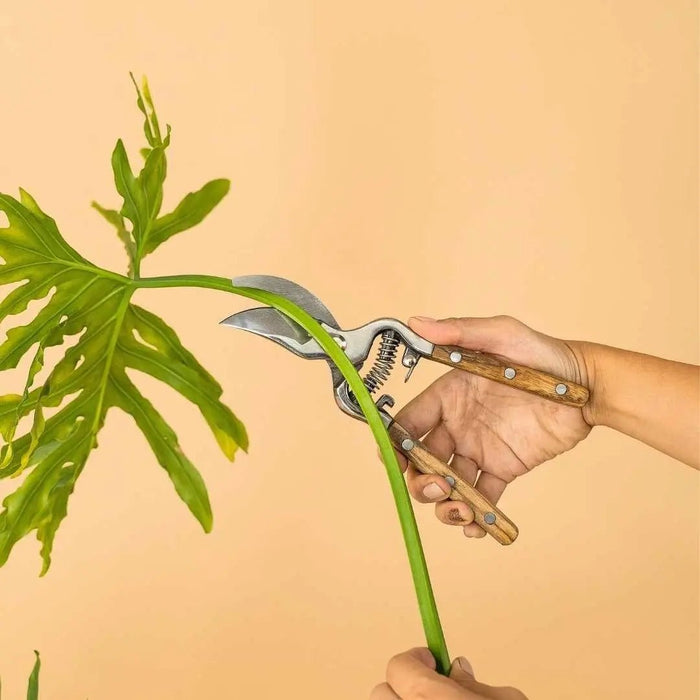
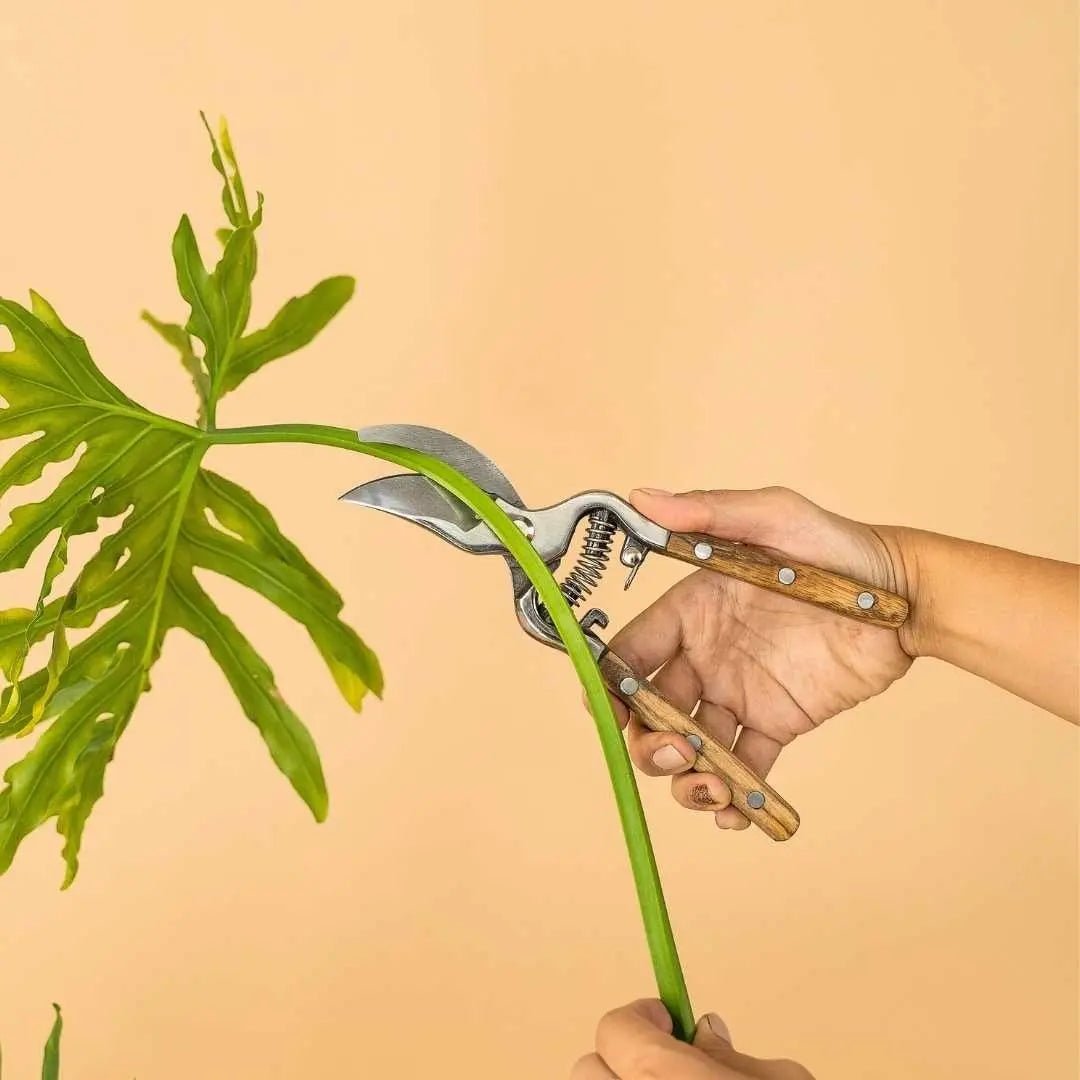
Left to grow unchecked, Tradescantias tend to get leggy — long trailing stems with leaves concentrated at the tips and bare stems toward the base. Regular pinching prevents this:
- Pinch or cut back stem tips every 4–6 weeks
- This encourages branching and a fuller, bushier appearance
- Use the cuttings to propagate new plants (see below)
A Tradescantia that's regularly pinched stays full and lush. One that's never pruned becomes a sparse cascade of long bare stems with a tuft of leaves at the end.
---
Propagation: The Easiest Houseplant Propagation Possible
Tradescantias root so readily in water that it almost doesn't count as propagation — it's just cutting and placing in water.
- Cut a 3–4" stem section with at least 2–3 nodes
- Remove the bottom leaf or two
- Place in a glass of water (nodes submerged, leaves above)
- Roots appear in 5–10 days — faster than almost any other houseplant
- Pot up once roots reach 1 inch
Singapore's warmth accelerates rooting further — you may see roots in as few as 3–5 days. You can fill an entire new pot with cuttings from a single parent plant within a few weeks. This makes Tradescantias excellent for:
- Refreshing an aging parent plant
- Creating multiple pots to display around your HDB or condo
- Gifting — a ready-rooted cutting in a small pot is a thoughtful, inexpensive gift
---
Common Problems
Faded color (less purple/silver, more green): Insufficient light. Move to brighter indirect light.
Leggy bare stems: Normal without pruning. Pinch back tips regularly; propagate cuttings to fill in the pot.
Mushy stems at base: Root rot from overwatering. Remove affected stems; let dry; reduce watering frequency.
Brown leaf tips: Low humidity or underwatering. Usually minor with Tradescantia; in Singapore this is rarely a concern given ambient humidity.
Very slow growth: Insufficient light or nutrients. Move to brighter spot; resume monthly fertilizing.
---
The Bottom Line
Tradescantia is the plant that earns its keep. It grows fast enough that you see results quickly (satisfying for new plant owners). The color is genuinely striking when given light. Propagation is so easy it's practically recreational. And the maintenance demands are low enough that it fits naturally into most care routines.
It's not a status plant or a collector's prize — but it does what it does better than almost anything else: fills space beautifully, grows quickly, and never makes you feel like you're failing.
For Singapore plant owners in particular, the year-round growing season means you'll see Tradescantia at its best every single month — no winter dormancy, no waiting. Just continuous lush color.
---
Quick summary
Key Takeaways
- The Case for Tradescantia
- Popular Tradescantia Varieties
- Tradescantia Care
- Pruning for Fullness
- Propagation: The Easiest Houseplant Propagation Possible
- Common Problems
Ready to bring some green into your home?
Browse 250+ hand-picked plants, curated for Singapore homes — delivered to your door.
Browse All Plants →