




















Common Houseplant Pests & How to Get Rid of Them
Posted on April 08 2026
In this article

- Singapore Context: Why Pests Are a Year-Round Challenge Here
- Pest Overview: Quick-Reference Table
- Prevention: The Best Pest Control
- Pest 1: Fungus Gnats
- Pest 2: Spider Mites
- Pest 3: Mealybugs
- Pest 4: Scale
- Pest 5: Aphids
- Pest 6: Thrips
- Treatment Comparison
- Quick-Reference Pest ID Chart
- Our Plant Promise
Target keyword: `common houseplant pests` / `how to get rid of fungus gnats` / `spider mites on plants`
Monthly search volume: ~15,000–20,000 combined
Intent: Problem-solving / high urgency (people search when they have a pest problem)
Pillar: B (Care & Problem-Solving)
Publish date: Week 2, Day 6
CTA: Link to plant care products / pest-free plant collection
Tags: plant pests, fungus gnats, spider mites, mealybugs, plant care
---
Thumbnail image spec: Close-up pest identification photo (e.g., mealybugs on a stem, spider mite webbing on a leaf, fungus gnats near soil) OR split image showing healthy vs. infested plant side-by-side. Should be high-contrast and immediately recognisable in thumbnail size.
---
![Hero image: split photo of a healthy, lush houseplant on the left versus an infested plant with visible webbing/pests on the right — dramatic contrast to immediately communicate the problem and solution theme of this article]
You check your plant one morning and something's off. Maybe you see tiny bugs on the soil. Maybe the leaves are covered in fine webbing. Maybe there's a white fluffy substance stuck to the stems.
Houseplant pests are common, but they're beatable — especially when you catch them early. This guide covers the six most common indoor plant pests, how to identify each one, and the most effective treatments.
---
Singapore Context: Why Pests Are a Year-Round Challenge Here
Most pest-control guides are written for temperate climates where cold winters naturally kill off or suppress pest populations. Singapore is different.
- No off-season. Singapore's warm, humid climate (26–34°C year-round, 70–90% humidity) means mealybugs, spider mites, and fungus gnats can breed continuously — there is no winter to reset the cycle.
- HDB corridors and balconies. Plants kept outdoors on corridors or balconies are exposed to outdoor pests — aphids, thrips, and mealybugs blown in by wind or carried by ants.
- Monsoon season. Heavy rain during the Northeast and Southwest monsoons can splash soil-borne pests (and fungus gnat larvae) from the ground onto lower leaves.
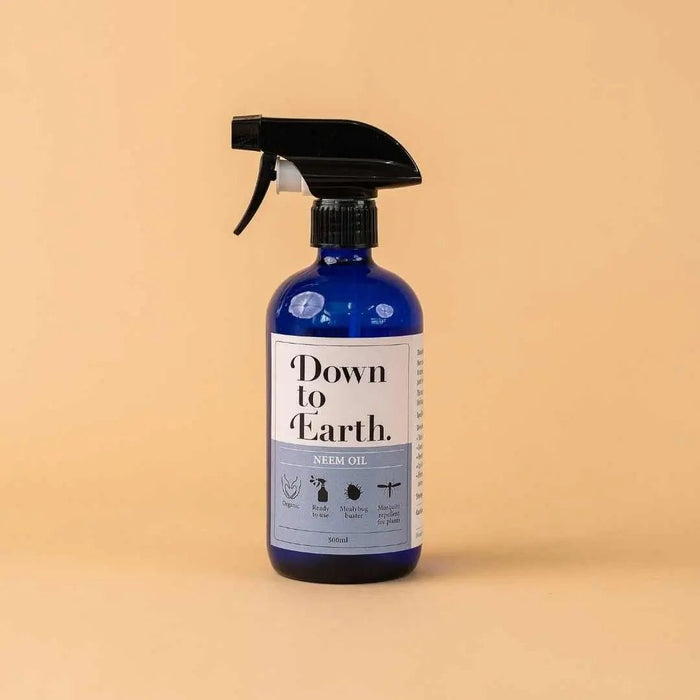
- Local treatment options. Neem oil and insecticidal soap are widely available in Singapore at garden centres including Far East Flora (Thomson Road) and World Farm (Neo Tiew Crescent). Most hardware stores (Horme Hardware, Giant) also carry hydrogen peroxide and yellow sticky traps.
If your plant is on a balcony or corridor, inspect it weekly — not monthly.
---
Pest Overview: Quick-Reference Table

| Pest | Size | Key Signs | Primary Treatment | Difficulty |
|------|------|-----------|-------------------|------------|
| Fungus gnats | 2–3mm | Tiny black flies near soil | Dry out soil, BTi, H₂O₂ drench | Easy |
| Spider mites | <0.5mm | Fine webbing, leaf stippling | Neem oil, insecticidal soap, high humidity | Moderate |
| Mealybugs | 3–4mm | White cottony masses at stem joints | Rubbing alcohol, neem oil, systemic | Moderate–Hard |
| Scale | 2–5mm | Hard brown/tan bumps on stems | Manual scrape, rubbing alcohol, neem | Moderate |
| Aphids | 1–3mm | Clusters on new growth, sticky residue | Water spray, insecticidal soap | Easy |
| Thrips | 1–2mm | Silver/bronze streaking, black fecal dots | Neem oil, blue sticky traps | Hard |
---
Prevention: The Best Pest Control
Before covering individual pests, the most important step is prevention:
- Inspect new plants before bringing them home. Check under leaves, at stem joints, and in the soil. Quarantine new plants for 1–2 weeks before placing them near other houseplants.
- Avoid overwatering. Fungus gnats, springtails, and root mealybugs thrive in consistently wet soil.
- Good air circulation. Spider mites love stagnant, dry air. A small fan improves humidity distribution and discourages infestations.
- Clean leaves regularly. Wiping leaves monthly removes dust, eggs, and early infestations before they establish.
- Isolate infected plants immediately. As soon as you spot pests, move the affected plant away from all others.
![Prevention checklist infographic: five-step visual checklist showing (1) inspect new plants, (2) avoid overwatering, (3) improve air circulation, (4) wipe leaves monthly, (5) isolate infected plants — clean icon-based layout, branded colours]
---
Pest 1: Fungus Gnats

![Close-up photo: fungus gnats on moist soil surface — tiny black flies visible against the dark soil, one or two in flight above the pot]
What they look like: Tiny black flies (2–3mm) that hover around soil and fly up when you water. Larvae are white and thread-like in the soil.
Damage: Adults are mostly annoying. Larvae eat root hairs and can stunt growth in young plants or heavy infestations.
Why it happens: Consistently moist topsoil. Fungus gnat eggs need wet soil to hatch.
Singapore note: Year-round warmth and humidity mean fungus gnats can persist indefinitely if soil stays moist. They are one of the most common complaints from Singapore plant owners, particularly for those growing ferns, calatheas, and other moisture-loving plants.
Treatment:
- Let the soil dry out. Dry the top 2 inches of soil completely between waterings — larvae can't survive without moisture.
- Yellow sticky traps — place at soil level to catch adult gnats and break the egg-laying cycle.
- Hydrogen peroxide drench — mix 1 part 3% hydrogen peroxide with 4 parts water, water the plant normally. This kills larvae on contact without harming the plant. Repeat every 5–7 days for 3 weeks.
- BTi (Bacillus thuringiensis israelensis) — biological larvicide available as Mosquito Bits. Soak the granules in water overnight, use that water to irrigate. Kills larvae without chemicals.
Timescale: 3–6 weeks to fully resolve with consistent treatment.
---
Pest 2: Spider Mites
![Close-up photo: extreme macro of spider mite webbing on the underside of a leaf — fine silken threads across the leaf surface with tiny dots (mites) visible if resolution allows; yellowed/stippled leaf tissue to show damage]
What they look like: Extremely tiny (barely visible to the naked eye) red, brown, or yellow dots on leaves. You'll often notice the damage first: fine webbing on leaves and stems, or stippled/speckled discoloration.
Damage: Significant. Spider mites pierce leaf cells and extract sap, causing stippling, yellowing, and eventually leaf drop. A heavy infestation can kill a plant.
Why it happens: Hot, dry conditions. Spider mites thrive in summer heat and low humidity. Dusty leaves.
Singapore note: Spider mites are paradoxically common in Singapore despite ambient humidity — indoor air-conditioning dries out the air significantly, creating exactly the low-humidity conditions spider mites prefer. Plants kept in heavily air-conditioned rooms are higher risk.
Treatment:
- Isolate immediately — spider mites spread by contact and air movement.
- Shower the plant — take outdoors or to a shower and spray forcefully with water, hitting the undersides of every leaf. Repeat every few days.
- Neem oil spray — mix 1 tsp neem oil + a few drops of dish soap per liter of water. Spray thoroughly, especially leaf undersides. Repeat weekly for 4 weeks.
- Insecticidal soap — available pre-mixed, effective and low-toxicity. Apply every 5–7 days.
- Rubbing alcohol wipe — for isolated spots, wipe affected areas with 70% isopropyl alcohol on a cotton swab.
Increase humidity — spider mites hate high humidity. A pebble tray with water or a humidifier helps prevent reinfestation.
Timescale: 4–6 weeks of consistent treatment. Spider mites are persistent — do not stop treatment early.
---
Pest 3: Mealybugs

![Close-up photo: mealybugs at a leaf axil — white cottony/waxy masses clustered at the joint between stem and leaf petiole; ideally shows both the fluffy egg sac texture and individual oval bug bodies]
What they look like: White, fluffy, cottony masses at leaf joints, in soil, and along stems. Adult mealybugs are oval-shaped, waxy white insects about 3–4mm long.
Damage: Mealybugs suck sap from plants, causing stunted growth, yellowing leaves, and wilting. They also produce honeydew, which leads to sooty mold.
Why it happens: Often arrive on new plants. Also thrive in warm, humid environments.
Singapore note: Mealybugs are among the most prevalent pests in Singapore's climate. The constant warmth means they breed rapidly and multiple generations can overlap. Plants on HDB corridors can pick up mealybugs from neighbouring plants or via ant activity (ants farm mealybugs for honeydew and will actively transport them to new plants).
Treatment:
- Isolate immediately — mealybugs spread easily to neighboring plants.
- Manual removal — use a cotton swab dipped in 70% rubbing alcohol to directly touch and kill each mealybug you can see. This works well for small infestations.
- Alcohol spray — for larger infestations, spray the entire plant with 70% isopropyl alcohol (test on one leaf first for sensitive plants). Follow with water after 30 minutes.
- Neem oil — weekly sprays break the reproductive cycle.
- Systemic insecticide — for severe infestations, a systemic insecticide (applied to soil, absorbed by the plant) can be effective for persistent cases.
Important: Check the roots. Root mealybugs (white waxy clusters on roots and in soil) require repotting into fresh soil and removing all old soil from roots.
Timescale: 6–8 weeks. Mealybugs lay eggs under the soil and in hidden spots — persistence is essential.
---
Pest 4: Scale
![Close-up photo: brown scale insects on a stem — hard, oval, seed-like bumps in brown/tan, clustered along the stem; ideally at different magnification levels to show the 'sticker' appearance at normal viewing distance]
What they look like: Brown, tan, or white bumps that look like small seeds or scabs on stems and leaves. They don't move (adult scale is immobile).
Damage: Like mealybugs, scale insects suck sap and produce honeydew. Severe infestations cause yellowing, stunted growth, and stem dieback.
Why it happens: Arrive on new plants. Common on tropical plants, ficus, and succulents.
Treatment:
- Scrape off manually — use a soft toothbrush, your fingernail, or a cotton swab with rubbing alcohol to physically remove scale insects from stems.
- Rubbing alcohol — 70% isopropyl alcohol applied directly kills scale on contact.
- Neem oil — weekly applications disrupt the scale lifecycle and suffocate crawlers (the mobile juvenile stage).
- Horticultural oil — commercial products specifically designed to smother scale insects.
Tip: Wiping stems monthly makes early detection much easier — scale is easy to miss until it's a serious infestation.
---
Pest 5: Aphids
![Close-up photo: green aphids clustered on a new shoot tip — dense colony of soft-bodied insects, showing the variety of sizes (adults and juveniles) and the curling/distortion of the leaf they are feeding on]
What they look like: Tiny soft-bodied insects in green, black, white, or brown. They cluster on new growth, leaf undersides, and stem tips. Often come with ants (ants "farm" aphids for their honeydew).
Damage: Aphids cause distorted, curled new growth and leave behind sticky honeydew. Severe infestations are damaging but rarely kill established plants.
Why it happens: More common on outdoor-kept houseplants. Arrive on new plants or through open windows.
Singapore note: Aphids on HDB balcony or corridor plants are frequently accompanied by ants. If you see an unusual number of ants on a plant, inspect for aphids (or mealybugs) immediately — the ants are a reliable early-warning sign.
Treatment:
- Strong water spray — knocks aphids off the plant. Repeat daily for a week.
- Insecticidal soap — very effective for aphids. Apply every 5–7 days.
- Neem oil — weekly applications.
Aphids are among the easiest pests to control — early treatment works quickly.
---
Pest 6: Thrips
![Close-up photo: thrips damage on a leaf — silver/bronze streaking across the leaf surface with black fecal specks; ideally includes an inset of the actual thrip insect at high magnification for size reference]
What they look like: Tiny (1–2mm) elongated insects in brown, black, or yellow. Look for silver or bronze streaking on leaves, black fecal dots, and distorted growth.
Damage: Thrips rasp and pierce leaf tissue, causing silver/bronze scarring and distorted new leaves. They also transmit plant viruses.
Why it happens: Arrive on new plants or through open windows. Love warm conditions.
Treatment:
- Isolate immediately
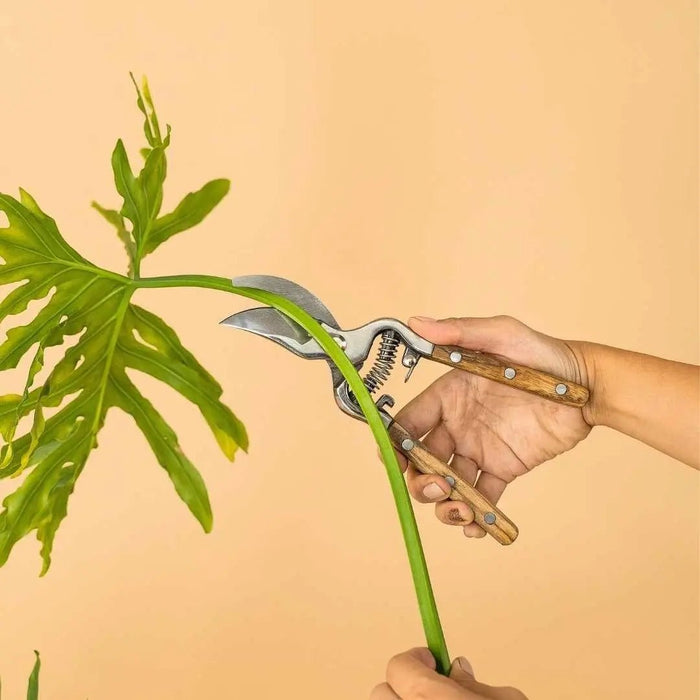
- Prune heavily affected leaves
- Neem oil — most effective for thrips
- Insecticidal soap — good for visible adults
- Sticky traps — blue sticky traps are attractive to thrips
Note: Thrips lay eggs inside leaf tissue, making them harder to eliminate than pests that live on leaf surfaces. Extended treatment (6–8 weeks) is often necessary.
---
Treatment Comparison
![Treatment comparison infographic: side-by-side columns comparing neem oil vs. insecticidal soap vs. rubbing alcohol vs. BTi — showing which pests each treatment targets, application method, frequency, and safety for pets/humans; clean table-style visual with Tumbleweed Plants branding]
---
Quick-Reference Pest ID Chart
| Pest | Visible Signs | Where Found | Difficulty to Treat |
|------|--------------|-------------|---------------------|
| Fungus gnats | Flying around soil | Soil surface | Easy |
| Spider mites | Webbing, stippling | Leaf undersides | Moderate |
| Mealybugs | White fluffy masses | Stem joints, roots | Moderate-Hard |
| Scale | Brown bumps on stems | Stems, leaf veins | Moderate |
| Aphids | Clusters on new growth | Stem tips, leaf undersides | Easy |
| Thrips | Silver streaking, black dots | Leaf surfaces | Hard |
---
Our Plant Promise
Every plant we ship is inspected for pests before packing. We can't guarantee 100% — no nursery can — but we do everything we can to send you healthy, pest-free plants.
Browse our indoor plant collection and look for plants marked as "pest-free certified."
Need a plant today? Check our same-day delivery collection — healthy plants delivered to your door across Singapore.
Questions about a pest on your plant? Drop a photo in the comments and we'll help you identify and treat it.
---
Have you dealt with a pest infestation? Share what worked for you in the comments below.
---
Quick summary
Key Takeaways
- Singapore Context: Why Pests Are a Year-Round Challenge Here
- Pest Overview: Quick-Reference Table
- Prevention: The Best Pest Control
- Pest 1: Fungus Gnats
- Pest 2: Spider Mites
- Pest 3: Mealybugs
Ready to bring some green into your home?
Browse 250+ hand-picked plants, curated for Singapore homes — delivered to your door.
Browse All Plants →