


















Common Houseplant Pests in Singapore and How to Treat Them | Tumbleweed Plants Singapore
Posted on April 10 2026
In this article

Every plant owner in Singapore will encounter pests eventually. Our warm, humid tropical climate is paradise for plants — and for the insects that feed on them. The key is not to panic. Most houseplant pests are manageable with early detection and consistent treatment. The damage happens when infestations go unnoticed for weeks, allowing populations to explode.
This guide covers the most common houseplant pests in Singapore, how to identify them, and how to treat and prevent them.
The Big Five: Singapore's Most Common Houseplant Pests
1. Mealybugs
What they look like: Small (2-4mm), oval, soft-bodied insects covered in a white, waxy, cottony coating. They cluster at leaf joints, along stems, and under leaves. Heavy infestations leave a sticky residue (honeydew) on leaves and surfaces below the plant.
Damage: They suck plant sap, weakening the plant. Affected areas show yellowing, stunted growth, and leaf drop. Heavy infestations can kill a plant.
Most vulnerable plants: Monstera, Philodendron, Hoya, succulents, orchids, and any plant with tight leaf joints where they can hide.
Treatment:
- Isolate the plant immediately to prevent spread.
- Manual removal: Dab individual mealybugs with a cotton swab dipped in 70% isopropyl (rubbing) alcohol. The alcohol dissolves the waxy coating and kills them on contact.
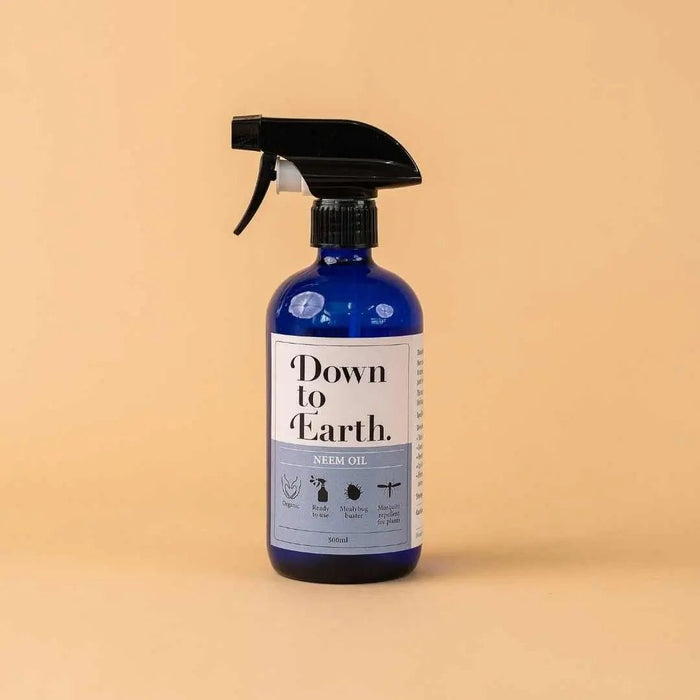
- Spray treatment: Mix a solution of neem oil (5ml per litre of water) with a drop of dish soap. Spray all surfaces thoroughly — top and bottom of leaves, stems, and soil surface.
- Repeat every 5-7 days for 3-4 treatments. Mealybug eggs are resistant to treatment and hatch on a cycle.
- Systemic treatment (for severe infestations): A systemic insecticide applied to the soil is absorbed by the plant, making the sap toxic to sucking insects.
Prevention: Inspect new plants before bringing them home. Check the leaf joints and undersides — mealybugs hide in crevices.
2. Spider Mites
What they look like: Nearly invisible to the naked eye — tiny dots (less than 1mm) that are yellow, red, or brown. The first sign is usually their damage: tiny yellow or white stippling on leaves, and fine silky webbing on the undersides of leaves and between stems.
Damage: They suck cell contents from leaves, causing stippling (tiny pale dots), yellowing, leaf drop, and — in severe cases — plant death. The webbing indicates a heavy infestation.
Most vulnerable plants: Alocasia, Calathea, Fiddle Leaf Fig, herbs, and any plant in a dry, air-conditioned environment. Spider mites thrive in low humidity.
Treatment:
- Isolate the plant.
- Shower the plant: Take it to the bathroom and spray all surfaces with lukewarm water, focusing on leaf undersides. The physical force dislodges mites and their webs.
- Spray with insecticidal soap or neem oil solution. Cover all surfaces, especially leaf undersides.
- Increase humidity around the plant. Spider mites hate high humidity — grouping plants, misting (for mite prevention — not all plants like misting), or a humidifier discourages them.
- Repeat every 5-7 days for 3 treatments minimum. Spider mites reproduce rapidly — eggs hatch every 3-5 days.
Prevention: Regularly wipe leaves with a damp cloth (monthly). Maintain humidity above 50%. Inspect plants in AC rooms frequently — low humidity is the primary risk factor.
3. Scale Insects
What they look like: Small (2-5mm), round or oval, hard-shelled bumps that attach to stems and leaf undersides. They look like part of the plant — many people mistake them for a natural growth. They come in brown, tan, or dark grey. Some secrete a sticky honeydew.
Two types:
- Armoured scale: Hard, waxy shell. Does not produce honeydew. Harder to treat.
- Soft scale: Softer body, produces honeydew and may attract sooty mould.
Damage: Like mealybugs, they suck sap. The plant weakens, yellows, and drops leaves. Heavy infestations on stems can girdle and kill branches.
Most vulnerable plants: Ficus (Fiddle Leaf Fig, Rubber Plant), citrus, orchids, ferns.
Treatment:
- Isolate the plant.
- Manual removal: Scrape off individual scale insects with a fingernail, old toothbrush, or cotton swab dipped in rubbing alcohol.
- Neem oil spray: Apply thoroughly to all stems and leaf surfaces. The oil suffocates scale under their shells.
- Repeat weekly for 4-6 weeks. Scale has a long lifecycle and eggs are protected under adult shells.
Prevention: Inspect stems and woody parts of new plants. Scale often arrives on purchased plants.
4. Thrips
What they look like: Very small (1-2mm), slender, elongated insects that are tan, brown, or black. They are fast-moving and often jump or fly when disturbed. Look for them on new growth, flower buds, and leaf surfaces.
Damage: Thrips scrape the surface of leaves and suck the released sap. This creates distinctive silvery or bronze streaks, tiny black dots (their excrement), and distorted new growth. Flowers may be discoloured or deformed.
Most vulnerable plants: Monstera, Philodendron, Aglaonema, flowering plants, herbs.
Treatment:
- Isolate the plant.
- Shower the plant to remove adults physically.
- Blue or yellow sticky traps near the plant catch flying adults and reduce population.
- Neem oil or insecticidal soap spray on all surfaces.
- Spinosad-based spray (organic, derived from bacteria) is highly effective against thrips.
- Repeat every 5-7 days for 3-4 treatments. Thrips have multiple life stages — eggs and pupae in the soil are harder to reach.
Prevention: Quarantine new plants for 2 weeks before introducing to your collection. Thrips are often brought in on new purchases.
5. Fungus Gnats
What they look like: Tiny (2-3mm), black, mosquito-like flies that hover around the soil surface and fly weakly around the plant. The adults are harmless — they do not bite and cause minimal plant damage. The larvae in the soil are the concern — they are small, translucent, worm-like creatures that feed on organic matter and young roots.
Damage: Adults are merely annoying. Larvae feed on fungi in the soil and sometimes on fine roots, which can harm seedlings or weakened plants. In healthy adult plants, moderate fungus gnat populations are more of a nuisance than a threat.
Most vulnerable conditions: Consistently moist soil in any plant. Fungus gnats thrive when the soil surface never dries out — which is common when overwatering or using very moisture-retentive soil.
Treatment:
- Let the soil dry out. This is the most effective single intervention. Fungus gnat larvae cannot survive in dry soil. Allow the top 3-5cm of soil to dry completely between waterings.
- Yellow sticky traps placed at soil level catch flying adults and break the breeding cycle.
- Bottom watering keeps the soil surface dry while still hydrating the roots.
- Hydrogen peroxide drench: Mix one part 3% hydrogen peroxide to four parts water. Water the soil with this solution — it kills larvae on contact without harming roots.
- BTI (Bacillus thuringiensis israelensis) products — mosquito dunks or bits dissolved in watering water. The bacteria kill gnat larvae specifically and are safe for plants, pets, and humans.
Prevention: Do not overwater. Use well-draining soil with perlite. Let the soil surface dry between waterings.
General Pest Prevention

Quarantine New Plants
Every new plant should be isolated from your existing collection for 2 weeks. Inspect it every few days for signs of pests. Many infestations arrive on purchased plants.
Regular Inspection
Check your plants weekly — a 30-second visual scan per plant:
- Leaf tops and bottoms
- Stem joints and crevices
- Soil surface
- New growth tips
Early detection is the single biggest factor in successful pest control.
Clean Leaves
Wipe large leaves with a damp cloth monthly. This removes dust (which attracts pests), dislodges early-stage pests, and gives you a close-up look at each leaf.
Healthy Plants Resist Pests
Well-watered, well-lit, properly fertilised plants are more resistant to pest damage than stressed plants. Maintain good cultural care as the first line of defence.
Good Air Circulation
Stagnant air promotes pest populations. A small fan on low setting improves air circulation and makes conditions less favourable for spider mites and fungal issues.
When to Give Up
Most pest infestations are treatable. But sometimes a plant is too far gone:
- Severe root mealybug infestation — if the entire root system is infested, treatment is impractical
- Massive spider mite infestation with heavy webbing — sometimes easier to discard and start fresh
- Multiple simultaneous pest types — indicates a severely stressed plant unlikely to recover
If you discard an infested plant, bag it in plastic before binning to prevent pests from spreading.
Shop Healthy Plants

Browse our indoor plant collection for carefully inspected plants delivered across Singapore. Every plant is checked for pests before shipping.
Pests are not a sign of failure — they are a normal part of plant ownership. Every gardener deals with them. The difference between a frustrating pest problem and a minor inconvenience is detection speed. Check your plants weekly, act at the first sign of trouble, and repeat treatments on the lifecycle schedule. That is it. The pests are manageable. Your plant collection does not need to suffer.
Quick summary
Key Takeaways
- The Big Five: Singapore's Most Common Houseplant Pests
- General Pest Prevention
- When to Give Up
- Shop Healthy Plants
Ready to bring some green into your home?
Browse 250+ hand-picked plants, curated for Singapore homes — delivered to your door.
Browse All Plants →