


















Croton Care Guide for Singapore: Codiaeum Variegatum
Posted on April 09 2026
In this article

If you want colour — real, dramatic, unapologetic colour — Crotons deliver like no other houseplant. Their thick, leathery leaves come in combinations of red, orange, yellow, green, pink, and even purple, often all on the same plant. In a world of green houseplants, Crotons are the bold exception.
Native to Southeast Asia and the Pacific Islands, Crotons are naturally suited to Singapore's climate. Here is how to grow them at their colourful best.
Why Crotons Belong in Singapore
Codiaeum variegatum is indigenous to the tropical regions of Asia and the western Pacific — essentially our neighbourhood. Wild Crotons grow in bright, humid environments with warm temperatures and consistent rainfall — a near-perfect description of Singapore.
This means:
- No cold-weather stress to manage
- Natural humidity supports healthy foliage
- Year-round growing conditions
- Many Singapore nurseries carry well-acclimatised specimens
Popular Croton Varieties

Petra
The most common variety in Singapore. Large, oak-shaped leaves with veins in red, orange, and yellow against green. Bold and reliable.
Gold Dust
Green leaves speckled with bright yellow dots, as if someone flicked a paintbrush. Compact and eye-catching.
Mammy
Twisted, curling leaves in red, orange, and green. The most architectural Croton variety — looks almost artificial in its colour intensity.
Zanzibar
Narrow, grass-like leaves in red, green, orange, and yellow. A more unusual form that adds texture contrast.
Mrs Iceton
Deep, rich colours — burgundy, red, and near-black tones. More subtle than Petra but equally stunning.
Andrew
Pure green and white variegation without the warm tones. A unique, cool-toned Croton.
Light Requirements
Light is the critical factor for Croton colour. More light equals more colour — it is that direct.
Ideal: Bright direct light for 4-6 hours daily. Crotons are one of the few indoor plants that actually want direct sunlight.
In Singapore:
- East-facing balconies: excellent morning sun
- West-facing balconies: strong afternoon sun (may need some afternoon shade)
- South-facing windows: ideal year-round
- Indoor near bright windows: adequate for colour maintenance
Insufficient light:
- New leaves emerge predominantly green
- Existing colour fades
- Growth becomes leggy
- Plant looks dull and washed out
Key insight: If your Croton is losing colour, the answer is almost always more light. Move it closer to a window or onto a bright balcony.
Watering

Crotons like consistent moisture — they are not drought-tolerant like Snake Plants or ZZ Plants.
Frequency in Singapore:
- Every 4-6 days in naturally ventilated areas
- Every 3-5 days in air-conditioned rooms
- Every 2-3 days on exposed sunny balconies
Method: Water thoroughly when the top 2cm of soil feels dry. Ensure good drainage — Crotons do not tolerate waterlogging despite liking moisture.
Dramatic drooping: Crotons are theatrical about thirst. The leaves droop dramatically when underwatered, then bounce back fully within hours of watering. While this recovery is impressive, try not to let it happen regularly — chronic underwatering stresses the plant.
Water quality: Singapore tap water is fine. Room temperature preferred.
Humidity
Crotons thrive in Singapore's natural humidity. This is one of our climate advantages — temperate growers struggle to provide the 60-80% humidity that Crotons prefer.
In air-conditioned rooms:
- Group Crotons with other plants
- Use pebble trays
- Mist leaves in the morning
- Consider keeping Crotons in naturally ventilated rooms
Low humidity signs: Brown, crispy leaf edges. Leaf drop (Crotons shed leaves when stressed by dry air).
Soil and Potting

A well-draining but moisture-retentive mix works best:
- 50% potting soil
- 25% perlite
- 15% coco coir
- 10% orchid bark
This balances the Croton's need for consistent moisture with necessary drainage.
Repotting: Every 12-18 months or when roots are visibly crowded. Go up one pot size. Repotting can cause temporary leaf drop — normal, and new growth follows quickly.
Fertilising
Crotons are moderate feeders. Their colourful foliage needs consistent nutrition:
- Balanced liquid fertiliser (20-20-20) at half strength
- Every 2-3 weeks during active growth
- Reduce to monthly during any slow-growth period
- Higher nitrogen encourages lush foliage growth
- Higher potassium supports colour intensity
Common Problems
Leaf Drop
The most common Croton complaint. Crotons drop leaves when stressed by:
- Temperature change — moving from outdoor to air-conditioned room
- Relocation — any change in position triggers adjustment leaf drop
- Underwatering — chronic dryness causes progressive leaf drop from the bottom up
- Low humidity — air-conditioned rooms without humidity compensation
- Draft exposure — direct air-con airflow
The fix: Identify and address the stressor. Crotons regrow dropped leaves readily when conditions stabilise. Give the plant 2-3 weeks to adjust after any environmental change.
Colour Loss
Fading colours mean insufficient light. Move to a brighter position. New growth should emerge colourful once light improves.
Spider Mites
The most common Croton pest, especially in dry air-conditioned environments. Look for fine webbing on leaf undersides and stippled, fading leaf colour.
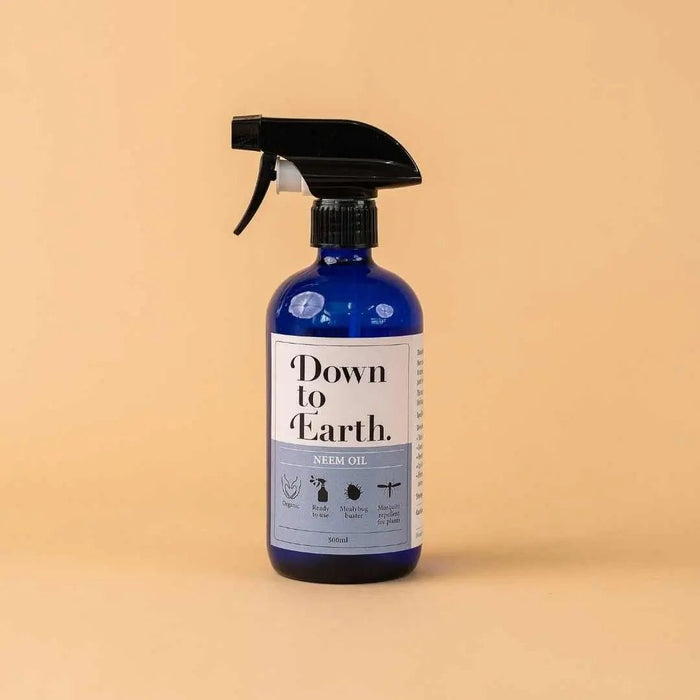
Treatment: Spray with neem oil or insecticidal soap weekly until clear. Increase humidity to discourage reinfestation.
Mealybugs
White cottony clusters in leaf joints. Treat with rubbing alcohol on cotton buds.
Scale
Brown bumps on stems. Scrape off and treat with neem oil.
Outdoor vs Indoor Growing in Singapore
Crotons can be grown both ways in Singapore:
Outdoors (balcony, patio):
- Maximum colour intensity from direct sunlight
- Natural humidity eliminates dry-air problems
- Faster, more vigorous growth
- Needs rain protection or frequent watering on sunny days
Indoors:
- Needs the brightest spot available
- Colour may be less intense than outdoor specimens
- Air conditioning can cause leaf drop
- Cleaner, more contained growth
Best compromise: Keep on a bright covered balcony. Natural light and humidity with rain protection.
Propagation
Croton propagation requires patience:
Stem Cuttings
- Cut a 10-15cm stem section with 3-5 leaves
- Wear gloves — the milky sap can irritate skin
- Dip the cut end in rooting hormone
- Plant in moist perlite or potting mix
- Cover with a plastic bag to maintain humidity
- Keep warm (25-30°C) and in bright indirect light
- Roots develop in 4-6 weeks
Air Layering
More reliable for larger propagation:
- Make a shallow cut in a healthy stem
- Wrap with moist sphagnum moss and cling wrap
- Roots develop in 3-4 weeks
- Cut below the rooted section and pot up
Styling With Crotons
Tropical accent: A single Croton Petra in a terracotta pot adds instant tropical warmth to a neutral room.
Balcony colour garden: Group multiple Croton varieties for a riot of colour on a sunny balcony.
Mixed tropical planting: Combine Crotons with green foliage plants — the colour contrast makes both look more dramatic.
Entryway statement: A mature Croton near the front door (if light permits) makes a warm, colourful welcome.
Final Thoughts
Crotons are among the most rewarding plants for Singapore's climate. Where growers in temperate countries struggle to maintain their colour and prevent leaf drop, you have natural warmth, humidity, and ample tropical sunlight on your side.
Give your Croton the brightest spot you have, keep it consistently watered, and protect it from air-con drafts. In return, it will provide a living palette of colour that no other houseplant can match.
Browse our Croton collection at Tumbleweed Plants.
Quick summary
Key Takeaways
- Why Crotons Belong in Singapore
- Popular Croton Varieties
- Light Requirements
- Watering
- Humidity
- Soil and Potting
Ready to bring some green into your home?
Browse 250+ hand-picked plants, curated for Singapore homes — delivered to your door.
Browse All Plants →