






















Dracaena Care Guide for Singapore
Posted on April 09 2026
In this article
Dracaena is the quiet achiever of the houseplant world. It does not generate the Instagram excitement of a Monstera or the collector frenzy of a rare Philodendron. But walk into any well-designed office, hotel lobby, or stylish apartment in Singapore and you will find Dracaena doing what it does best — looking sophisticated, tolerating neglect, and filling vertical space with elegant foliage.

The genus Dracaena includes over 100 species, many of which are superb houseplants. They range from compact tabletop varieties to tree-like specimens that can reach ceiling height indoors. What they share is structural beauty, drought tolerance, and an ability to thrive in the conditions that most Singapore homes provide.
Popular Varieties
Dracaena marginata (Dragon Tree)
Slim, palm-like trunk topped with a fountain of narrow, dark green leaves edged in red or purple. The most architectural Dracaena — its tree-like form adds height and drama to any corner. Can reach two metres or more indoors.
Best for: Filling vertical space. Corners, beside furniture, and areas where you want a tall, narrow plant that does not spread.
Dracaena fragrans (Corn Plant)
Broad, arching leaves in shades of green, sometimes striped with yellow or cream. The variety 'Massangeana' (with a broad yellow central stripe) is one of the most common indoor plants in the world. Thick, woody stems give it a tree-like presence.
Best for: Living rooms and offices. The broad leaves create a lush, tropical feel.
Dracaena fragrans 'Lemon Lime'
Bright chartreuse and dark green striped leaves that add a pop of colour to any space. Same easy care as the standard Corn Plant but with significantly more visual energy.
Best for: Brightening dim corners and adding colour contrast in plant displays.
Dracaena sanderiana (Lucky Bamboo)
Not actually bamboo — it is a Dracaena. Sold in water-grown stalks arranged in various decorative forms. Extremely popular in Singapore for feng shui purposes.
Best for: Tabletops, office desks, and feng shui arrangements.
Dracaena reflexa 'Song of India'
Compact growth with short, recurved leaves edged in bright yellow. Dense, bushy form that works at any size.
Best for: Tabletops, shelves, and smaller spaces.
Dracaena compacta
Dense rosettes of very dark green leaves on a thick stem. Extremely slow-growing and compact — it stays manageable for years without pruning. The darkest foliage of any common Dracaena.
Best for: Small spaces, desks, and locations where you want a low-maintenance plant that stays put.
Light

Dracaenas are famously adaptable to light conditions:
Bright indirect light — Optimal. Best growth rate, most vibrant variegation on striped varieties. Near an east or north-facing window.
Medium light — Perfectly fine for all varieties. This is where most Dracaenas end up in offices and homes, and they do well.
Low light — Tolerated, especially by solid-green varieties (marginata, compacta). Variegated varieties may lose some colour intensity.
Direct sunlight — Avoid prolonged exposure. Dracaena leaves scorch in direct afternoon sun — brown, dry patches appear on the exposed side.
Practical advice: Dracaenas are among the most light-flexible houseplants available. From a bright living room to a dimly lit corridor, they adapt. Only very dark, windowless spaces are unsuitable.
Watering
Dracaenas prefer to dry out between waterings. Their thick stems and robust root systems store water efficiently.
Schedule in Singapore:
- Allow the top three to five centimetres of soil to dry before watering
- Every seven to fourteen days depending on light and pot size
- Less frequently in lower light and air-conditioned environments
Technique:
- Water thoroughly until liquid drains from the bottom
- Empty saucers within 30 minutes
- Room-temperature water
Critical note on water quality: Dracaenas are sensitive to fluoride and chlorine in tap water. In Singapore, tap water contains low levels of chlorine. This rarely causes acute problems, but over time it can contribute to brown leaf tips. Solutions:
- Let tap water sit overnight in an open container (chlorine dissipates)
- Use filtered water
- Collect rainwater (ideal)
Overwatering symptoms:
- Yellow, soft leaves starting from the base
- Mushy stems
- Root rot
Underwatering symptoms:
- Brown, dry leaf tips and edges
- Drooping, curling leaves
- Slow growth
Soil

A standard well-draining tropical mix:
- 60% potting soil
- 25% perlite
- 15% orchid bark or coarse sand
Dracaenas are not particularly demanding about soil as long as drainage is good.
Humidity
Dracaenas tolerate a wide humidity range (40-80%), making them well-suited to Singapore's variable indoor conditions. They handle air-conditioned environments better than most tropical plants.
Brown leaf tips can indicate low humidity in heavily AC spaces. Solutions:
- Occasional misting
- Pebble tray
- Grouping with other plants
Fertilising

Light feeders:
- Balanced liquid fertiliser at half strength every four to six weeks during active growth
- Reduce or stop during slower growth periods
- Flush soil every two to three months to prevent salt buildup
- Never fertilise dry soil
Over-fertilising Dracaenas causes leaf tip burn and salt accumulation in the soil.
Pruning
One of Dracaena's best features is how well it responds to pruning:
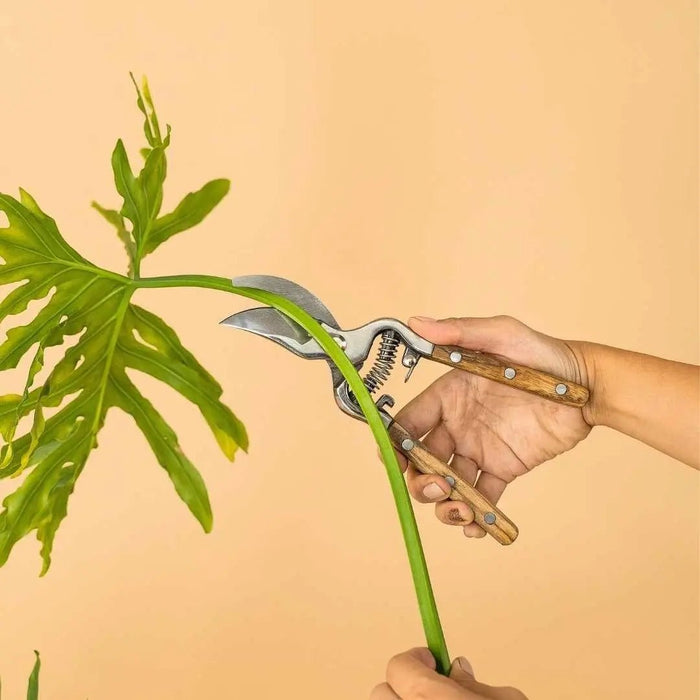
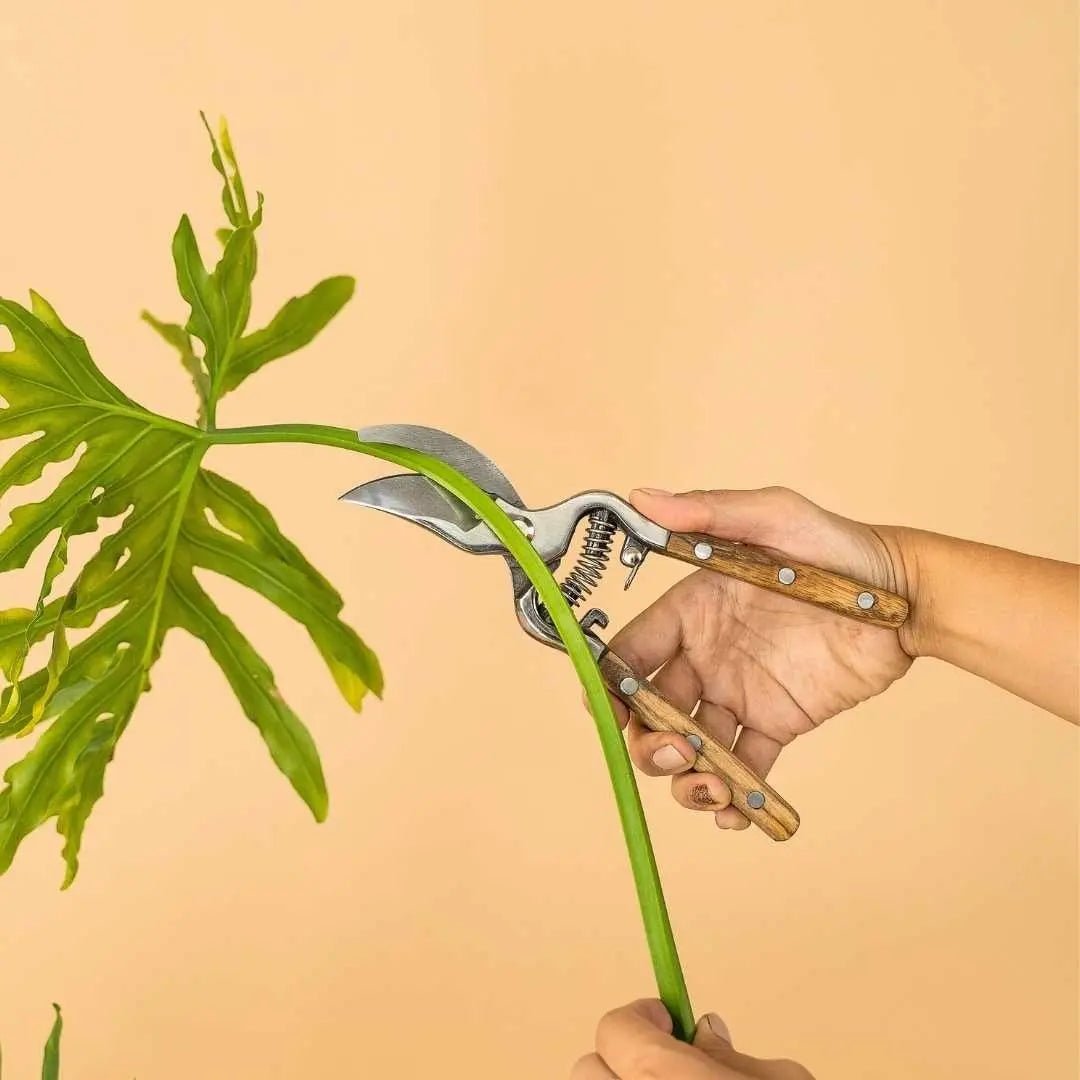
Removing brown tips: Trim brown leaf tips with clean, sharp scissors. Cut at a slight angle, leaving a tiny brown margin (cutting into green tissue creates a new wound that browns).
Height control: If your Dracaena grows too tall, cut the main stem at the desired height. The plant will sprout new growth below the cut — often two or three new branches, creating a fuller appearance.
The cut top can be propagated: Place the removed top in water or moist soil to root a new plant.
Removing lower leaves: As Dracaenas grow, lower leaves naturally yellow and drop, exposing the woody stem. This is normal and creates the attractive "tree" form.
Propagation
Dracaenas propagate through several methods:
Stem Cuttings
- Cut a section of stem 15-20cm long
- Let the cut end dry for a few hours
- Place upright in moist soil or water (maintain correct orientation — the end that was higher on the plant should face up)
- Roots develop in three to six weeks
- New shoots emerge from the top of the cutting
Top Cutting
- Cut the top of the plant (including the leafy crown) with 10-15cm of stem
- Place in water or moist soil
- Roots develop from the submerged stem section
- This produces a new plant that already has a full crown of leaves
Air Layering
- Make a horizontal cut one-third through the stem at the desired height
- Insert a toothpick to keep the cut open
- Wrap with damp sphagnum moss and secure with cling wrap
- Roots develop at the cut site in four to eight weeks
- Once rooted, cut below the new roots and pot independently
Common Problems
Brown Leaf Tips
The most common Dracaena issue. Causes:
- Fluoride in water — The leading cause. Switch to filtered or aged tap water.
- Low humidity — Increase humidity with misting or a pebble tray.
- Over-fertilising — Flush soil and reduce fertiliser concentration.
- Salt buildup — Flush soil thoroughly with clean water.
Yellow Leaves
- Overwatering if multiple lower leaves yellow simultaneously
- Natural ageing if one or two bottom leaves yellow while new growth continues
- Low light if accompanied by overall pale colouring
Leggy Growth
Insufficient light causes the plant to stretch. Move to a brighter position. Prune to encourage bushier growth.
Leaf Drop
Sudden temperature changes, drafts, or relocation stress. Stabilise the environment and allow two to four weeks for adjustment.
Pests
- Mealybugs in leaf axils and along stems — treat with isopropyl alcohol
- Scale insects on stems — scrape off and treat with neem oil
- Spider mites in dry conditions — increase humidity, treat with neem oil
Is Dracaena Toxic?
Yes, Dracaena is toxic to cats and dogs. Ingestion causes vomiting, drooling, and loss of appetite. Keep out of reach of pets.
Styling Dracaena
Dracaena's vertical growth makes it one of the most space-efficient statement plants:
- Corner filler: A tall Dracaena marginata fills a corner beautifully without spreading into walkways.
- Office plant: Compact varieties (compacta, Song of India) sit neatly on desks and shelves.
- Paired sentinels: Two matching Dracaenas flanking a doorway or window create a formal, balanced entrance.
- Mixed display: Combine a tall marginata with shorter, bushier plants at its base for a layered arrangement.
Shop Dracaena
Browse our indoor plant collection for Dracaena varieties suited to every space. From compact desk plants to tall floor specimens, we deliver healthy plants across Singapore.
Dracaena is the plant that quietly makes every space better. It does not demand attention or special care. It does not throw tantrums when you forget to water it. It simply grows — slowly, steadily, elegantly — filling your home or office with vertical green beauty. For the Singapore plant owner who wants maximum visual impact with minimum effort, Dracaena is one of the smartest choices available.
Quick summary
Key Takeaways
- Popular Varieties
- Light
- Watering
- Soil
- Humidity
- Fertilising
Ready to bring some green into your home?
Browse 250+ hand-picked plants, curated for Singapore homes — delivered to your door.
Browse All Plants →