




















Dracaena Care Guide for Singapore | Tumbleweed Plants Singapore
Posted on April 10 2026
In this article
The Dracaena is the tall, quiet plant that does its job without asking for attention. It fills a corner, adds height to a room, purifies the air, and survives conditions that would stress more demanding species. It is the plant for people who want something substantial in their space without committing to a complicated care routine.

With over 120 species, the Dracaena genus offers remarkable diversity — from the compact, colourful Dracaena 'Lemon Lime' to the towering, tree-like Dracaena marginata that reaches 2 metres indoors. In Singapore, Dracaena is one of the most popular office and home plants, and for good reason: it handles our climate, our air conditioning, and our busy schedules with equal grace.
Popular Varieties
Dracaena marginata (Dragon Tree) — The most recognisable Dracaena. Slim trunk topped with a spray of narrow, spiky leaves. Available in green, with red edges ('Tricolor'), or with cream and red stripes ('Colorama'). Grows 1.5-2m indoors. Architectural and dramatic.
Dracaena fragrans 'Massangeana' (Corn Plant) — Broad, arching leaves with a yellow-green central stripe. One of the most popular indoor Dracaenas globally. Thick, woody trunk with clusters of leaves at the top. Grows 1-1.8m.
Dracaena fragrans 'Lemon Lime' — Striking chartreuse and green striped leaves. Brightens dim corners with its vivid colouring. Same growth habit as 'Massangeana' but with more vibrant foliage.
Dracaena fragrans 'Janet Craig' — Deep, solid green leaves. The most shade-tolerant variety. Popular in offices for its ability to thrive under fluorescent lighting.
Dracaena reflexa 'Song of India' — Compact with yellow-edged, reflexed leaves. Bushier growth habit than other Dracaenas. Attractive as a medium-sized table or floor plant.
Dracaena trifasciata (formerly Sansevieria) — Yes, the Snake Plant was reclassified into the Dracaena genus. However, its care is distinct enough that it is typically discussed separately.
Light

Dracaenas are adaptable but have clear preferences:
Low light — Most Dracaenas survive in low light, particularly 'Janet Craig' and D. fragrans varieties. Growth slows significantly, and variegated varieties may lose their colour patterns, reverting to solid green.
Medium indirect light — The sweet spot. Good growth, maintained colour, and steady new foliage production. This is where most Dracaenas look their best.
Bright indirect light — Fastest growth and most vibrant colouring, especially for variegated varieties like 'Lemon Lime' and 'Song of India'.
Direct sun — Avoid. Direct afternoon sun scorches Dracaena leaves, causing brown, crispy patches. Morning sun is tolerated briefly.
Best placement in Singapore: Near a window with filtered light, or in a well-lit room a metre or two from the window. Offices with good fluorescent lighting also work well.
Watering
Dracaenas prefer to dry out between waterings — they are mildly drought-tolerant thanks to their thick, woody trunks that store moisture.
Schedule in Singapore:
- Water when the top 3-5cm of soil is dry
- Every 7-10 days in naturally ventilated rooms
- Every 10-14 days in air-conditioned rooms
Technique:
- Water thoroughly until water drains from the bottom
- Empty saucers promptly — Dracaenas dislike sitting in water
- Let the soil dry before the next watering
Critical note on water quality: Dracaenas are sensitive to fluoride and chlorine in tap water. Singapore's tap water contains chlorine. If you notice brown leaf tips despite correct watering, try:
- Letting tap water sit overnight before using (chlorine evaporates)
- Using filtered water
- Collecting rainwater
Brown leaf tips are the most common Dracaena complaint, and water quality is usually the culprit.
Soil

A well-draining mix works best:
- 50% potting mix
- 25% perlite
- 25% orchid bark or coco chips
Dracaenas are tolerant of average potting mixes, but adding perlite ensures the drainage they prefer.
Humidity
Dracaenas handle a wide humidity range:
- Singapore's natural 70-80% humidity — excellent
- Air-conditioned 40-50% — acceptable but may cause occasional brown leaf tips
- Very dry air below 40% — leaf tips brown more frequently
In AC rooms, an occasional mist or a pebble tray helps but is not essential.
Temperature

Singapore's consistent 24-32°C is within the ideal range. Dracaenas prefer warmth and do not tolerate cold — temperatures below 15°C cause damage. This is only a concern if the AC is set unusually low or the plant is near an AC vent with direct cold airflow.
Fertilising
- Balanced liquid fertiliser at half strength every 4-6 weeks during the growing season
- Reduce to every 8-10 weeks during slower growth periods
- Do not over-fertilise — excess fertiliser salts contribute to brown leaf tips
- Flush the soil with plain water every few months to clear accumulated salts
Propagation
Dracaenas are among the easiest plants to propagate.
Stem Cutting (Top Cut)
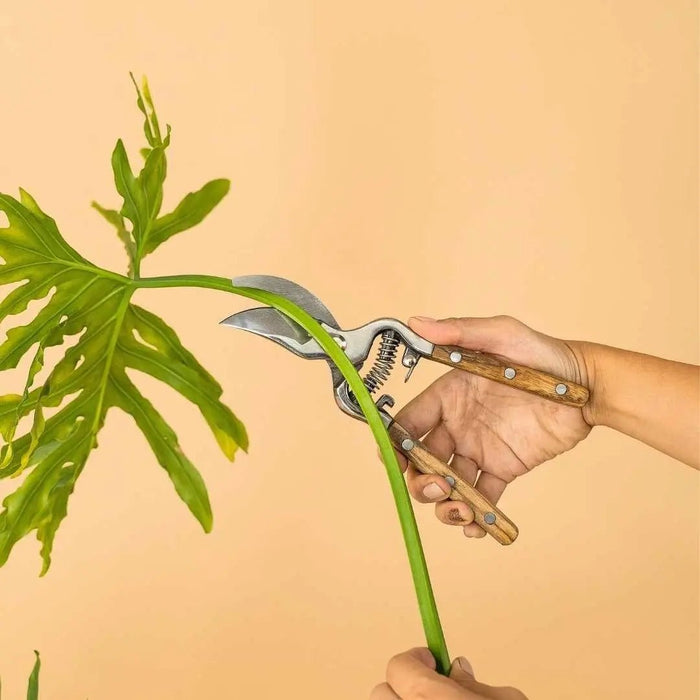
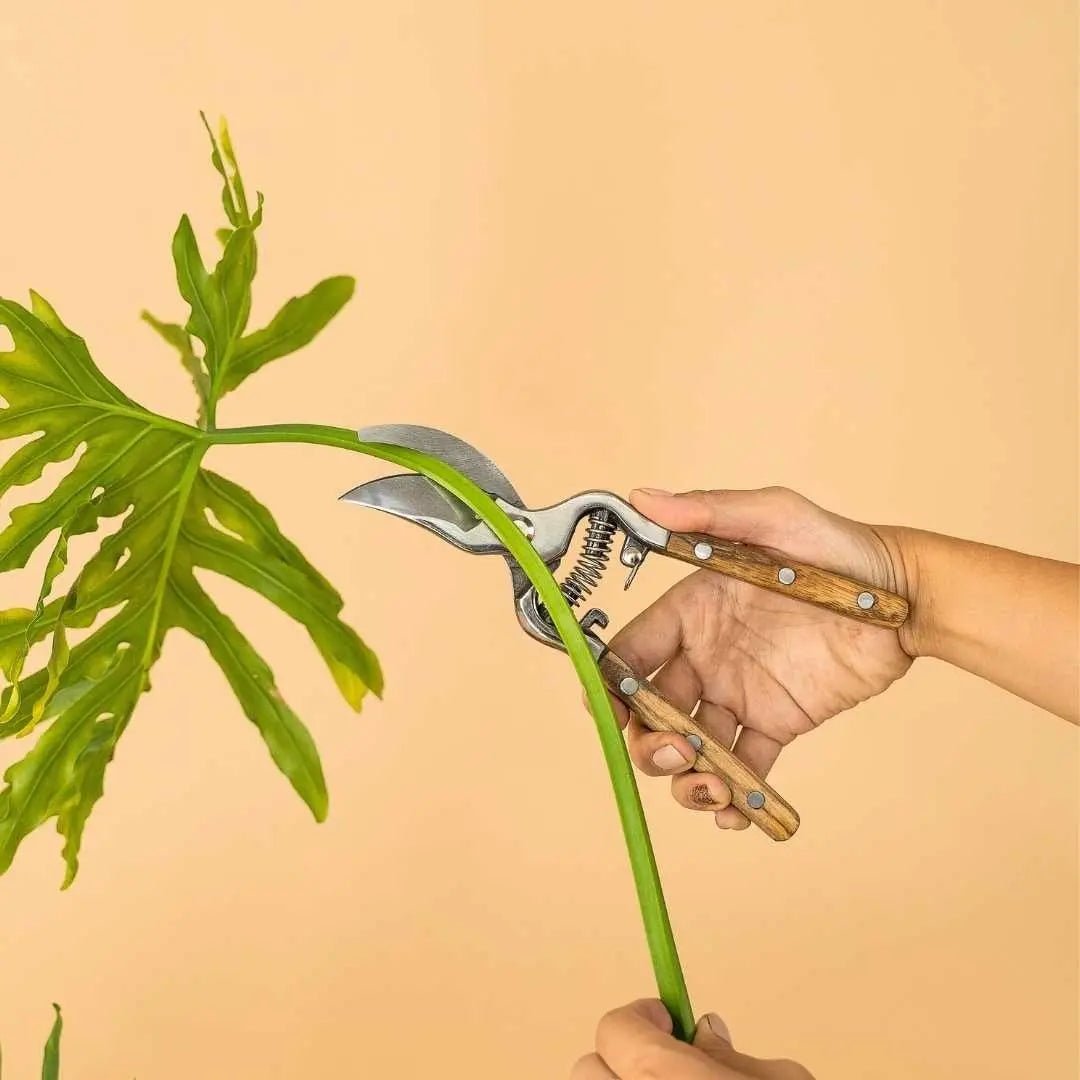
- Cut the top of the plant (including 10-15cm of stem) with a clean, sharp blade
- Remove the lower leaves from the cutting, leaving 4-6 leaves at the top
- Place the cutting in water or directly in moist soil
- In water: roots appear in 2-4 weeks. Transfer to soil once roots are 5-8cm
- In soil: keep moist and warm. Roots develop in 3-6 weeks
Stem Section (Cane Cutting)
- Cut a section of bare stem (10-15cm) from a leggy or overgrown plant
- Place horizontally on moist soil or stand vertically in soil (note which end was up — it matters)
- New shoots emerge from nodes along the stem in 4-8 weeks
- Once shoots have leaves and roots are established, each section becomes a new plant
Air Layering
For larger plants where you want a substantial cutting:
- Make a small incision in the stem where you want roots to form
- Wrap the area with moist sphagnum moss and plastic wrap
- Roots form inside the moss ball over 4-8 weeks
- Cut below the new roots and pot the rooted section
After cutting the parent plant: The stump of the parent plant will sprout new growth from just below the cut. Often, multiple shoots emerge, creating a bushier plant. Do not discard the stump.
Common Problems
Brown Leaf Tips
The most common Dracaena issue. Causes:
- Fluoride/chlorine in tap water — the most likely culprit in Singapore
- Low humidity — especially in AC rooms
- Over-fertilising — salt buildup burns leaf tips
- Underwatering — prolonged drought dries tips
Fix: Switch to filtered or rested tap water. Trim brown tips at an angle for a natural look.
Yellow Leaves
Lower leaves yellowing and dropping: Normal. Dracaenas naturally shed older lower leaves as they grow taller. This is how the characteristic bare trunk develops.
Multiple leaves yellowing rapidly: Overwatering. Check soil moisture and drainage. Reduce watering frequency.
Leggy Growth
Dracaenas naturally grow tall with bare lower trunks. If the plant becomes too leggy or top-heavy:
- Prune the top (propagate the cutting)
- The stump will sprout new, bushier growth
- Stake tall plants that lean
Pests
Dracaenas can attract:
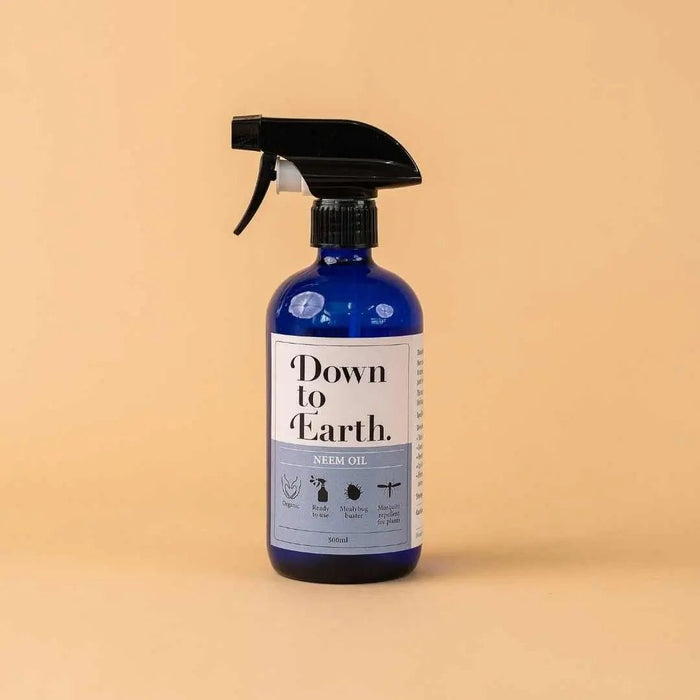
- Mealybugs — white, cottony masses in leaf joints. Treat with rubbing alcohol or neem oil.
- Spider mites — tiny dots and fine webbing on leaves. Increase humidity, wash leaves, treat with neem oil.
- Scale — brown bumps on stems. Scrape off and treat with neem oil.
Regular leaf cleaning with a damp cloth discourages pests and keeps the foliage looking fresh.
Drooping or Soft Stems
If the stem becomes soft and mushy, root rot has set in from overwatering. Remove the plant from its pot, cut away any rotted roots, let the healthy roots dry for a day, and repot in fresh, well-draining soil. If the stem itself is rotting, take a cutting from above the rot and propagate.
Styling
Dracaenas are versatile in home styling:
- Corner statement — A tall D. marginata or D. fragrans fills an empty corner with vertical interest
- Office plant — 'Janet Craig' thrives in office conditions with fluorescent light
- Entryway marker — a pair of matched Dracaenas flanking a doorway or entrance
- Bedroom plant — air-purifying properties and low-light tolerance make it ideal for bedrooms
- Modern minimalist — D. marginata's slim profile suits contemporary, pared-back interiors
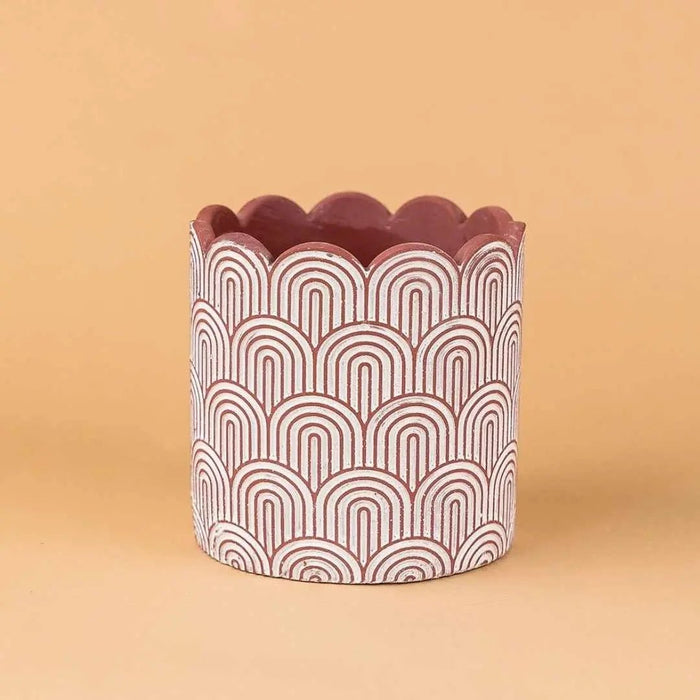
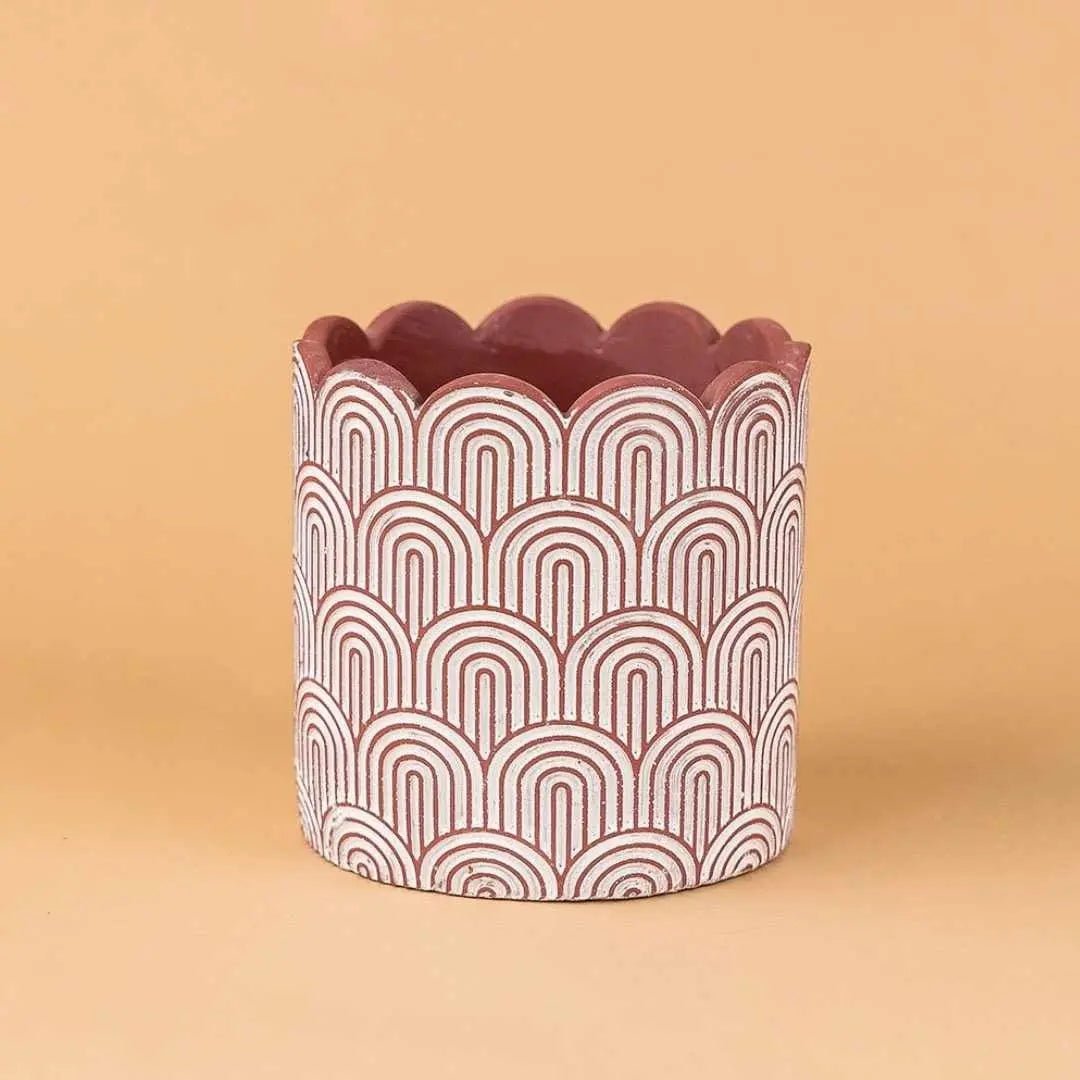
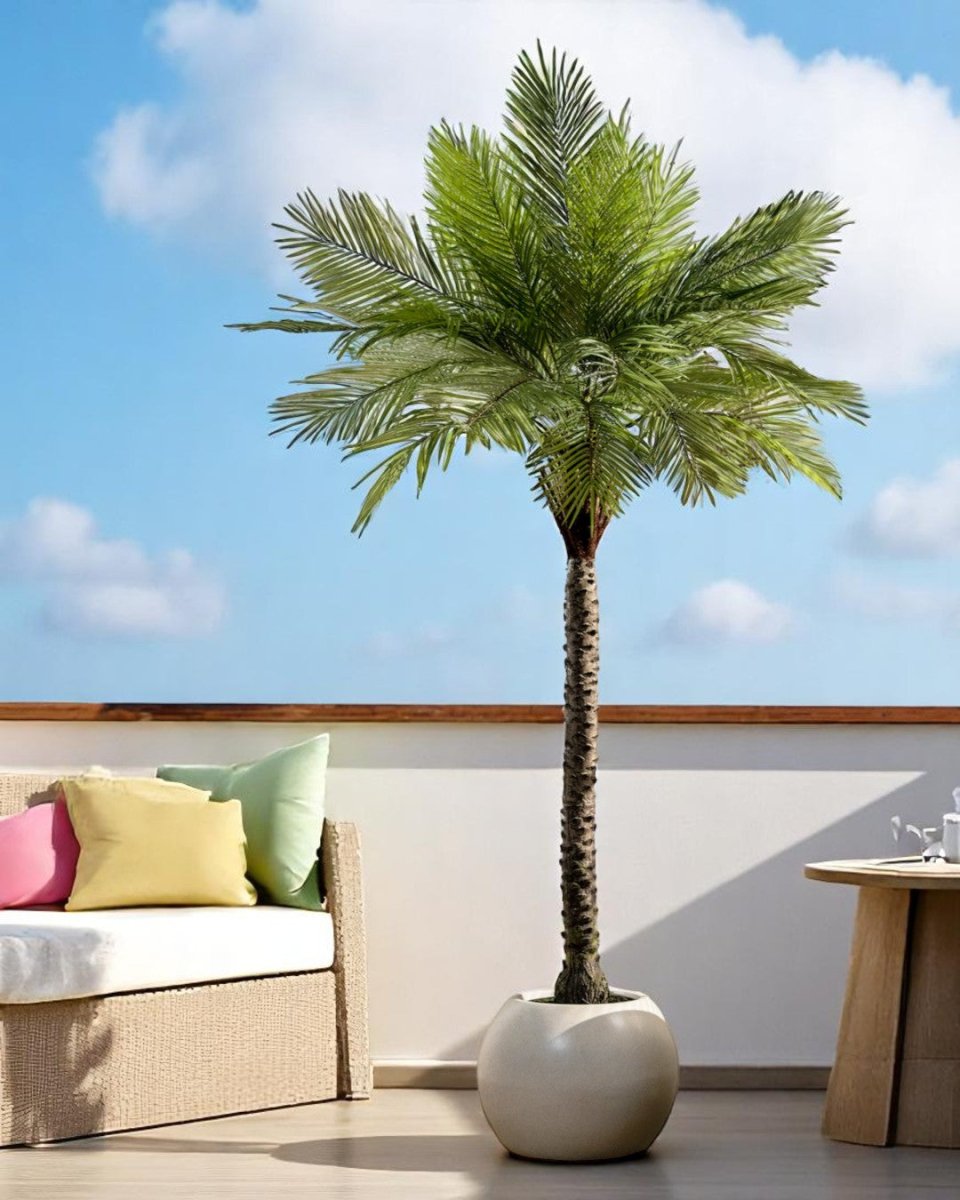
Pot choice: Dracaenas look best in simple, clean pots — white ceramic, concrete, or matte planters that do not compete with the plant's natural form.
Is Dracaena Toxic?
Mildly toxic to cats and dogs if ingested — can cause vomiting, drooling, and loss of appetite. Not dangerous to humans. Keep away from pets that chew plants.
Shop Dracaena
Browse our indoor plant collection for Dracaena varieties delivered across Singapore.
The Dracaena is the plant that earns its place without drama. It grows slowly and steadily, adds structure and height, purifies the air, and asks for little more than weekly water and decent light. If the Monstera is the show-off and the Pothos is the reliable friend, the Dracaena is the quiet professional — it just gets the job done, year after year.
Quick summary
Key Takeaways
- Popular Varieties
- Light
- Watering
- Soil
- Humidity
- Temperature
Ready to bring some green into your home?
Browse 250+ hand-picked plants, curated for Singapore homes — delivered to your door.
Browse All Plants →