



















Dracaena Care Guide: Low-Maintenance Elegance for Any Room
Posted on April 16 2026
In this article
Thumbnail image spec (1200x628px): A tall Dracaena marginata (Dragon Tree) in a white ceramic pot against a clean Singapore condo interior wall; text overlay: "Dracaena Care Guide — Tumbleweed Plants Singapore"

---
Dracaenas are one of the most underrated plants in the houseplant world. They're architectural, dramatic, tolerant of neglect, and capable of growing into impressive specimens over time — yet they're often overlooked in favour of flashier plants that require far more attention.
If you want a plant that looks like it belongs in a design magazine but forgives you when you forget to water it, a dracaena might be exactly what you need. In Singapore, dracaenas offer an added advantage: they thrive in our equatorial warmth and, unlike in temperate countries, they grow year-round without any winter slowdown.
---
What Is a Dracaena?
Dracaenas (Dracaena spp.) are a diverse genus of tropical plants native to Africa, with some species from Asia and Central America. Most grow as upright cane-like stems with rosettes of long, sword-shaped leaves at the top — a silhouette that looks naturally architectural indoors.
Common varieties include:
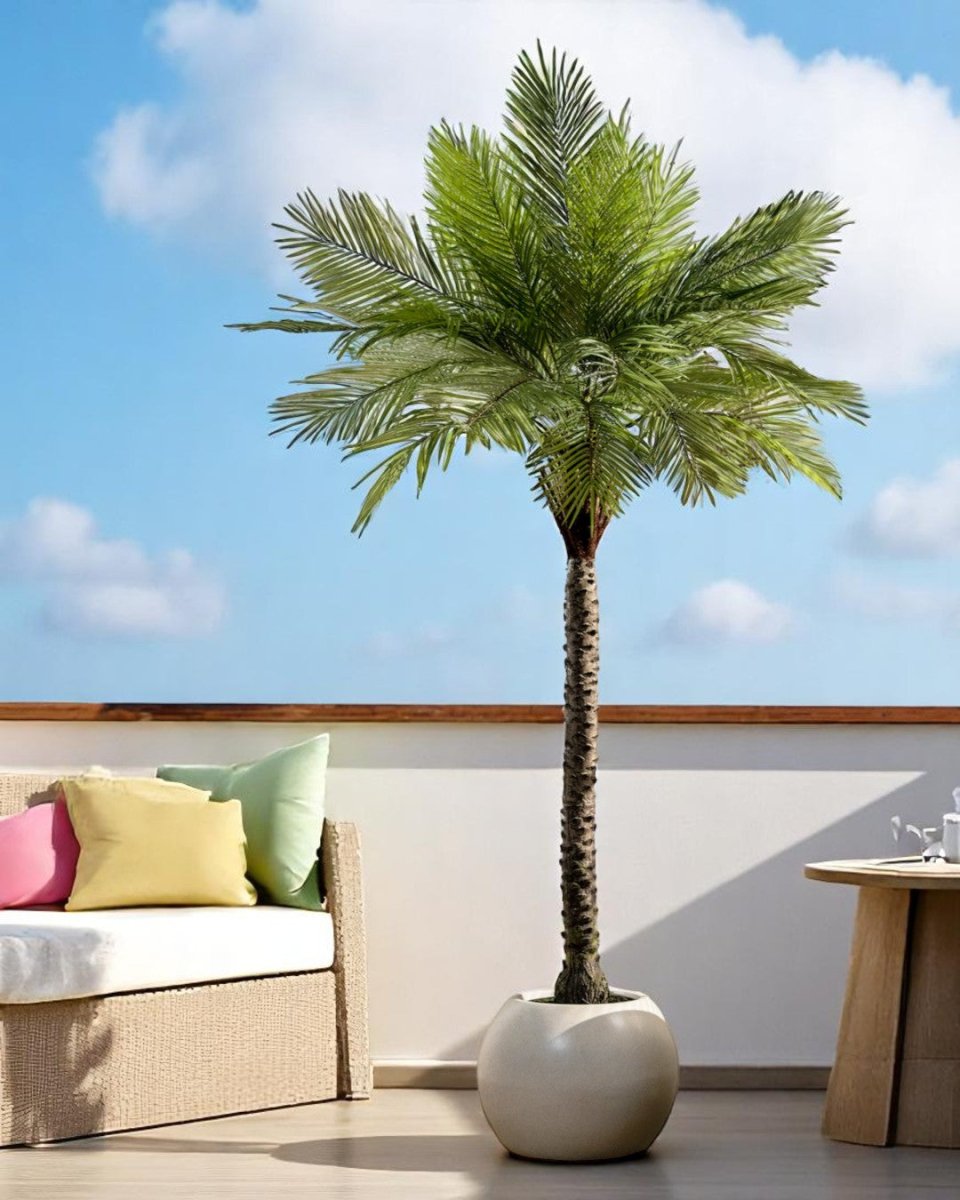
Dracaena marginata (Dragon Tree) — Long, narrow red-edged leaves on thin, branching canes. Can grow to 6+ feet with a sculptural, tree-like silhouette. Very drought-tolerant. One of the most popular dracaenas for Singapore HDB living rooms and condo lobbies.
Dracaena fragrans 'Massangeana' (Corn Plant) — Broad, yellow-striped leaves on thick, log-like canes. Classic office and living room plant. Tolerates low light better than most.
Dracaena trifasciata (formerly Sansevieria / Snake Plant) — Recently reclassified as a dracaena. Stiff, upright leaves with striking variegation. Covered in its own dedicated care guide.
Dracaena 'Limelight' — Bright lime-green leaves on a compact, bushy plant. One of the most vibrant dracaenas for lower light conditions.
Dracaena deremensis 'Warneckii' — White-striped leaves in a full, vase-like shape. One of the more compact varieties.
Dracaena reflexa (Song of India) — Spiraling stems with yellow-edged leaves. More humidity-sensitive than other dracaenas.
---
Dracaena Light Requirements in Singapore

Ideal: Medium to bright indirect light
Minimum: Low indirect light
Avoid: Direct harsh sunlight (scorches the leaves, especially variegated varieties)
Dracaenas are genuinely one of the best plants for lower-light interiors. A north or east-facing room that would kill most flowering plants will still support a healthy, slowly growing dracaena.
That said, brighter light (without direct sun) means faster growth, more vibrant leaf color, and a healthier overall appearance. Variegated varieties like Limelight and Warneckii need more light than solid-colored types to maintain their coloration.
Singapore tip: Keep dracaenas away from direct afternoon sun through west-facing windows — Singapore's equatorial afternoon sun is intense and will scorch leaves quickly. East-facing windows with morning light are ideal.
---
How Often to Water Dracaenas
Frequency: Every 1–2 weeks in growing season; every 2–3 weeks in cooler weather
Dracaenas store water in their thick canes and are quite drought-tolerant. They prefer to dry out moderately between waterings — check the top 2 inches of soil, and water only when that layer is dry.
Overwatering is the #1 dracaena killer. Signs:
- Yellow, mushy leaves (especially lower leaves)
- Canes that feel soft or hollow
- A sour smell from the soil
Singapore context: In our humid tropical climate, dracaenas left on a sheltered balcony or corridor may dry out faster than you expect due to airflow and heat. Meanwhile, those kept in fully air-conditioned rooms stay moist much longer. Always check the soil before watering rather than following a set schedule.
Water sensitivity note: Dracaenas are one of the plants most sensitive to fluoride in tap water. Fluoride toxicity shows up as brown leaf tips and yellow streaks on the leaves. Use filtered, distilled, or rainwater if possible. If using tap water, let it sit overnight to at least allow chlorine to dissipate.
---
Soil and Potting

Dracaenas need well-draining soil. A standard potting mix amended with 20–30% perlite works well. Avoid moisture-retaining mixes.
Like most houseplants, dracaenas prefer to be slightly root-bound. Repot every 2–3 years in spring, going up one pot size. Very old dracaenas with established cane trunks can go even longer between repots.
---
Temperature and Humidity in Singapore
Ideal: 65–80°F (18–27°C)
Minimum: 55°F (13°C)
Singapore advantage: Our year-round temperatures of 25–33°C are perfectly within the dracaena's comfort zone. No risk of cold damage, frost, or the chill that causes dracaenas to brown in cooler countries during winter.
Most dracaenas tolerate average household humidity without issue. The exception is Dracaena reflexa (Song of India), which appreciates higher humidity and may show brown tips more readily in dry air — or in fully air-conditioned Singapore rooms.
---
Fertilizing
Frequency: Once a month, year-round in Singapore
Type: Balanced liquid fertilizer at half strength
Do not over-fertilize dracaenas. Excess fertilizer is a common cause of brown tips. Half-strength, monthly is sufficient. Because Singapore has no true winter, you can maintain a consistent monthly fertilizing schedule throughout the year.
---
Pruning Dracaenas
Dracaenas can be pruned to control height or encourage branching:
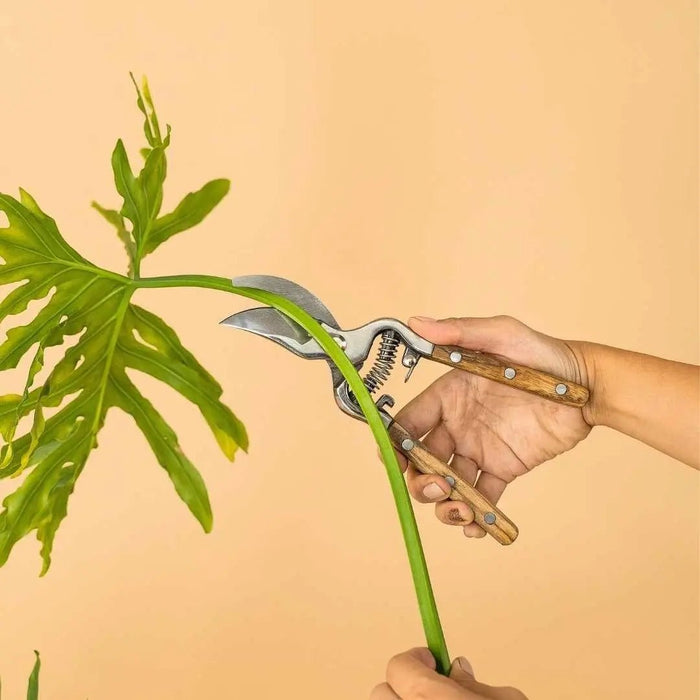
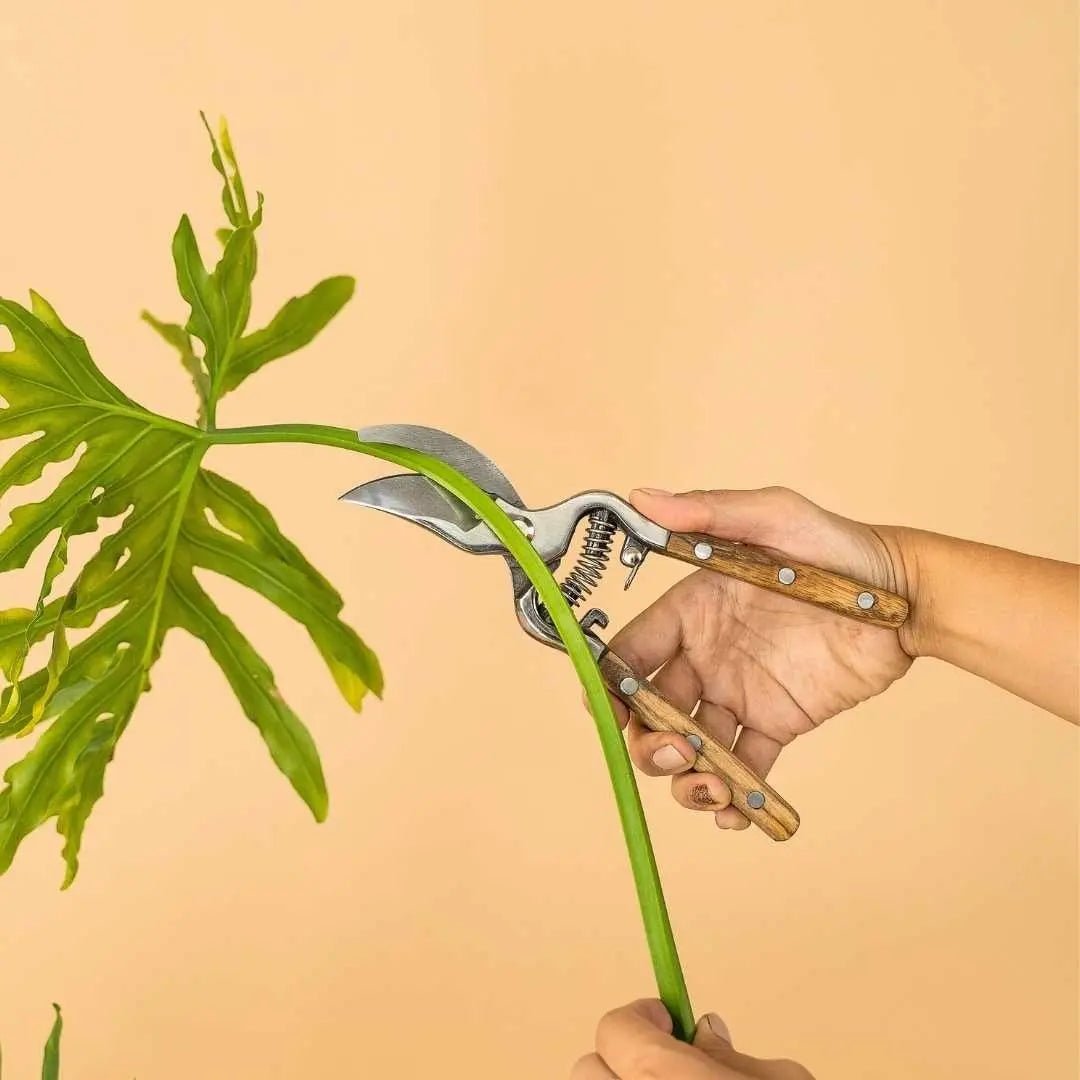
- To lower the height: Cut the cane at your desired height with clean pruning shears. New growth will emerge from just below the cut — typically 2–3 new rosettes of leaves, creating a branched look.
- To remove dead leaves: Peel or cut away yellow or brown leaves at the base, close to the cane. This is purely cosmetic.
- To propagate: The cut cane tip can be rooted in water or potting mix. Cane sections (without leaves) can also be laid horizontally in moist soil — they'll sprout new growth from nodes along the section.
Singapore tip: Rooting cane cuttings is particularly fast in Singapore's warmth. What takes 4–6 weeks in temperate climates often happens in 2–3 weeks here.
---
Common Dracaena Problems

Brown leaf tips:
Almost always fluoride or salt sensitivity. Switch to filtered water and flush soil to remove accumulated minerals.
Yellow lower leaves (a few at a time):
Normal aging. Dracaenas regularly shed their oldest (lowest) leaves. If it's isolated to 1–2 older leaves and new growth looks healthy, no action needed.
Yellow leaves spreading upward:
Overwatering. Reduce frequency and check drainage.
Pale, washed-out leaf colour:
Too much direct light or insufficient nutrients. Move to indirect light; resume fertilizing if you've skipped it.
Soft, mushy canes:
Root rot from overwatering. If caught early, unpot, remove rotted roots, let dry, and repot in fresh soil. If the rot has reached the main canes, the plant may be difficult to save.
---
Are Dracaenas Toxic?
Yes — dracaenas are toxic to dogs and cats. Ingestion can cause vomiting, drooling, and lethargy. Keep out of reach of pets, especially curious cats who may chew on the long leaf tips.
---
Why Dracaenas Deserve More Credit
Dracaenas offer something rare in houseplants: genuine architectural presence with almost no drama. Give them bright indirect light, water when the soil is dry, use filtered water, and they'll grow steadily and look striking for years. In Singapore, where year-round warmth and no cold drafts mean your dracaena is always in its comfort zone, these plants can truly reach their potential — branching Dragon Trees, large Corn Plants, and vivid Limelight specimens are all achievable with minimal effort.
---
Quick summary
Key Takeaways
- What Is a Dracaena?
- Dracaena Light Requirements in Singapore
- How Often to Water Dracaenas
- Soil and Potting
- Temperature and Humidity in Singapore
- Fertilizing
Ready to bring some green into your home?
Browse 250+ hand-picked plants, curated for Singapore homes — delivered to your door.
Browse All Plants →