
















Fittonia (Nerve Plant) Care Guide for Singapore | Tumbleweed Plants Singapore
Posted on April 16 2026
In this article
Fittonia — the nerve plant — is small, dramatic, and unapologetically high-maintenance about one thing: water. Skip a watering and it collapses into a heap of limp leaves, looking convincingly dead. Water it, and within an hour it springs back to life as if nothing happened. This theatrical relationship with water has earned it the nickname "the drama queen of houseplants."

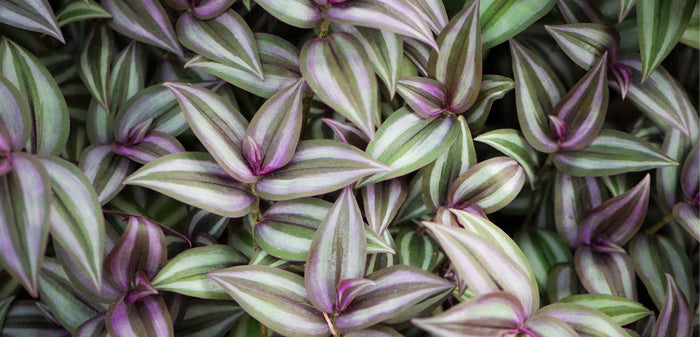
But beneath the drama, Fittonia is a genuinely beautiful plant. Its small, oval leaves are covered in intricate networks of veins — white, pink, red, or silver — that give it the "nerve plant" name. The patterns are delicate and detailed, rewarding close inspection. And in Singapore's humid climate, Fittonia thrives with far less drama than it produces in drier environments.
Popular Varieties
Fittonia albivenis (White Nerve Plant) — Dark green leaves with prominent white veins. The classic and most widely available variety.
Fittonia 'Pink Angel' — Green leaves with vivid pink veins. The most popular coloured variety in Singapore.
Fittonia 'Red Anne' — Deep red to burgundy veins on dark green leaves. Rich and moody.
Fittonia 'Frankie' — Predominantly pink leaves with green edges. One of the most intensely coloured varieties.
Fittonia 'Superba' — Larger leaves than standard varieties, with bold white veins. More substantial presence.
Fittonia 'Mini' varieties — Compact, small-leaved forms perfect for terrariums and tiny pots. Multiple colour options available.
Light
Fittonia is a ground-cover plant from South American rainforests — it grows under the canopy in filtered, low light.
Medium indirect light — Ideal. Produces the most vivid vein colouration and compact growth.
Low light — Tolerated well. Fittonia is one of the better low-light plants, though colours may be slightly less vivid.
Bright indirect light — Acceptable if filtered. Too much bright light can wash out the delicate vein patterns and cause leaf curling.
Direct sun — No. The thin, delicate leaves scorch quickly. Even brief direct sun can damage Fittonia foliage.
Fittonia is an excellent plant for positions that are too dim for most colourful plants — desks away from windows, shelves in low-light rooms, and bathrooms with small windows.
Watering
This is where Fittonia earns its dramatic reputation.
Schedule in Singapore:
- Keep soil consistently moist — never let it dry out completely
- Water every 3-5 days in naturally ventilated rooms
- Every 5-7 days in air-conditioned rooms
- Check more frequently in warm weather or bright positions
The Fittonia faint: When the soil dries too much, Fittonia collapses dramatically — all stems go limp, leaves droop flat. This looks alarming but is usually fully reversible. Water immediately and the plant revives within 1-2 hours. However, repeated fainting stresses the plant and can lead to permanent leaf damage over time.
Prevention: Do not let the soil dry below the top 1cm. Fittonia wants consistently moist (not waterlogged) soil. Think "damp sponge" — moist throughout but not dripping.
Overwatering signs: Yellow leaves, stem rot at the base, mushy stems. Despite loving moisture, Fittonia can still suffer from waterlogged, anaerobic soil.
Underwatering signs: The famous collapse. Also: crispy leaf edges, slow recovery from wilting, leaf drop.
Humidity

Singapore advantage: Our 70-80% ambient humidity is perfect for Fittonia. This plant craves high humidity and Singapore delivers it naturally.
Air-conditioned rooms (50-60%): Fittonia can struggle here. The dry air increases water loss from its thin leaves, leading to more frequent wilting and crispy edges.
Solutions for AC rooms:
- Terrarium growing (ideal — see below)
- Pebble tray under the pot
- Grouping with other humidity-loving plants
- Regular misting
- Small humidifier nearby
Terrarium: Fittonia is one of the most popular terrarium plants precisely because the enclosed, humid environment eliminates the watering drama entirely. In a sealed or semi-sealed terrarium, Fittonia maintains consistent moisture and humidity, growing happily with almost no intervention.
Soil
Moisture-retentive but well-draining:
- 60% quality potting mix
- 20% perlite
- 20% peat moss or coco coir
The soil should hold moisture without becoming waterlogged. Fittonia's roots are shallow and fine — they need consistent access to moisture but will rot in standing water.
Temperature

Singapore's 26-32°C is within Fittonia's comfort range (16-28°C, with our warmth at the upper end). The plant grows actively in our warmth.
AC rooms (22-25°C): Ideal temperature for Fittonia — the slightly cooler conditions suit it well. The challenge in AC rooms is humidity, not temperature.
Cold drafts: Avoid. Fittonia is sensitive to sudden cold — position away from direct AC vents.
Fertilising
- Balanced liquid fertiliser at quarter strength every 4-6 weeks
- Very light feeder — over-fertilising burns the delicate roots and leaves
- Reduce if the plant is in low light or growing slowly
- Flush soil quarterly to prevent salt buildup
Common Problems
The Constant Faint
If your Fittonia wilts frequently despite regular watering:
- The pot may be too small (dries out too fast)
- The soil may have become hydrophobic (repot in fresh mix)
- The position may be too warm or too bright (increases water demand)
- Consider a self-watering pot or terrarium setup
Crispy Leaf Edges
Cause: Low humidity (AC rooms), inconsistent watering, or chemical sensitivity to tap water.
Fix: Increase humidity, water more consistently, and try filtered water if the problem persists.
Leggy Growth
Cause: Insufficient light. Stems stretch toward the light source with sparse leaves.
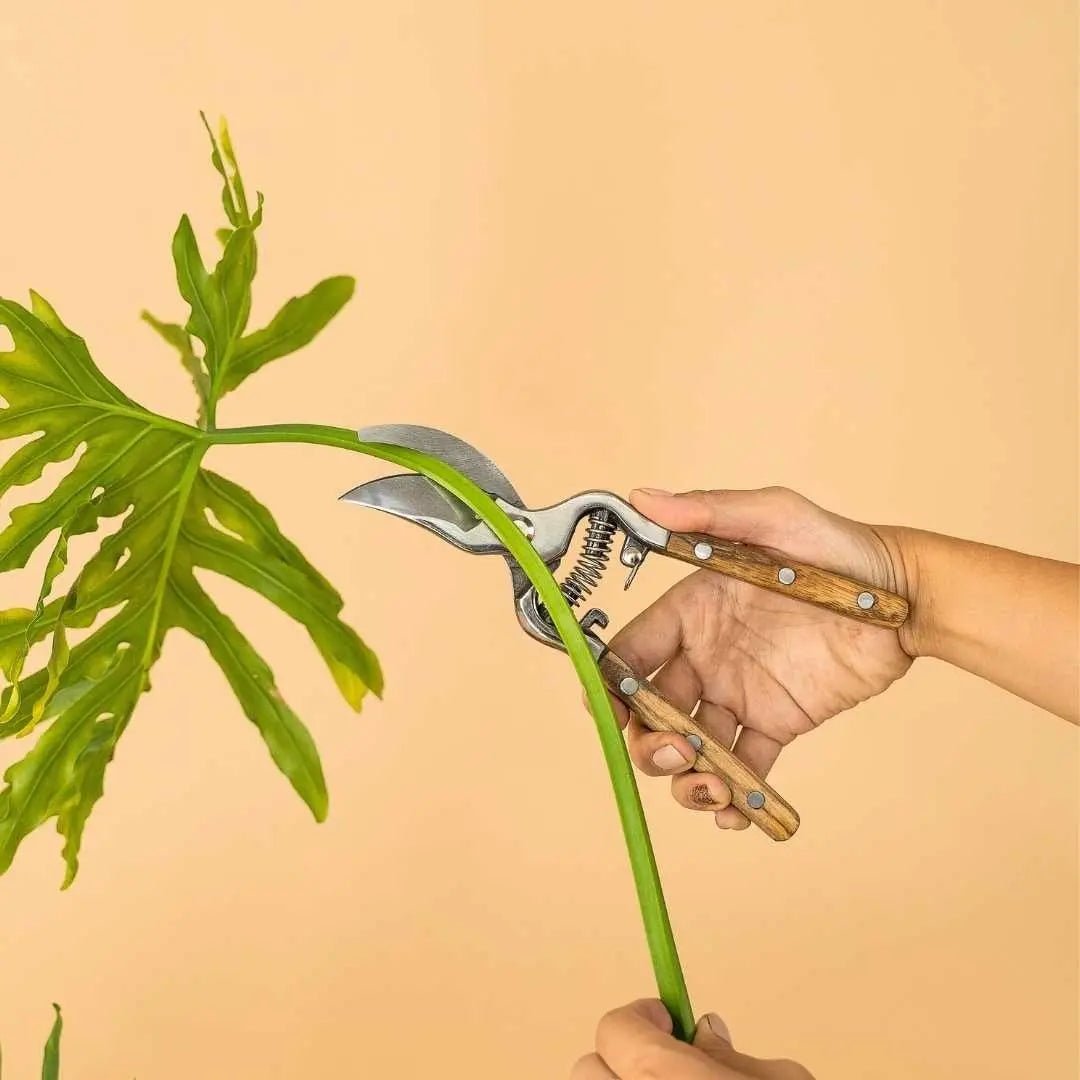
Fix: Move to brighter (still indirect) light. Pinch growing tips to encourage bushier, more compact growth.
Yellow Leaves
Cause: Overwatering (despite the plant's love of moisture, waterlogged soil causes root rot) or natural ageing of lower leaves.
Fix: Ensure drainage is adequate. Do not let the pot sit in a saucer of water. Check for root rot if yellowing is widespread.
Leaf Drop
Cause: Repeated drought stress (too many fainting episodes), cold drafts, or sudden environmental changes.
Fix: Stabilise watering routine. Protect from drafts. Give the plant time to adjust after moving.
Propagation
Fittonia propagates easily from stem cuttings:
- 1. Cut a stem section with 2-3 nodes and at least 2 pairs of leaves
- 2. Remove the lower leaves
- 3. Place in water or moist soil
- 4. Keep in high humidity (cover with a clear bag if using soil)
- 5. Roots develop in 1-2 weeks
- 6. Transfer water cuttings to soil when roots are 2-3cm long
Fittonia also propagates from division — separate clumps with their own roots during repotting.
Tip: Fittonia cuttings root fastest in warm, humid conditions — Singapore's natural environment is ideal.
Terrarium Growing
Fittonia is arguably the perfect terrarium plant:
- Stays compact and small
- Loves the consistent high humidity of an enclosed environment
- Thrives in the low-to-medium light typical of terrariums
- Colourful varieties create visual interest in miniature landscapes
- Requires almost no maintenance once the terrarium is balanced
Terrarium tips:
- Use mini varieties for smaller terrariums
- Combine different colour varieties for visual interest
- Trim regularly to maintain the desired size and shape
- In a sealed terrarium, Fittonia may never need external watering
Styling
Fittonia's compact size and detailed patterns suit specific display positions:
- Desk plant — Eye level, where the intricate vein patterns are visible
- Terrarium — The ideal home for Fittonia, both aesthetically and practically
- Bathroom windowsill — Natural humidity, filtered light
- Shelf grouping — Multiple Fittonia varieties (white, pink, red) in matching mini pots create a colourful display
- Fairy garden — The small scale makes Fittonia perfect for miniature garden arrangements
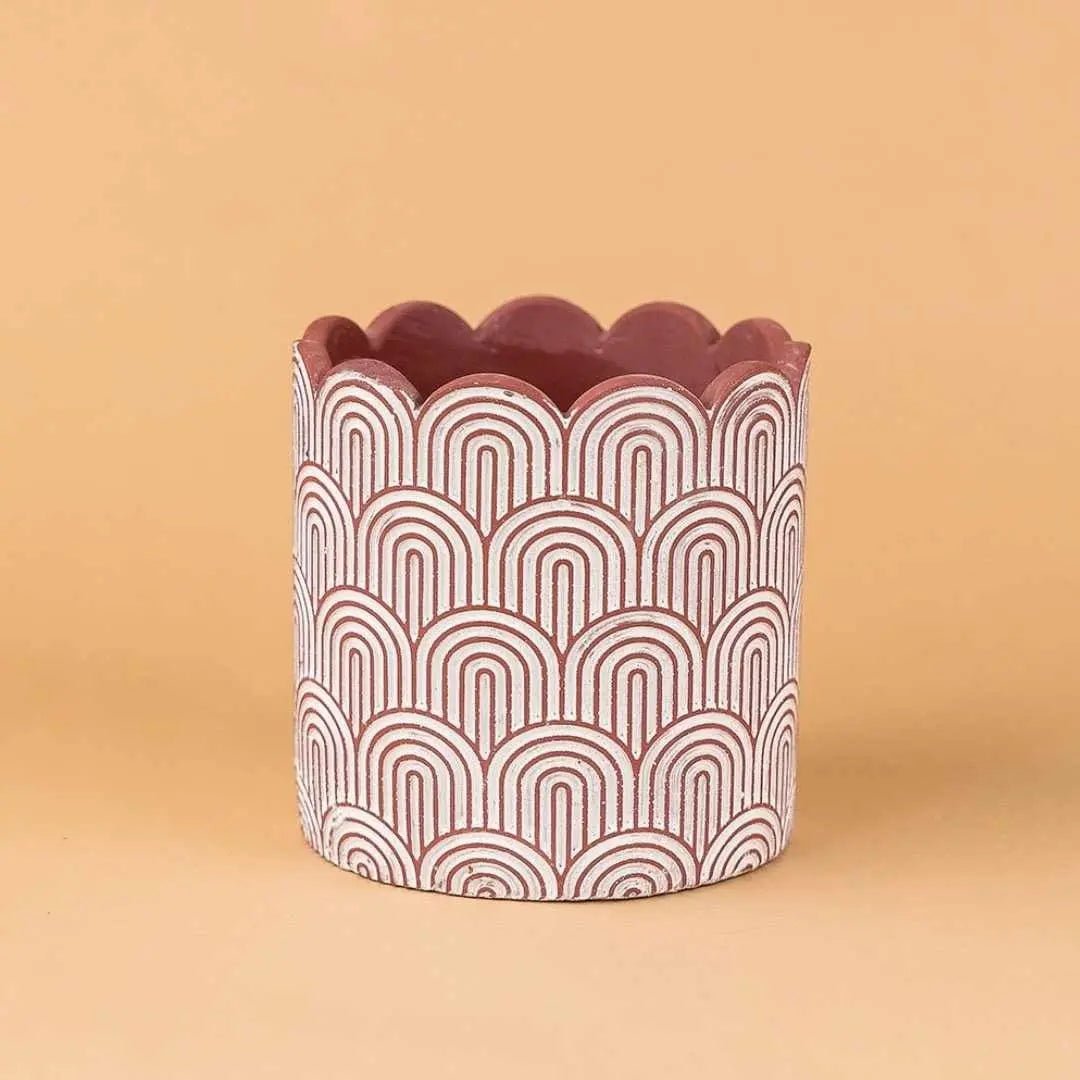
Pot choice: Small, cute pots suit Fittonia's compact size. Bright pots complement the colourful veins. Terracotta dries out too fast for Fittonia — choose glazed ceramic or plastic for better moisture retention.
Is Fittonia Toxic?
No. Fittonia is non-toxic to cats, dogs, and children. This is one of the safest decorative houseplants for homes with pets and young children.
Shop Plants
Browse our indoor plant collection for Fittonia and other compact plants delivered across Singapore.
Fittonia is the plant that wears its needs on its sleeve — or rather, its leaves. It does not quietly decline over weeks like some plants. It faints, spectacularly and immediately, the moment it feels neglected. Then it recovers, equally spectacularly, the moment you attend to it. This honesty is either charming or exhausting, depending on your temperament. But in Singapore, where our humidity reduces the drama significantly and terrariums offer a maintenance-free solution, Fittonia is more rewarding than its reputation suggests. Choose a variety with veins that catch your eye, give it moisture and shade, and enjoy a plant that will show you exactly — in real time, with theatrical precision — how well you are doing as a plant parent.
Quick summary
Key Takeaways
- Popular Varieties
- Light
- Watering
- Humidity
- Soil
- Temperature
Ready to bring some green into your home?
Browse 250+ hand-picked plants, curated for Singapore homes — delivered to your door.
Browse All Plants →