















Grow Lights for Houseplants: What They Are, Which to Buy, and How to Use Them
Posted on April 16 2026
In this article

Thumbnail image: 1200×628px — a grow light shelf unit in a Singapore home with lush plants growing under warm LED light; text overlay: "Grow Lights for Houseplants — Singapore Guide"
---
![Hero image: A tiered grow light shelf in a Singapore HDB spare room — multiple LED bar lights illuminating a collection of tropical plants including pothos, ferns, and variegated leaves. Clean, modern setup. Alt: Grow light shelf for houseplants in a Singapore HDB home.]
Grow lights solve one of the most common indoor plant problems: not enough natural light. In Singapore, this might seem counterintuitive — we have intense equatorial sun year-round. But many Singapore homes have significant light challenges:
- North-facing HDB units receive gentle, consistent light that suits many plants but may fall short for high-light varieties
- Interior rooms and corridors can be quite dim, especially in larger HDB flats or condos
- East or west-facing rooms can swing between harsh direct sun and low ambient light
- Plant collectors who want to grow more plants than their windows can support
A good grow light opens up any space — dark corners, spare rooms, shelving units — to become productive growing zones.
---
Why Plants Need Light (The Short Version)
Plants use light for photosynthesis — the process of converting light energy into sugars that fuel growth. Without sufficient light, photosynthesis slows or stops, leading to:
- Weak, leggy growth as the plant stretches toward any available light source
- Smaller leaves
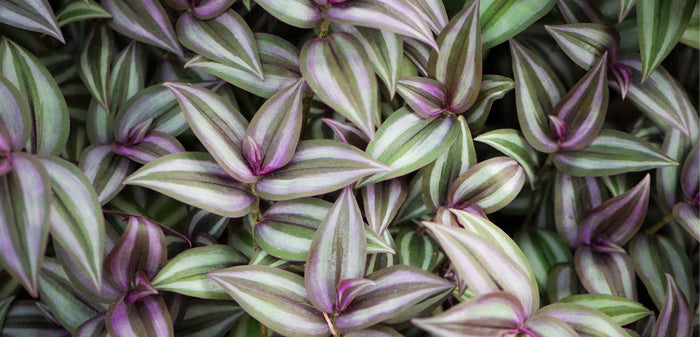
- Loss of variegation (variegated plants revert to green in low light)
- No flowering
- Eventual decline in severely light-deprived conditions
Natural sunlight provides light across the full spectrum of wavelengths. Plants primarily use red and blue wavelengths for photosynthesis, with red light (around 630–660nm) driving flowering and vegetative growth, and blue light (around 430–450nm) supporting leafy growth and compact form.
Singapore note: Year-round growing means your plants will actively use whatever light you provide throughout the year — there's no winter slow-down when plants would benefit less from supplemental lighting. A grow light in Singapore is working hard and productively all 12 months.
![Image 1: Close-up of a variegated Monstera under a full-spectrum LED grow light, showing vivid variegation maintained by adequate light. Alt: Variegated Monstera under grow light in Singapore home.]
---
Types of Grow Lights

LED Grow Lights
Best choice for most home growers — especially in Singapore's heat
Modern LED grow lights are the most energy-efficient, longest-lasting, and lowest-heat option available. This is particularly important in Singapore, where ambient temperatures are already warm — low heat output means your plants don't overheat under the lights, and your electricity bill stays manageable.
Full-spectrum LED panels provide the complete wavelength range plants need while consuming 50–75% less energy than fluorescent options.
Pros: Energy efficient (important in Singapore where electricity costs are high), long lifespan (50,000+ hours), low heat output, wide range of styles and intensities
Cons: Higher upfront cost than fluorescent (though this has narrowed significantly)
Best for: All indoor plant growing in Singapore
---
Fluorescent Lights (T5 and T8)
Reliable but being replaced by LEDs
T5 and T8 fluorescent tubes work well for plant growing. The main drawback in Singapore: they produce more heat than LEDs, which can be an issue in our already warm climate.
Best for: Budget setups where upfront cost is the priority; situations where you already have fluorescent fixtures
---
Incandescent Bulbs
Not recommended for plant growing
Standard incandescent bulbs produce mostly red and infrared light with very little blue, and run very hot. Not suitable as primary grow lights — especially in Singapore's heat.
---
What to Look For When Buying a Grow Light
Light Intensity (PPFD and Lumens)
PPFD (Photosynthetic Photon Flux Density) is the most accurate measure of how much usable light a grow light delivers to a surface. Measured in μmol/m²/s.
Target PPFD ranges for houseplants:
- Low-light plants (pothos, snake plant, ZZ): 50–150 μmol/m²/s
- Medium-light plants (most tropical foliage): 150–400 μmol/m²/s
- High-light plants (succulents, cacti, flowering plants): 400–700 μmol/m²/s
Most grow lights marketed for houseplants list PPFD values — look for this spec rather than just lumens.
Full Spectrum vs. "Blurple"
Full-spectrum white lights are generally preferable for Singapore home use. They produce natural-looking white light that doesn't clash with Singapore's warm interior aesthetic (rattan, timber tones, white walls common in HDB and condo interiors), and provide all wavelengths plants need.
"Blurple" lights can be effective for plant growth but create an unpleasant purple light in living spaces. Better suited for dedicated grow tents or utility spaces.
Coverage Area
Grow lights are rated for coverage area at a specific distance. Match the light's coverage to the number and size of plants you're growing.
Adjustability
Look for:
- Dimmer controls — allows you to adjust intensity as plants adapt
- Timer compatibility or built-in timer — consistent light cycles matter for plant health
---
Grow Light Options by Use Case

Single Plant or Desk Supplement
Best choice: A clip-on or gooseneck LED grow light
Affordable, simple, and ideal for supplementing low natural light on a desk or shelf. Perfect for a single statement plant in a darker corner of your HDB living room or condo study.
What to look for: Full spectrum, adjustable neck, timer or timer-compatible, 10–20W for small plants
Small Collection (2–6 plants on a shelf)
Best choice: A horizontal LED bar or panel light
Designed to hang above a shelf or surface, providing coverage over a wider area. Typically 20–45W for a standard shelf. Suits the popular IKEA shelving commonly used for plant displays in Singapore homes.
What to look for: Full spectrum, hanging hardware included, PPFD of 150–400 at the distance you'll hang it
Full Grow Shelf System
Best choice: Multiple LED bar lights on adjustable shelving
Dedicated grow shelving units with LED bars mounted under each shelf level allow you to grow a large collection in a small footprint — ideal for Singapore's space-limited HDB and condo environments.
![Image 2: A full grow shelf system in a Singapore HDB spare room — three tiers of plants under LED bar lights, including monstera, pothos, and ferns. Alt: Full grow shelf system in Singapore HDB spare room.]
---
How to Use Grow Lights in Singapore: Setup and Timing
Distance from Plants
The closer a light is to the plant canopy, the more intense the light reaching the plant. Standard starting distances:
- Low-intensity LED panels: 6–12 inches
- High-intensity LEDs: 12–24 inches
- Fluorescent T5/T8: 6–12 inches
Adjust distance based on plant response: if leaves look bleached or stressed, increase distance; if plants are stretching toward the light, decrease distance or increase intensity.
Daily Duration
Plants need a dark period to complete their growth cycle — don't run grow lights 24 hours.
- Low-light plants (pothos, snake plant): 10–12 hours/day
- Medium-light plants (most tropical foliage): 12–14 hours/day
- High-light plants (succulents, flowering): 14–16 hours/day
Singapore timing note: Since there is no seasonal variation in Singapore, you can maintain the same light schedule year-round. Set your timer once and leave it. This is simpler than managing grow lights in temperate countries where light schedules shift with seasons.
Acclimating Plants to Grow Lights
Plants used to low light may show stress (temporary bleaching or leaf curl) when first introduced to grow lights. Start with lower intensity or greater distance and gradually increase over 1–2 weeks.
![Image 3: Close-up of healthy new growth on a philodendron under a full-spectrum LED grow light — compact, vibrant green. Alt: Healthy plant growth under grow lights in Singapore home.]
---
Signs Your Grow Light Is Working

After 2–4 weeks under a correctly set-up grow light, you should see:
- Compact new growth (not leggy or stretched)
- New leaves forming regularly
- Maintained or improved color on variegated plants
- Better bloom production on flowering plants
---
Managing Heat Under Grow Lights in Singapore
This is a Singapore-specific consideration: our ambient temperature is already 26–32°C. When running grow lights, monitor for signs of heat stress:
- Wilting despite adequate watering
- Leaf curl or edges crisping
- Soil drying out much faster than expected
Solutions: Use LED lights (lowest heat output); ensure adequate air circulation in the growing space; consider a small fan to keep air moving without drying fronds (don't blow directly on sensitive plants).
---
Grow lights open up spaces that natural light can never reach — from a dark HDB corridor to an entire spare room. Browse our grow light recommendations at Tumbleweed Plants for options at every scale and budget, suited to Singapore's year-round growing conditions.
---
Quick summary
Key Takeaways
- Why Plants Need Light (The Short Version)
- Types of Grow Lights
- What to Look For When Buying a Grow Light
- Grow Light Options by Use Case
- How to Use Grow Lights in Singapore: Setup and Timing
- Signs Your Grow Light Is Working
Ready to bring some green into your home?
Browse 250+ hand-picked plants, curated for Singapore homes — delivered to your door.
Browse All Plants →