















Hoop Pine Care in Singapore: A Pet-Friendly Mini Tree for Bright Homes
Posted on July 05 2026
If you like the look of a small indoor tree but want something softer than a typical statement plant, Hoop Pine is a beautiful option to consider. Araucaria cunninghamii, commonly called Hoop Pine, has fine, layered foliage that gives a room a calm, woodland feel without taking over the space.
In Singapore, Hoop Pine does best when it is treated as a bright-light indoor or sheltered balcony plant. It appreciates steady moisture, good airflow, and a spot where it can receive plenty of natural light without being scorched by the harshest direct afternoon sun. Here is how to keep it looking fresh in a humid home.
What makes Hoop Pine different from other indoor trees?
Hoop Pine has a softer, more architectural shape than many tropical foliage plants. Instead of broad leaves, it grows fine green needles along tiered branches, which makes it feel almost like a living miniature tree. It can suit Japandi, Scandinavian, minimalist, and nature-inspired interiors because the silhouette is clean but not too formal.
For smaller homes, the Hoop Pine Junior is easier to place on a console, plant shelf, or bright desk. The larger Hoop Pine works well as a floor plant beside a window, near a reading corner, or as a gentle green accent in an entryway.
Best light for Hoop Pine in Singapore
Place Hoop Pine in bright, indirect light. In a Singapore apartment, that usually means near an east-facing window, a bright north- or south-facing window, or a shaded balcony where it receives strong ambient light without sitting in punishing direct sun all day.
- Good spots: beside a bright window, a sheltered balcony, a sunny living room set back from the glass, or a bright home office.
- Avoid: dark corners, windowless bathrooms, and hot glass-facing spots where the pot heats up for hours.
- Rotate regularly: turn the pot every one to two weeks so the tree grows evenly instead of leaning towards the light.
If your home is naturally dim, browse bright light plants first and check whether your brightest area is suitable. Hoop Pine is not a true low-light plant; it may survive in lower light for a while, but it will usually become thin, stretched, or dull over time.
How often should you water Hoop Pine?
Singapore’s humidity can make watering feel confusing. The air is moist, but air-conditioned rooms and breezy balconies can dry pots surprisingly quickly. Instead of watering on a fixed calendar, check the potting mix.
- Touch the top few centimetres of soil.
- Water when the top layer feels slightly dry, but before the entire pot becomes bone dry.
- Water thoroughly until excess water drains out.
- Empty any saucer or decorative cachepot so the roots are not sitting in water.
As a general guide, many Hoop Pines in Singapore homes may need water about one to two times a week, but the exact rhythm depends on pot size, airflow, light, and whether the plant is indoors or on a balcony. A larger plant in a warm, bright spot may dry faster than a junior plant in a cooler room.
Humidity, airflow, and air-conditioning
Hoop Pine enjoys the natural humidity we have in Singapore, but it still needs fresh airflow around the foliage and soil. Stale, damp conditions can encourage fungal issues, while strong air-conditioning can dry the plant out from one side.
- Keep it away from direct air-con drafts.
- Do not crowd it tightly between furniture and curtains.
- Give the branches space so the foliage can dry after watering or misting nearby plants.
- If it is on a balcony, make sure rainwater can drain freely from the pot.
There is usually no need to mist Hoop Pine heavily. In many Singapore homes, good light, sensible watering, and airflow matter more than extra misting.
Potting and planter tips
Good drainage is important. Hoop Pine should be planted in a potting mix that holds light moisture but does not stay soggy. If you are styling it inside a decorative planter, keep the nursery pot or inner pot with drainage holes, then place that inside the outer pot. This makes watering and drainage much easier to manage.
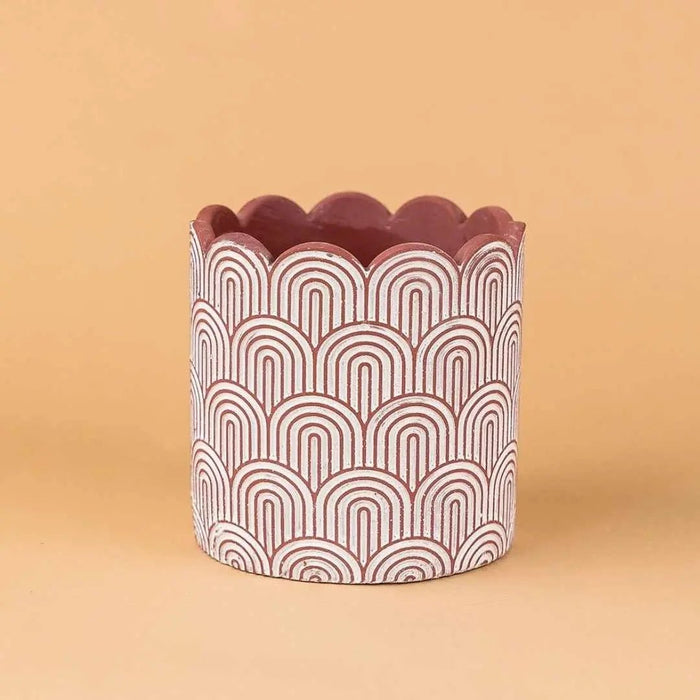
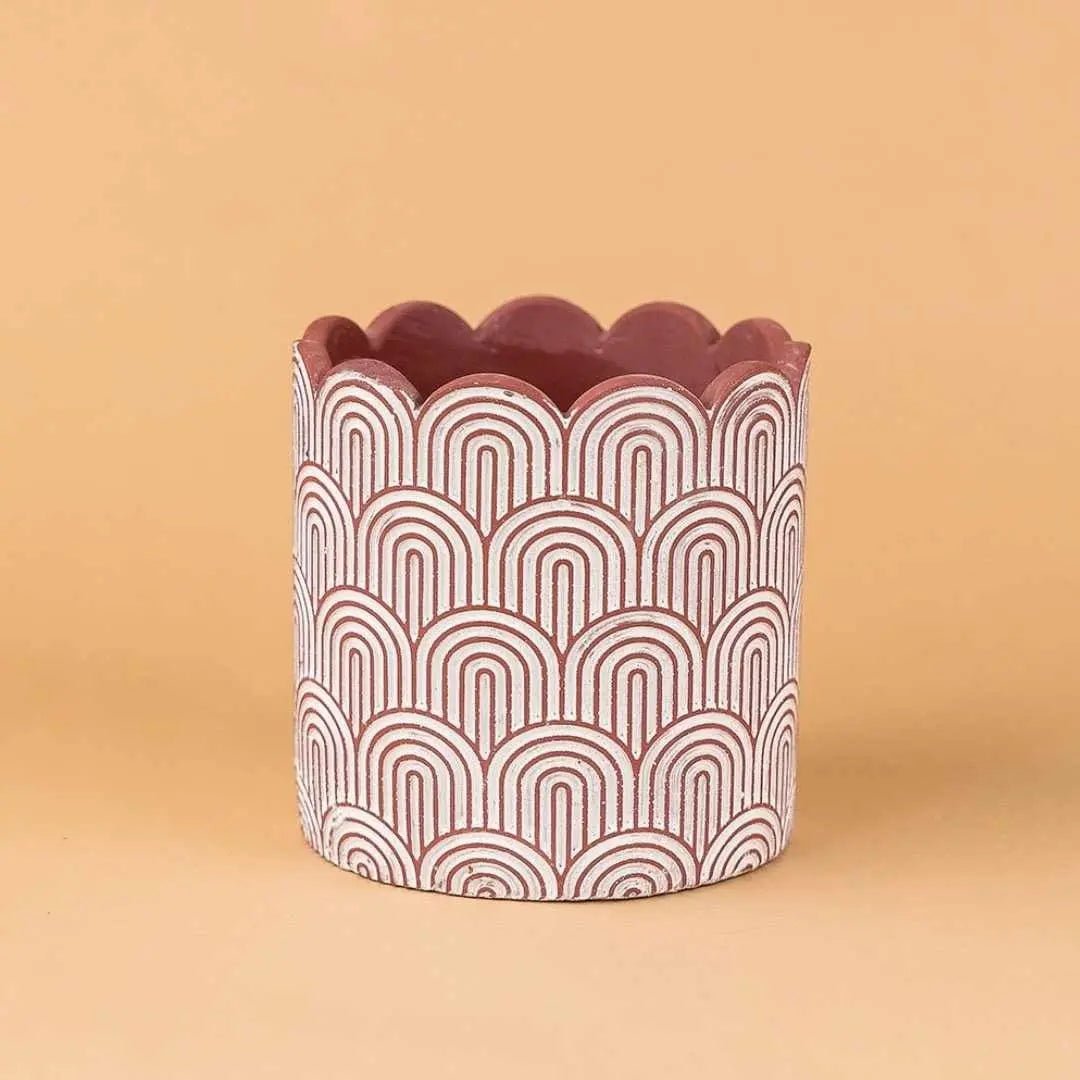
When choosing from planters, look for a stable shape that balances the height of the tree. A simple ceramic, cement, or textured planter can make Hoop Pine feel more polished without overwhelming its delicate foliage.
Repot only when needed: if roots are circling heavily, the plant dries out very quickly after watering, or the plant becomes top-heavy. Move up gradually rather than jumping to a much larger pot, because oversized pots can hold excess moisture around the roots.
Common Hoop Pine problems
Brown or crispy tips
This can happen when the plant dries too much between watering, sits in strong air-con, or receives harsh direct sun. Check soil moisture first, then review the light and airflow around the plant.
Yellowing lower foliage
A little ageing at the base is normal, but widespread yellowing can point to overwatering, poor drainage, or too little light. Make sure the pot drains well and that the plant is not sitting in a wet saucer.
Leaning growth
Hoop Pine naturally grows towards the light. Rotate it regularly and keep it in a consistently bright position.
Drooping branches
Drooping can occur after underwatering, heat stress, or root stress. Check whether the potting mix is very dry or overly wet before adjusting your routine.
Is Hoop Pine pet-friendly?
Hoop Pine is a useful option to explore if you are building a greener home with pets or children in mind. You can also browse Tumbleweed’s Pet & Kids Friendly Plants collection for more choices. As with any plant, it is still wise to discourage pets from chewing foliage or digging in the soil, and to place larger pots where they cannot be knocked over easily.
How to style Hoop Pine at home
Because Hoop Pine has a quiet, upright shape, it works best where the outline can be appreciated. Try it:
- Beside a bright sofa corner to soften hard lines.
- On a plant stand near a window for a miniature tree effect.
- In a bedroom or study that receives bright natural light.
- As a festive-looking evergreen that still works after the season is over.
- Paired with simple pots, mossy textures, or other indoor plants for a layered green corner.
Quick care checklist
- Light: bright indirect light; sheltered balcony or bright window area.
- Water: water when the top layer of soil is slightly dry; do not leave it sitting in water.
- Airflow: gentle airflow is helpful; avoid stale damp corners.
- Air-con: keep away from direct cold drafts.
- Repotting: only size up gradually when roots are crowded.
FAQ: Hoop Pine care in Singapore
Can Hoop Pine grow indoors in Singapore?
Yes, if your indoor space is bright enough. Place it near a window or in a very bright room. It is not ideal for dark corners.
Can I put Hoop Pine on a balcony?
A sheltered balcony can work well, especially if it receives bright light and has good drainage. Avoid all-day harsh sun and make sure heavy rain does not leave the pot waterlogged.
How do I keep Hoop Pine looking full?
Give it steady bright light, rotate the pot regularly, and avoid long periods of drought. Thin growth is often a sign that the plant wants more light.
Should I fertilise Hoop Pine?
You can feed lightly during active growth with a suitable plant fertiliser, following label directions. Avoid overfeeding a stressed or recently repotted plant.
With the right bright spot and a steady watering routine, Hoop Pine can be a peaceful, long-lasting green feature for Singapore homes. Start with Hoop Pine, choose the compact Hoop Pine Junior, or explore more plant care essentials to support your indoor jungle.