
















Hoya Care Guide for Singapore | Tumbleweed Plants Singapore
Posted on April 10 2026
In this article
Hoya is the houseplant that rewards patience. For weeks, months, sometimes a year or more, a Hoya grows steadily — thick, waxy leaves on trailing or climbing vines, attractive but unremarkable. Then it blooms. And the blooms are extraordinary: tight clusters of star-shaped, porcelain-like flowers that look almost artificial, often fragrant, sometimes dripping with sweet nectar. The first time your Hoya blooms, you understand why people collect them obsessively.

The genus Hoya contains over 500 species, ranging from tiny-leafed trailing vines to thick-leafed climbers with leaves the size of your hand. They are native to tropical and subtropical Asia — including Southeast Asia — which means Singapore's climate is naturally suited to growing Hoya. Many species grow wild in Malaysian and Indonesian forests not far from here.
Popular Varieties in Singapore
Hoya carnosa — The classic. Thick, waxy, dark green leaves. Pink and white star-shaped flower clusters with a sweet fragrance. The most forgiving variety.
Hoya carnosa 'Compacta' (Hindu Rope) — Twisted, curled leaves compressed along thick vines, resembling rope. Unusual and sculptural.
Hoya carnosa 'Krimson Queen' — Variegated version of carnosa with cream and pink leaf margins.
Hoya kerrii (Sweetheart Plant) — Heart-shaped leaves. Often sold as single rooted leaves (which rarely grow further). For actual growth, buy a multi-leaf cutting or established plant.
Hoya pubicalyx — Fast-growing with speckled silver leaves. Dark pink to maroon flower clusters. One of the easier varieties to get blooming.
Hoya linearis — Thin, needle-like leaves on long trailing stems. Creates a delicate curtain effect. Different from the typical thick-leafed Hoya.
Hoya obovata — Large, round, thick leaves with occasional silver splashing. A statement Hoya with impressive foliage.
Hoya bella (lanceolata bella) — Small, pointed leaves on arching stems. White flowers with pink centres. Compact and floriferous.
Light

Light is the most important factor in getting Hoya to bloom.
Bright indirect light — Essential for flowering. The more light (without direct scorching sun), the more likely your Hoya will bloom. East-facing or south-facing windows (in Singapore, windows facing any direction with good sky exposure) are ideal.
Some direct morning sun — Tolerated and even beneficial. 1-2 hours of gentle morning sun encourages blooming.
Medium light — The plant grows fine but flowering is unlikely. If your Hoya has not bloomed in over a year, insufficient light is the most likely reason.
Low light — Not recommended. Growth slows dramatically and the plant becomes leggy.
Watering
Hoya's thick, waxy leaves store water — making it more drought-tolerant than it looks.
Schedule in Singapore:
- Water when the soil is mostly dry (top 3-4cm at minimum)
- Every 7-10 days in naturally ventilated rooms
- Every 10-14 days in air-conditioned rooms
Key principle: Hoya prefers to dry out between waterings. Err on the side of underwatering rather than overwatering. The waxy leaves protect against drought; the roots are vulnerable to rot.
Overwatering signs: Yellow leaves, mushy stems, leaf drop, root rot.
Underwatering signs: Wrinkled or puckered leaves, leaves becoming thin and soft. Water thoroughly and leaves plump back up within a day.
Soil

Fast-draining and chunky — Hoya roots need air:
- 40% orchid bark
- 30% perlite
- 30% potting mix
Some growers use pure orchid bark or a bark/perlite mix with minimal potting soil. Hoya are semi-epiphytic — in nature, they grow on trees, not in ground soil. The chunkier the mix, the happier the roots.
Humidity
Singapore's 70-80% humidity is excellent for most Hoya. They evolved in tropical forests and appreciate our ambient moisture.
AC rooms: Most Hoya handle the 50-60% humidity of AC rooms without complaint. Their waxy, succulent-like leaves retain moisture better than thin-leafed tropical plants. Hoya linearis is the exception — its thin leaves are more humidity-sensitive.
Temperature
Singapore's year-round warmth (26-32°C) is within Hoya's preferred range. AC rooms (22-25°C) are also fine. No special temperature considerations needed.
Bloom trigger note: Some Hoya enthusiasts in temperate climates use a cool period to trigger blooming. In Singapore, this is unnecessary and impractical — Hoya bloom here based on light, maturity, and being slightly root-bound, not temperature cycling.
Fertilising
- Balanced liquid fertiliser at half strength every 2-4 weeks during active growth
- Some growers use a phosphorus-heavy fertiliser (higher middle number, like 10-30-20) to encourage blooming
- Reduce to monthly during slower growth periods
- Do not over-fertilise — Hoya is a light-to-moderate feeder
Getting Your Hoya to Bloom

This is the question every Hoya owner asks. The answer is a combination of conditions:
1. Bright Light
The single most important factor. Hoya in medium or low light rarely bloom. Move your Hoya to the brightest spot in your home (without direct harsh afternoon sun).
2. Maturity
Most Hoya need to be 2-3+ years old before they bloom. Young plants or recent cuttings need time to establish before they have the energy for flowers.
3. Slightly Root-Bound
Hoya is one of the few plants that blooms more readily when slightly root-bound. Do not repot into a significantly larger pot — a snug fit encourages flowering.
4. Never Cut the Peduncle
Hoya flowers grow from a stalk called a peduncle. After the flowers fade, the peduncle remains — and it will produce flowers again. Never cut spent peduncles. Each bloom cycle adds to the same stalk, and a peduncle that has bloomed multiple times produces increasingly impressive flower clusters.
5. Consistent Care
Hoya bloom when they feel established and stable — consistent light, consistent watering, no major environmental changes. A frequently moved or disturbed Hoya is less likely to bloom.
6. Patience
Some Hoya varieties take years to produce their first bloom. This is normal. Continue providing good conditions and the plant will eventually reward you.
Propagation
Hoya propagates easily from stem cuttings:
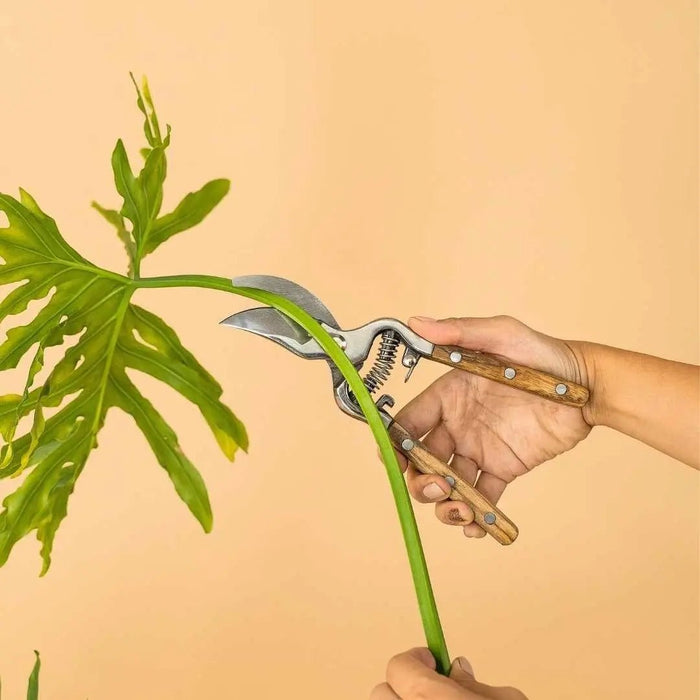
- Cut a stem section with 2-3 nodes (the bumps where leaves attach)
- Remove the lowest leaf/leaves
- Place in water, sphagnum moss, or moist perlite
- Roots develop in 3-6 weeks
- Transfer to a chunky, well-draining potting mix
Tip: Include at least 2 nodes in each cutting. Hoya can root from a single node, but multi-node cuttings establish faster.
Hoya kerrii single leaf: A single heart-shaped leaf with no node will root but typically never produces a vine. For actual plant growth, you need a cutting with a node and stem section.
Common Problems
No Blooming
Cause: Insufficient light (most common), plant too young, or pot too large.
Fix: Move to the brightest available spot. Be patient. Do not repot into a larger pot.
Yellow Leaves
Cause: Overwatering or root rot.
Fix: Let soil dry more between waterings. Check roots — trim any mushy, brown roots and repot in fresh, chunky mix.
Wrinkled Leaves
Cause: Underwatering.
Fix: Water thoroughly. Leaves plump back within 24-48 hours.
Leaf Drop
Cause: Sudden environmental change (moved to a new location, temperature shock, overwatering).
Fix: Stabilise conditions. Avoid moving blooming Hoya.
Mealybugs
Hoya is unfortunately attractive to mealybugs — white, cottony pests that hide in leaf joints and along stems:
- Inspect regularly, especially in leaf axils and along new growth
- Treat with rubbing alcohol on a cotton swab (spot treatment)
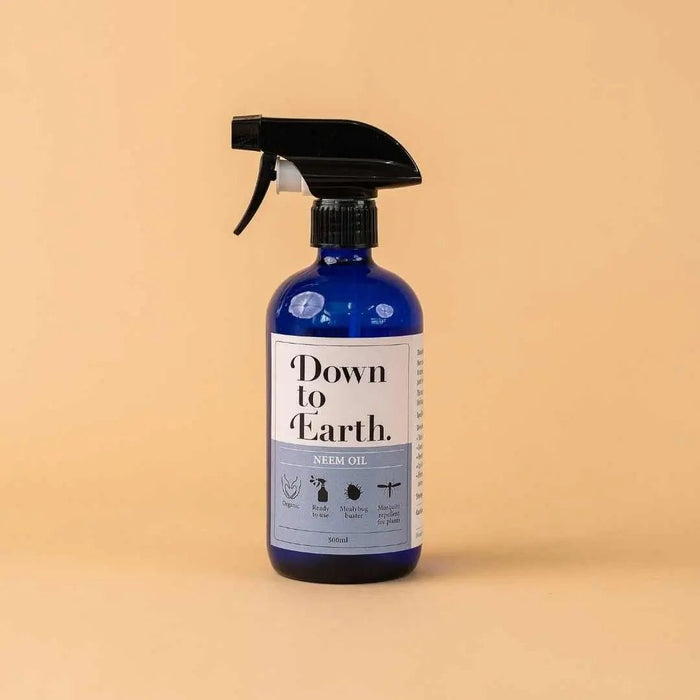
- Neem oil spray for larger infestations
- Persistent infestations may need systemic treatment
Styling
Hoya's trailing or climbing habit offers versatile display options:
- Trailing from a high shelf — Long Hoya vines cascading down a bookshelf or wall unit
- Climbing a trellis — Hoya trained on a small trellis or hoop creates a living sculpture
- Hanging basket — The classic display method for trailing varieties
- Wall-mounted planter — Hoya carnosa or pubicalyx trained along a wall
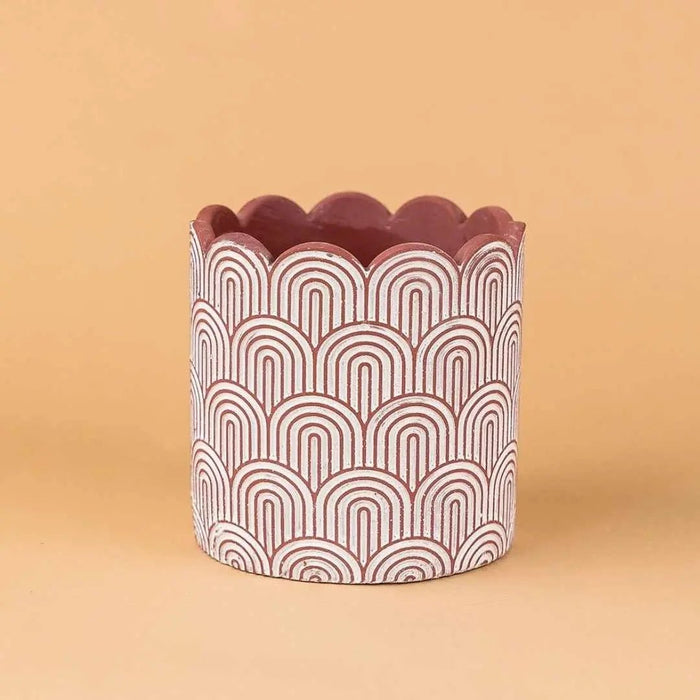
Pot choice: Small pots (slightly root-bound). Terracotta is ideal — it breathes, dries faster, and prevents overwatering. The natural terracotta colour complements Hoya's waxy green foliage.
Is Hoya Toxic?
The ASPCA does not list Hoya as toxic to cats or dogs. It is generally considered non-toxic, though ingestion of any plant material can cause mild stomach upset. The waxy leaves are typically unappealing to pets.
Shop Hoya
Browse our indoor plant collection for Hoya and other trailing plants delivered across Singapore.
Hoya is the plant collector's plant. The genus is so vast, so varied, that collecting Hoya becomes its own hobby — each new variety offers different leaves, different growth habits, and the perpetual promise of flowers you have not yet seen. In Singapore, where the climate does half the work, Hoya grows willingly on a windowsill or a bright shelf. Give it light, let it dry between waterings, and leave the spent flower stalks intact. One day — maybe in months, maybe in a year — you will notice a small cluster of buds forming on a peduncle, and you will understand why Hoya growers are so patient. The wait is the point. The bloom is the payoff.
Quick summary
Key Takeaways
- Popular Varieties in Singapore
- Light
- Watering
- Soil
- Humidity
- Temperature
Ready to bring some green into your home?
Browse 250+ hand-picked plants, curated for Singapore homes — delivered to your door.
Browse All Plants →