

















Pet-Safe Houseplants: The Complete Guide for Cat and Dog Owners (2026)
Posted on April 06 2026
If you share your home with a pet, every plant purchase needs one extra consideration: is it safe? Many beloved houseplants — including pothos, snake plants, and peace lilies — are toxic to cats and dogs.
At Tumbleweed Plants, we take pet safety seriously. This guide covers the best non-toxic plants available in our store, what to avoid, and how to shop safely for a pet-friendly home.
Already have pets and plants and want more detail on toxic species? Read our dedicated post: What New Pet Parents Need to Know About Toxic Plants
Quick Reference: Pet Safety Status
| Plant | Cats | Dogs | Toxicity Level | Notes |
|---|---|---|---|---|
| Air Plants | Safe ✓ | Safe ✓ | Non-toxic | No soil = no mess |
| Orchids | Safe ✓ | Safe ✓ | Non-toxic | Keep on high shelf |
| Spider Plant | Safe ✓ | Safe ✓ | Non-toxic | Cats may chew leaves |
| Boston Fern | Safe ✓ | Safe ✓ | Non-toxic | Great for humidity |
| Calathea | Safe ✓ | Safe ✓ | Non-toxic | Beautiful patterns |
| Pothos/Money Plant | ✗ | ✗ | Mildly toxic | Mouth irritation |
| Snake Plant | ✗ | ✗ | Mildly toxic | Nausea if ingested |
| Peace Lily | ✗ | ✗ | Moderately toxic | Seek vet if eaten |
| Dieffenbachia | ✗ | ✗ | Moderately toxic | Oral swelling |
Green rows = safe for homes with pets. Orange/red rows = avoid or place out of reach.
How to Check Any Plant for Pet Toxicity
Before buying any plant not on this list, verify it at the ASPCA Animal Poison Control Center database at aspca.org — it's free and comprehensive. When in doubt, ask our team at Tumbleweed Plants before purchasing.
Pet-Safe Plants We Stock at Tumbleweed Plants
1. Air Plants (Tillandsia)
Safe for cats and dogs
Air plants are completely non-toxic and require no soil — they absorb moisture and nutrients from the air. Because they're typically displayed on driftwood, shells, or wire frames (not in pots on the floor), they're also naturally out of reach of most pets.
Care: Soak in water for 20-30 minutes weekly. Shake off excess water and allow to dry completely before returning to display. Bright indirect light.

👉 Shop Air Plants at Tumbleweed Plants
2. Orchids (Dendrobium, Oncidium)
Safe for cats and dogs
Orchids are non-toxic to pets — a fact that surprises many plant owners. Dendrobium and Oncidium orchids are both safe and beautiful, producing long-lasting blooms in a range of colours. Keep them on a high shelf if your cat tends to chew on leaves.
Care: Bright indirect light. Water by soaking the pot for 15 minutes weekly, then drain completely. Never let roots sit in water.

👉 Shop Orchids at Tumbleweed Plants
3. Staghorn Fern (Platycerium)
Safe for cats and dogs
Staghorn ferns are non-toxic and spectacular — they're typically mounted on wood boards and hung on walls, which naturally keeps them away from pets. Their unusual, antler-shaped fronds make them a genuine conversation piece.
Care: Mount on a wooden board. Water by soaking the whole board in water for 20 minutes weekly (or misting heavily). Bright indirect light.
👉 Shop Staghorn Fern at Tumbleweed Plants
4. Anthurium (Crystal Anthurium)
Note: Mildly toxic if ingested in large quantities — typically causes mild oral irritation only
Anthuriums sit in a middle ground — while technically listed as mildly toxic (due to calcium oxalate crystals), the risk to pets is low unless large amounts are eaten. The waxy red or pink spathes are stunning and long-lasting. Best placed on a high shelf in pet households.
👉 Shop Crystal Anthurium at Tumbleweed Plants
5. Hoya Obovata
Safe for cats and dogs
Hoyas are non-toxic to pets and their thick, waxy leaves are less appealing to chew than soft-leaved plants. The Hoya Obovata's trailing vines are beautiful in a hanging planter — keeping it elevated also means pets are less likely to interact with it.
👉 Shop Hoya Obovata at Tumbleweed Plants
Plants at Tumbleweed That Are TOXIC to Pets — Keep Elevated or Avoid
| Plant | Risk to Cats | Risk to Dogs | Notes |
|---|---|---|---|
| Epipremnum (Money Plant / Pothos) | Yes | Yes | Oral irritation, vomiting |
| Snake Plant (Sansevieria) | Yes | Yes | Nausea, vomiting |
| ZZ Plant | Yes | Yes | Vomiting, diarrhea |
| Peace Lily | Yes | Yes | Vomiting, difficulty swallowing |
| Philodendron | Yes | Yes | Oral irritation, vomiting |
| Monstera | Yes | Yes | Oral irritation, vomiting |
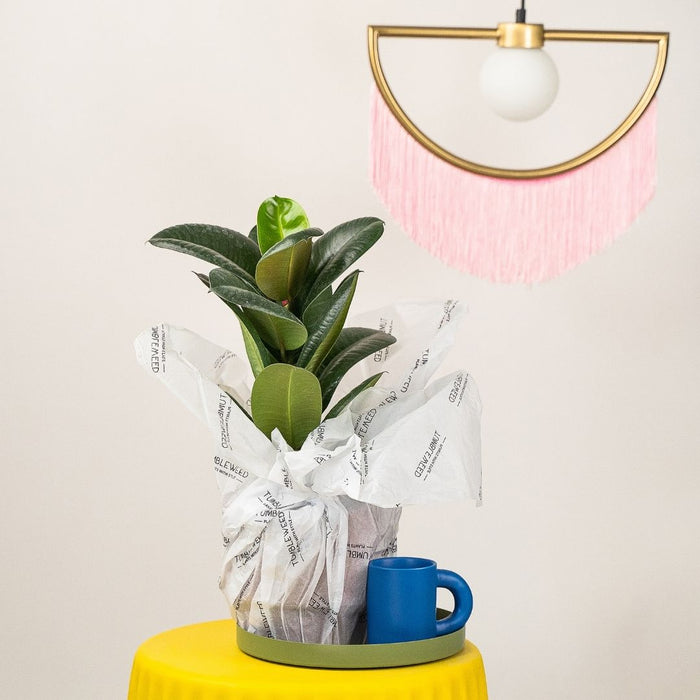
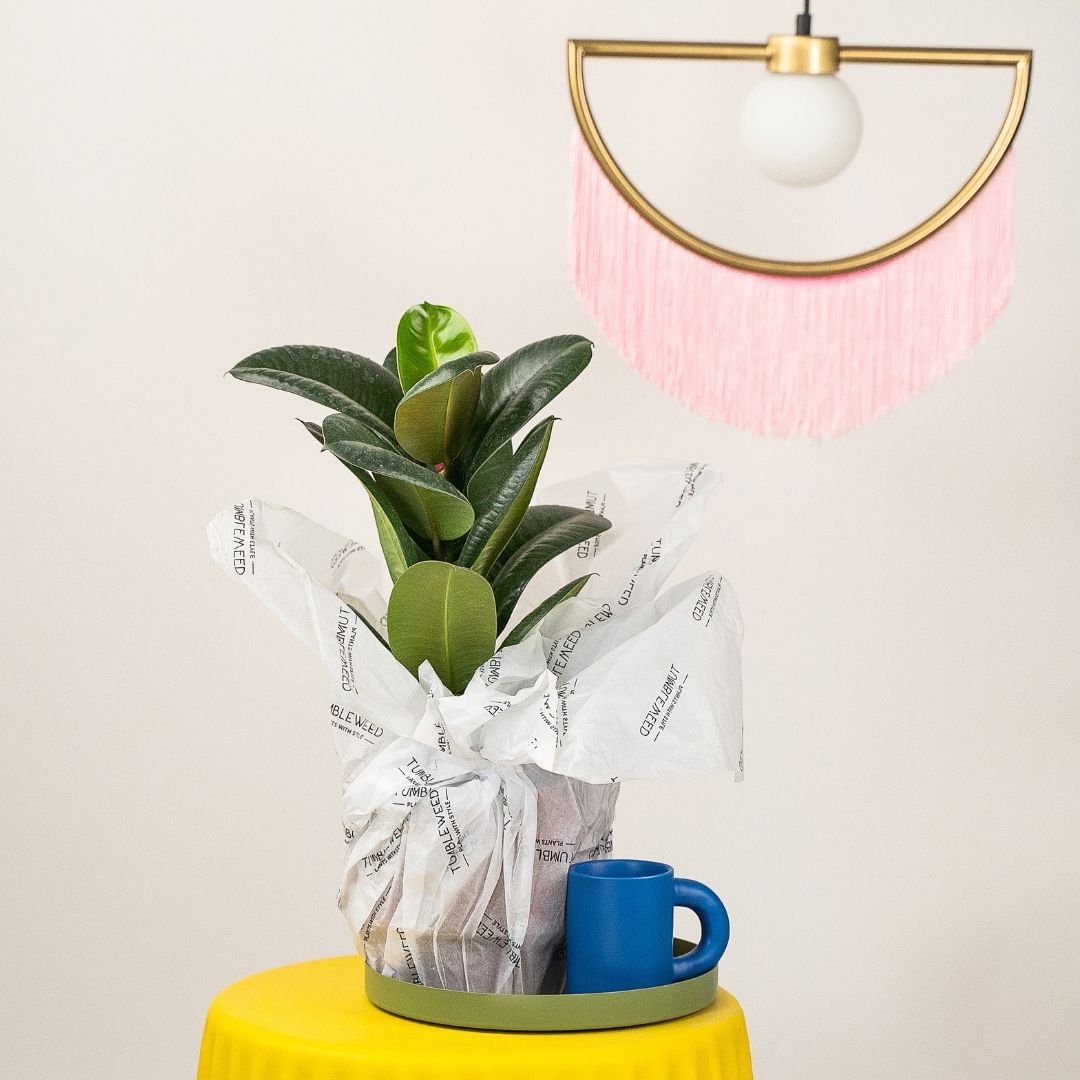
| Rubber Plant | Yes | Yes | Mild GI upset |
These are all beautiful plants that can still be kept in a pet home — just place them in hanging planters, on high shelves, or in rooms your pets don't access.
See our dedicated guide: What New Pet Parents Need to Know About Toxic Plants
Tips for a Pet-Safe Plant Home
- Elevate rather than eliminate — most toxic plants are only dangerous if eaten in quantity. A hanging planter or high shelf puts them safely out of reach.
- Check before you buy — ask us at Tumbleweed Plants or check the ASPCA database.
- Watch for chewing behaviour — cats especially may nibble for fibre. Redirect with cat grass (safe and satisfying).
- Know the emergency number — if you suspect your pet has ingested a toxic plant: SPCA Singapore (1800-738-5668) or your nearest 24-hour vet.
Shop Pet-Safe Plants at Tumbleweed Plants
👉 Browse our full plant collection
👉 Shop Gifting Plants — many pet-safe options
Not sure if a plant is safe for your pet? Contact us before you buy — we are happy to help.
- Animal Recovery Centre (ARC): +65 6552 2222 (24hr emergency)
- Mount Pleasant Vet Centre: +65 6250 8333 (24hr emergency)
- ASPCA Poison Control: aspca.org/animal-poison-control (reference database)
Bring a photo or sample of the plant your pet ate to help the vet identify it quickly.