

















Spider Plant Care Guide Singapore: The Ultimate Easy-Care Houseplant
Posted on April 09 2026
In this article

# Spider Plant Care Guide Singapore: The Ultimate Easy-Care Houseplant | Tumbleweed Plants Singapore
The spider plant (Chlorophytum comosum) is one of those houseplants that manages to be both beautiful and practically impossible to kill. Its arching, grass-like leaves — often striped in green and white — create a graceful, fountain-like display that looks wonderful in hanging baskets, on shelves, or as a tabletop centrepiece. Add in its air-purifying abilities and prolific baby-producing habit, and you have one of the most universally beloved houseplants in the world.
In Singapore, spider plants thrive with minimal care, making them perfect for beginners, busy professionals, and anyone who wants lush greenery without the fuss.
Why Spider Plants Excel in Singapore
Spider plants are native to tropical and subtropical Africa, so Singapore's climate suits them well:
- Humidity: They love our 70-90% ambient humidity
- Temperature: The 24-32°C range is comfortable for them
- Adaptable light tolerance: They handle everything from bright indirect to moderate low light
- Forgiving nature: They bounce back from neglect better than almost any houseplant
Varieties

Vittatum (Classic Spider Plant)
Green leaves with a central white or cream stripe. The most common variety — elegant and reliable.
Variegatum (Reverse Variegation)
White or cream leaf edges with a green centre. Slightly more decorative than the classic.
Bonnie (Curly Spider Plant)
A compact variety with curly, twisted leaves. Perfect for smaller spaces and adds textural interest.
Solid Green
An entirely green variety that is the most shade-tolerant. Grows vigorously and is the hardiest of all spider plant types.
Light Requirements
Spider plants are impressively flexible with light:
Best: Bright indirect light. This produces the fastest growth, most vibrant variegation, and the most prolific baby production.
Good: Medium indirect light. HDB living rooms and bedrooms with some natural light.
Acceptable: Low light. Growth slows and variegation may fade, but the plant survives.
Avoid: Direct midday or afternoon sun. While they can handle some morning sun, Singapore's intense afternoon rays will scorch the leaf tips.
Variegation note: Like most variegated plants, the striped varieties need more light than the solid green variety to maintain their colour contrast.
Watering
Spider plants store moisture in their thick, tuberous roots, making them fairly drought-tolerant.
Schedule
- Air-conditioned rooms: Water every 7-10 days
- Non air-conditioned rooms: Water every 5-7 days
- Check first: Water when the top 2-3cm of soil feels dry
Technique
Water thoroughly until it drains from the bottom. Let excess drain completely. Spider plants are more tolerant of underwatering than overwatering.
Brown Leaf Tips
The most common spider plant complaint. In Singapore, brown tips are usually caused by:
- Fluoride and chlorine in tap water: Singapore's water treatment adds chemicals that spider plants are sensitive to. Solution: let tap water sit in an open container overnight before using, or use filtered water.
- Inconsistent watering: Alternating between very dry and very wet soil stresses the leaf tips.
- Over-fertilising: Excess mineral salts cause tip burn.
- Low humidity: Only an issue in heavily air-conditioned spaces.
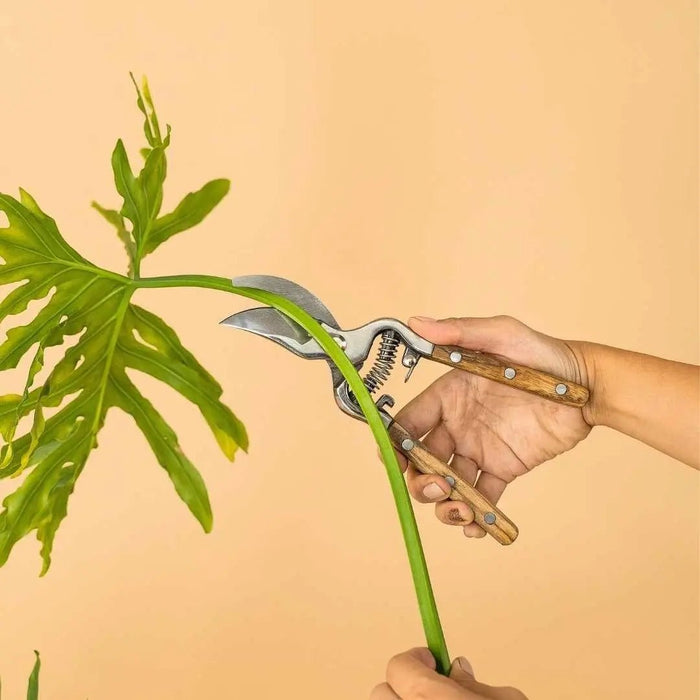
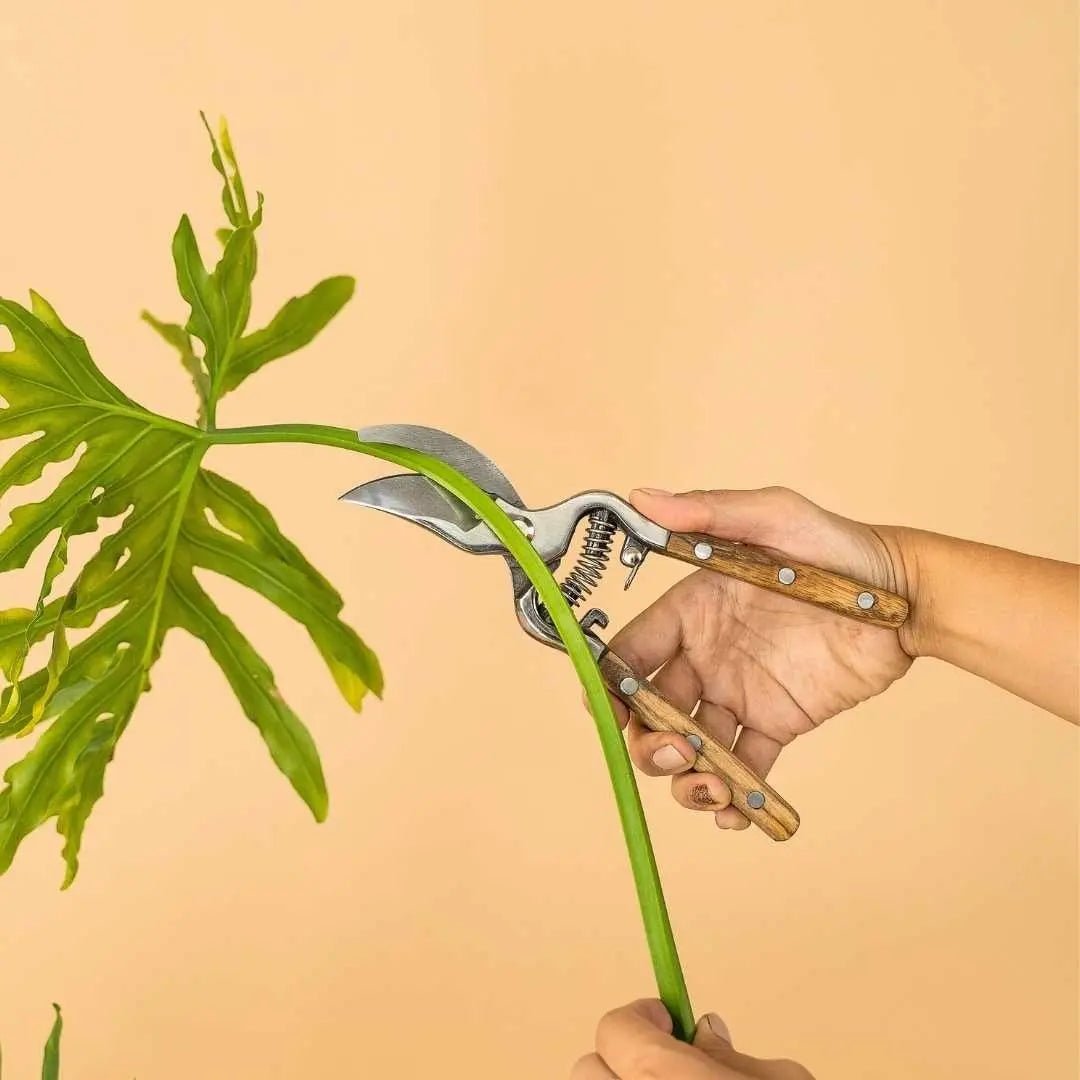
You can trim brown tips with clean scissors. Cut at an angle to maintain a natural-looking leaf shape.
Soil and Potting
Spider plants are unfussy about soil:
- Standard quality potting mix with added perlite for drainage
- Ensure pots have drainage holes
- Spider plants like being slightly rootbound — this actually encourages baby production
- Repot when roots start growing from drainage holes or the pot cracks from root pressure
Pot Choice
Hanging baskets are the classic choice — the arching leaves and dangling babies create a stunning cascading effect. Otherwise, any pot with drainage works fine. Spider plants in hanging positions also stay out of reach of cats (who love to chew the leaves — fortunately, spider plants are non-toxic).
Fertilising
Light feeding keeps spider plants healthy:
- Frequency: Once a month during growing season
- Strength: Half-strength balanced liquid fertiliser
- Caution: Over-fertilising causes brown tips more often than under-fertilising
- Flush occasionally: Water thoroughly to flush excess mineral salts from the soil every few months
Propagation: The Spider Plant's Party Trick
Spider plants are one of the easiest plants to propagate because they do most of the work themselves.
How Babies (Spiderettes) Form
Mature spider plants produce long stems (stolons) with miniature plants at the ends. These babies develop their own small root buds while still attached to the mother plant.
Method 1: Root in Water
- Cut a baby from the stolon once it has small root nubs visible
- Place in a glass of water with roots submerged
- Change water every few days
- Once roots are 3-5cm long (1-2 weeks in Singapore), pot in soil
Method 2: Pin to Soil
- While the baby is still attached to the mother plant, set a small pot of soil next to it
- Pin the baby onto the soil surface with a small wire or clip
- Keep the soil moist
- Once the baby has rooted (2-3 weeks), cut the stolon connecting it to the mother
Method 3: Direct Pot
- Cut a baby with visible root nubs
- Plant directly in moist potting mix
- Keep soil consistently moist until established
- New growth within 2-4 weeks indicates successful rooting
Encouraging Baby Production
If your spider plant is not producing babies:
- Ensure it is slightly rootbound (too-large pots discourage reproduction)
- Provide adequate light (babies are triggered by mature growth, which requires good light)
- Be patient — younger plants may take a year or more before producing stolons
- Short day length can trigger baby production — move to a spot that gets dark evenings
Common Problems
Brown Tips
See the watering section above. The most common issue and usually cosmetic, not a sign of serious problems.
Pale or Fading Leaves
Needs more light. Move to a brighter location. Variegated types lose their stripes in too little light.
Floppy, Limp Leaves
Usually dehydration — the plant is telling you it needs water. A thorough watering and it will recover within hours.
Root Rot
From persistent overwatering in poorly draining soil. Ensure proper drainage and let the soil dry between waterings.
Pests
Spider plants are relatively pest-resistant, but watch for:
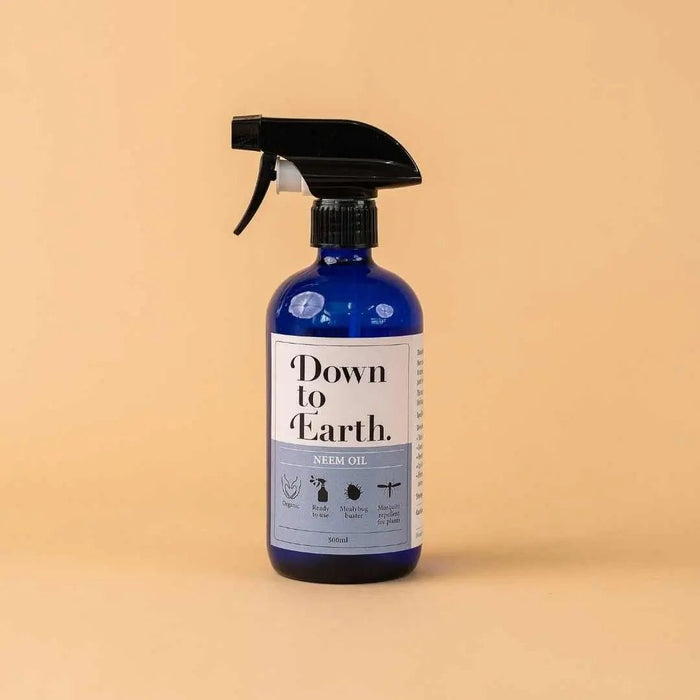
- Scale: Brown bumps on leaves. Remove manually or treat with neem oil.
- Mealybugs: White cottony clusters at leaf bases. Treat with rubbing alcohol.
- Aphids: Occasionally on new growth. Spray off with water.
Pet Safety
Spider plants are non-toxic to cats and dogs, making them one of the safest houseplant choices for pet owners. However, cats often find the dangling leaves irresistible — hanging the plant out of reach protects both the plant and saves you from cleaning up chewed leaves.
Styling Spider Plants
- Hanging baskets: The classic display — arching leaves and dangling babies create a living chandelier
- High shelves: Let leaves cascade over the edge
- Macrame hangers: A retro-modern look that suits spider plants perfectly
- Grouped on a plant stand: Multiple sizes create a lush, full display
- Bathroom: The humidity keeps leaves lush and tip-burn-free
- Office desk: Compact varieties like Bonnie work well on desks
Browse easy-care houseplants at Tumbleweed Plants with delivery across Singapore.
Quick summary
Key Takeaways
- Why Spider Plants Excel in Singapore
- Varieties
- Light Requirements
- Watering
- Soil and Potting
- Fertilising
Ready to bring some green into your home?
Browse 250+ hand-picked plants, curated for Singapore homes — delivered to your door.
Browse All Plants →