

















ZZ Plant Care Guide: The Ultimate Low-Maintenance Houseplant for Singapore
Posted on April 08 2026
In this article
# ZZ Plant Care Guide: The Ultimate Low-Maintenance Houseplant for Singapore | Tumbleweed Plants Singapore

There is a plant that thrives in offices with no windows, survives weeks without water, shrugs off Singapore's air conditioning, and still manages to look glossy and polished at the end of it all. Meet the ZZ plant, or Zamioculcas zamiifolia, a near-indestructible houseplant that has earned a devoted following among busy Singaporeans, frequent travellers, and anyone who wants beautiful greenery without the guilt of occasionally forgetting to water. If you have been searching for a truly low-maintenance plant that can handle the realities of modern life in Singapore, the ZZ plant deserves a spot at the top of your list.
What Makes the ZZ Plant So Tough?
The ZZ plant's resilience comes from its biology. Native to the dry grasslands and forests of eastern Africa, from Kenya down to South Africa, this plant evolved to survive prolonged droughts and low-light conditions. Its secret weapon is a system of thick, potato-like rhizomes beneath the soil that store water and nutrients. These underground reserves allow the ZZ plant to go weeks, and in some cases months, without watering and still bounce back.
Above ground, the thick, waxy leaves minimise water loss through evaporation. The glossy coating is actually a functional adaptation that reflects excess light and seals in moisture. This combination of underground storage and efficient foliage makes the ZZ plant one of the hardiest houseplants available in Singapore.
Light Requirements

The ZZ Plant's Superpower: Low Light Tolerance
If there is one feature that defines the ZZ plant, it is its extraordinary ability to tolerate low light. This plant will grow in conditions that would kill most other houseplants. Windowless bathrooms, interior hallways, basement offices, and those dim corners of HDB flats that never seem to get any natural light: the ZZ plant can handle them all.
This makes it an ideal choice for:
- Singapore office spaces with only fluorescent ceiling lights and no windows
- HDB bomb shelters converted into study rooms or home offices
- Interior rooms that rely entirely on artificial lighting
- Bedrooms where you want greenery but keep the blinds closed for sleep
Ideal Light Conditions
While the ZZ plant tolerates low light, it grows faster and produces more new shoots in bright, indirect light. In a Singapore home, this means a spot near a north-facing or east-facing window, set back a metre or so from the glass. Dappled light filtered through a sheer curtain is perfect.
Can ZZ Plants Handle Direct Sunlight?
Not well. Direct afternoon sun, especially the intense western sun common in many Singapore flats, will scorch the leaves. Use a sheer curtain or move the plant further from the window. In very low light, the plant will survive but grow extremely slowly. For more active growth, give it the brightest indirect light you can manage.
Watering the ZZ Plant in Singapore
Less Is More
If there is one mantra for ZZ plant care, it is this: when in doubt, do not water. Overwatering is by far the most common way people kill ZZ plants. Those thick rhizomes store a significant amount of water, and the plant draws on these reserves between waterings.
How Often to Water in Singapore
In Singapore's warm, humid climate, a ZZ plant in bright indirect light typically needs watering once every two to three weeks. In lower light or air-conditioned rooms where evaporation is slower, you can stretch this to once every three to four weeks. During the slightly cooler monsoon season (November to January), reduce even further.
The Finger Test
Before watering, push your finger into the soil up to the second knuckle, roughly 5 centimetres deep. If the soil feels dry at that depth, it is time to water. If there is any moisture at all, wait a few more days. With ZZ plants, erring on the side of dryness is always safer than erring on the side of wetness.
Watering Technique
When you do water, water thoroughly. Pour slowly and evenly around the base until water flows from the drainage holes at the bottom. Let the pot drain completely and never leave it sitting in a saucer of standing water. Then wait until the soil dries out again before the next watering.
Signs of Overwatering
- Yellowing leaves, especially starting from the lower stems
- Soft, mushy stems near the soil line
- A sour or unpleasant smell from the soil
- Black, rotting rhizomes (visible if you unpot the plant)
Signs of Underwatering
- Wrinkled, slightly shrivelled stems
- Dry, crispy leaf edges
- Drooping stalks that do not perk up after watering (severe dehydration)
Underwatering is much easier to recover from than overwatering. A dehydrated ZZ plant usually bounces back within a week of a good soak, while rotted rhizomes from overwatering often mean losing the plant.
Humidity and Temperature

Humidity
The ZZ plant is unfussy about humidity. It thrives in Singapore's typical 70 to 90 percent ambient humidity and is equally happy in air-conditioned rooms at 40 to 50 percent. No misting or humidifier needed.
Temperature
ZZ plants prefer temperatures between 18 and 30 degrees Celsius, which covers the entire range of Singapore conditions, from air-conditioned offices to warm balconies. Avoid placing the plant directly in front of an aircon vent where cold blasts can stress the foliage, but otherwise, temperature is not a concern here.
The Travel-Friendly Plant
For Singaporeans who travel frequently, the ZZ plant is a dream. It can survive three to four weeks without water and does not mind if the aircon is off while you are away. Just water thoroughly before you leave and place it out of direct sun.
Soil and Repotting
Best Soil Mix
The ZZ plant needs excellent drainage. A suitable mix for Singapore is:
- 50% quality potting soil
- 25% perlite or pumice
- 25% coarse sand or orchid bark
This combination drains quickly while providing enough structure for the rhizomes to anchor.
When to Repot
ZZ plants are slow growers and rarely need repotting more than once every two to three years. Repot when you see rhizomes pushing against the pot walls or emerging from drainage holes. Choose a pot only one size larger, roughly 2 to 3 centimetres wider in diameter. Too large a pot means too much moist soil, which increases the risk of root rot.
Pot Selection
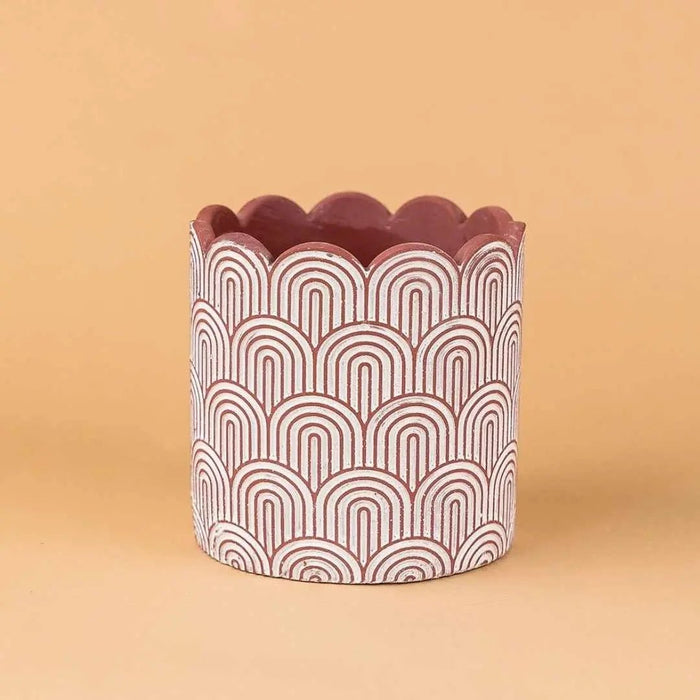
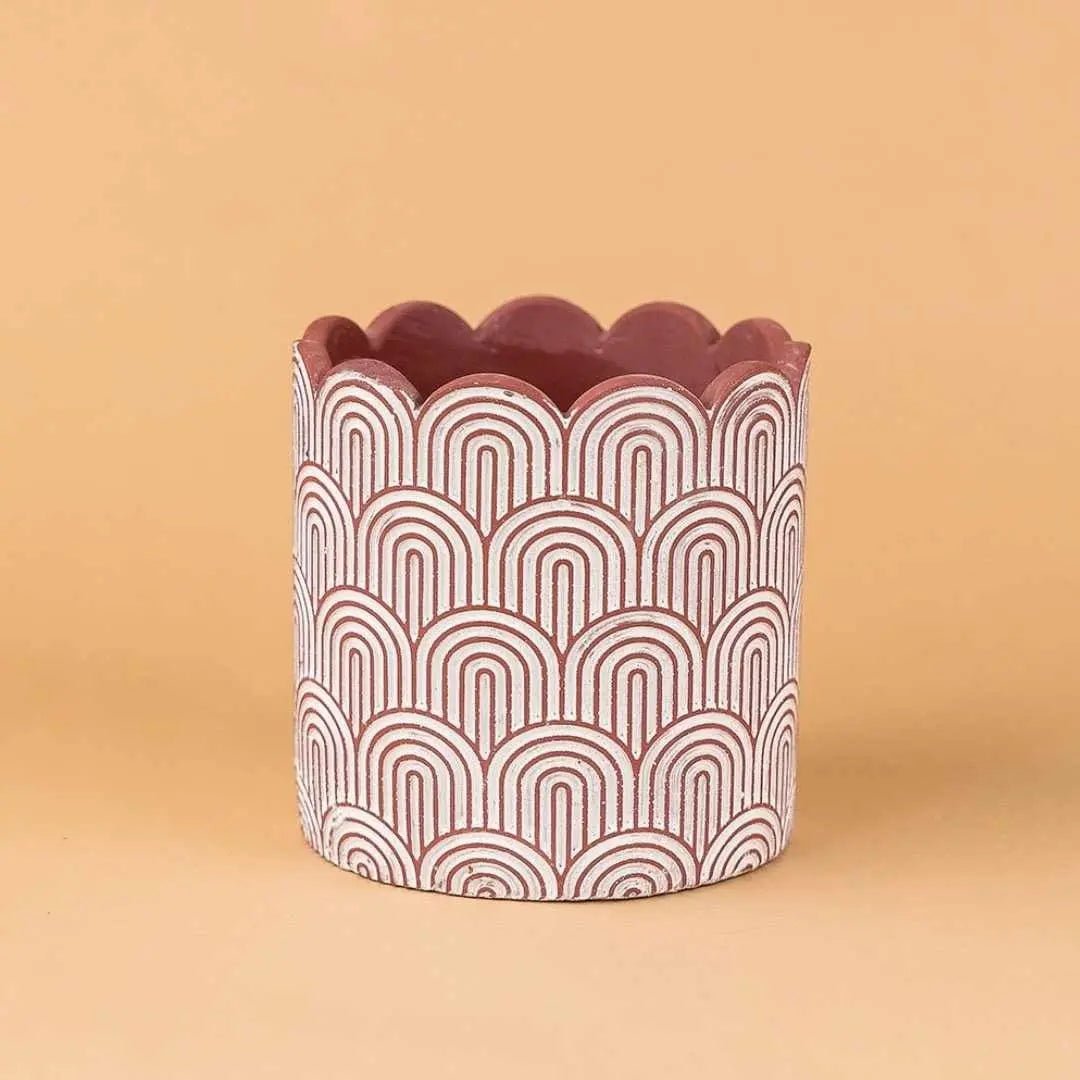
Always use a pot with drainage holes. Terracotta is a good option because its porosity helps soil dry faster, complementing the ZZ plant's preference for dry conditions. Ceramic with drainage is also fine. Avoid decorative pots without holes unless you use them as cachepots with a nursery pot inside.
Propagation

Propagating a ZZ plant is straightforward, but it requires patience. These are some of the slowest-propagating common houseplants, and it can take months to see results.
Stem Cutting Method
- Cut a healthy stem at the base, close to the soil.
- Let the cut end dry and callous over for a few hours.
- Place the stem in a jar of water, submerging the lower third.
- Set in a bright, warm spot and change the water weekly.
- Rhizomes and roots will begin forming in two to four months.
- Once roots are a few centimetres long, pot in well-draining soil.
Leaf Cutting Method
Pluck individual leaves, let the base callous for a few hours, then insert about 1 centimetre into moist potting mix. Place in a warm, bright spot and keep soil barely moist. Tiny rhizomes will form at the base over several months, eventually producing new shoots. This method takes four to nine months but lets you produce multiple plants from a single stem.
Division
The fastest method. During repotting, carefully separate rhizome clumps, ensuring each division has at least two to three stems. Pot each division separately in well-draining soil.
Toxicity Warning
This is important for households with young children and pets. The ZZ plant contains calcium oxalate crystals throughout its tissues, in the leaves, stems, and rhizomes. If ingested, these crystals can cause mouth and throat irritation, swelling, difficulty swallowing, and stomach upset. Skin contact with the sap can sometimes cause irritation in sensitive individuals.
Place ZZ plants out of reach of young children and curious pets. Wash your hands after pruning or repotting. The toxicity risk is generally low and the bitter taste discourages further chewing, but awareness is important, especially in compact Singapore households where plants are often within reach.
ZZ Plant Varieties

Classic ZZ (Green)
The standard Zamioculcas zamiifolia, with glossy, dark-green pinnate leaves on arching stems. This is the most widely available and affordable variety. It grows to about 60 to 90 centimetres indoors and forms a graceful, symmetrical clump.
ZZ Raven (Black ZZ)
A dramatic cultivar with leaves that emerge bright green and gradually darken to a deep, almost black purple. ZZ Raven is a stunning statement plant and pairs beautifully with light-coloured pots and modern interiors. Care is identical to the standard green variety.
ZZ Zenzi (Dwarf ZZ)
A compact variety with shorter, more tightly clustered stems and smaller, rounder leaves. Zenzi is perfect for desks, shelves, and small spaces in Singapore HDB flats where a full-sized ZZ might be too large.
Styling Your ZZ Plant in Singapore
Minimalist Interiors
The ZZ plant's clean, architectural form fits perfectly in minimalist and Scandinavian-inspired spaces that are popular in Singapore condos. A single ZZ plant in a white or grey ceramic pot on a sideboard or console table creates a sophisticated focal point.
Office Spaces
Place a ZZ plant on your desk or a nearby shelf. It handles fluorescent lighting, air conditioning, and missed waterings without complaint, making it an almost zero-maintenance way to improve any workspace.
Grouped Displays
Pair the ZZ plant with other low-maintenance varieties for a cohesive indoor garden. Snake plants, pothos, and Aglaonema are excellent companions with similar care needs. Browse our low-maintenance plant collection for varieties that complement the ZZ plant's easygoing nature.
Common Problems and Solutions
Yellowing Leaves
Almost always caused by overwatering. Check the soil, reduce watering frequency, and ensure the pot has proper drainage. Remove yellow leaves by cutting the entire stem at the base; individual yellowed leaves will not recover.
Leggy, Stretched Growth
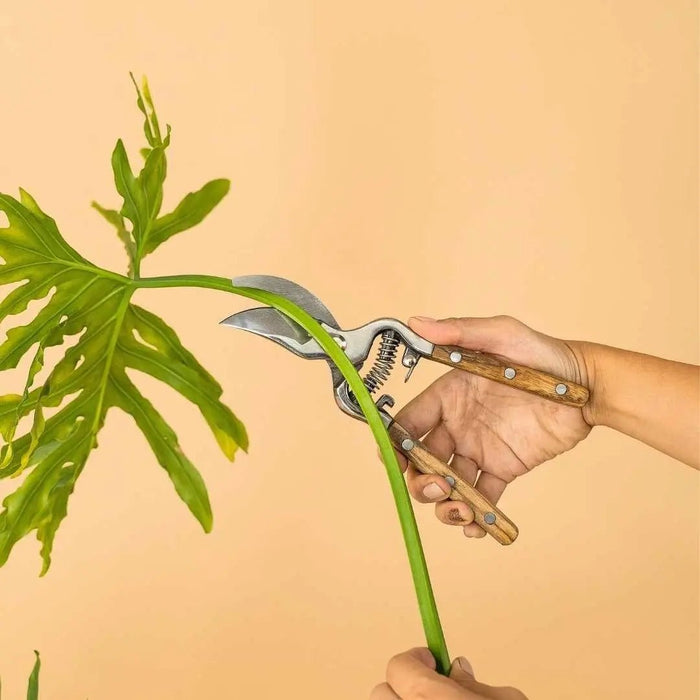
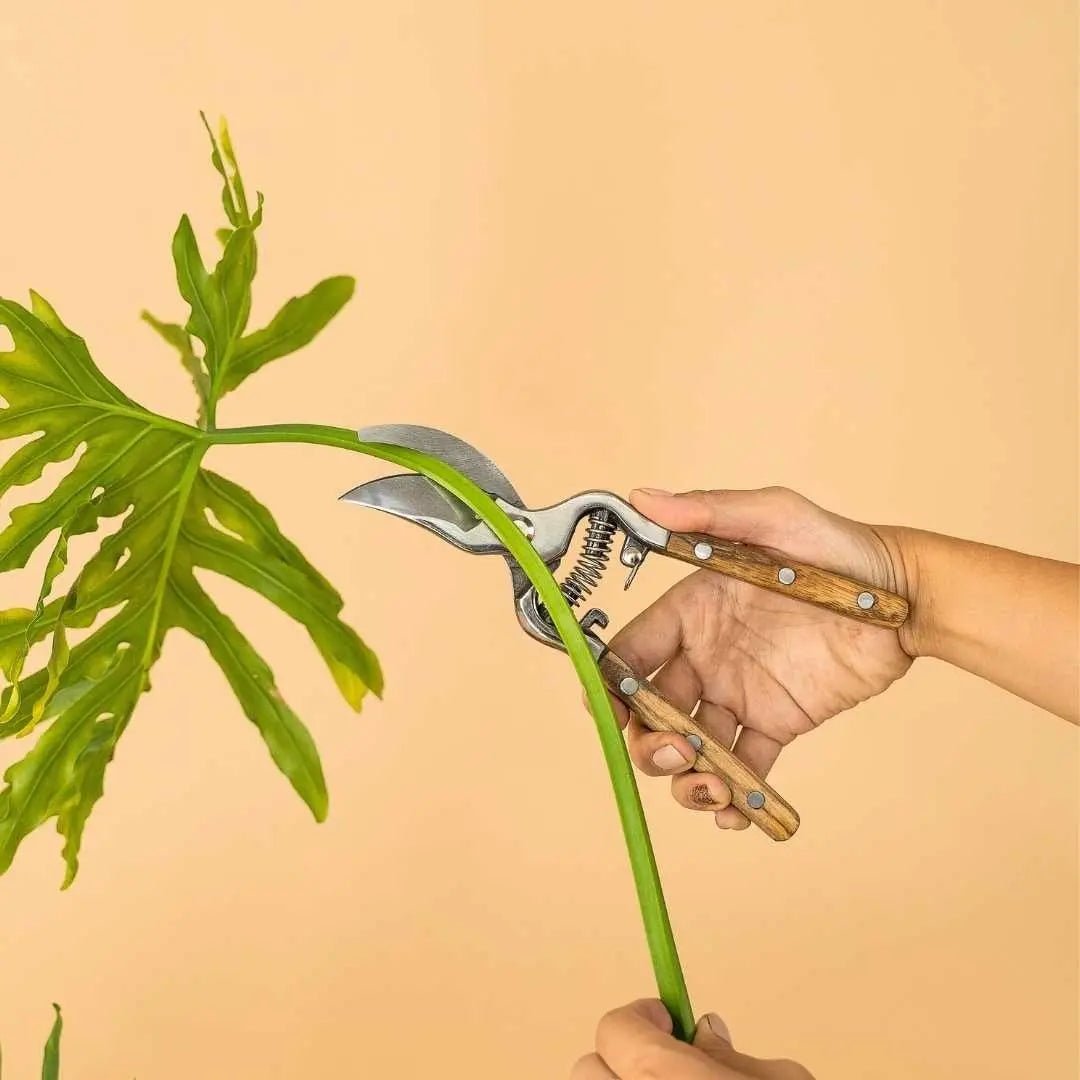
This happens in very low light. The plant sends out long, thin stems reaching for more brightness. Move to a brighter location. You can also prune leggy stems to encourage a fuller shape.
Leaf Drop
Occasional leaf drop on older stems is normal. If multiple stems drop leaves simultaneously, check for overwatering, cold drafts, or a recent change in location.
Pests
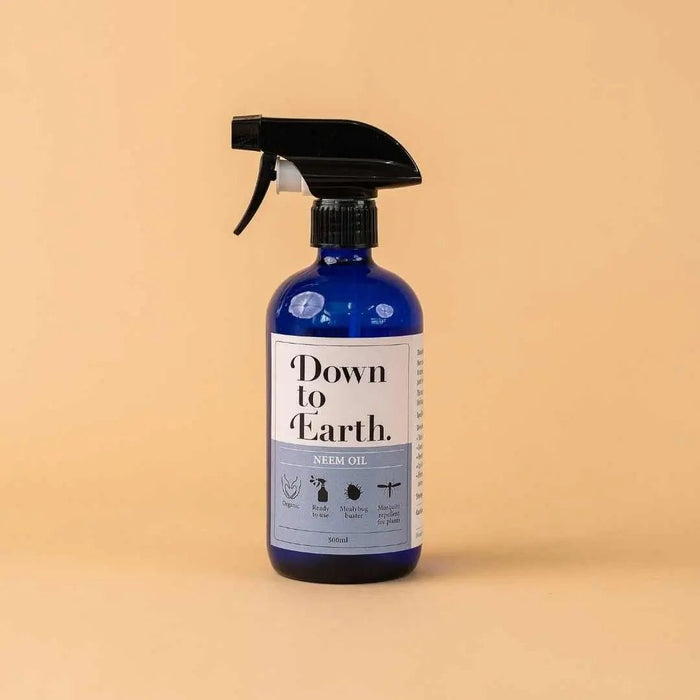
ZZ plants are relatively pest-resistant, but mealybugs and scale insects can occasionally appear. Treat with neem oil or rubbing alcohol applied with a cotton swab.
Quick Care Summary
| Factor | Recommendation |
|---|---|
| Light | Low to bright indirect; no direct sun |
| Water | Every 2-4 weeks; let soil dry completely |
| Humidity | Not fussy; handles 40-90% |
| Temperature | 18-30 degrees Celsius |
| Soil | Very well-draining; perlite and bark mix |
| Fertiliser | Once every 2-3 months with balanced liquid feed |
| Repotting | Every 2-3 years |
| Toxicity | Contains calcium oxalate; keep away from pets and children |
Final Thoughts
The ZZ plant is the ultimate set-and-forget houseplant for Singapore. It tolerates low light, infrequent watering, air conditioning, and neglect with a grace that few other plants can match. Whether you are a busy professional who barely has time to look at your plants, a frequent traveller who needs something that can survive your absence, or simply someone who appreciates sleek, low-effort greenery, the ZZ plant delivers.
Pair it with other easy-care plants from our low-maintenance collection to build an indoor garden that looks intentional and lush without demanding hours of your time. In a city as fast-paced as Singapore, that is exactly the kind of plant partnership most of us need.
Quick summary
Key Takeaways
- What Makes the ZZ Plant So Tough?
- Light Requirements
- Watering the ZZ Plant in Singapore
- Humidity and Temperature
- Soil and Repotting
- Propagation
Ready to bring some green into your home?
Browse 250+ hand-picked plants, curated for Singapore homes — delivered to your door.
Browse All Plants →