















Best Plants for Low-Light Apartments (That Will Actually Thrive)
Posted on April 16 2026
In this article
- What "Low Light" Actually Means
- 1. ZZ Plant (Zamioculcas zamiifolia)
- 2. Snake Plant (Sansevieria / Dracaena trifasciata)
- 3. Pothos (Epipremnum aureum)
- 4. Peace Lily (Spathiphyllum)
- 5. Cast Iron Plant (Aspidistra elatior)
- 6. Chinese Evergreen (Aglaonema)
- 7. Heartleaf Philodendron
- 8. Dracaena (multiple varieties)
- What to Skip in Low Light
- How to Maximize Low Light
- Ready to Green Up Your Apartment?
Low light is the most common challenge for apartment dwellers. North-facing windows, buildings that block sun, narrow rooms — the reality is that most apartments do not get the bright, direct light that plant labels optimistically describe as "ideal."

Here is the important clarification: "low light" does not mean no light. No plant can survive in true darkness. But there are genuinely excellent plants that thrive in the kind of dim, indirect light that apartments with poor exposure actually get.
This list covers the best of them — tested and proven.
What "Low Light" Actually Means
Before the list, a quick calibration:
- Low light = bright enough to read comfortably without turning on a lamp. Usually 5-10 feet from a window, or next to a north-facing window.
- Very low light = you need a lamp to read. Very few plants survive here; most just slowly decline.
- No light = no plant works. If it looks like a storage closet, it is not a plant location.
If you can see clearly in your apartment during the day without turning on lights, you have workable low-light conditions for the plants below.
1. ZZ Plant (Zamioculcas zamiifolia)

Why it tops this list: The ZZ plant stores water in thick, potato-like rhizomes underground, making it extraordinarily drought tolerant. Its waxy dark-green leaves reflect available light efficiently. It grows slowly but steadily in low light with almost no fuss.
- Watering: every 2-4 weeks
- Light: low to medium indirect light
- Bonus: very pest-resistant; essentially indestructible
- Caution: toxic to pets
2. Snake Plant (Sansevieria / Dracaena trifasciata)
Why it works: Snake plants are architectural, air-purifying, and tolerant of almost any indoor condition. Their upright form works well in narrow apartment spaces. They adapt to low light (growing more slowly) and can go weeks between waterings.
- Watering: every 2-6 weeks depending on season
- Light: low to bright indirect; even tolerates fluorescent office light
- Available in many varieties: compact, variegated, cylindrical
3. Pothos (Epipremnum aureum)

Why it works: Pothos is the most adaptable trailing plant available. Golden Pothos, Marble Queen, and Neon varieties all perform well in low light — though they grow faster with more light. Perfect for shelves, hanging baskets, and plant stands where you want trailing greenery.
- Watering: every 1-2 weeks; droops when thirsty (reliable indicator)
- Light: adapts from low to bright indirect
- Pro tip: the more light, the more variegation. In low light, expect mostly green leaves.
4. Peace Lily (Spathiphyllum)
Why it is special: The peace lily is one of the very few flowering houseplants that thrives in low light. It produces elegant white blooms and dramatically droops when it needs water — making it a plant that communicates. Perfect for bathrooms with a small window.
- Watering: when the top inch of soil is dry, or when you see first drooping
- Light: low to medium indirect — one of the best low-light bloomers available
- Bonus: top-ranked air purifier
5. Cast Iron Plant (Aspidistra elatior)

Why it is perfect for dark apartments: True to its name, the cast iron plant handles conditions that would kill most other plants — deep shade, temperature swings, irregular watering, and low humidity. It grows very slowly, but once established it is essentially permanent.
- Watering: every 2-3 weeks
- Light: very low to low indirect — one of the lowest-light tolerant plants available
- Best for: genuinely dim rooms where other plants have failed
6. Chinese Evergreen (Aglaonema)
Why it stands out: Chinese evergreens are spectacular-looking plants — deep greens, silver patterns, sometimes touches of red or pink — and they genuinely tolerate low-light conditions. Darker-colored varieties handle lower light best; red/pink varieties need a bit more brightness.
- Watering: every 1-2 weeks; let top inch dry
- Light: low to medium indirect (stick to dark green or silver varieties for lowest light)
- Bonus: comes in stunning variety — you will want multiple
7. Heartleaf Philodendron
Why apartments love it: The heartleaf philodendron grows fast, trails beautifully, and tolerates a wide range of light conditions including low light. Its heart-shaped leaves and vining habit make it one of the most charming plants for small spaces.
- Watering: every 1-2 weeks
- Light: low to bright indirect
- Perfect for: shelves, hanging planters, climbing on small moss poles
8. Dracaena (multiple varieties)
Why it works in apartments: Dracaenas come in many forms — from the compact Dracaena marginata to the dramatic Dracaena fragrans (Corn Plant) — and most handle low to medium indirect light well. They grow upright, making them ideal for tight floor spaces.
- Watering: every 1-2 weeks; sensitive to fluoride in tap water (use filtered or let tap water sit overnight)
- Light: low to medium indirect
- Caution: toxic to pets
What to Skip in Low Light
Some popular plants simply do not work well in dim apartments. Manage expectations here:
- Monsteras — Will survive but produce small leaves without splits
- Succulents and cacti — Need direct sun; will etiolate (grow leggy and weak) in low light
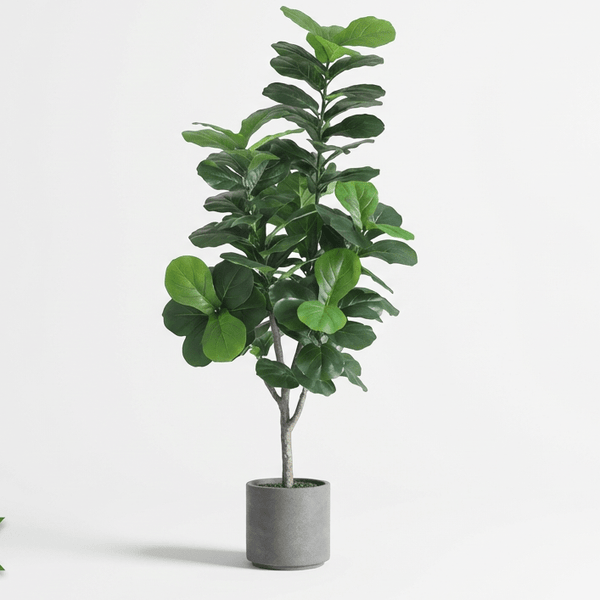
- Fiddle Leaf Figs — Will drop leaves in insufficient light
- Most flowering plants — Require more light than most apartments provide
- Herbs — Need direct sun to produce flavorful growth
How to Maximize Low Light
A few strategies that make a real difference:
- Keep windows clean. Dirty windows can cut light transmission by 20-40%.
- Use light-colored walls and mirrors. They bounce available light further into the room.
- Rotate your plants. Even in low light, rotating plants quarterly ensures even growth.
- Supplement with grow lights. A simple LED grow light for 8-12 hours daily can dramatically expand your plant options. A good one costs under $30.
Ready to Green Up Your Apartment?
All of the plants on this list are available in our store, with options for multiple sizes and budgets. If you are not sure which to choose, the ZZ Plant and Snake Plant are the most forgiving starting points for genuinely dim conditions.
Quick summary
Key Takeaways
- What "Low Light" Actually Means
- 1. ZZ Plant (Zamioculcas zamiifolia)
- 2. Snake Plant (Sansevieria / Dracaena trifasciata)
- 3. Pothos (Epipremnum aureum)
- 4. Peace Lily (Spathiphyllum)
- 5. Cast Iron Plant (Aspidistra elatior)
Ready to bring some green into your home?
Browse 250+ hand-picked plants, curated for Singapore homes — delivered to your door.
Browse All Plants →