




















Common Houseplant Pests in Singapore: How to Identify and Treat Them
Posted on April 09 2026
In this article
# Common Houseplant Pests in Singapore: How to Identify and Treat Them | Tumbleweed Plants Singapore

No matter how carefully you care for your houseplants, pests are an inevitable part of the experience — especially in Singapore's warm, humid climate that insects love just as much as plants do. The good news is that most houseplant pests are manageable once you know what you are dealing with. Early identification and prompt treatment can save a plant that might otherwise decline.
This guide covers the most common houseplant pests in Singapore, how to identify them, and the most effective treatments using safe, accessible methods.
Prevention First
Before diving into specific pests, the best strategy is preventing infestations:
- Inspect new plants: Quarantine any new plant for 1-2 weeks before adding it to your collection. Check undersides of leaves, stems, and soil surface.
- Maintain plant health: Healthy, well-cared-for plants resist pests better than stressed ones. Proper light, watering, and nutrition are your first line of defence.
- Good air circulation: Stagnant air encourages pests and fungal issues. Ensure plants are not packed too tightly together.
- Clean leaves: Wipe large leaves with a damp cloth monthly. Dust buildup attracts pests and blocks light.
- Check regularly: A quick weekly inspection catches problems early.
The Big Five: Singapore's Most Common Houseplant Pests

1. Mealybugs
Identification: White, cottony, oval-shaped insects that cluster in leaf joints, along stems, and on leaf undersides. They leave a sticky residue (honeydew) and white powdery deposits.
Damage: Mealybugs suck sap, weakening the plant. Heavy infestations cause yellowing leaves, stunted growth, and leaf drop. The honeydew they produce can attract sooty mould.
Commonly affected plants: Succulents, orchids, ferns, aglaonema, African violets, and most tropical houseplants.
Treatment:
- Light infestation: Dab each visible mealybug with a cotton swab dipped in rubbing alcohol (70% isopropyl). This kills them on contact.
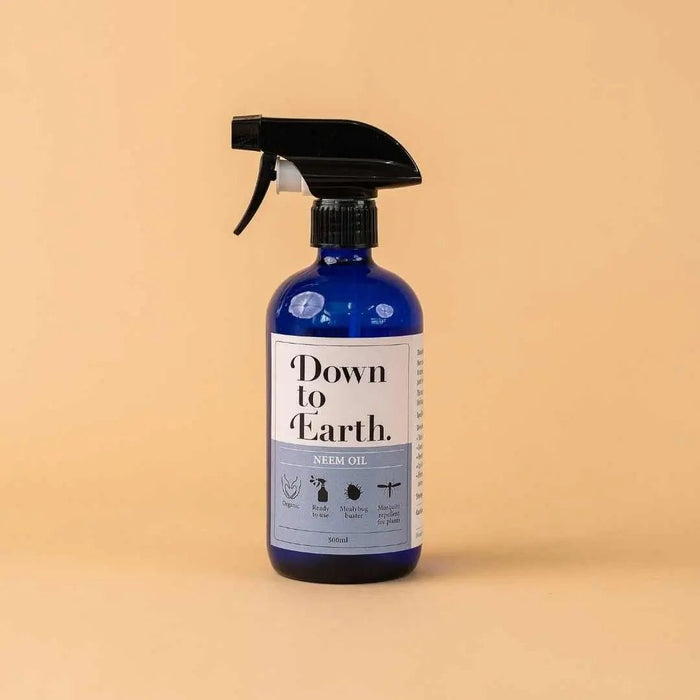
- Moderate infestation: Spray the entire plant with a neem oil solution (5ml neem oil + 1 litre water + a few drops of dish soap as emulsifier). Apply weekly for 3-4 weeks.
- Heavy infestation: Use insecticidal soap spray, covering all surfaces. Repeat every 5-7 days for at least 3 treatments.
- Soil mealybugs: Some species live in the soil around roots. If you see white cottony deposits in the soil, drench with a neem oil solution or repot in completely fresh soil.
2. Spider Mites
Identification: Extremely tiny (nearly invisible to the naked eye) — you will likely notice their damage before you see them. Look for fine webbing on leaf undersides and between stems, stippled or speckled leaf surfaces, and a general dusty appearance.
Damage: Spider mites suck cell contents, creating tiny pale dots on leaves. Severe infestations cause leaves to yellow, dry out, and drop. They spread rapidly in dry conditions.
Commonly affected plants: Calathea, hibiscus, roses, palms, and plants in dry, air-conditioned environments.
Treatment:
- First response: Spray the plant vigorously with water to dislodge mites and destroy webbing. Focus on leaf undersides.
- Neem oil: Spray with neem oil solution every 5-7 days for 3-4 weeks.
- Increase humidity: Spider mites thrive in dry air. Misting, pebble trays, and grouping plants raises humidity and discourages mites.
- Insecticidal soap: Effective as a contact killer. Must reach the mites directly.
- Severe cases: Isolate the plant immediately. Trim heavily infested leaves. Consider discarding if the infestation has spread extensively.
3. Scale Insects
Identification: Small, brown or tan, oval-shaped bumps firmly attached to stems and leaf surfaces. They look like part of the plant rather than an insect. Some have a hard shell (armoured scale) while others are soft and produce honeydew.
Damage: Like mealybugs, scale insects suck sap. They cause yellowing, leaf drop, and weakened growth. Soft scale produces honeydew that attracts ants and sooty mould.
Commonly affected plants: Ficus (rubber plant, fiddle leaf fig), citrus, ferns, palms, and orchids.
Treatment:
- Manual removal: Scrape off individual scale with a fingernail, old toothbrush, or cotton swab dipped in rubbing alcohol.
- Neem oil: Spray thoroughly, especially on stems and leaf undersides. The oil suffocates the insects. Apply weekly for 4-6 weeks.
- Horticultural oil: Effective for armoured scale. Coat all plant surfaces.
- Persistent infestations: Prune heavily infested branches. Scale is stubborn and may require multiple treatment rounds.
4. Fungus Gnats
Identification: Small, dark, mosquito-like flies hovering around the soil surface. They are weak flyers and are often noticed when you water or disturb the pot. The adult gnats are mainly a nuisance; it is the larvae in the soil that cause damage.
Damage: Adults are harmless to plants. Larvae feed on fungi in the soil and organic matter, but in large numbers they can damage fine roots and young seedlings.
Commonly affected: Any plant in overly moist soil, especially in poorly draining pots.
Treatment:
- Reduce watering: Let the top 2-3cm of soil dry between waterings. Fungus gnat larvae need moist soil to survive.
- Yellow sticky traps: Place near affected plants to catch adult gnats and break the breeding cycle.
- Sand or perlite top layer: A 1-2cm layer of sand or coarse perlite on the soil surface prevents adults from laying eggs.
- Hydrogen peroxide drench: Mix 1 part 3% hydrogen peroxide with 4 parts water. Water the plant with this mixture. It kills larvae on contact without harming roots.
- Allow proper drainage: Ensure pots drain well and never sit in standing water.
5. Thrips
Identification: Tiny (1-2mm), slender, elongated insects that can be yellow, brown, or black. They are fast movers. Damage appears as silvery or bronze streaks on leaves, or as tiny black dots (their droppings).
Damage: Thrips scrape the leaf surface and feed on cell contents, causing discolouration, distorted growth, and a silvery-streaked appearance. They can spread plant viruses.
Commonly affected: Monstera, calathea, fiddle leaf fig, orchids, and plants with broad, smooth leaves.
Treatment:
- Blue or yellow sticky traps: Place near plants to catch adult thrips.
- Neem oil spray: Apply every 5-7 days for 3-4 weeks.
- Insecticidal soap: Direct contact kills thrips. Spray thoroughly, especially leaf undersides and new growth.
- Shower the plant: A strong spray of water dislodges thrips.
- Isolate affected plants: Thrips spread quickly between nearby plants.
Other Pests You Might Encounter
Aphids
Small, soft-bodied insects (usually green, but can be black, red, or yellow) clustered on new growth and flower buds. They suck sap and produce honeydew. Treatment: spray off with water, apply neem oil, or use insecticidal soap.
Whiteflies
Tiny white, moth-like insects that fly up in a cloud when you disturb the plant. They feed on leaf undersides. Treatment: yellow sticky traps catch adults; neem oil controls populations over multiple applications.
Root Mealybugs
White, cottony deposits visible in soil or around drainage holes. More insidious than above-ground mealybugs because they are hidden. Treatment: drench soil with neem oil solution or repot in completely fresh soil, washing all roots.
Natural Treatment Recipes

Neem Oil Spray
- 5ml pure neem oil
- 1 litre warm water
- 2-3 drops liquid dish soap (as emulsifier)
- Mix well and spray immediately (neem oil breaks down quickly)
- Apply in the evening to avoid leaf burn from sun + oil
Insecticidal Soap Spray
- 10ml pure liquid castile soap (not detergent)
- 1 litre water
- Spray all plant surfaces
- Rinse with clean water after 2 hours if the plant is in a sunny spot
Rubbing Alcohol Solution
- 70% isopropyl alcohol
- Apply directly to pests with a cotton swab
- For spray: dilute 1 part alcohol to 1 part water
- Test on a small leaf area first — some plants are sensitive
When to Give Up
Sometimes a pest infestation is too severe or persistent to save the plant:
- If treatment has been ongoing for 6+ weeks with no improvement
- If the infestation is spreading to other plants despite isolation
- If the plant has lost most of its foliage and is severely weakened
In these cases, it is better to discard the affected plant and protect the rest of your collection. Sterilise the pot thoroughly before reusing.
Browse healthy, pest-free plants at Tumbleweed Plants with delivery across Singapore.
Quick summary
Key Takeaways
- Prevention First
- The Big Five: Singapore's Most Common Houseplant Pests
- Other Pests You Might Encounter
- Natural Treatment Recipes
- When to Give Up
Ready to bring some green into your home?
Browse 250+ hand-picked plants, curated for Singapore homes — delivered to your door.
Browse All Plants →