























How to Propagate Houseplants: Complete Methods Guide
Posted on April 09 2026
In this article

Propagation is the moment plant ownership becomes truly addictive. Taking a cutting from a healthy plant, watching roots emerge from nothing, and eventually potting up a brand-new plant that you grew yourself — it is one of the most satisfying experiences in indoor gardening. And in Singapore's warm, humid climate, propagation success rates are remarkably high.
This guide covers every major propagation method, which plants respond to each, and how to maximise your success rate.
Why Propagate?
Free plants. A single mother plant can produce dozens of new plants over its lifetime. Your Pothos is not one plant — it is a factory.
Gifts. Propagated plants make meaningful, personal gifts. A cutting from your own collection carries a story.
Backup. If a plant is struggling, taking cuttings preserves the genetics while you troubleshoot the mother plant.
Fuller plants. Pruning and propagating encourages bushier growth on the mother plant and lets you add the rooted cuttings back into the same pot for a fuller display.
Community. Plant swaps are a major part of Singapore's plant community. Propagation gives you currency.
Method 1: Water Propagation

The most popular method for beginners — visually rewarding because you can watch roots develop in real time.
How It Works
A stem cutting placed in water develops roots from the nodes (the bumps on stems where leaves emerge). Once roots are established, the cutting can be transferred to soil.
Step by Step
- Identify a healthy stem with at least one node (ideally two or three). The node is critical — roots grow from nodes, not from random points on the stem.
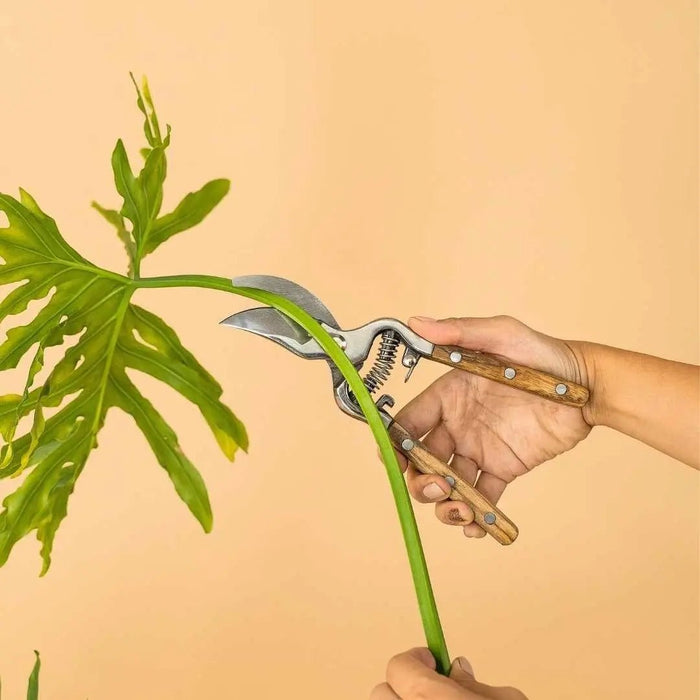
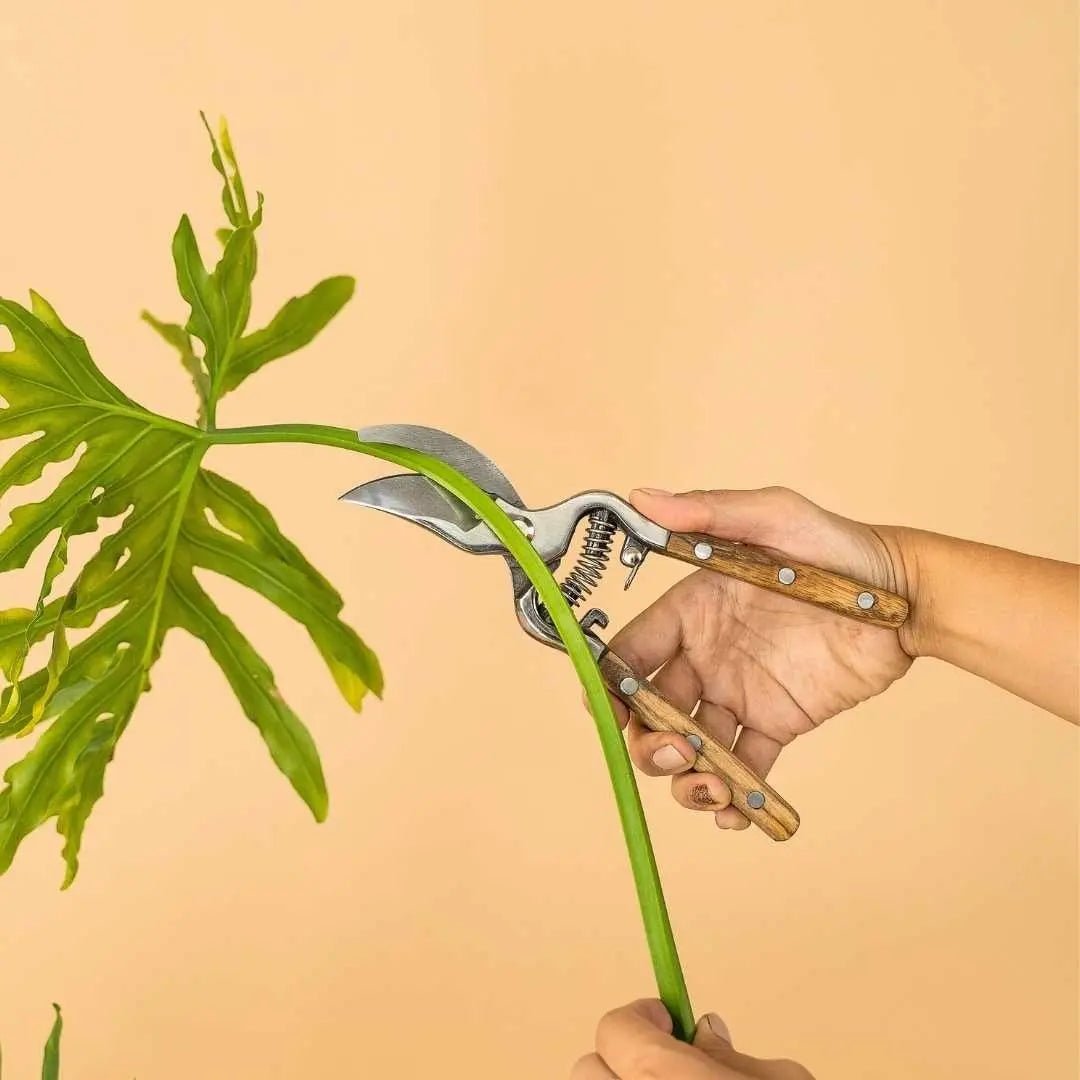
- Cut below the node with clean, sharp scissors or pruning shears. A clean cut reduces infection risk.
- Remove lower leaves that would be submerged in water. Submerged leaves rot and contaminate the water.
- Place in a clean jar or vase with room-temperature water. Submerge the node(s) but keep the remaining leaves above water.
- Position in bright indirect light. Not direct sun — the water heats up and promotes algae growth.
- Change the water every three to four days. Fresh water provides oxygen and prevents bacterial buildup.
- Wait for roots. In Singapore's warmth, most cuttings root in one to three weeks. Wait until roots reach 5-8cm before transferring.
- Transfer to soil. Plant in moist, well-draining soil and keep consistently moist for the first two weeks as the roots adapt from water to soil.
Best Plants for Water Propagation
- Pothos (all varieties) — roots in 7-14 days
- Philodendron — roots in 10-14 days
- Monstera — roots in 14-28 days
- Syngonium — roots in 7-14 days
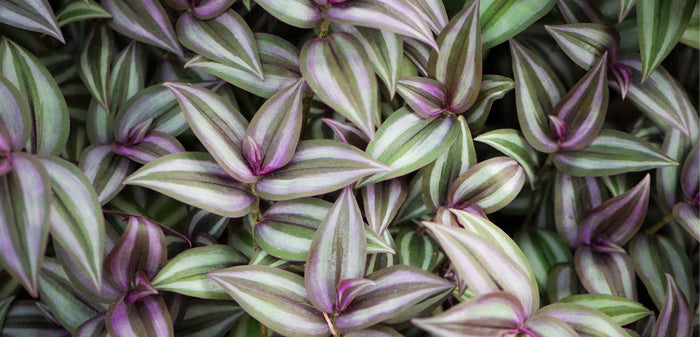
- Tradescantia — roots in 5-10 days
- Lucky Bamboo — roots in water permanently
- Coleus — roots in 7-10 days
Tips for Success
- Use a clear container so you can monitor root development.
- A narrow-necked bottle or jar supports the cutting upright.
- Add a small piece of charcoal to the water to prevent bacterial growth.
- Avoid placing in direct sunlight — the water heats up and promotes algae.
Method 2: Soil Propagation
Cuttings root directly in soil, skipping the transition stress that water-propagated plants experience when moved to soil.
How It Works
The stem cutting is planted in moist growing medium. In the dark, humid environment of the soil, roots develop from the nodes.
Step by Step
- Take a cutting as described for water propagation — healthy stem, clean cut below a node.
- Dip the cut end in rooting hormone (optional but increases success rate, especially for slower-rooting species).
- Prepare a small pot with moist, well-draining propagation mix (50% perlite, 50% potting soil works well).
- Make a hole in the soil with a pencil or finger. Insert the cutting with at least one node buried.
- Firm the soil gently around the cutting.
- Water lightly to settle the soil.
- Create a humid environment — cover with a clear plastic bag or place in a propagation box. This maintains humidity around the cutting while roots develop.
- Place in bright indirect light.
- Check moisture every few days. Keep the soil damp but not waterlogged.
- Test for roots after three to four weeks by gently tugging the cutting. Resistance means roots have formed.
Best Plants for Soil Propagation
- Snake Plant (leaf or division)
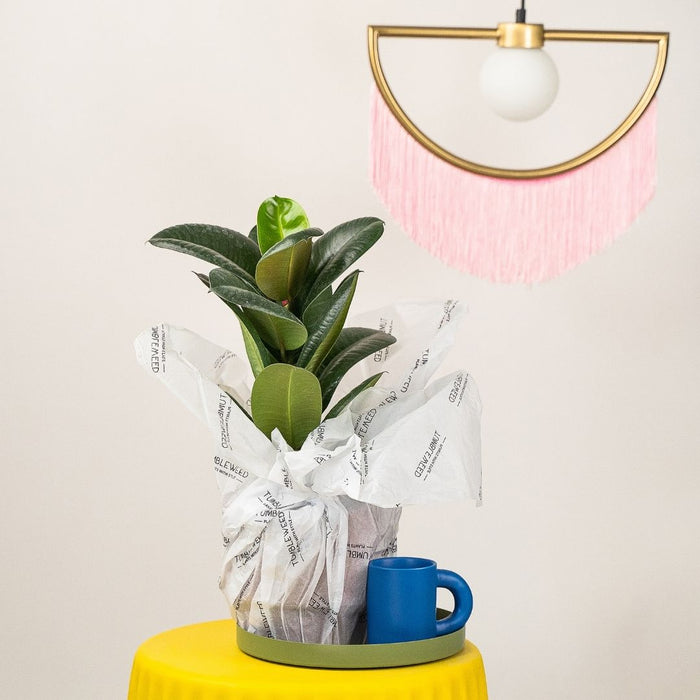
- Rubber Plant
- Fiddle Leaf Fig (slower — 4-8 weeks)
- Hoya
- String of Hearts
- Peperomia (leaf or stem)
- Succulents and cacti
Tips for Success
- Rooting hormone makes the biggest difference for woody or slow-rooting cuttings.
- Warmth accelerates rooting — Singapore's ambient temperature is ideal.
- Do not overwater. The soil should be moist like a wrung-out sponge, not wet.
- Ventilate the plastic cover daily to prevent mould.
Method 3: Division

The fastest way to create new plants — splitting an existing plant into two or more smaller plants, each with its own root system.
How It Works
Many houseplants grow as clumps of multiple stems, each with their own root system. These can be physically separated during repotting.
Step by Step
- Water the plant a day before dividing. Moist roots are more flexible and less prone to damage.
- Remove from the pot and gently shake or rinse off excess soil.
- Identify natural divisions — look for separate root clusters with their own stems and leaves.
- Gently pull apart or use a clean knife to separate. Ensure each division has roots and at least two to three stems or leaves.
- Pot each division in fresh, well-draining soil in appropriately sized pots.
- Water lightly and place in bright indirect light.
- Expect some stress — a few drooping or yellowing leaves in the first week is normal.
Best Plants for Division
- Snake Plant — rhizomes separate easily
- ZZ Plant — divided at the rhizome
- Peace Lily — forms multiple crowns
- Spider Plant — offshoots (babies) are natural divisions
- Calathea — clumps divide readily
- Bird's Nest Fern — when multiple crowns form
- Aglaonema — multi-stem clumps divide easily
Method 4: Air Layering
An advanced technique that creates a rooted cutting while it is still attached to the mother plant — eliminating the risk of the cutting dying before roots develop.
How It Works
You create a wound on the stem, wrap it with moist sphagnum moss, and cover it to maintain humidity. Roots develop at the wound site while the cutting continues to receive water and nutrients from the mother plant. Once rooted, you cut below the new roots and pot as a new plant.
Step by Step
- Choose a healthy stem at the desired height for separation.
- Make a cut — either a horizontal cut one-third through the stem, or remove a 2cm ring of bark (for woody stems).
- Insert a toothpick into the cut to keep it open (if using the partial-cut method).
- Apply rooting hormone to the cut surface (optional but helpful).
- Wrap with damp sphagnum moss — a generous handful around the wound.
- Cover with cling wrap or a clear plastic bag. Secure top and bottom with tape or rubber bands.
- Check weekly — open to mist the moss if it dries out.
- Roots appear in 4-8 weeks — visible through the plastic as white tendrils growing into the moss.
- Cut below the rooted section and pot in well-draining soil.
Best Plants for Air Layering
- Fiddle Leaf Fig
- Rubber Plant
- Monstera (large specimens)
- Dracaena
- Schefflera
Tips for Success
- Keep the moss consistently moist — check weekly.
- Be patient. Air layering takes longer than water propagation but produces a larger, more established plant.
- Use this method for large, valuable plants where you want to guarantee success.
Method 5: Leaf Cuttings

Some plants can regenerate an entire new plant from a single leaf — no stem required.
How It Works
A leaf (sometimes with a bit of petiole) is placed on or in growing medium. The leaf produces roots and eventually a new plantlet.
Step by Step
- Remove a healthy leaf — for succulents, twist gently from the stem to get a clean break. For other plants, cut the petiole (leaf stalk) cleanly.
- For succulents: Lay the leaf on top of dry, well-draining soil. Do not water for three to five days. Mist lightly once callused. Roots and a tiny plantlet emerge from the base.
- For Peperomia and Begonia Rex: Cut the leaf in half horizontally and insert the cut edge into moist soil. Or lay the whole leaf on moist soil with small cuts across the veins.
- For Snake Plant: Cut a leaf into 5-8cm sections. Keep track of orientation (which end was closer to the soil). Insert the bottom end into moist soil.
- Wait. Leaf propagation is the slowest method — weeks to months for visible results.
Best Plants for Leaf Cuttings
- Succulents — most varieties
- Snake Plant — leaf sections
- Peperomia — leaf with petiole
- Begonia Rex — leaf sections
- African Violet — leaf with petiole
- ZZ Plant — individual leaflets (very slow — months)
Singapore Propagation Advantages
Warmth accelerates rooting. Our consistent 25-32°C temperatures are ideal. Many temperate-climate growers use heat mats to achieve what we get naturally.
Humidity reduces stress. High ambient humidity means cuttings lose less water through transpiration while roots develop. Less stress = higher survival rates.
Year-round growing season. No dormancy period means you can propagate any time of year.
Common Mistakes
- Cutting between nodes instead of below them — no node, no roots.
- Submerging leaves in water — they rot. Only the stem/node goes in water.
- Not changing water — stagnant water breeds bacteria that kill cuttings.
- Transferring too early — wait until roots are at least 5cm long and robust.
- Overwatering soil cuttings — moist, not wet. Soggy soil rots cuttings.
- Direct sunlight — cuttings without roots cannot handle full sun. Bright indirect light only.
Shop Plants to Propagate
Browse our indoor plant collection — every plant you buy is a potential propagation mother plant. Start with easy propagators like Pothos, Philodendron, or Tradescantia, and enjoy the deeply satisfying experience of growing your collection from your own cuttings.
Propagation transforms you from a plant buyer into a plant grower. It deepens your understanding of how plants work, fills your shelves with greenery at zero additional cost, and gives you the best currency in Singapore's plant community — cuttings to share.
Quick summary
Key Takeaways
- Why Propagate?
- Method 1: Water Propagation
- Method 2: Soil Propagation
- Method 3: Division
- Method 4: Air Layering
- Method 5: Leaf Cuttings
Ready to bring some green into your home?
Browse 250+ hand-picked plants, curated for Singapore homes — delivered to your door.
Browse All Plants →