


























How to Use Neem Oil on Houseplants | Tumbleweed Plants Singapore
Posted on April 10 2026
In this article

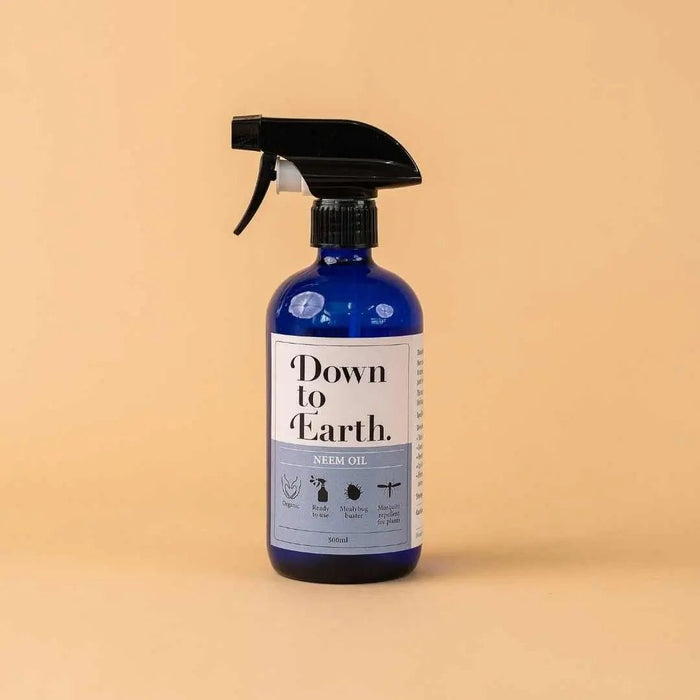
If there is one product every plant owner in Singapore should have, it is neem oil. It is the Swiss army knife of plant pest management — effective against mealybugs, spider mites, scale, aphids, whiteflies, and fungus gnats. It works as both a treatment and a preventive. It is organic, biodegradable, and safe for use around children and pets when used correctly. And it is widely available and affordable in Singapore.
But neem oil is not magic. It needs to be mixed correctly, applied properly, and used consistently to work. Spraying it once and hoping for the best will not solve a pest problem. This guide covers everything you need to know to use neem oil effectively on your houseplants.
What Is Neem Oil?
Neem oil is a naturally occurring oil pressed from the seeds of the neem tree (Azadirachta indica). The active compound, azadirachtin, disrupts insect feeding, reproduction, and growth. Unlike chemical pesticides that kill on contact, neem oil works by:
- Disrupting feeding — insects stop eating and starve
- Disrupting reproduction — insects cannot breed effectively
- Disrupting growth — juvenile insects fail to moult properly
- Suffocating — the oil coats insects and blocks their breathing pores
- Repelling — the smell and taste deter insects from settling on treated plants
This multi-pronged action makes neem oil effective against a wide range of pests while being less likely to create resistance than single-mechanism chemical pesticides.
How to Mix Neem Oil

Basic Recipe
- 1 litre of room-temperature water
- 5ml (1 teaspoon) of pure cold-pressed neem oil
- 2-3 drops of liquid dish soap (as an emulsifier — neem oil does not dissolve in water without it)
Mixing Steps
- Add the dish soap to the water first and stir gently
- Add the neem oil
- Shake or stir vigorously — the mixture should become slightly milky
- Pour into a spray bottle
- Shake before each use — neem oil separates from water quickly
Important Notes
Use cold-pressed neem oil. Refined or processed neem oil may have reduced azadirachtin content. Cold-pressed retains the active compounds.
Mix fresh each time. Neem oil spray degrades within 8 hours. Mix a fresh batch for each application rather than storing premixed spray.
Warm water helps. Neem oil solidifies at cool temperatures. If the oil is thick, warm the water slightly to help it emulsify.
How to Apply Neem Oil
For Pest Treatment
- Identify the pest — knowing what you are treating helps you target application
- Spray all leaf surfaces — top, bottom, and stems. Pests hide on leaf undersides
- Cover thoroughly — the spray should coat all surfaces evenly, forming a thin film
- Pay extra attention to — leaf joints, stem intersections, new growth tips, and leaf undersides where pests concentrate
- Apply in the evening or on overcast days — neem oil + direct sunlight can burn leaves
- Repeat every 5-7 days for 3-4 applications. A single application rarely eliminates an infestation completely
For Prevention
- Spray plants every 2-4 weeks as a preventive measure
- Focus on new plants entering your collection (quarantine spray)
- Apply during warm, humid months when pest pressure is highest in Singapore (which is most of the year)
Application Tips
Do not spray in direct sunlight. Neem oil can burn leaves when exposed to direct sun. Apply in the evening and let it dry overnight.
Test on one leaf first. Some plants are sensitive to neem oil — particularly thin-leaved plants, ferns, and seedlings. Spray one leaf and wait 24 hours. If no damage appears, proceed with full application.
Wipe large-leaved plants. For Monstera, Rubber Plant, and other large-leaved species, apply neem oil with a soft cloth rather than spraying. This ensures even coverage and allows you to physically remove pests as you wipe.
Drench the soil for fungus gnats. For soil-dwelling pests like fungus gnat larvae, water the soil with diluted neem oil solution (same concentration as the spray). This targets larvae in the root zone.
What Neem Oil Treats

Mealybugs
White, cottony masses in leaf joints and stem crevices. Neem oil disrupts their waxy coating and kills them. Remove visible mealybugs with rubbing alcohol before spraying neem oil for best results.
Spider Mites
Tiny dots and fine webbing on leaf undersides. Common in dry, air-conditioned Singapore rooms. Neem oil suffocates mites and disrupts reproduction. Increase humidity simultaneously for best results.
Scale
Brown or tan bumps on stems and leaf undersides. Neem oil penetrates their protective shell over repeated applications. Scrape off visible scale before spraying.
Aphids
Small green, black, or white insects clustered on new growth and leaf undersides. Neem oil kills them effectively. Wash off visible aphids with a strong water spray before applying neem oil.
Fungus Gnats
Tiny black flies that hover around soil. The adults are harmless but annoying; the larvae damage roots. Neem oil soil drenches kill larvae. Allow soil to dry between waterings to discourage adults.
Whiteflies
Tiny white flying insects that flutter when the plant is disturbed. Neem oil disrupts their life cycle. Multiple applications are needed as eggs and pupae are resistant.
Thrips
Elongated, tiny insects that cause silvery streaks on leaves. Neem oil helps but thrips can be persistent. Combine with blue sticky traps for monitoring.
What Neem Oil Does NOT Treat
Bacterial infections — Neem oil is not an antibiotic. Bacterial leaf spots and stem rot need affected tissue removed.
Viral infections — No cure exists for plant viruses. Remove and dispose of infected plants to prevent spread.
Nutrient deficiencies — Yellowing from lack of iron or nitrogen is not a pest issue. Adjust fertiliser.
Overwatering damage — Root rot from overwatering needs soil and watering changes, not neem oil.
Common Mistakes

Spraying in direct sunlight. Neem oil + direct sun = leaf burn. Always apply in the evening.
Using too much dish soap. Excess soap strips the plant's natural waxy coating and can damage leaves. Use only 2-3 drops per litre.
Expecting instant results. Neem oil is not a knockdown pesticide. It works over days and weeks. Be patient and consistent with repeat applications.
Only spraying the top of leaves. Pests live on leaf undersides. If you only spray the top, you miss most of the infestation.
Mixing too strong. More neem oil is not better. Concentrated solutions can damage plant tissue. Stick to the recommended dilution.
Giving up after one application. Pest eggs are resistant to neem oil. You need 3-4 applications over 2-3 weeks to break the life cycle by killing newly hatched pests before they reproduce.
Where to Buy Neem Oil in Singapore
- Nurseries — Most carry neem oil in the pest treatment section
- Shopee and Lazada — Wide selection of cold-pressed neem oil in various sizes
- Organic stores — Often stock pure, cold-pressed neem oil
- Hardware stores — Some carry neem-based garden products
What to look for: "Cold-pressed" or "pure" neem oil. Avoid products labelled "refined" or containing additional chemical pesticides. The oil should be yellow to brown and have a strong, distinctive garlic-peanut smell.
Shop Plants
Browse our indoor plant collection for healthy, pest-free plants delivered across Singapore. Every plant ships inspected and treated — and now you have the knowledge to keep them pest-free at home.
Neem oil is not glamorous. It smells strongly, it needs careful mixing, and it requires patience and repeated application. But it works. It is the single most useful product in a plant owner's pest management toolkit — organic, effective, affordable, and available everywhere in Singapore. Keep a bottle on hand, learn to mix it properly, and use it before pests become a crisis. Prevention is always easier than cure.
Quick summary
Key Takeaways
- What Is Neem Oil?
- How to Mix Neem Oil
- How to Apply Neem Oil
- What Neem Oil Treats
- What Neem Oil Does NOT Treat
- Common Mistakes
Ready to bring some green into your home?
Browse 250+ hand-picked plants, curated for Singapore homes — delivered to your door.
Browse All Plants →