



















How to Water Houseplants Correctly | Tumbleweed Plants Singapore
Posted on April 10 2026
In this article

If there is one skill that separates thriving plant owners from struggling ones, it is watering. Not light. Not soil. Not fertiliser. Watering. It is the most frequent interaction you have with your plants, and the one most likely to kill them if done incorrectly.
The problem is that watering advice is often oversimplified: "Water once a week" or "Keep the soil moist." These instructions ignore the variables that actually determine when a plant needs water — pot size, soil type, light level, humidity, temperature, and the specific plant's needs. In Singapore, where humidity averages 70-84% year-round, watering patterns differ significantly from the temperate-climate advice that dominates the internet.
This guide teaches you how to water based on what your plant is actually telling you — not a calendar.
Why Most Watering Advice Is Wrong
The Calendar Problem
"Water every Sunday" sounds manageable, but plants do not follow calendars. A plant in a bright window in a terracotta pot dries out in 4 days. The same plant in a dim corner in a plastic pot takes 14 days. Watering both on the same schedule means one gets overwatered and the other gets underwatered.
The Singapore Factor
Most online watering guides are written for temperate climates with 30-50% humidity. Singapore's 70-84% ambient humidity means:
- Soil dries 30-50% slower than in drier climates
- Plants lose less water through transpiration
- Overwatering risk is significantly higher
- Indoor plants in AC rooms dry faster than those in naturally ventilated spaces
How to Know When to Water

The Finger Test
Insert your finger 3-5cm into the soil:
- Moist: Do not water. Check again in 2-3 days.
- Slightly damp: Most tropical plants can be watered now.
- Dry: Water immediately. Most plants should not reach fully dry soil.
This simple test is more reliable than any schedule. It accounts for every variable — pot size, soil type, light, humidity — because you are checking the actual soil moisture, not guessing.
The Weight Test
Lift the pot:
- Heavy: Soil is saturated. Do not water.
- Medium: Still has moisture. Wait.
- Light: Soil is mostly dry. Time to water.
With practice, you can tell a plant's water status in one second by lifting the pot. This is especially useful for plants in opaque pots where you cannot see the soil clearly.
The Visual Test
Some plants show clear visual cues when thirsty:
- Peace Lily: Dramatically droops when dry. Water it, and it perks up within hours.
- Pothos: Leaves become slightly limp and curl at the edges.
- Calathea: Leaves curl inward.
- String of Pearls: Pearls become less round, slightly wrinkled.
- Succulents: Leaves become less plump, slightly wrinkled.
Moisture Meters
Electronic moisture meters give a numerical reading of soil moisture. They are useful for beginners who are not yet confident with the finger test.
Limitation: Cheap meters are inaccurate. They measure electrical conductivity (affected by mineral content), not actual moisture. Use them as a rough guide, not an absolute answer.
How to Water
The Soak and Drain Method (Recommended)
The best general watering technique for most houseplants:
- Water slowly and evenly across the entire soil surface
- Continue until water drains from the bottom of the pot
- Wait 15-30 minutes for excess water to collect in the saucer
- Empty the saucer completely — never let the pot sit in standing water
Why it works: This ensures the entire root ball receives water, not just the top layer. The thorough soaking followed by complete drainage mimics natural rainfall — a deep drink followed by drying.
Bottom Watering
Place the pot in a tray of water and let the soil wick moisture upward for 15-30 minutes, then remove and drain.
Best for:
- Plants with dense foliage at the soil surface (African Violet, Peperomia)
- Plants sensitive to crown rot (Cyclamen)
- Soil that has become hydrophobic (water runs through without absorbing)
Limitation: Does not flush accumulated salts from the soil. Alternate with top watering monthly.
Targeted Watering
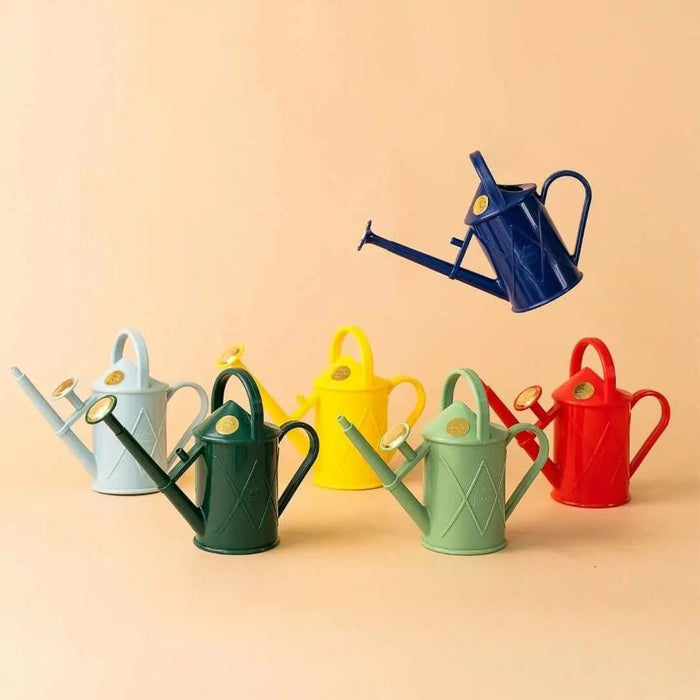
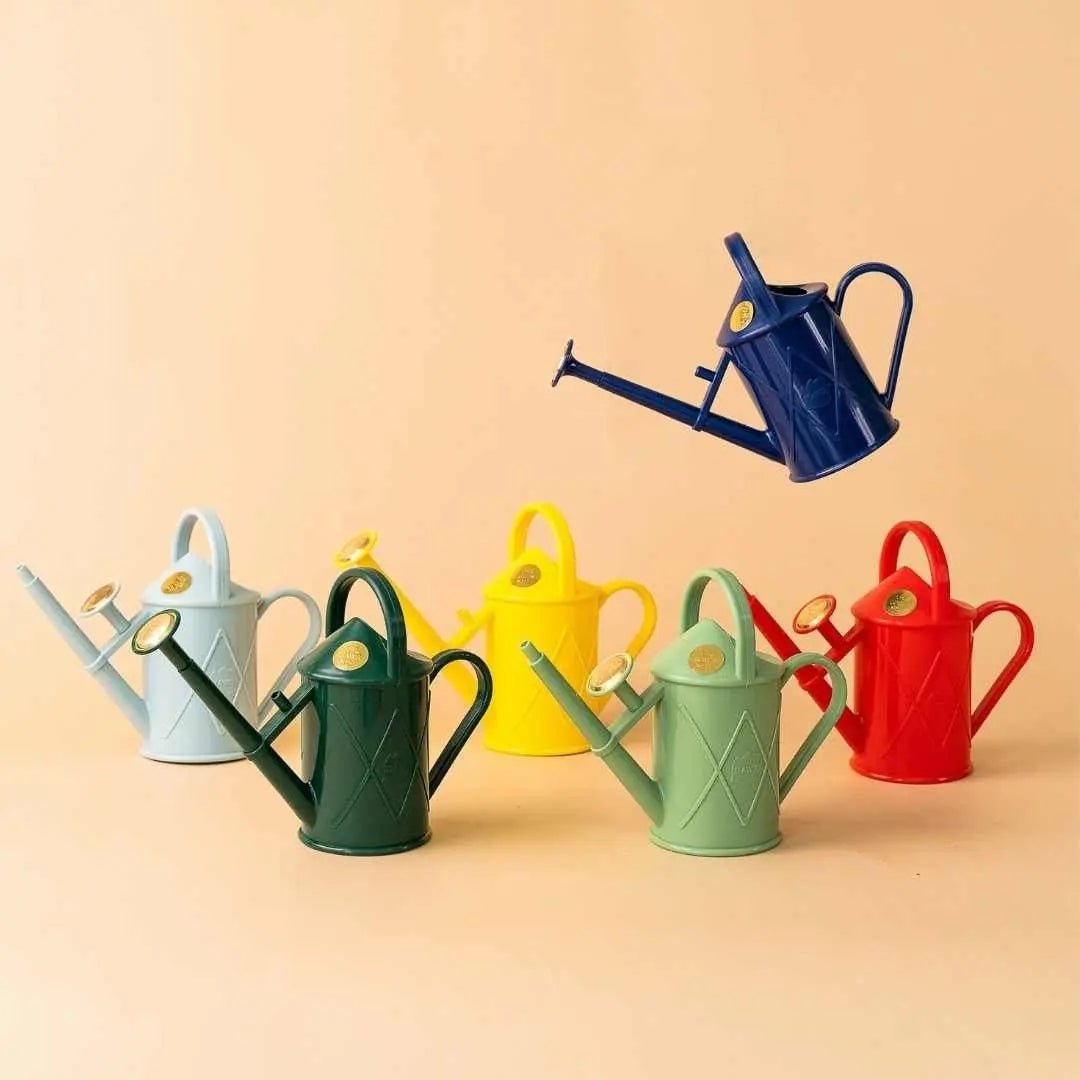
Use a watering can with a narrow spout to deliver water directly to the soil, avoiding leaves and stems.
Best for:
- Plants prone to leaf spotting from water (Calathea, Begonia)
- Succulents (water on leaves can cause rot)
- Crowded plant shelves where precision matters
Watering by Plant Type

Tropical Foliage (Monstera, Philodendron, Aglaonema, Pothos)
When: When top 3-5cm of soil is dry.
Frequency in Singapore: Every 7-14 days.
Method: Soak and drain.
Succulents and Cacti
When: When soil is completely dry throughout the pot.
Frequency in Singapore: Every 14-21 days (longer than temperate guides suggest due to humidity).
Method: Soak and drain. Despite being drought-tolerant, they benefit from a thorough soak when you do water.
Ferns
When: When top 1-2cm of soil feels dry. Ferns prefer consistently moist soil.
Frequency in Singapore: Every 4-7 days.
Method: Gentle soak and drain. Keep soil evenly moist but not waterlogged.
Snake Plant, ZZ Plant
When: When soil is dry at least halfway down the pot.
Frequency in Singapore: Every 14-21 days. These plants store water in their structures and are more drought-tolerant than most.
Method: Soak and drain, then leave well alone until dry again.
Common Watering Mistakes
1. Watering on a Fixed Schedule
As discussed — schedules ignore variables. Always check soil moisture first.
2. Giving "a Little Bit" Frequently
Light, frequent watering wets only the top layer of soil. Roots in the middle and bottom stay dry. This encourages shallow root growth and leaves the plant vulnerable to drought.
Fix: Water thoroughly less often, rather than shallowly more often.
3. Leaving Water in the Saucer
Standing water in the saucer keeps the bottom of the root ball perpetually wet — a direct path to root rot.
Fix: Always empty saucers 15-30 minutes after watering.
4. Using Ice Cubes
A viral myth. Ice-cold water shocks tropical plant roots. Just use room-temperature water.
5. Misting as a Substitute for Watering
Misting wets leaves but does nothing for roots. It is not watering. Some plants (Calathea, Begonia) are harmed by wet leaves. Misting provides negligible humidity benefit.
Fix: Water the soil, not the leaves. For humidity, use a humidifier or pebble tray.
6. Watering at Night
Water that sits on leaves overnight promotes fungal growth. Water in the morning or early afternoon when the plant is actively photosynthesising and transpiring.
Water Quality in Singapore

Singapore tap water is safe for most houseplants. However:
- Sensitive plants (Calathea, Dracaena, Spider Plant) may develop brown leaf tips from fluoride and chlorine. Let water sit overnight or use filtered water.
- Succulents and cacti are generally fine with tap water.
- Orchids prefer rain water or filtered water for best results.
Seasonal Adjustments
Singapore does not have dramatic seasons, but there are variations:
- Drier months (Feb-Mar): Plants may dry faster. Check more frequently.
- Wetter monsoon months (Nov-Jan): Ambient humidity is higher. Soil stays wet longer. Reduce watering frequency.
- AC-heavy periods: If you run AC more during hotter months, indoor humidity drops and plants may need more frequent watering.
Shop Plants
Browse our indoor plant collection for healthy plants delivered across Singapore. Every plant ships with a brief care card including watering guidance specific to its needs.
Watering is simple once you stop following schedules and start listening to the plant. Check the soil. Lift the pot. Watch the leaves. Water thoroughly when needed. Drain completely. That is the entire system. Master this one skill, and most other plant care challenges become manageable. Get it wrong, and nothing else you do will matter.
Quick summary
Key Takeaways
- Why Most Watering Advice Is Wrong
- How to Know When to Water
- How to Water
- Watering by Plant Type
- Common Watering Mistakes
- Water Quality in Singapore
Ready to bring some green into your home?
Browse 250+ hand-picked plants, curated for Singapore homes — delivered to your door.
Browse All Plants →