





















Indoor Herb Garden Singapore: How to Grow Fresh Herbs in Your HDB or Condo
Posted on April 09 2026
In this article
# Indoor Herb Garden Singapore: How to Grow Fresh Herbs in Your HDB or Condo | Tumbleweed Plants Singapore

There is something deeply satisfying about snipping fresh basil for your pasta or picking mint leaves for your weekend mojito — especially when those herbs came from your own kitchen garden. In Singapore, growing herbs outdoors can be tricky (intense sun, heavy rain, limited balcony space), but growing them indoors is surprisingly achievable.
An indoor herb garden does not need much: a sunny windowsill, a few pots, good soil, and regular watering. This guide covers everything you need to know about starting and maintaining a productive indoor herb garden in a Singapore HDB or condo.
Best Herbs to Grow Indoors in Singapore
Easy Herbs for Beginners
Basil (Sweet, Thai, or Holy)
The king of indoor herbs in Singapore. Both sweet basil and Thai basil grow vigorously in our warm climate. They need 6+ hours of light daily and consistent moisture. Pinch off flower buds to keep the plant producing leaves.
Mint
Almost impossible to kill. Mint grows aggressively in Singapore conditions — in fact, growing it in a pot is better than in a garden bed because it stays contained. Spearmint and peppermint both thrive. Needs moderate light and regular watering.
Spring Onion (Scallion)
Technically not an herb, but incredibly useful and easy. Buy a bunch from the supermarket, use the green tops, and plant the white root ends in soil. They regrow in about a week. Repeat indefinitely.
Pandan
A uniquely Southeast Asian herb essential for local cooking and desserts. Pandan grows well in pots on Singapore windowsills and balconies. It prefers bright indirect light and consistently moist soil.
Intermediate Herbs
Coriander (Cilantro)
Coriander can be fussy in Singapore's heat — it tends to bolt (go to seed) quickly in temperatures above 30°C. The trick is to grow it near an air-conditioned window or in a cooler spot, and to succession sow every 2-3 weeks so you always have a fresh crop coming.
Lemongrass
A robust, no-fuss herb that loves Singapore heat. It grows large, so give it a bigger pot. Buy a stalk from the supermarket, place the base in water until roots develop, then plant in soil. Perfect for tom yum and laksa.
Chives
Compact and easy to grow on a windowsill. Chives need moderate light and regular watering. Snip as needed — they grow back quickly.
Advanced Herbs
Rosemary
Rosemary prefers Mediterranean conditions — hot and dry. Singapore's humidity is its main enemy. Grow it in a very well-draining pot near a sunny, ventilated window. Many Singapore gardeners find rosemary challenging long-term.
Thyme
Similar to rosemary — prefers dry conditions. Can be grown in Singapore with excellent drainage and a sunny, airy location. Do not overwater.
Curry Leaves
Not a herb in the European sense, but essential in Singapore and Indian cooking. Curry leaf plants grow into small trees and thrive in Singapore's climate. They need full sun, so a sunny balcony or window is essential.
Setting Up Your Indoor Herb Garden

Light
Light is the most critical factor. Most herbs need at least 6 hours of direct or bright indirect light daily.
Best window directions:
- West-facing: Most intense light, best for sun-loving herbs (basil, lemongrass, curry leaves)
- East-facing: Gentle morning sun, good for most herbs
- South-facing: Strong consistent light
- North-facing: Usually insufficient for herbs — consider grow lights
Grow lights: If your kitchen lacks natural light, LED grow lights are an excellent supplement. Position 15-30cm above the herbs for 10-12 hours daily.
Containers
- Use pots with drainage holes — herbs hate waterlogged roots
- Size: 15-20cm diameter for most herbs, larger for lemongrass and curry leaves
- Material: Any works. Terracotta dries faster (good for rosemary), plastic retains moisture (good for basil and mint)
- Self-watering pots reduce maintenance
Soil
Herbs prefer well-draining, nutrient-rich soil:
- Quality potting mix with added perlite (70/30 ratio)
- For Mediterranean herbs (rosemary, thyme): add extra sand or perlite for drainage
- For tropical herbs (basil, pandan): standard potting mix with good drainage is fine
Starting Your Herbs
From seed: Cheapest option. Sprinkle seeds on moist soil, cover lightly, and keep moist until germination (5-14 days depending on the herb). Singapore's warm temperatures speed up germination.
From supermarket herbs: Many herbs from the supermarket can be rooted. Place basil stems, mint stems, or spring onion roots in water until roots develop, then plant in soil.
From nursery plants: Fastest results. Buy established herb plants from a nursery or plant shop and transplant into your containers.
Caring for Your Indoor Herb Garden
Watering
- Most herbs prefer consistently moist soil, not wet or dry
- Check daily by touching the soil surface
- Water when the top centimetre feels dry
- In Singapore's aircon: herbs may dry out faster — check more frequently
- Morning watering is best
A 3-in-1 Moisture Meter takes the guesswork out of watering. Simply insert into the soil to check moisture levels.
Fertilising
Herbs are light feeders, but regular feeding supports lush growth:
- Liquid fertiliser diluted to half strength, every 2 weeks
- Organic options like fish emulsion or seaweed extract work well
- Avoid heavy nitrogen fertilisers — they produce lots of leaves but weaker flavour
Harvesting
The secret to bushy, productive herb plants: harvest frequently.
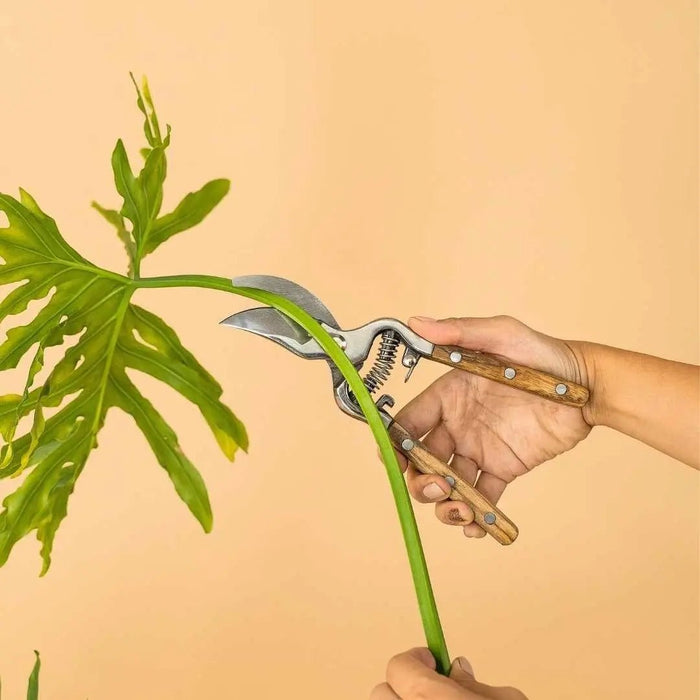
- Basil: Pinch off the top pair of leaves at each stem. This encourages branching. Never let it flower — once basil flowers, leaf production slows dramatically.
- Mint: Cut stems just above a leaf node. Mint grows back aggressively.
- Coriander: Harvest outer leaves first, letting the centre continue growing.
- Pandan: Cut mature outer leaves at the base.
- General rule: Never harvest more than one-third of the plant at once.
Pest Management
Indoor herbs in Singapore may attract:
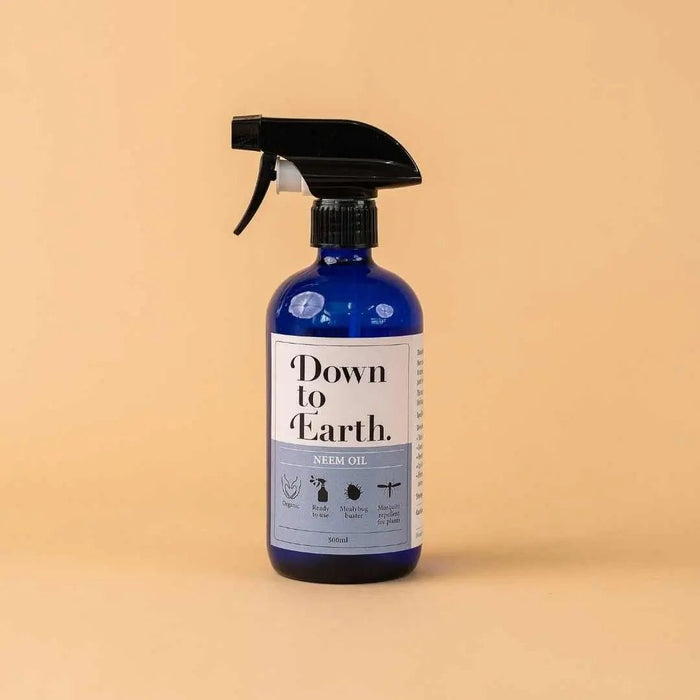
- Aphids: Small green or black insects on new growth. Spray with diluted neem oil or soapy water.
- Whiteflies: Tiny white insects that fly up when disturbed. Yellow sticky traps work well.
- Fungus gnats: Small flies around the soil surface. Let soil dry slightly between waterings and add a layer of sand on top.
Avoid chemical pesticides on herbs you plan to eat. Neem oil, insecticidal soap, and manual removal are safe alternatives.
Layout Ideas
Kitchen Windowsill Garden
The classic setup. Line up 3-5 small herb pots along your kitchen windowsill. Keep the most-used herbs (basil, spring onion, coriander) closest to your prep area.
Tiered Shelf Garden
A small tiered stand by a sunny window maximises vertical space. Place sun-loving herbs on the top shelf and shade-tolerant ones below.
Hanging Herb Planters
Suspend small herb pots from ceiling hooks or a wall-mounted rail near the kitchen window. Saves counter space and adds visual interest.
Balcony Herb Corner
If you have a sheltered balcony with partial sun, group herbs in larger pots with saucers. This works especially well for larger herbs like lemongrass and curry leaves.
Common Mistakes
- Insufficient light: The biggest reason indoor herbs fail. If your kitchen is dim, invest in a grow light.
- Overwatering: Especially rosemary and thyme. Let soil dry slightly between waterings.
- Not harvesting enough: Regular harvesting keeps herbs bushy and productive. Unharvested herbs become leggy and woody.
- Wrong soil: Standard garden soil is too heavy. Always use a potting mix with good drainage.
- Ignoring pests: A small aphid problem becomes a big one quickly. Check plants weekly.
Start your indoor herb garden with easy-grower herbs like basil, mint, and spring onion, then expand as you gain confidence. Browse plant care tools and supplies at Tumbleweed Plants to set up your kitchen garden.
Quick summary
Key Takeaways
- Best Herbs to Grow Indoors in Singapore
- Setting Up Your Indoor Herb Garden
- Caring for Your Indoor Herb Garden
- Layout Ideas
- Common Mistakes
Ready to bring some green into your home?
Browse 250+ hand-picked plants, curated for Singapore homes — delivered to your door.
Browse All Plants →