














How to Create a Stunning Indoor Succulent Garden
Posted on April 16 2026
In this article
Tags: succulents, indoor succulent garden, succulent arrangement, succulent care, cactus

Thumbnail image spec (1200×628px):
A beautiful overhead flat lay of a finished succulent arrangement in a terracotta pot, showing varied colours and textures. Alt text: "Indoor succulent garden arrangement in terracotta pot — Singapore beginner guide". Source suggestions: Unsplash (search "succulent arrangement overhead"), your own product photography.
---
A well-made succulent arrangement in terracotta — beautiful and, with the right setup, genuinely easy to maintain in Singapore.
Succulent gardens are one of the most popular plant projects — easy to put together, endlessly customizable, and visually striking. They're also one of the most commonly killed plant setups, because the same features that make succulents look great in photos (shallow dishes, dense planting, decorative stones) often create conditions that kill them.
This guide shows you how to create a succulent arrangement that survives past the first month.
> Singapore growers' note: Singapore's year-round tropical heat and high humidity create specific challenges for succulents. Most succulents evolved in arid or semi-arid climates and can struggle with our monsoon humidity and intense afternoon heat. The good news: with the right drainage, positioning, and watering discipline, succulents absolutely thrive here — especially haworthias, gasterias, and some echeverias. This guide includes Singapore-specific adjustments throughout.
---
Why Indoor Succulent Gardens Fail
Before the how-to, the common mistakes:
Planted in containers without drainage holes. No exceptions — succulents in undrained containers develop root rot within weeks. Even a single extra watering can be fatal.
Planted in regular potting soil. Standard potting mix holds far too much moisture for succulents. It needs to be fast-draining.
Placed in insufficient light. Succulents on a dining table centerpiece, far from any window, will "etiolate" — stretch toward light with long, pale gaps between leaves — then slowly decline.
Overwatered. The single most common cause of succulent death. They evolved in arid environments. "When in doubt, don't water" is the correct approach.
Singapore-specific: In our climate, overwatering risk is amplified during the monsoon seasons (November–January and May–July) when ambient humidity is consistently above 80%. Your succulent's soil takes much longer to dry during these periods.
---
What You Need
Plants: 3–7 succulents depending on container size (more on species selection below)
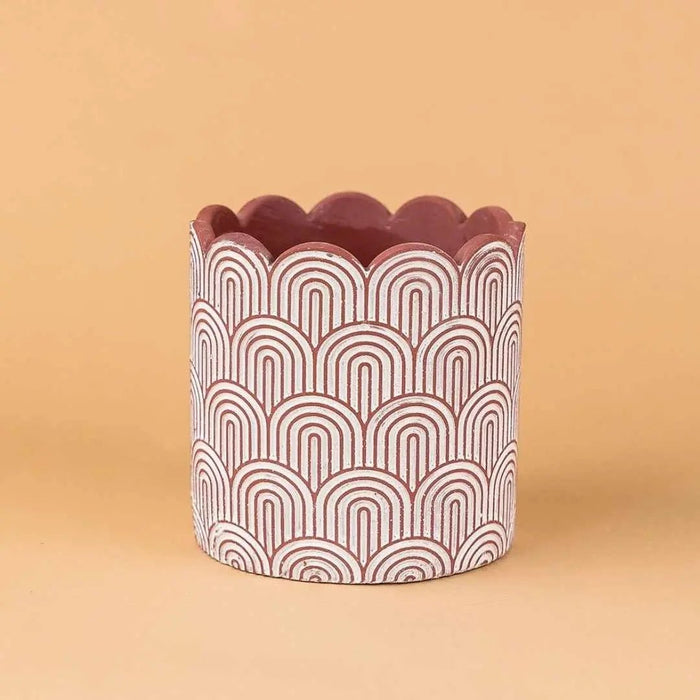
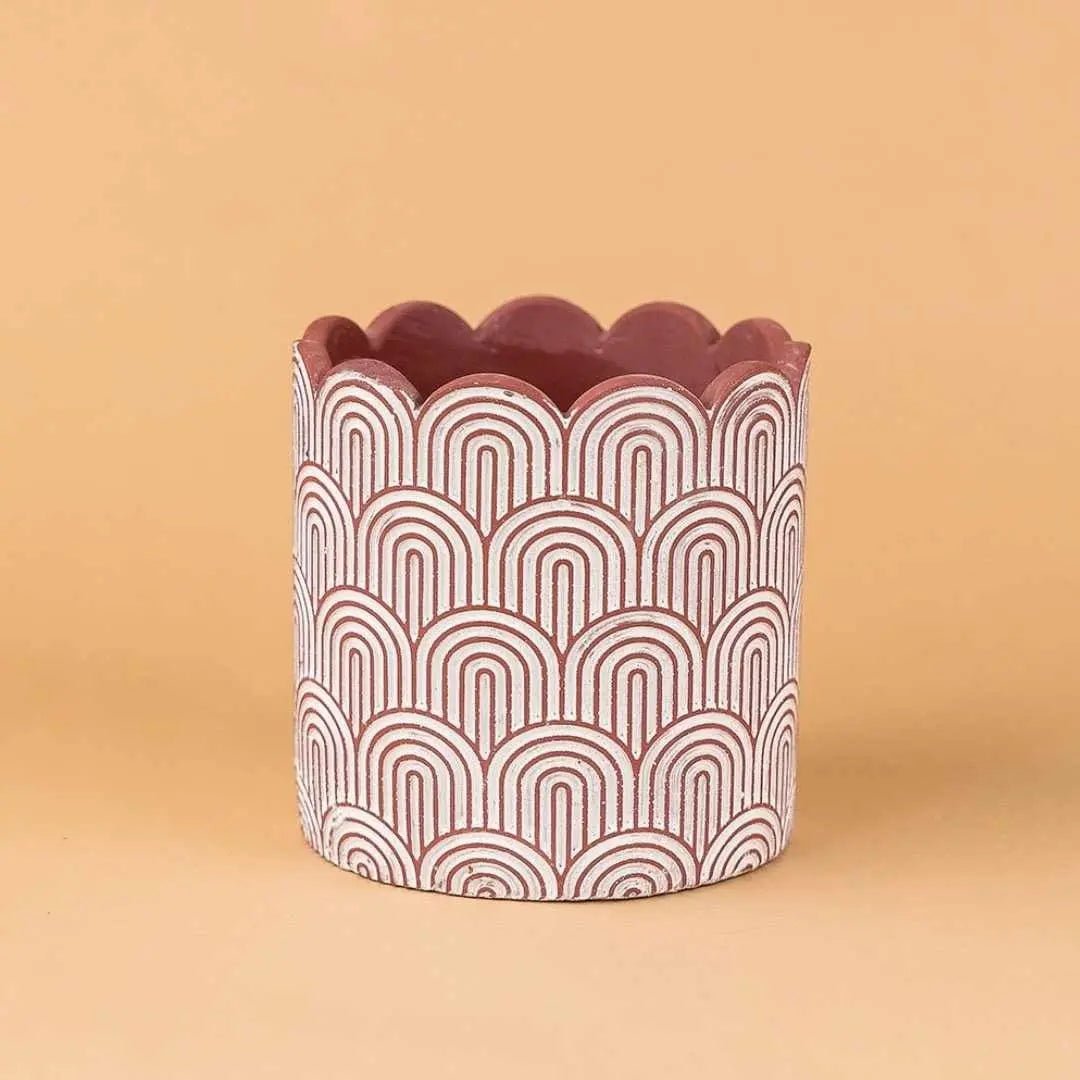
Container: Must have drainage holes. Terracotta is ideal — porous material helps excess moisture evaporate faster, which is especially important in Singapore's humidity. Shallow terracotta pots ("azalea pots") work well for arrangements. Minimum depth: 8–10 cm.
Potting mix: Cactus/succulent mix, or standard potting mix amended with 50% perlite. Do not use unamended standard potting mix.
Top dressing (optional): Coarse sand, fine gravel, or decorative stones give the finished arrangement a clean look. Note: top dressing goes on last, after planting — not in the soil mix.
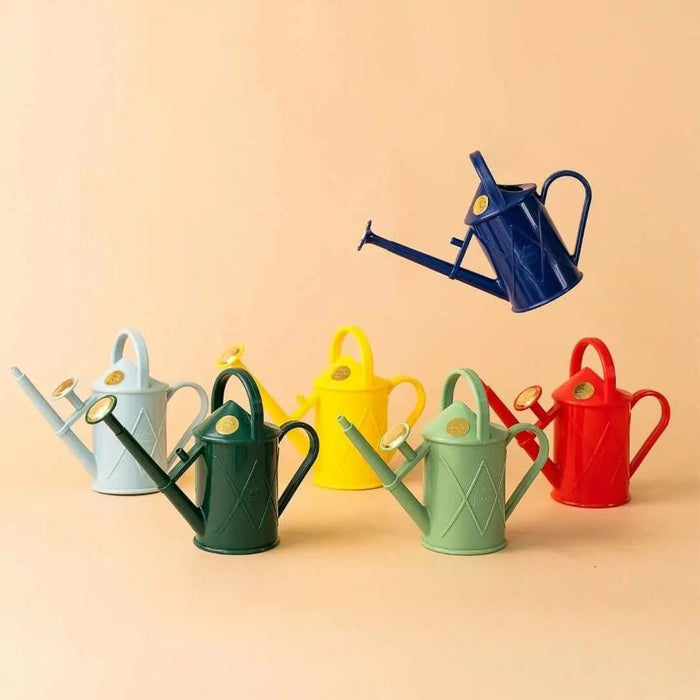
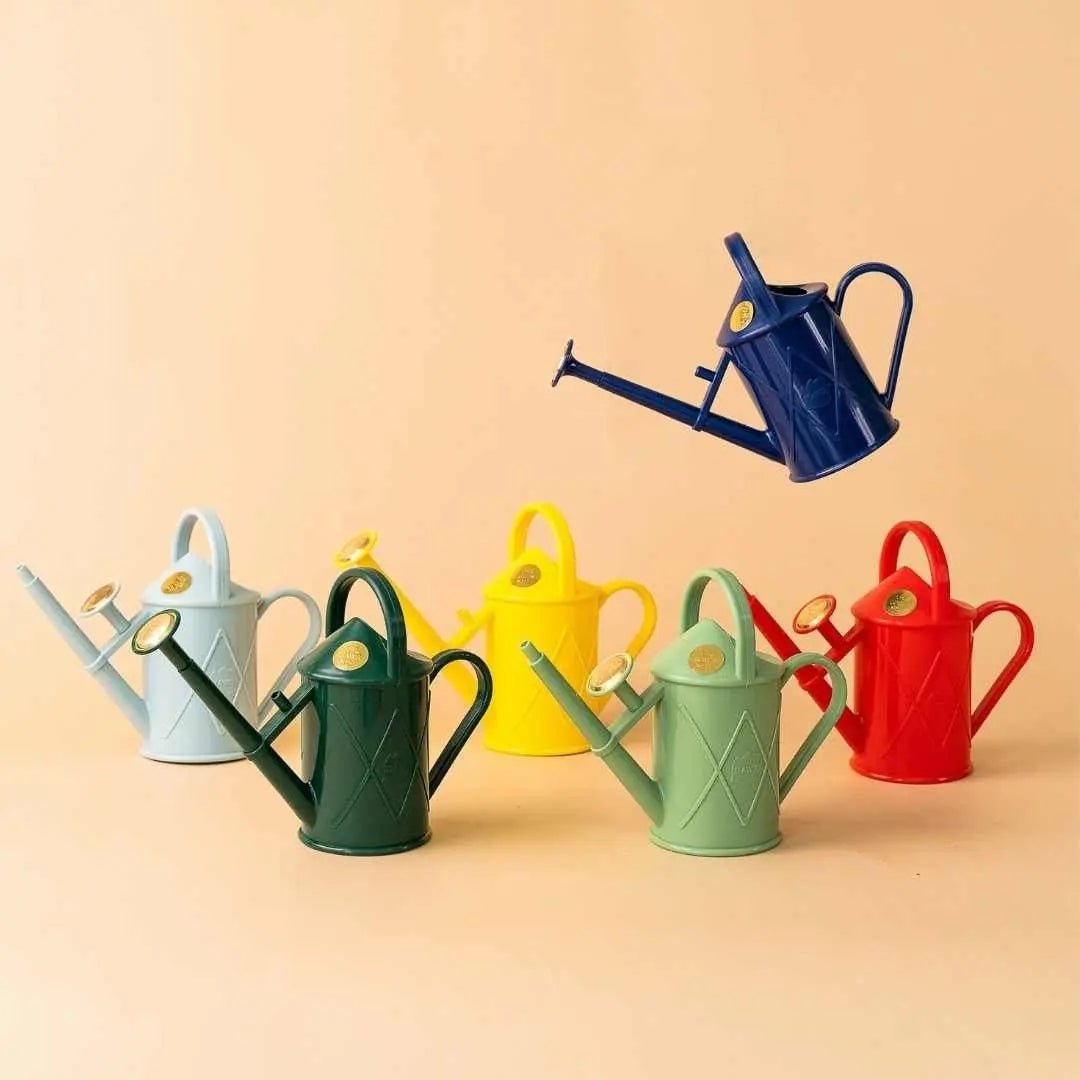
Watering tool: A watering can with a narrow spout lets you water at soil level without getting water in leaf rosettes (which causes rot for some species).
Everything you need to get started: terracotta pot with drainage, well-draining succulent mix, and a selection of compatible species.
---
Choosing Succulents for a Singapore Arrangement
The most important consideration: choose succulents with similar care needs.
For Singapore specifically, some species perform far better than others in our tropical climate:
Succulent Species Comparison for Singapore
| Species | Form | Colour | Singapore Performance | Notes |
|---------|------|--------|----------------------|-------|
| Haworthia fasciata | Upright rosette | Dark green + white stripes | Excellent | Best for lower-light HDB rooms; tolerates humidity |
| Gasteria spp. | Upright rosette | Dark green, spotted | Excellent | Very forgiving; tolerates Singapore heat |
| Aloe vera | Upright | Grey-green | Very good | Practical + structural; handles outdoor balconies |
| Echeveria spp. | Compact rosette | Blue, green, pink, purple | Good | Choose airy spots; avoid full monsoon rain |
| Sedum spp. | Spreading / trailing | Green, red, yellow | Good | Fast growing; great filler |
| Crassula ovata (Jade) | Tree-form | Glossy green | Good | Grows large over time; good indoor focal point |
| Kalanchoe spp. | Upright | Green + colourful blooms | Good | Flowers readily in Singapore heat |
| Mammillaria (Cactus) | Spherical | Green + spines | Moderate | Needs very bright light; avoid monsoon rain |
| Sempervivum (Hens & chicks) | Spreading rosette | Green, red, purple | Poor | Evolved for cold climates; struggles in tropics |
Key principle: Mix different heights, shapes, and textures for a cohesive arrangement. Avoid pairing very fast-growing species with very slow ones.
---
Step-by-Step: Planting the Arrangement

Step 1: Prepare the container
If using terracotta, soak it in water for 30 minutes first (dry terracotta pulls moisture from soil too aggressively when first used). Ensure drainage holes are clear.
Step 2: Add potting mix
Fill the container about 2/3 with cactus/succulent mix. Do not pack it down.
Step 3: Plan before planting
Set the plants (still in their nursery pots) in the container to plan placement before planting. Considerations:
- Tallest plant at the back (for single-view arrangements) or center (for 360° arrangements)
- Trailing plants at the edges
- Interesting specimens as focal points
- Leave small gaps between plants — dense planting looks good but poor air circulation encourages rot (especially in Singapore's humidity)
Step 4: Plant
Remove each plant from its nursery pot. Gently loosen any tightly circling roots. Place in the container, adjusting soil level under each plant so they sit at approximately the same depth as in their original pots (don't bury the base deeper than it was).
Fill in gaps with additional potting mix. Firm gently around each plant.
Step 5: Top dressing
Add a thin layer (1–1.5 cm) of coarse sand, fine gravel, or decorative stones. This keeps the base of plants dry, prevents soil from splashing onto leaves when watering, and gives the arrangement a finished look.
Step 6: Wait before watering
Wait 48–72 hours before the first watering. This allows any roots disturbed during planting to callus slightly. Then water lightly — less than you think.
When planting, don't bury the crown — keep succulents at the same depth they were in their nursery pots.
---
Care for Your Succulent Arrangement in Singapore
Light: Place in the brightest spot available. For Singapore homes:
- Ideal: East-facing window for morning sun (bright but not scorching)
- Good: Covered balcony or corridor with bright indirect light
- Avoid: West-facing balconies in full afternoon sun — Singapore's afternoon sun is too intense for most succulents
- Minimum: 4–6 hours of bright indirect light daily
Watering: Water when soil is completely dry — typically every 14–21 days indoors in Singapore, and potentially less during monsoon months. Water at soil level, avoiding rosette centers. Water until it drains from the bottom, then let dry completely.
Singapore monsoon adjustment: During heavy monsoon months, your arrangement may only need watering every 3–4 weeks. Always check the soil is fully dry before adding water.
Fertilizing: Once in the growing season with a diluted (quarter-strength) balanced fertilizer. In Singapore's year-round warm climate, you can fertilize twice — once in March and once in September. Never fertilize a stressed or recently repotted plant.
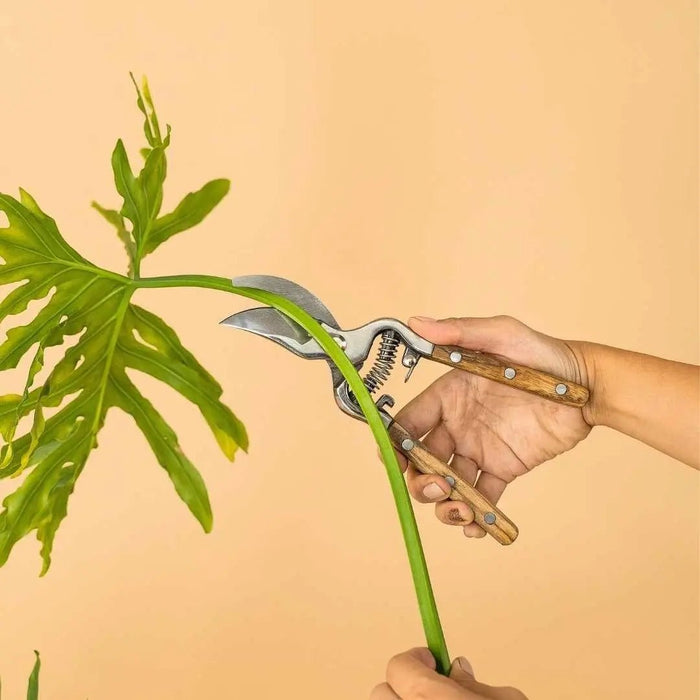
Pruning: Remove dead or dying leaves promptly — they invite pests and disease, and Singapore's humidity makes this more urgent than in drier climates.
Rotation: Rotate the arrangement 90 degrees every 2–3 weeks so all plants receive even light exposure.
---
Singapore-Specific Tips

| Challenge | Singapore Context | Solution |
|-----------|-------------------|----------|
| Humidity | 70–85% year-round; monsoon spikes | Terracotta pots, gritty mix, reduce watering |
| Heat | Afternoon sun reaches 33–35°C | East-facing window; avoid west balcony |
| Rain exposure | Monsoon rain = overwatering risk | Move arrangements indoors during heavy rain |
| Air-con | Dries indoor air, reduces light | Supplement with east window; rotate regularly |
| Pests | Mealybugs common in humid climate | Inspect weekly; treat with diluted rubbing alcohol |
| Year-round growing | No winter dormancy | Adjust — some succulents may not rest in SG |
---
Troubleshooting
Stretching/etiolating (leggy, elongated growth): Not enough light. Move to a brighter location. Stretched growth can't be reversed, but new growth in better light will be compact.
Mushy, translucent leaves: Overwatering or root rot. Remove affected leaves, let soil dry completely, check roots. If rotted, repot in dry fresh mix and reduce watering dramatically.
Shriveled, wrinkled leaves: Underwatering. Water thoroughly and the plant should plump up within a few days.
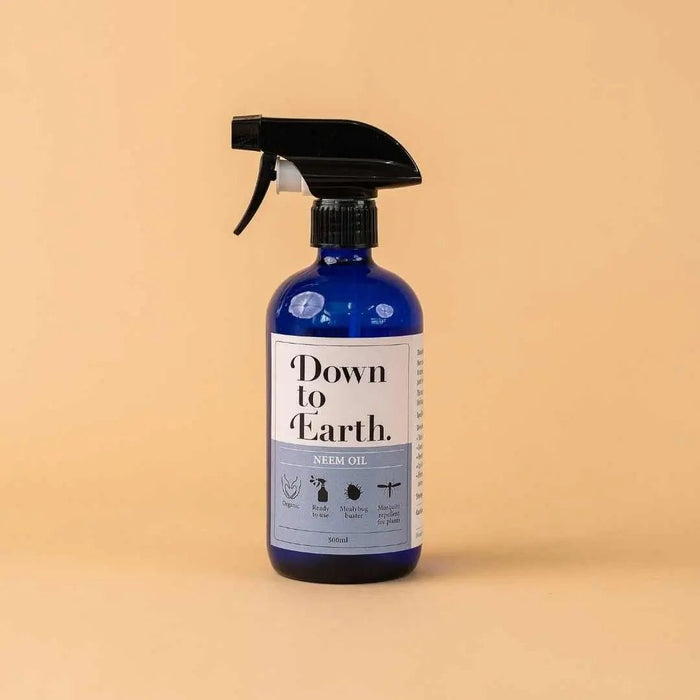
Pests: Common pests on Singapore succulents include mealybugs (white cottony masses at leaf joints) and fungus gnats (from overly moist soil). Treat mealybugs with rubbing alcohol applied directly, or neem oil spray. Reduce watering to address fungus gnats.
---
Shop Succulents and Planters

Browse our full plant collection at Tumbleweed Plants — succulents available individually or in curated arrangement sets.
Looking for plants safe for your pets? Our pet-friendly plant collection includes haworthia and other succulent-adjacent options that are non-toxic.
Need it today? We offer same-day plant delivery across Singapore.
---
Quick summary
Key Takeaways
- Why Indoor Succulent Gardens Fail
- What You Need
- Choosing Succulents for a Singapore Arrangement
- Step-by-Step: Planting the Arrangement
- Care for Your Succulent Arrangement in Singapore
- Singapore-Specific Tips
Ready to bring some green into your home?
Browse 250+ hand-picked plants, curated for Singapore homes — delivered to your door.
Browse All Plants →