
























Why Your Houseplants Are Leggy (And How to Fix It)
Posted on April 17 2026
In this article

Thumbnail image: `leggy-houseplants-fix-thumbnail.jpg` — 1200×628px | Alt: "Leggy etiolated pothos stretching toward a window in a Singapore HDB flat"
---
Leggy plants — with long, stretched stems, wide gaps between leaves, and a sparse, reaching appearance — are one of the most common signs that something is off in your plant's environment. The good news: the cause is almost always the same, and the fix is usually straightforward once you understand what's actually happening.
In Singapore, legginess is a year-round concern rather than a seasonal one. With no winter to reset expectations, leggy growth can develop slowly and go unnoticed — until one day you realise your pothos looks more like a fishing line than a plant.
---
What "Leggy" Actually Means
Legginess (technically called etiolation) is a plant's response to insufficient light. When a plant isn't getting enough light to photosynthesize efficiently, it enters a mode of desperate reaching — it extends stems rapidly, spaces leaves further apart, and allocates energy toward growing toward any available light source.
The visual result:
- Long, thin stems with exaggerated gaps between leaves (wide internodal spacing)
- Leaves that are smaller than normal and often pale green
- The whole plant leaning or stretching toward the nearest window
- A sparse, open appearance instead of the full, dense growth you'd expect
What's happening physiologically: The plant is producing auxin (a growth hormone) that drives cell elongation in response to low light signals. It's a survival mechanism that works in the wild — a seedling in deep shade needs to reach the canopy — but indoors it just makes plants look unhealthy.
---
The Most Common Causes

1. Insufficient Light (By Far the Most Common)
The vast majority of leggy indoor plants simply aren't getting enough light. This happens more than people expect because:
- Distance from windows matters dramatically. Light intensity decreases with the square of the distance — a plant 6 feet from a window receives roughly one-quarter the light of a plant 3 feet away. What feels like "near a window" to a human may be severely dim for a plant.
- Window orientation matters. In Singapore, north-facing windows provide limited, low-intensity light. East windows get gentle morning light; west windows get stronger afternoon light. Most plants do well near east-facing windows in HDB flats.
- Singapore-specific: interior HDB rooms. Deeply inset HDB layouts often have rooms with no direct window access. Plants placed in corridors or room corners far from windows will almost always become leggy without grow light supplementation.
- Obstructions reduce light. Overhanging corridor awnings, neighbouring blocks, and even dirty windows reduce the light reaching plants.
---
2. Wrong Plant for the Available Light
Some plants simply need more light than a given space can provide. Placing a sun-loving cactus in a north-facing HDB room, or a high-light variegated plant in a dim corridor, will always produce leggy growth — regardless of how well everything else is managed.
---
3. Air-Conditioning vs. Light Conflict
A common Singapore-specific issue: the best spots for air-conditioning (interior rooms, closed spaces) are often the darkest. Plants that are comfortable temperature-wise in an aircon room may still be starved of light and becoming leggy as a result.
---
How to Fix Leggy Growth
Step 1: Address the Light First
Move the plant closer to a window. This is the first and most impactful action. Even a few feet closer to a bright window makes a measurable difference.
Add a grow light. For plants in Singapore HDB rooms or condos that can't be close to windows, a full-spectrum LED grow light provides supplemental light that prevents and reverses etiolation. Position 6–12 inches above the plant canopy and run 12–14 hours daily.
Rotate the plant. Plants grow toward their light source. Regular rotation (90° every 1–2 weeks) distributes growth more evenly, preventing one-sided leaning.
Step 2: Prune the Leggy Growth
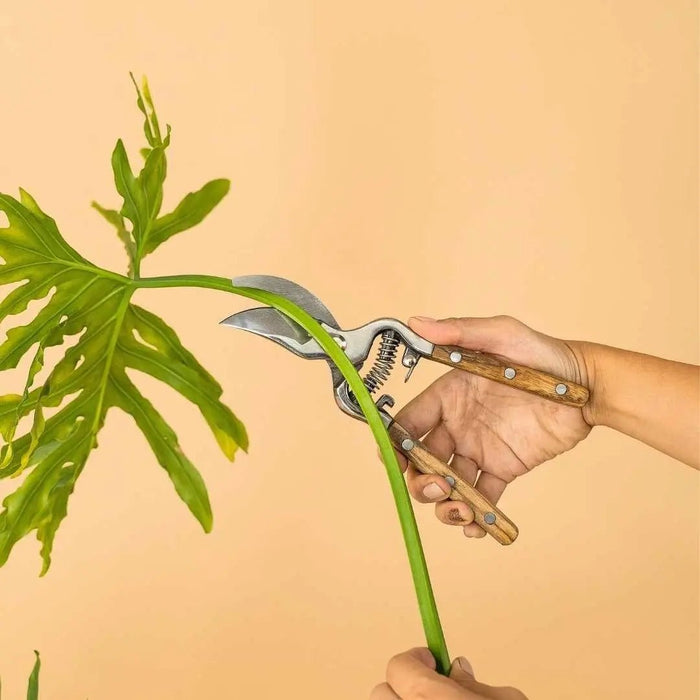
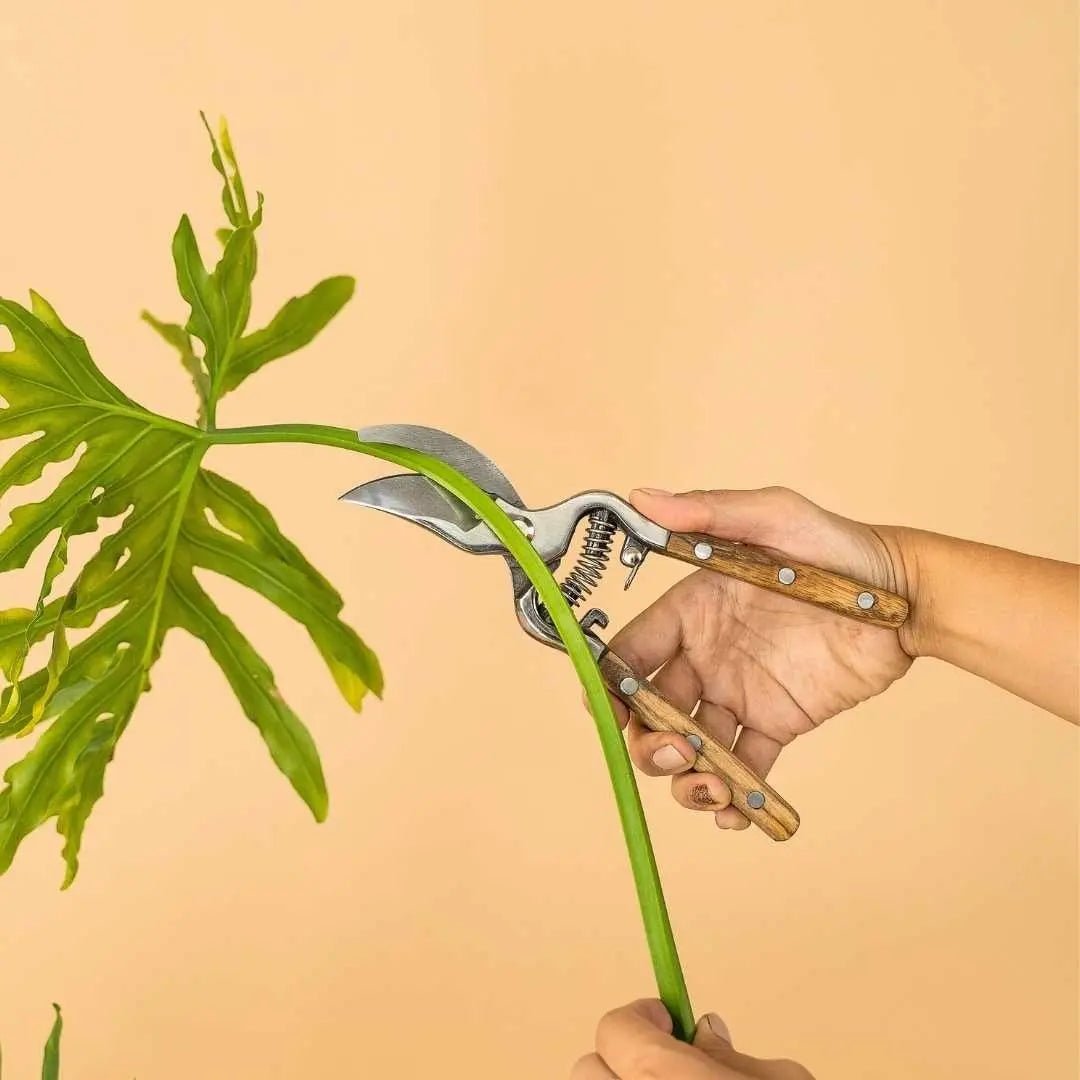
Once you've addressed the light, prune back the stretched stems to improve the plant's shape. This does two things: removes the aesthetically unpleasing leggy growth, and triggers the plant to branch below the cut, producing new growth that will be compact and normal-looking in the improved light conditions.
How to prune:
- Cut leggy stems back to just above a node (the point where a leaf attaches)
- The node below the cut will produce one or more new shoots
- Multiple pruned stems create multiple new shoots — making the plant fuller
Use sharp, clean scissors or pruning shears. Cut at a slight angle just above the node.
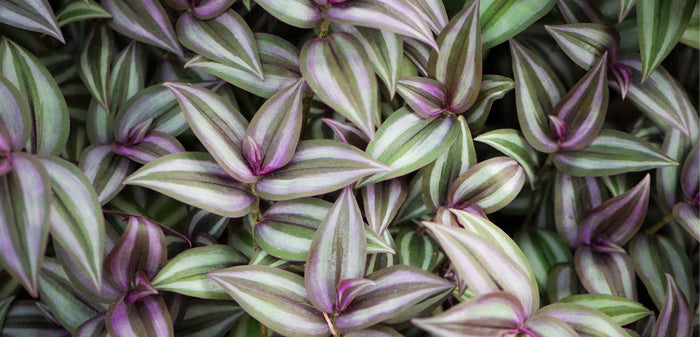
Use the cuttings: Leggy stem cuttings from plants like pothos, philodendron, and tradescantia root readily in water. The cutting itself may be spindly, but once rooted in better light conditions, new growth from the cutting will be normal.
Step 3: Be Patient
New growth after pruning emerges in better light conditions than the original leggy growth. It will look different — shorter internodal spacing, larger and more normal-shaped leaves. This is proof the problem is being corrected.
In Singapore's warm climate, you'll often see new growth emerge within 1–2 weeks of pruning — faster than growers in temperate climates experience.
The old leggy growth is gone; the plant's future is compact.
---
Plant-Specific Leggy Growth Notes

Succulents and cacti: These are extremely responsive to light deprivation. A succulent in insufficient light etiolates dramatically — the top cone elongates, pale and soft, in a completely different direction from the tight, compact rosette form of the healthy plant. This damage is irreversible on the stretched section. Cut it off and propagate the rosette top in bright light. In Singapore, place succulents near the brightest available window or outdoors on a sheltered balcony.
Pothos and philodendrons: Long bare stems with leaves only at the tips. Prune back and propagate freely — these root so easily the cuttings become new plants with no effort. In Singapore's warmth, water propagation works especially fast.
Monstera deliciosa: New leaves emerge small and without fenestrations in low light. Moved to bright light, subsequent leaves will be larger and develop splits. The previously produced small leaves don't change, but the trajectory does.
Peperomia: Stretched stems that lean heavily toward the window. Prune to the base of the leggy stems; new compact growth emerges from lower nodes.
---
Prevention
The best approach to leggy growth is ensuring plants are placed where they have adequate light from the start:
- Research the light needs of any plant before buying
- Measure or assess your light levels honestly — not optimistically
- Use grow lights for any space in your Singapore HDB or condo that can't provide adequate natural light
- Rotate plants regularly to prevent directional leaning
- Be realistic about interior rooms — plants that need bright light simply cannot thrive far from windows without artificial supplementation
A well-lit plant is a compact, vigorous, full-looking plant. Legginess isn't a character trait — it's the plant asking for something it needs.
---
Quick summary
Key Takeaways
- What "Leggy" Actually Means
- The Most Common Causes
- How to Fix Leggy Growth
- Plant-Specific Leggy Growth Notes
- Prevention
Ready to bring some green into your home?
Browse 250+ hand-picked plants, curated for Singapore homes — delivered to your door.
Browse All Plants →