

























Year-Round Plant Care Checklist: 10 Things to Do Right Now
Posted on April 17 2026
In this article

- 1. Resume (or Start) Regular Fertilizing
- 2. Adjust Watering for the Season
- 3. Assess Light in Your Space
- 4. Repot Root-Bound Plants
- 5. Inspect Every Plant for Pests
- 6. Prune for Shape and New Growth
- 7. Clean the Leaves
- 8. Refresh Topsoil
- 9. Take Stock of What's Not Thriving
- 10. Plan New Additions
- The Singapore Plant Care Mindset
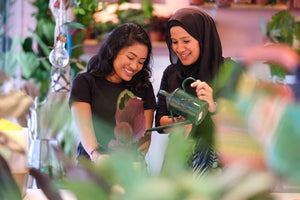
Thumbnail image: `plant-care-checklist-thumbnail.jpg` — 1200×628px | Alt: "Collection of thriving houseplants on a bright Singapore HDB windowsill — plant care checklist"
---
In temperate climates, spring is the trigger for action — the moment plants shift out of winter dormancy. In Singapore, we don't have that seasonal reset. Our tropical climate means plants can grow (and have problems) year-round. That's actually an advantage: no waiting, no dormant period, no seasonal rush. But it also means plant care needs attention on an ongoing basis rather than once a year.
Whether you've just brought home new plants, or you want to give your existing collection a full assessment, here are the ten things to do right now — in roughly priority order.
---
1. Resume (or Start) Regular Fertilizing
Unlike temperate growers who pause fertilizing in winter, Singapore plant owners can — and should — fertilize year-round. If you've slipped out of the habit, now is the time to restart. Plants actively growing in our warm climate need consistent nutrients to support new root and leaf development.
When: As soon as you see new growth — a small leaf unfurling, a new stem emerging, visible root tips at the drainage holes.
What: Balanced liquid fertilizer at half the label dose. For flowering plants, switch to a phosphorus-forward formula.
Frequency: Once a month, every month of the year.
---
2. Adjust Watering for the Season

Singapore's wet and dry seasons affect how quickly soil dries. During drier months (February–April, June–September), soil dries faster and plants may need watering more frequently. During the monsoon season (November–January), higher humidity means soil stays moist longer.
Don't adjust mechanically — keep checking soil moisture before every watering. The goal is always: water when the top inch is dry, not on a fixed schedule.
Watch for: Plants near air-conditioning units drying out much faster than the rest of your collection, regardless of season.
---
3. Assess Light in Your Space
Singapore's sun angle doesn't change dramatically with seasons the way temperate countries experience, but it's worth walking through your home and noting which windows receive direct versus indirect light at different times of day.
- East-facing windows: gentle morning sun — ideal for most tropical houseplants
- West-facing windows: intense afternoon sun — good for succulents and cacti; potentially harsh for shade-lovers
- North-facing: gentle, consistent indirect light year-round
- South-facing: generally bright; suitable for most plants with some filtering
Move plants that are in direct afternoon sun they can't tolerate. Move sun-loving plants to brighter positions if they've been in low light.
---
4. Repot Root-Bound Plants

In Singapore's warm climate, plants grow faster and become root-bound sooner than in temperate countries. There's no single best season to repot here — any time the plant is actively growing works well, which means almost any time of year.
Check for root-bound conditions:
- Roots emerging significantly from drainage holes
- Water running straight through without absorbing
- Plant that hasn't grown despite good care and adequate light
Repot into a pot 1–2 inches larger with fresh potting mix. Fast growth in Singapore means plants may need repotting every 12–18 months rather than the 2–3 year cycle temperate growers follow.
---
5. Inspect Every Plant for Pests
Singapore's warm, humid climate is as ideal for plant pests as it is for the plants themselves. Spider mites, mealybugs, scale, and fungus gnats are common year-round — not just in a particular season. Catching an infestation early is dramatically easier than treating a full outbreak.
Inspect: Leaf undersides, stem junctions, new growth tips (aphids prefer tender new growth), and soil surface (fungus gnats).
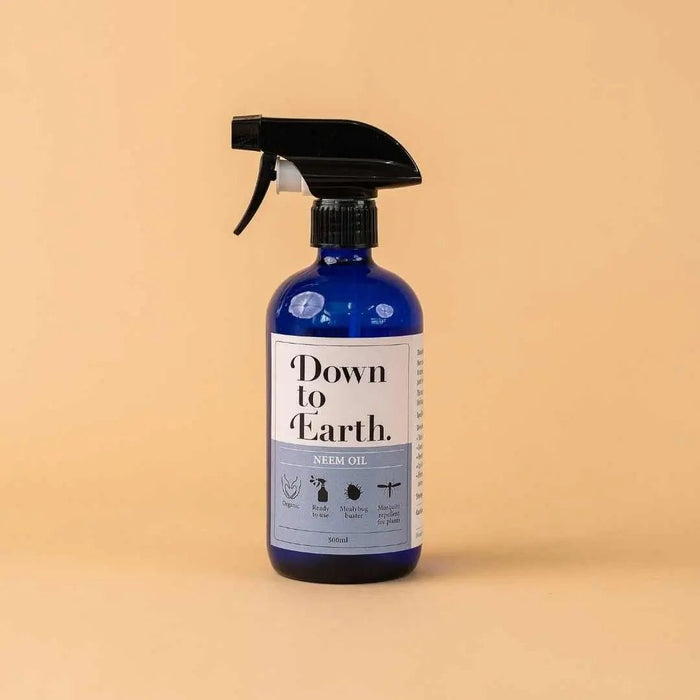
Treat immediately if you find anything: isolate the plant and apply neem oil spray or insecticidal soap.
Singapore-specific: High humidity can encourage fungal issues — check for powdery mildew or leaf spots, particularly on plants with limited airflow.
---
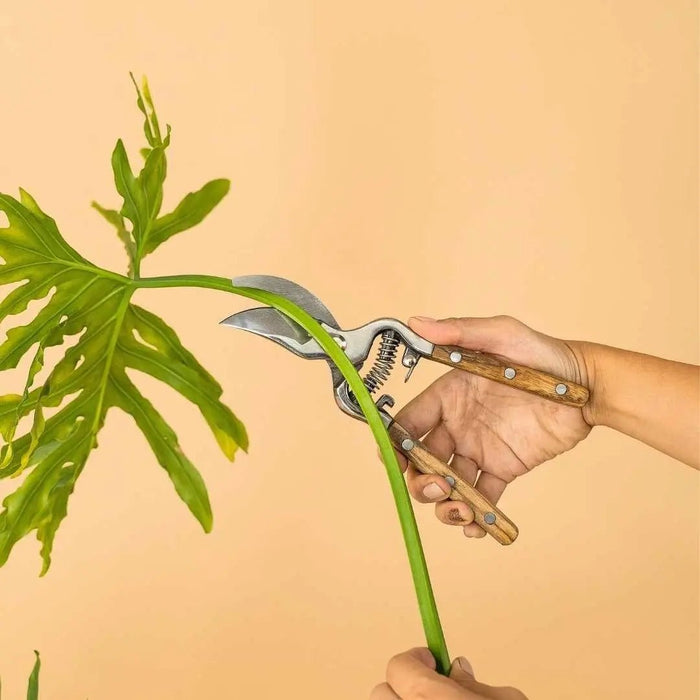
6. Prune for Shape and New Growth

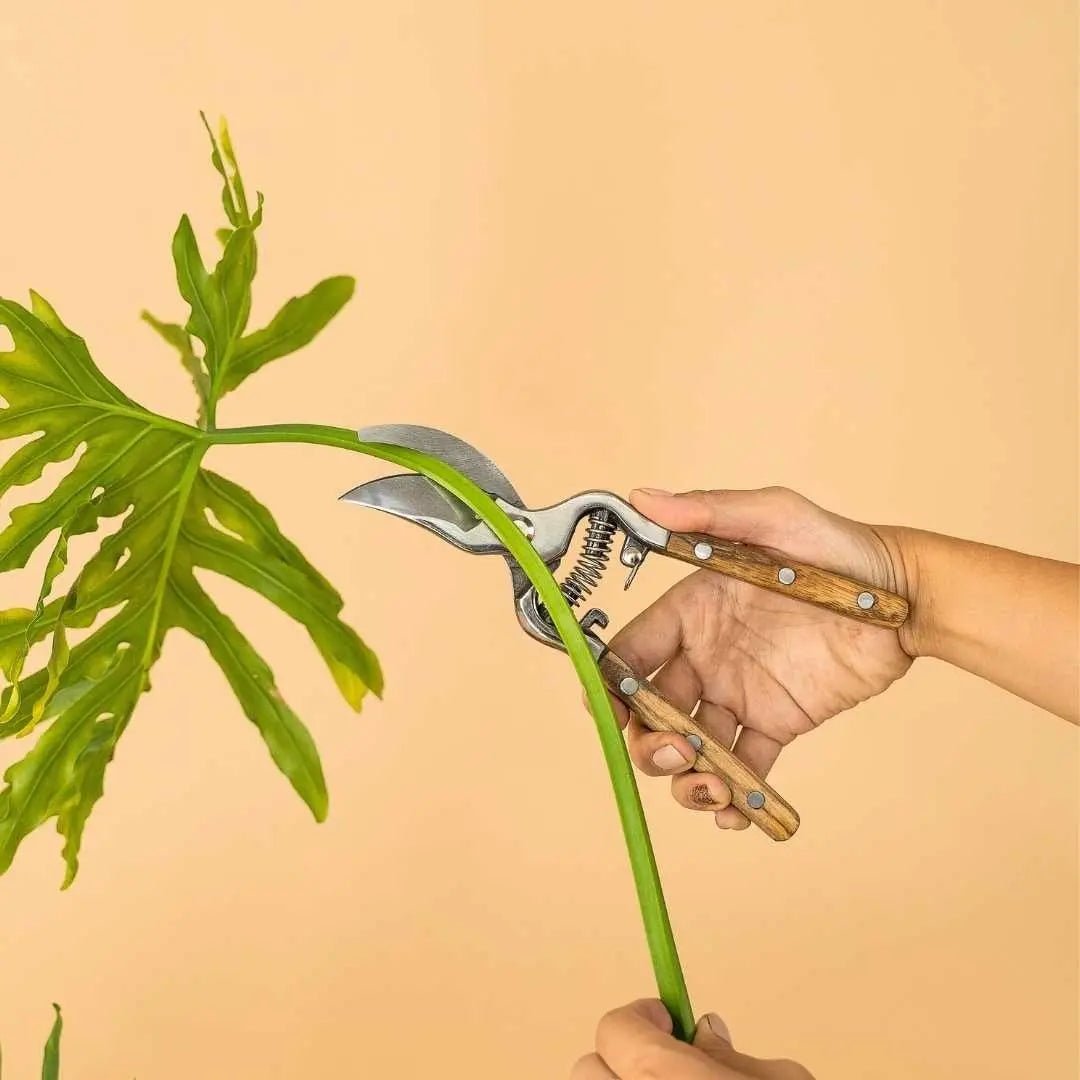
Singapore's year-round growing season means pruning can be done at any time. Plants respond to pruning with vigorous new growth in our climate within weeks. What to prune:
- Leggy stems from insufficient light — cut back to a node; new growth will emerge below
- Dead or damaged leaves — remove promptly to prevent fungal spread in our humid air
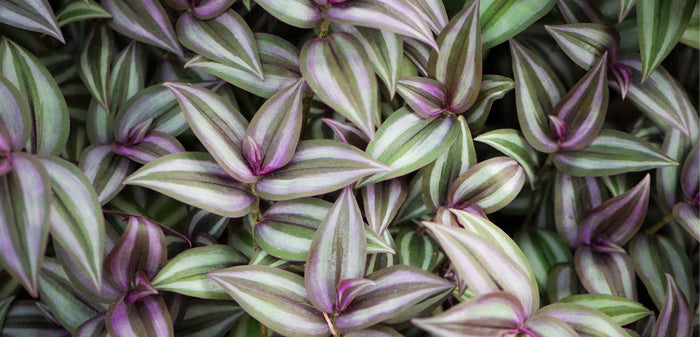
- Overgrown trailing plants (pothos, philodendrons, tradescantia) — trim for fullness; propagate the cuttings
- Woody or bare stems on older plants — hard pruning triggers the strongest regrowth response
---
7. Clean the Leaves
Dust and urban pollutants (more of a factor in Singapore's urban environment) accumulate on leaves and reduce photosynthetic efficiency. Cleaning leaves isn't just cosmetic — it measurably improves plant health.
- Wipe large smooth leaves (monstera, rubber plant, peace lily) with a damp microfiber cloth
- Rinse small-leaved plants (pothos, spider plants) in the sink or shower
- Use a soft brush on fuzzy or textured plants
- Don't use leaf-shine products — they can clog stomata
Inspect leaf undersides as you clean — dual-purpose task that catches pest problems early.
---
8. Refresh Topsoil
Even if plants don't need full repotting, the top inch or two of old potting mix becomes compacted and depleted over time. In Singapore, this happens faster due to year-round active growth depleting nutrients quickly.
- Remove the top 1–2 inches of old potting mix
- Replace with fresh potting mix amended with a small amount of worm castings or slow-release fertilizer
- Water in gently
This restores some nutrient content and improves surface drainage without the stress of full repotting.
---
9. Take Stock of What's Not Thriving
Singapore's climate is forgiving for most tropical plants, but some plants struggle in specific conditions — heavy air-conditioning, low light in interior HDB rooms, or insufficient humidity in certain parts of a condo. Be honest about what's not working:
- Remove dead or unsalvageable plants
- Evaluate plants that are struggling — is it a care issue or a placement issue?
- Note gaps in your collection and plan what to add
- Consider whether plants in dark corners would do better on a grow light
A home with 10 healthy, thriving plants is better than one with 20 plants in various states of decline.
---
10. Plan New Additions
With Singapore's year-round growing season, there's never a bad time to add new plants to your collection. Unlike temperate growers who time purchases for spring, Singapore plant owners can buy and establish new plants in any month. A plant purchased now has optimal conditions to establish roots immediately.
Tumbleweed Plants restocks regularly — browse our current collection to see what's in and what suits your space, light level, and care routine.
---
The Singapore Plant Care Mindset
The advantage of Singapore's tropical climate is that the growing season never ends. Your plants don't go dormant, don't slow down, and don't need a seasonal reset. The work you put into care this week translates directly into growth you'll see within days.
Do these ten things now and you'll spend the coming months enjoying plants that are thriving rather than catching up.
---
Quick summary
Key Takeaways
- 1. Resume (or Start) Regular Fertilizing
- 2. Adjust Watering for the Season
- 3. Assess Light in Your Space
- 4. Repot Root-Bound Plants
- 5. Inspect Every Plant for Pests
- 6. Prune for Shape and New Growth
Ready to bring some green into your home?
Browse 250+ hand-picked plants, curated for Singapore homes — delivered to your door.
Browse All Plants →