




















African Violet Care: How to Keep Them Blooming All Year
Posted on April 17 2026
In this article

Thumbnail image: `african-violet-care-thumbnail.jpg` — 1200×628px | Alt: "African violet plant in full bloom with purple flowers, Singapore home setting"
---
African violets (Saintpaulia) are one of the most rewarding flowering houseplants you can own — capable of blooming almost continuously when given the right conditions. They're also one of the most misunderstood: easy to keep alive, but with a few specific quirks that determine whether they bloom weekly or sit in foliage purgatory indefinitely.
In Singapore's tropical climate, African violets thrive year-round — there's no winter slowdown, no seasonal dormancy to wait out. With consistent warmth and the right care, your African violet can stay in near-constant bloom on your HDB windowsill or condo shelf every month of the year.
This guide covers everything that separates a thriving, ever-blooming African violet from one that just sits there looking green.
---
Why African Violets Are Worth the Attention
Before diving into care, why choose an African violet over easier flowering plants?
- Continuous blooms: A well-cared-for African violet blooms nearly year-round, not just seasonally
- Compact size: They stay small (4–12" diameter) and don't require large floor space
- Range of colors: White, pink, red, purple, lavender, bicolor, ruffled, star-shaped — the variety is extraordinary
- Non-toxic: One of the few popular flowering houseplants that's safe for cats and dogs
- Long-lived: With proper care, African violets can live for decades
- Perfect for Singapore homes: Their compact size makes them ideal for HDB flats and condos with limited floor space
The trade-off is specific care requirements — particularly around water and light — that differ from most tropical houseplants.
---
Light: The #1 Blooming Factor

Ideal: Bright indirect light, 10–14 hours per day
Best window: East or north-facing — gentle, consistent indirect light without direct sun
Avoid: Direct sun (scorches the fuzzy leaves instantly); very low light (plant survives but won't bloom)
In Singapore, our intense equatorial sun means African violets do best away from direct sunlight — a bright HDB corridor window or a spot set back from a west-facing balcony door works beautifully. You don't need the seasonal grow-light supplementation that growers in temperate climates rely on; Singapore's consistent 12-hour days provide natural light duration year-round.
African violets bloom in response to light duration as much as intensity. 12–14 hours of bright indirect light per day triggers reliable blooming. This is why they respond so well to grow lights — you control the duration precisely.
Signs of too much light: Brown patches or bleached areas on leaves (sunburn); leaves turning pale yellow-green
Signs of too little light: Long, stretched leaf stems reaching toward the light; no blooms despite otherwise healthy plant; dark green leaves with minimal flowering
Grow lights: African violets are among the most responsive plants to grow light supplementation. A full-spectrum LED positioned 6–8 inches above the plant for 12–14 hours daily produces consistent, prolific blooming regardless of window placement.
---
Watering: The Rule That Makes or Breaks Them
Frequency: When the top inch of soil is dry — approximately every 7–10 days
African violets have two specific watering rules that differ from most houseplants:
Rule 1: Never get water on the leaves. Water on African violet leaves causes pale, bleached spots or brown rings — permanent marks that don't go away. The fuzzy leaf surface traps water and the damage is cosmetic but irreversible.
How to avoid this:
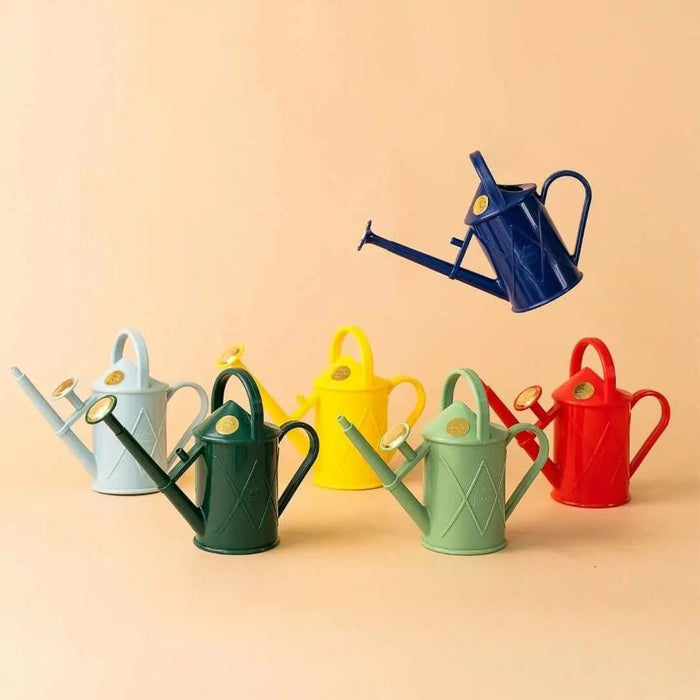
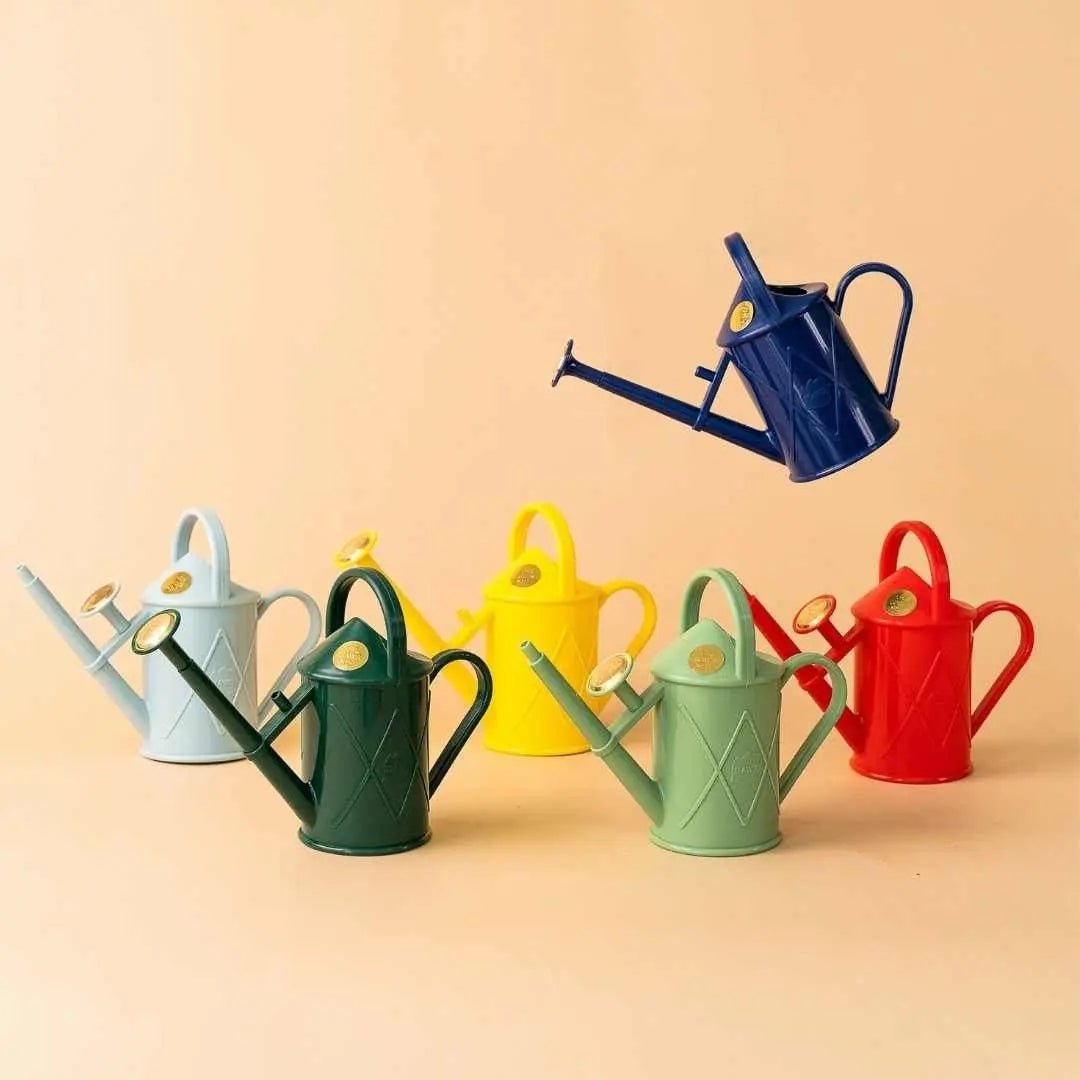
- Water at soil level with a narrow-spouted watering can directed at the soil
- Bottom water: place the pot in a shallow tray of water for 20–30 minutes, let the soil absorb moisture from below, then remove and drain. This is the preferred method.
- Use room-temperature water — cold water on the leaves causes more severe spotting
Rule 2: Use room-temperature water. In Singapore, tap water is already warm enough year-round — no need to let it sit before using.
Overwatering signs: Crown rot (the center growth point turns mushy); yellow, mushy lower leaves; soggy soil that doesn't dry out
Underwatering signs: Wilting leaves that feel limp; very lightweight dry pot; flowers dropping prematurely
---
Soil and Pots
Soil: African violets need light, well-draining, slightly acidic soil. Commercial African violet mix is formulated for this. If mixing your own: 50% peat or coco coir + 30% perlite + 20% vermiculite.
Standard potting mix is too heavy — it holds too much moisture and can cause crown rot.
Pot size: African violets prefer to be slightly root-bound and bloom more reliably in smaller pots. A good rule: the pot diameter should be approximately one-third of the plant's leaf spread. A plant with a 9" leaf spread does well in a 3" pot.
Repot only when visibly root-bound (roots emerging from drainage holes), typically every 1–2 years.
Pot type: Plastic or glazed ceramic retain moisture longer and are better than terracotta for African violets, which prefer consistent moisture.
---
Humidity and Temperature
Ideal humidity: 50–70%
Ideal temperature: 65–75°F (18–24°C) — consistent temperatures without fluctuation
Good news for Singapore plant owners: our ambient humidity and warmth are naturally close to ideal for African violets. You won't need a humidifier or heater. The main watch-out is air-conditioning — if your HDB or condo runs AC continuously, position African violets away from direct cold airflow. A spot near but not directly under the aircon unit works well.
Average home humidity is acceptable, but 50%+ produces more consistent blooming and healthier growth. A pebble tray beneath the pot is helpful without the risk of wetting the leaves.
---
Fertilizing
Frequency: Every 2–4 weeks during active growth
Type: African violet fertilizer (high phosphorus to support blooming) at quarter to half strength
Dedicated African violet fertilizers have a higher phosphorus ratio to support continuous flowering. A balanced fertilizer works but produces less prolific blooms than a phosphorus-forward formula.
Important: Never apply fertilizer to dry soil — it burns roots. Water first, then fertilize.
Because Singapore has no cold winter, African violets here can continue on a regular feeding schedule year-round rather than the winter pause growers in temperate climates follow.
---
Grooming for Continuous Blooms
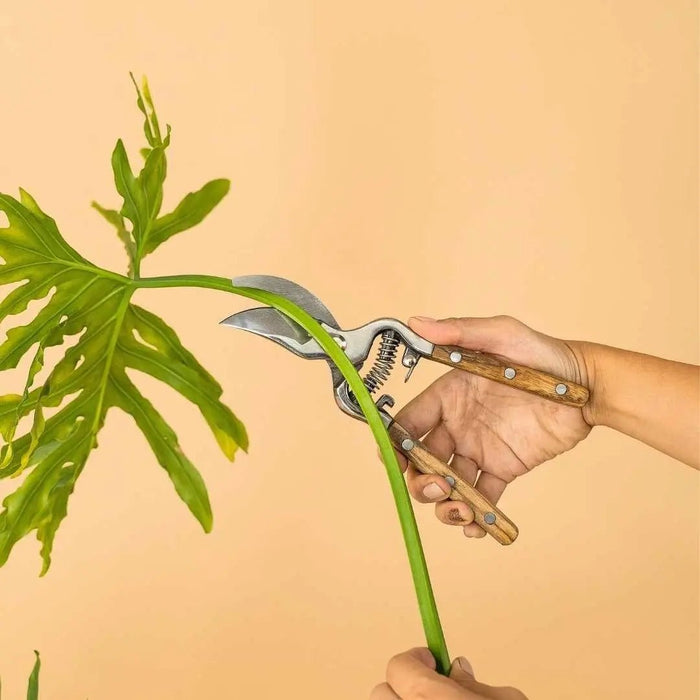
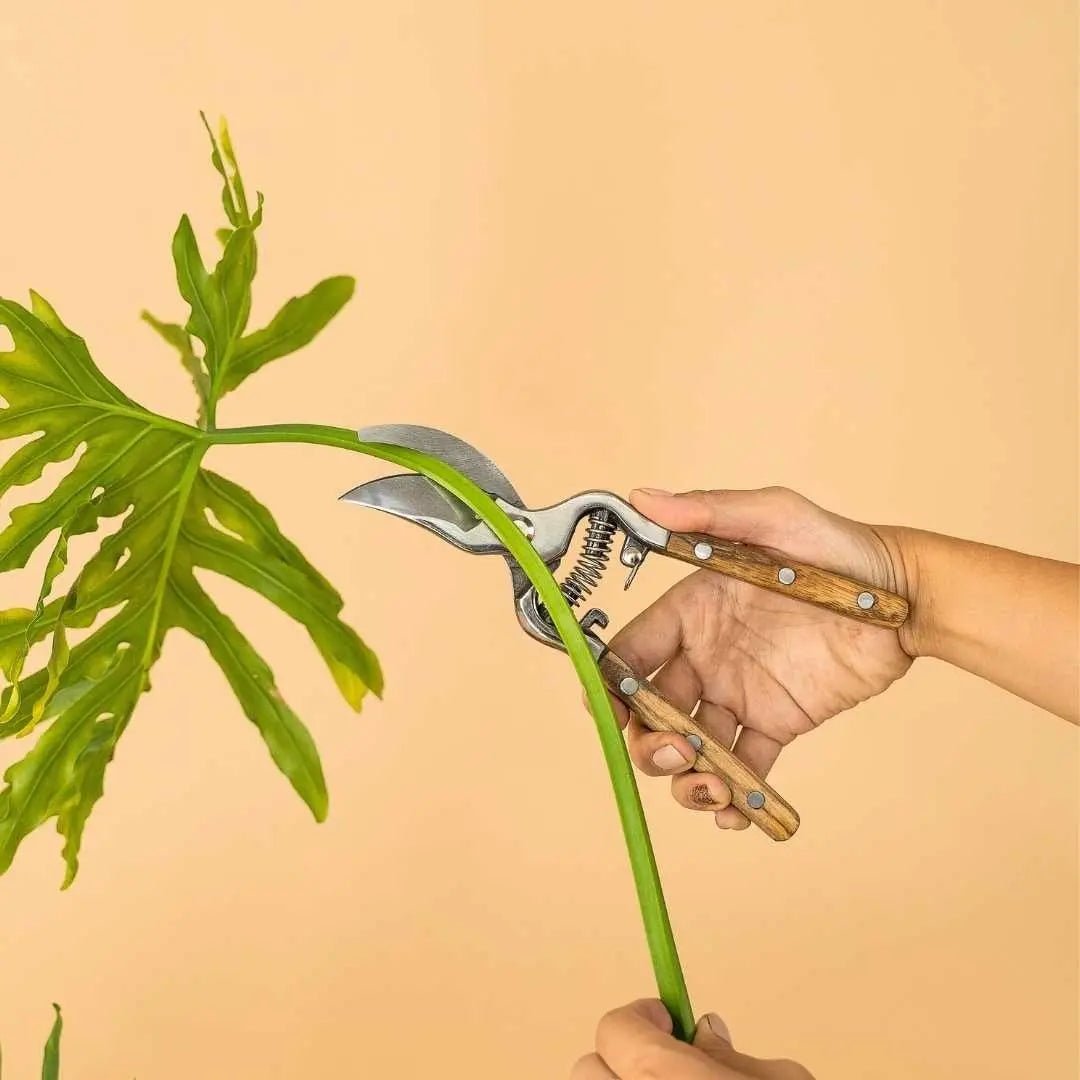
African violets bloom on single stems (peduncles) that emerge from the crown. After flowers fade, remove the entire spent flower stalk by pinching or cutting it at the base — this directs energy toward new flower production rather than seed development.
Also remove any yellow or damaged leaves from the outer ring. This keeps the plant tidy and redirects energy to the center crown where new growth and blooms emerge.
---
Propagating African Violets
African violets are one of the easiest plants to propagate from leaf cuttings:
- Remove a healthy, mature leaf with its petiole (stem) intact — 1–2 inches of stem
- Insert the petiole at a 45° angle into moist African violet mix, burying just the stem
- Cover loosely with a clear plastic bag to maintain humidity
- Keep in bright indirect light; roots and tiny plantlets form in 4–8 weeks
- Once plantlets are large enough to handle, separate and pot individually
One leaf can produce 3–5 new plants. Singapore's warm climate speeds up rooting — you may see results closer to the 4-week end of that window.
---
Common Problems
No blooms despite healthy plant: Insufficient light (increase duration or intensity) or too large a pot (move to smaller pot)
Brown leaf spots: Water on leaves or cold water contact — switch to bottom watering with room-temperature water
Crown rot (mushy center): Overwatering or water in the crown — let dry; remove rotted tissue; reduce watering; ensure crown stays dry when watering
Powdery mildew: Poor air circulation and high humidity. In Singapore's humid climate, ensure good airflow around the plant — a small fan helps. Treat with diluted neem oil or baking soda solution.
Stretching toward light: Insufficient light duration — add grow light or move to brighter position
---
Quick summary
Key Takeaways
- Why African Violets Are Worth the Attention
- Light: The #1 Blooming Factor
- Watering: The Rule That Makes or Breaks Them
- Soil and Pots
- Humidity and Temperature
- Fertilizing
Ready to bring some green into your home?
Browse 250+ hand-picked plants, curated for Singapore homes — delivered to your door.
Browse All Plants →