















African Violet Care Guide Singapore: How to Grow and Flower Saintpaulia Indoors
Posted on April 09 2026
In this article
# African Violet Care Guide Singapore: How to Grow and Flower Saintpaulia Indoors | Tumbleweed Plants Singapore

The African Violet (Saintpaulia) is one of the most rewarding flowering houseplants you can grow in Singapore. While most indoor flowering plants struggle with our intense heat or low indoor light, African Violets thrive in the moderate conditions found inside our air-conditioned homes and offices. Their fuzzy, rounded leaves and clusters of purple, pink, white, or bi-coloured flowers add a charm that purely foliage plants cannot match.
Better still, with the right care, African Violets can flower almost continuously — giving you blooms for months on end.
Why African Violets Work Well in Singapore
African Violets originate from the cloud forests of East Africa, where they grow in filtered light, moderate temperatures, and consistent humidity. Surprisingly, the inside of a typical Singapore air-conditioned apartment comes close to these conditions:
- Temperature: They prefer 18-27°C — standard aircon range in Singapore
- Light: Bright indirect light, which east and north-facing windows provide
- Humidity: They like 50-70% — easy to achieve even in aircon rooms with minimal effort
- Size: Compact enough for windowsills, desks, and small shelves
Light Requirements

Light is the single biggest factor in getting your African Violet to flower.
Ideal Light
- Bright indirect light for 10-14 hours daily
- East-facing windowsill — gentle morning sun is perfect
- North-facing window — good consistent light without direct sun
- Fluorescent or LED desk lamps — African Violets respond well to artificial light
Signs of Light Problems
- No flowers: Not enough light. Move closer to a window or add supplemental lighting.
- Leggy, reaching growth: Too little light. The plant stretches toward the nearest light source.
- Brown spots on leaves: Too much direct sun. Singapore afternoon sun through west-facing windows will burn them.
- Pale or bleached leaves: Excessive light exposure.
The Quarter-Turn Trick
African Violets grow toward light, which can create lopsided growth. Every time you water, rotate the pot a quarter turn. Over time, this produces a symmetrical, round plant.
Watering: The Critical Skill
Watering is where most people struggle with African Violets. The key rule: never get water on the leaves.
Bottom Watering (Recommended)
- Fill a saucer or shallow container with room-temperature water
- Place the pot in the water
- Let the plant absorb water through the drainage holes for 20-30 minutes
- Remove from the water and let excess drain
- Empty the saucer so the plant does not sit in standing water
Top Watering (Careful Approach)
If you prefer top watering:
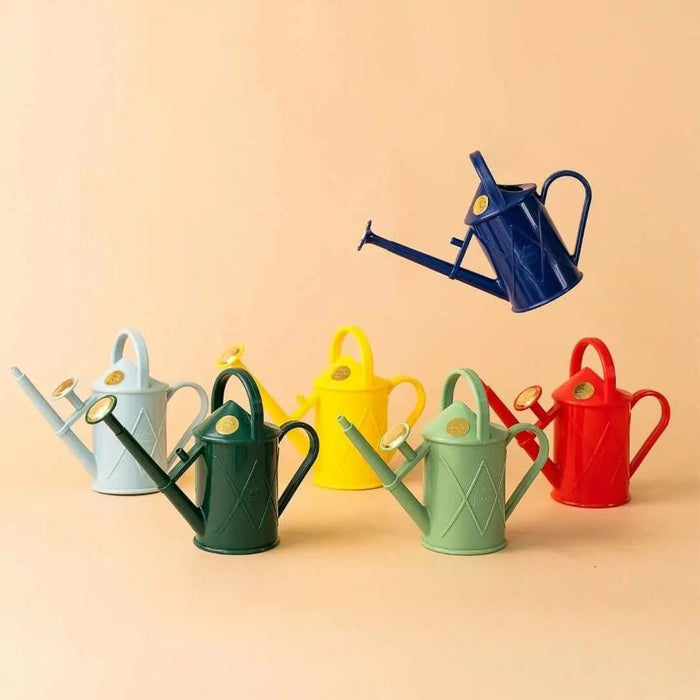
- Use a narrow-spouted watering can
- Direct water onto the soil surface only
- Avoid splashing leaves — water droplets on fuzzy leaves cause brown spots
- Water at room temperature — cold water causes leaf spotting
Watering Schedule
In Singapore:
- Air-conditioned rooms: Every 5-7 days
- Non air-conditioned rooms: Every 4-6 days
- Rule: Water when the top layer of soil feels dry to the touch, but before the plant wilts
Water Temperature
This matters more than most people realise. Cold water (directly from the tap in air-conditioned kitchens) can shock the roots and cause leaf spots. Let water sit at room temperature for 30 minutes before using, or use water that has been standing in a jug.
Soil Requirements

African Violets need light, airy soil that drains well while retaining some moisture:
Recommended mix:
- 50% peat moss or coco coir
- 25% perlite
- 25% vermiculite
Commercial African Violet potting mixes are available and work well in Singapore. Avoid standard potting soil, which is too heavy and retains too much moisture.
Pot Selection
- Size: African Violets prefer being slightly pot-bound. The pot should be about one-third the diameter of the leaf spread.
- Material: Plastic pots retain moisture longer; terracotta dries faster. Both work in Singapore.
- Drainage: Absolutely essential. Never use pots without drainage holes.
- Self-watering pots: Excellent for African Violets — they provide consistent bottom moisture without leaf wetting.
Fertilising for Continuous Blooms
Regular feeding is essential for keeping your African Violet flowering:
- Type: Use a balanced African Violet fertiliser or a general-purpose liquid fertiliser (20-20-20) diluted to quarter strength
- Frequency: Every watering (the "weakly weekly" method — dilute fertiliser with every watering)
- Alternative: Full-strength fertiliser once a month
- During rest periods: If the plant stops flowering, reduce fertiliser for a few weeks
Phosphorus Boost
To encourage more blooms, occasionally use a fertiliser higher in phosphorus (the middle number). This signals the plant to produce more flowers.
Humidity Management
African Violets like 50-70% humidity. In Singapore:
- Non aircon rooms: Humidity is typically fine at 70-90%
- Air-conditioned rooms: May drop to 40-50%. Group African Violets together, use pebble trays, or mist the air around (not on) the plants.
Temperature
African Violets dislike temperature extremes:
- Ideal: 20-26°C
- Acceptable: 18-28°C
- Avoid: Temperatures above 30°C for extended periods (keep out of direct sun and non-aircon rooms on very hot days)
- Drafts: Keep away from direct aircon vents and open windows with strong breezes
Getting Your African Violet to Flower
If your African Violet has healthy foliage but refuses to bloom:
- More light: This is the most common cause of no flowers. Move closer to a window or add a desk lamp.
- Right fertiliser: Switch to a higher-phosphorus formula.
- Remove suckers: Small side plantlets that grow from the base steal energy from flowering. Gently remove them.
- Temperature range: A slight drop in night temperature (which naturally occurs in air-conditioned Singapore bedrooms) can trigger flowering.
- Patience: Young plants may take several months to begin flowering.
Grooming and Maintenance
Removing Spent Blooms
Pinch off faded flowers at the base of the flower stem. This redirects energy to producing new blooms rather than setting seed.
Removing Old Leaves
Bottom leaves naturally age and die. Remove them by gently snapping or cutting at the base. This keeps the plant looking tidy and prevents rot.
Cleaning Leaves
Dust accumulates on the fuzzy leaves. Gently brush with a soft, dry paintbrush. Avoid using water or leaf shine products on the leaves.
Propagation
African Violets are easy to propagate from leaf cuttings:
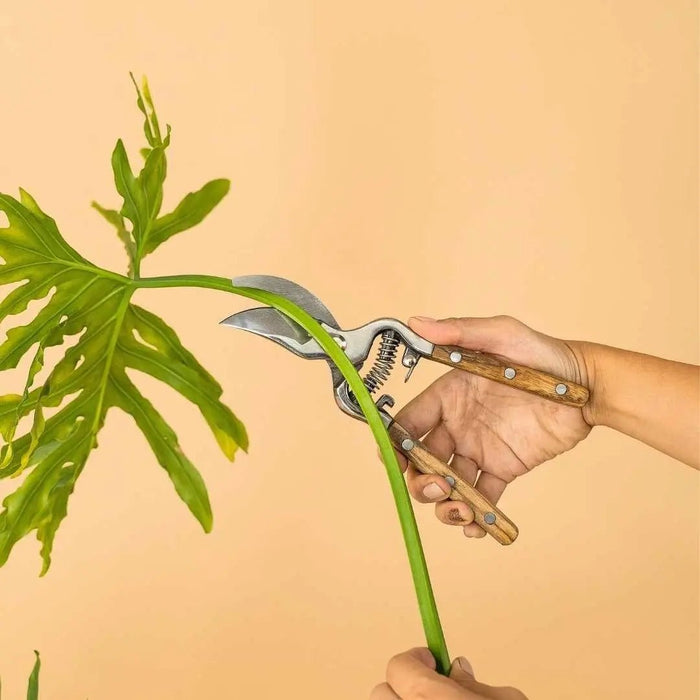
- Select a healthy, mature leaf from the middle ring of the plant
- Cut the stem at a 45-degree angle, about 3cm long
- Insert the stem into moist propagation mix (perlite and vermiculite)
- Cover with a clear plastic bag to maintain humidity
- Place in bright indirect light
- In 4-8 weeks, tiny plantlets will emerge at the base of the leaf
- When plantlets have 3-4 leaves, separate and pot individually
In Singapore's warm, humid conditions, propagation success rates are high.
Common Problems
Crown Rot
Caused by water sitting in the centre of the plant. Prevent by bottom watering and ensuring the crown stays dry. If you spot soft, mushy centre leaves, it may be too late — but try removing affected leaves and letting the plant dry out.
Powdery Mildew
A white, powdery coating on leaves. More common in humid conditions with poor air circulation. Improve ventilation and treat with a fungicide if needed.
Leaf Spots
Brown or yellow rings on leaves, usually caused by cold water splashing on them. Always use room-temperature water and bottom water when possible.
Mealybugs
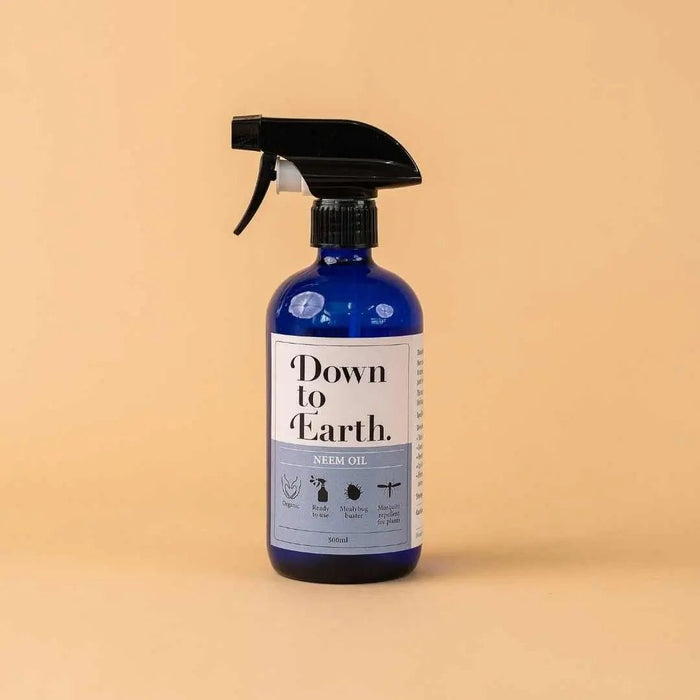
White, cottony clusters in leaf joints and on the underside of leaves. Treat with rubbing alcohol applied with a cotton swab, or use neem oil.
The African Violet is available at Tumbleweed Plants with delivery across Singapore. A perfect flowering companion for desks, windowsills, and shelves.
Quick summary
Key Takeaways
- Why African Violets Work Well in Singapore
- Light Requirements
- Watering: The Critical Skill
- Soil Requirements
- Fertilising for Continuous Blooms
- Humidity Management
Ready to bring some green into your home?
Browse 250+ hand-picked plants, curated for Singapore homes — delivered to your door.
Browse All Plants →