


















Adenium Desert Rose Care Singapore: Your Complete Growing Guide
Posted on April 09 2026
In this article
# Adenium Desert Rose Care Singapore: Your Complete Growing Guide | Tumbleweed Plants Singapore

The Adenium Desert Rose is one of the most striking flowering plants you can grow in Singapore. With its swollen caudex (that distinctive thick, bulbous trunk), glossy dark green leaves, and vibrant trumpet-shaped flowers in shades of pink, red, and white, it brings a sculptural drama to any sunny balcony or windowsill. Originally from the arid regions of Africa and the Arabian Peninsula, the adenium has adapted surprisingly well to Singapore's tropical climate — though it does require a different approach than most of the tropical houseplants you might be used to.
Why Adenium Works in Singapore
At first glance, you might think a desert plant would struggle in humid, rainy Singapore. But adeniums are actually well-suited to our climate for several reasons:
- Heat lovers: They thrive in temperatures above 25°C, and Singapore delivers that year-round
- Sun seekers: Our intense tropical sunlight is exactly what they need to flower prolifically
- Adaptable: While they originate from dry climates, they have been successfully cultivated across Southeast Asia for decades
- Drought tolerant: They store water in their caudex, making them forgiving if you forget to water
The key difference from caring for typical tropical houseplants is that adeniums need much less water and much more sun.
Sunlight Requirements

This is where adeniums diverge sharply from most indoor plants. They need full direct sunlight — the more, the better.
Ideal placement:
- West-facing balcony (afternoon sun)
- South-facing windowsill
- Any outdoor spot receiving 6+ hours of direct sun daily
Minimum: 4-5 hours of direct sunlight. Below this, your adenium will survive but rarely flower.
Indoor growing: Adeniums are not ideal indoor plants unless you have a very bright, sun-drenched window. If you want flowers — which is the main attraction — they need to be in direct sun.
Important: Unlike most houseplants, adeniums actually welcome Singapore's intense afternoon sun. The hotter and sunnier the spot, the happier your adenium will be.
Watering: Less Is More
Overwatering is the number one killer of adeniums in Singapore. Their caudex stores water, and they are far more tolerant of drought than excess moisture.
Watering Schedule
- Dry season: Water once every 5-7 days
- Rainy season: Reduce to once every 7-14 days, or skip entirely if the plant is outdoors and receiving rain
- Rule of thumb: Let the soil dry out completely between waterings
How to Water
- Check the soil by inserting your finger 3-4cm deep. Water only if completely dry.
- When you water, drench the soil thoroughly until water flows from the drainage holes.
- Ensure the pot drains completely. Never let an adenium sit in standing water.
- Water in the morning so the soil can dry during the day.
Signs of Overwatering
- Soft, mushy caudex (the swollen trunk)
- Yellow leaves dropping rapidly
- Black, rotting roots
- Foul smell from the soil
Signs of Underwatering
- Wrinkled, shrivelled caudex
- Leaves wilting and curling inward
- Slow growth
If the caudex feels soft and squishy, you have likely overwatered. Stop watering immediately, check for root rot, and repot in fresh, dry soil if necessary.
Soil Requirements

Standard potting soil retains too much moisture for adeniums. You need a very well-draining mix:
Recommended mix:
- 40% coarse sand or pumice
- 30% perlite
- 30% quality potting mix
Alternatively, use a cactus and succulent mix with extra perlite added. The goal is a mix that drains almost immediately when watered.
Pot Selection
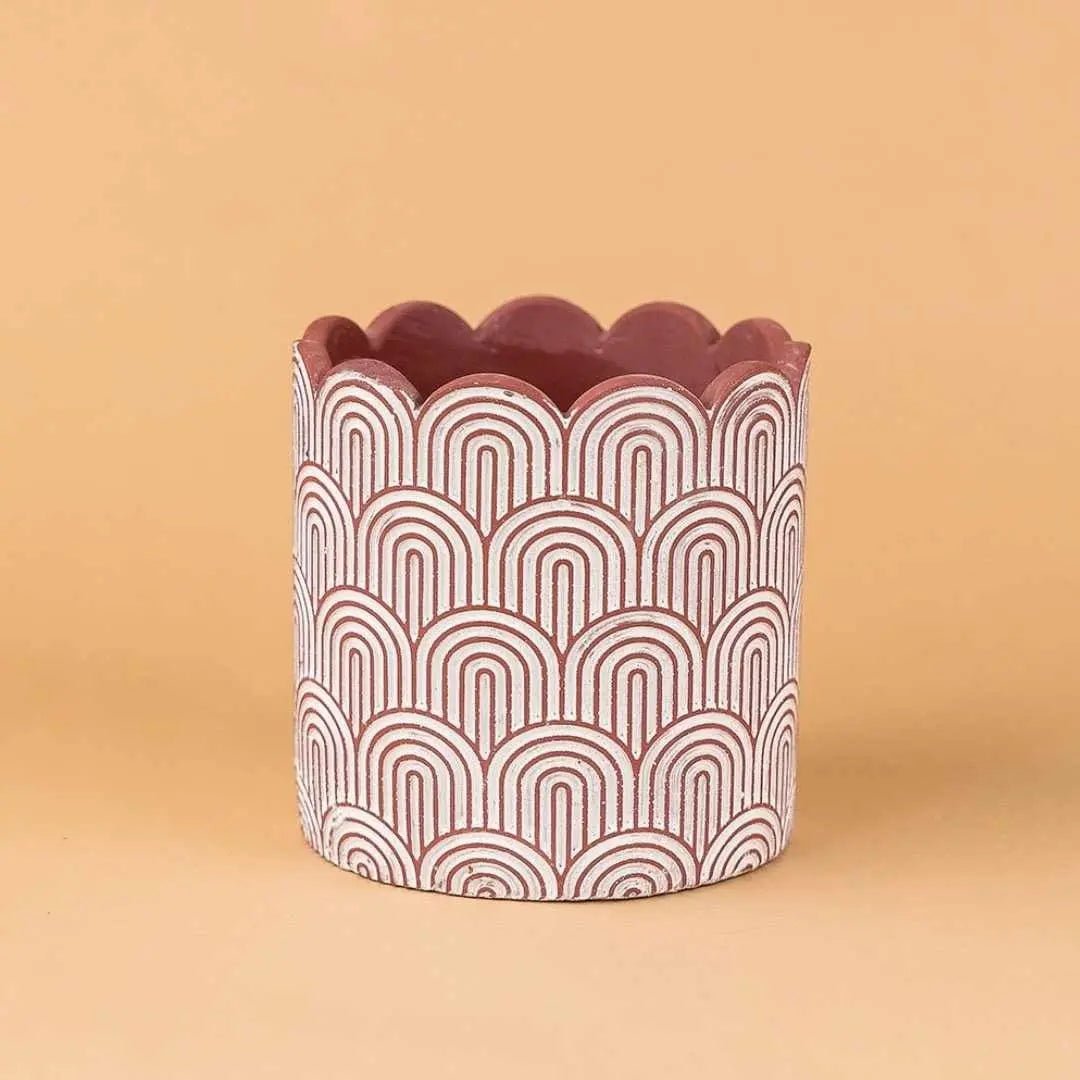
- Always use pots with drainage holes — this is non-negotiable for adeniums
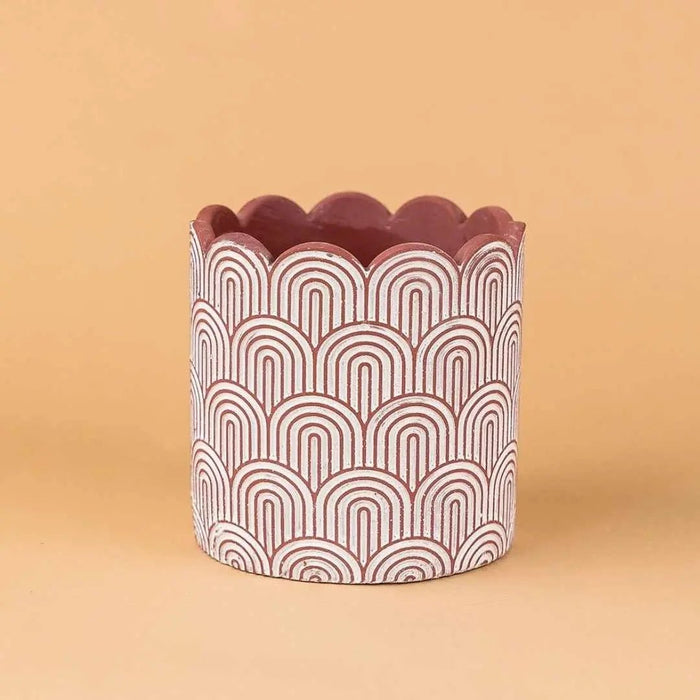
- Terracotta or unglazed ceramic pots are ideal because they breathe and wick away excess moisture
- Choose a pot slightly larger than the caudex — adeniums do not need deep pots
- Shallow, wide pots show off the caudex beautifully
Fertilising for Maximum Flowers
To get your adenium flowering regularly in Singapore:
- Type: Use a fertiliser higher in phosphorus (the middle number in NPK ratios). Something like 10-30-20 encourages flowering.
- Frequency: Every 2-3 weeks during the active growing season
- Dilution: Half strength to avoid salt buildup
- Method: Water-soluble fertiliser applied during your regular watering
During periods of heavy rain (November-January monsoon season), reduce fertilising as the plant's growth may slow due to reduced sunlight.
Pruning and Shaping

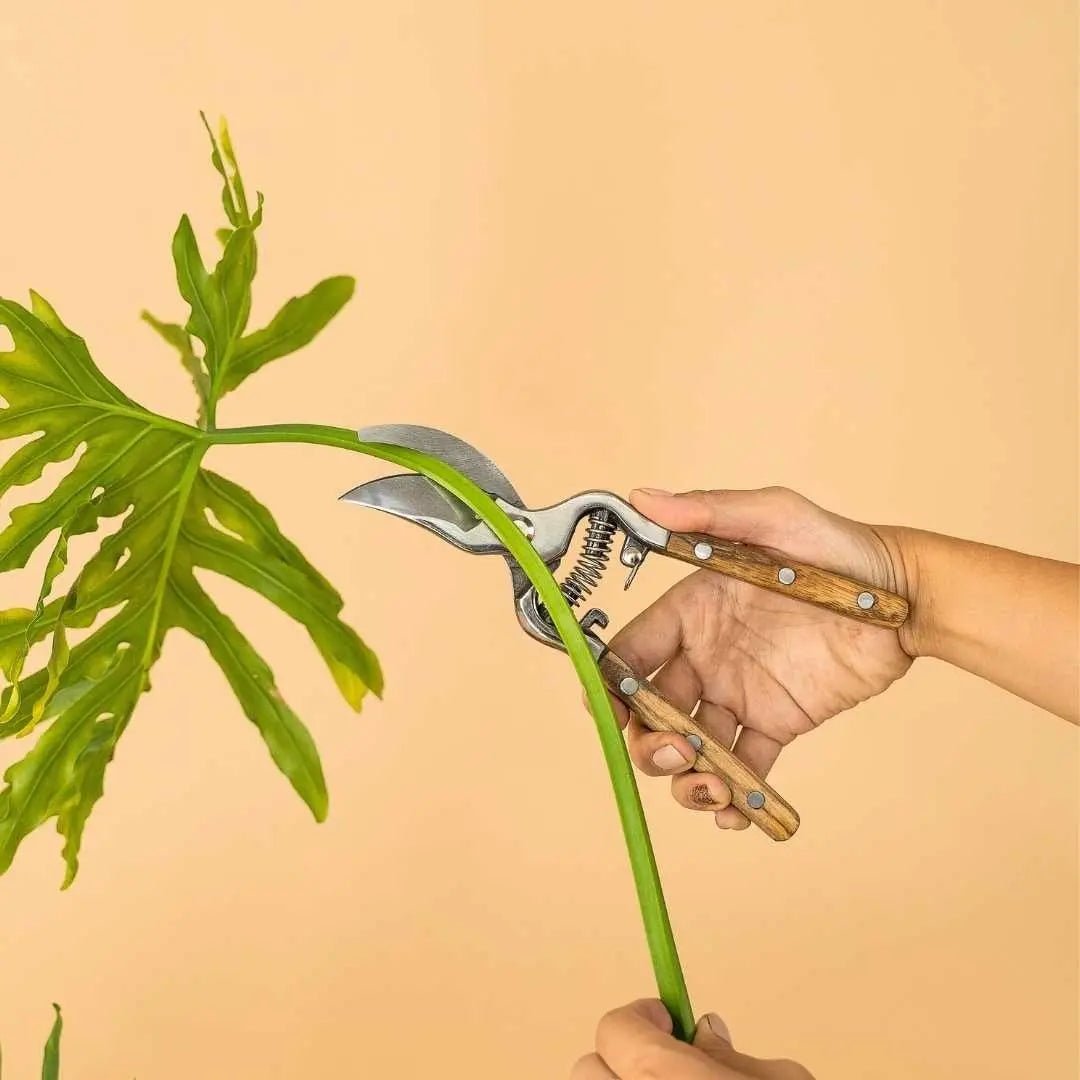
Adeniums respond very well to pruning, which encourages branching and more flower clusters:
- When to prune: Any time of year in Singapore, but the start of a dry, sunny period is ideal
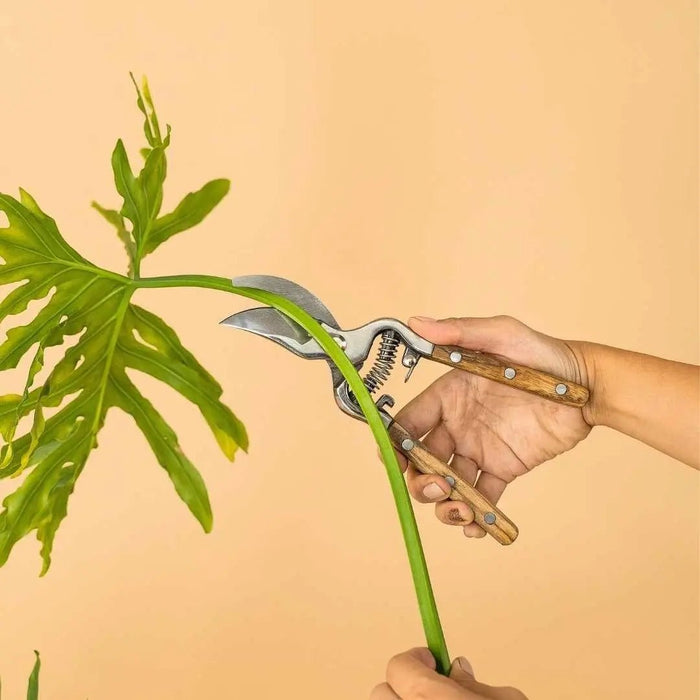
- How: Cut stems cleanly with sterilised pruning shears
- Where: Cut above a node (the slight bump on the stem where leaves emerge)
- Sap warning: Adeniums produce a milky white sap that is toxic and can irritate skin. Wear gloves when pruning.
Encouraging a Fat Caudex
That dramatic swollen trunk is one of the adenium's main attractions. To encourage caudex development:
- Ensure good drainage and avoid overwatering
- Provide maximum sunlight
- When repotting, gradually raise the plant slightly higher each time to expose more of the caudex above the soil line
- Be patient — a truly impressive caudex develops over several years
Flowering Tips
Getting your adenium to flower abundantly in Singapore:
- Maximum sun: This is the single most important factor. No sun, no flowers.
- Right fertiliser: Phosphorus-rich formula during growing season
- Proper watering: Slightly stressing the plant with dry periods can trigger flowering
- Pruning: Regular pruning encourages new branches, and flowers form on new growth
- Patience: Young adeniums may take 1-2 years to start flowering
Adeniums can flower multiple times per year in Singapore's warm climate, with peak flowering typically during drier, sunnier months.
Common Problems

Leaf Drop
Some leaf drop is normal, especially during cooler months or heavy rain periods. However, excessive leaf drop can indicate:
- Overwatering (check caudex firmness)
- Sudden temperature change
- Pest infestation
Root Rot
The most serious issue. Signs include a soft, discoloured caudex and foul-smelling soil. To save the plant:
- Remove from pot immediately
- Cut away all soft, black, rotting roots with a sterilised knife
- Let the plant dry for 2-3 days in a shaded, ventilated area
- Repot in completely fresh, fast-draining soil
- Do not water for at least a week after repotting
Pests
Adeniums in Singapore can attract:
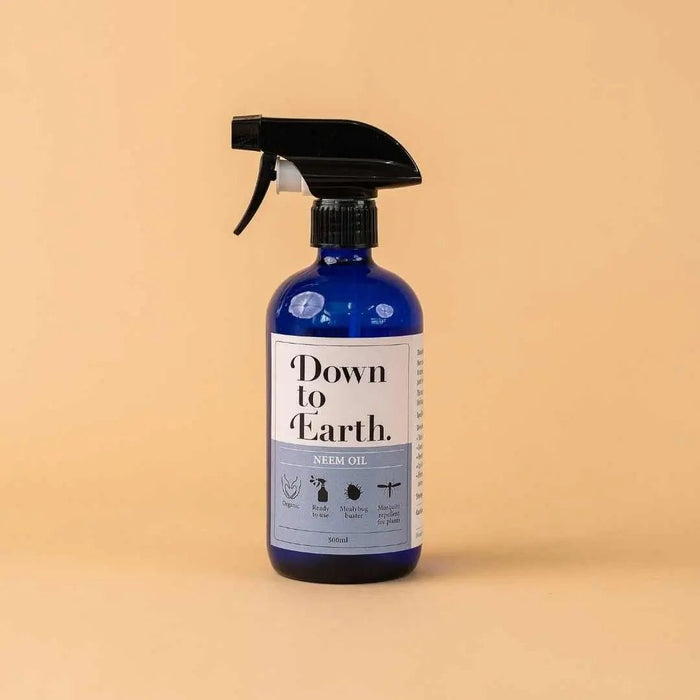
- Mealybugs: White, cottony clusters on stems and leaf joints. Treat with neem oil or rubbing alcohol.
- Spider mites: Tiny dots and webbing on leaf undersides. Spray with water and treat with insecticidal soap.
- Aphids: Usually found on new growth and flower buds. Hose off with water or treat with neem oil.
Toxicity Warning
All parts of the adenium are toxic if ingested. The milky sap can cause skin irritation. Keep away from young children and pets. Always wash hands after handling, and wear gloves when pruning or repotting.
Where to Place Your Adenium in a Singapore Home
- Best: Outdoor balcony with direct sun (west or south facing)
- Good: Sunny windowsill receiving 5+ hours of direct light
- Avoid: Shaded indoor areas, air-conditioned rooms, north-facing spots
The Adenium Desert Rose is available at Tumbleweed Plants with delivery across Singapore. Pair it with a well-draining terracotta pot for the best results.
Final Thoughts
The adenium desert rose is a uniquely rewarding plant for Singapore gardeners who have a sunny spot to offer. It breaks all the typical houseplant rules — it wants direct sun, minimal water, and fast-draining soil. But the payoff is spectacular: a sculptural, flowering plant that becomes more beautiful with age, with a thick caudex that tells the story of years of patient care. If you have a sunny balcony and tend to forget to water your plants, the adenium might just be your perfect match.
Quick summary
Key Takeaways
- Why Adenium Works in Singapore
- Sunlight Requirements
- Watering: Less Is More
- Soil Requirements
- Fertilising for Maximum Flowers
- Pruning and Shaping
Ready to bring some green into your home?
Browse 250+ hand-picked plants, curated for Singapore homes — delivered to your door.
Browse All Plants →