



















Anthurium Care Guide for Singapore
Posted on April 09 2026
In this article
Anthuriums are among the most rewarding flowering houseplants for Singapore homes. Their glossy, heart-shaped spathes in vivid red, pink, white, or even black add a touch of tropical luxury to any room — and in our climate, they can bloom almost continuously with proper care.

Unlike many flowering plants that demand precise conditions, Anthuriums are surprisingly adaptable. Here is how to keep them thriving in your Singapore home.
Understanding Anthuriums
Anthuriums belong to one of the largest genera in the Araceae family, with over 1,000 species. The ones most commonly sold as houseplants fall into two categories:
Flowering Anthuriums
These are grown for their colourful spathes (the waxy, heart-shaped "flowers" — technically modified leaves). The actual flowers are the tiny bumps on the central spadix.
Popular varieties:
- Anthurium andraeanum — Classic red, pink, or white spathes. The most common variety in Singapore shops.
- Anthurium scherzerianum — Smaller, more rounded spathes with a curly spadix. Compact and charming.
- Anthurium 'Black Love' — Deep burgundy-black spathes. Dramatic and increasingly popular.
- Anthurium 'Livium' — Pink and green bicolour spathes. A stunning conversation starter.
Foliage Anthuriums
Grown for their spectacular leaves rather than flowers. These tend to be more expensive and collected:
- Anthurium clarinervium — Dark, velvety leaves with prominent white veins
- Anthurium crystallinum — Similar to clarinervium with a more silvery sheen
- Anthurium warocqueanum (Queen Anthurium) — Extremely long, pendant leaves
This guide focuses on the more common flowering Anthuriums, though many care principles apply to foliage types as well.
Light Requirements
Anthuriums need bright indirect light to bloom consistently. In Singapore:
Ideal placement:
- Near an east-facing window (gentle morning light)
- 1-2 metres from a south or west window (behind a sheer curtain)
- On a bright shelf or table that receives reflected light
Light and flowering:
- Bright indirect light = consistent blooming (6-8 spathes per year)
- Moderate light = occasional blooming (2-4 spathes per year)
- Low light = healthy foliage but few or no flowers
Signs of light issues:
- Leggy growth with few flowers = too little light
- Yellowed or scorched leaves = too much direct sun
- Dark green, compact growth without flowering = needs more light
Watering
Anthuriums like consistent moisture but are susceptible to root rot. Finding the balance is key.
Watering frequency in Singapore:
- Every 5-7 days in naturally ventilated rooms
- Every 4-5 days in air-conditioned rooms
- Adjust based on pot size, soil mix, and season
Method: Water thoroughly until water drains from the bottom. Allow the top 2-3cm of soil to dry before watering again. Never let the pot sit in standing water.
Water quality: Anthuriums tolerate Singapore tap water well. Room temperature water is preferred — avoid cold water directly from the tap.
Overwatering signs: Yellow lower leaves, mushy stems, root rot
Underwatering signs: Drooping leaves, brown crispy edges, wilting
Soil Mix

Anthuriums are epiphytes in nature — they grow on trees, not in ground soil. They need an airy, well-draining mix:
Recommended mix:
- 40% orchid bark
- 30% perlite
- 20% peat moss or coco coir
- 10% charcoal
This provides the drainage and aeration that Anthurium roots need while retaining enough moisture. Regular potting soil alone is too dense and will cause root rot.
Alternative: LECA (lightweight expanded clay aggregate) works excellently for Anthuriums in semi-hydroponic setups. Many Singapore growers have switched to LECA for easier care.
Humidity
Singapore's ambient humidity suits Anthuriums well. However, air-conditioned rooms can be problematic.
In naturally ventilated rooms: No special humidity measures needed. Anthuriums thrive at 60-80% humidity.
In air-conditioned rooms:
- Group with other tropical plants
- Use a pebble tray
- Place near the kitchen or bathroom
- Mist leaves in the morning (avoid evening misting)
Encouraging More Blooms

The most common frustration with Anthuriums is a plant that grows well but refuses to flower. Here is how to encourage blooming:
Light Is Everything
Move the plant to the brightest indirect light spot in your home. This single change is responsible for 90% of "my Anthurium won't bloom" problems.
Feed With Bloom Fertiliser
Use a fertiliser with higher phosphorus (the middle number in NPK) during active growth:
- Bloom-specific fertiliser (e.g., 10-30-20) every 2-4 weeks
- Dilute to half strength
- Apply during regular watering
Remove Spent Flowers
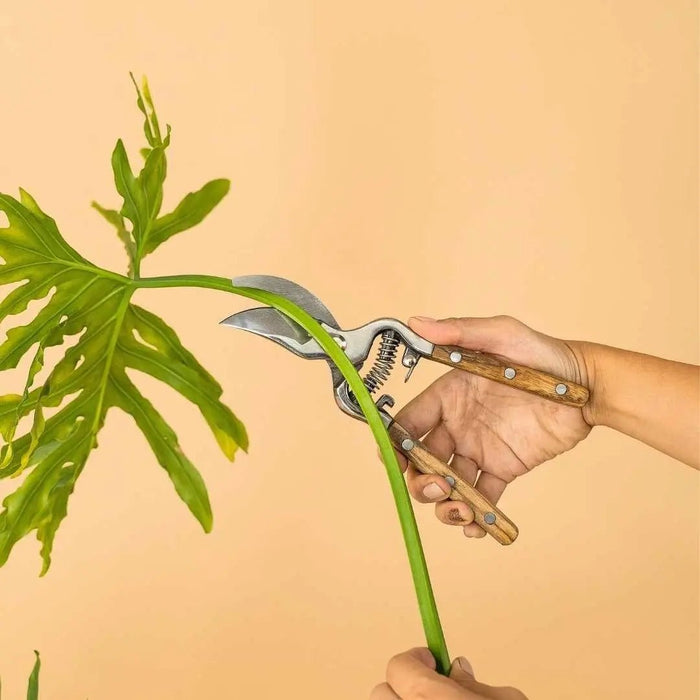
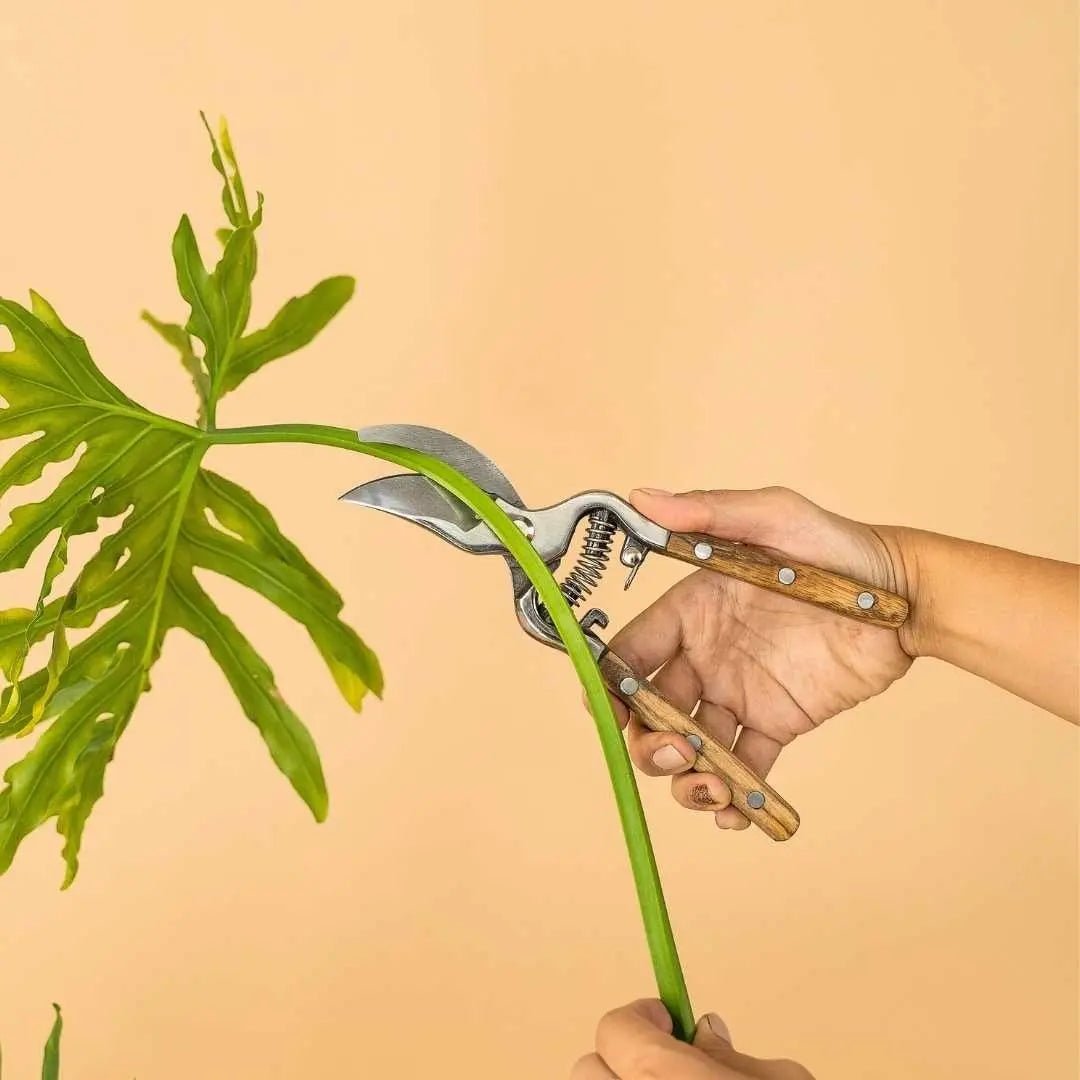
When a spathe turns green and fades, cut the flower stalk at the base. This redirects energy to producing new blooms rather than maintaining old ones.
Maintain Consistent Care
Anthuriums bloom best when they are comfortable and unstressed. Avoid moving the plant frequently, maintain consistent watering, and keep temperatures stable.
Patience With New Plants
Newly purchased or recently repotted Anthuriums may take 2-3 months to settle before producing new blooms. Focus on establishing healthy roots and foliage first.
Common Problems
No Flowers
Almost always a light issue. Move to brighter indirect light and feed with bloom fertiliser. Results should appear within 2-3 months.
Brown Leaf Tips
Usually caused by:
- Low humidity (increase with grouping, pebble trays)
- Overfertilising (reduce strength and frequency)
- Water quality issues (let tap water sit overnight)
Yellow Leaves
Occasional lower leaf yellowing is natural as the plant sheds older leaves. Widespread yellowing indicates:
- Overwatering (check soil moisture and drainage)
- Nutrient deficiency (resume regular fertilising)
- Root rot (unpot and inspect roots)
Root Rot
The most serious threat. Caused by dense soil, overwatering, or pots without drainage.
Rescue steps:
- Unpot and trim all brown/mushy roots
- Let root ball air-dry for several hours
- Repot in fresh, chunky mix (heavy on bark and perlite)
- Water sparingly until new root growth is visible
- Skip fertiliser for 4-6 weeks
Pests
Anthuriums in Singapore occasionally attract:
- Mealybugs — white cotton-like clusters. Treat with rubbing alcohol on cotton buds.
- Scale — brown bumps on stems and leaves. Scrape off and treat with neem oil.
- Thrips — tiny insects causing silvery streaks on leaves. Treat with insecticidal soap.
Propagation

Anthuriums are easy to propagate through division:
- Unpot a mature plant with multiple stems
- Gently separate stems with their attached roots
- Ensure each division has at least 2-3 leaves and a healthy root system
- Pot each division in fresh aroid mix
- Water lightly and place in bright indirect light
- New growth appears within 2-4 weeks
Repotting
Repot every 18-24 months or when roots become tightly packed:
- Choose a pot 2-3cm wider than the current one
- Use the aroid mix described above
- Do not bury the crown (where stems meet roots) — keep it at or slightly above soil level
- Water lightly after repotting and avoid fertilising for 4 weeks
Styling With Anthuriums
Modern minimalist: A single red Anthurium in a matte white pot on a clean console. Bold simplicity.
Tropical cluster: Group three Anthuriums in different colours (red, pink, white) on a side table for a florist-quality display.
Bathroom accent: Anthuriums thrive in humid bathrooms. Place on the vanity or windowsill for a spa-like touch.
Desk companion: A compact Anthurium scherzerianum adds colour and life to a home office without taking up much space.
Final Thoughts
Anthuriums are one of the best value propositions in the plant world — a single plant can produce dozens of flowers over years of life, costing a fraction of cut flower arrangements. Singapore's climate gives you an advantage, and with the right light and watering routine, your Anthurium will reward you with blooms almost year-round.
Browse our Anthurium collection at Tumbleweed Plants.
Quick summary
Key Takeaways
- Understanding Anthuriums
- Light Requirements
- Watering
- Soil Mix
- Humidity
- Encouraging More Blooms
Ready to bring some green into your home?
Browse 250+ hand-picked plants, curated for Singapore homes — delivered to your door.
Browse All Plants →